
Plants
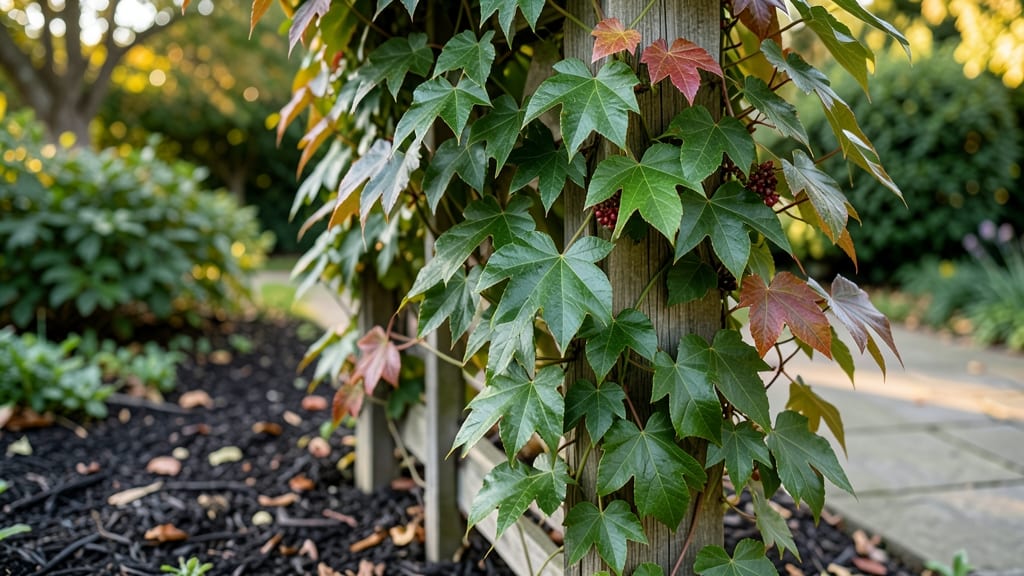
That five-leaf climbing vine transforms bare walls into living tapestries with almost no effort. 🌿 I’ve watched Virginia Creeper turn my chain-link fence into a lush green curtain—no pruning, no fuss—just steady, reliable growth that stays vibrant year-round.
The secret lies in its adaptability: it thrives in poor soil, handles shade, and climbs aggressively without smothering nearby plants.
Most people assume these vines need constant pruning, but the truth is simpler: let it grow wild for the first year, and it’ll establish itself perfectly. You’ll only need to trim back stragglers in late winter to keep it tidy.
The foliage turns brilliant red in fall, adding seasonal drama without extra work. Even in drought conditions, it rebounds faster than most ornamentals.
What you’ll end up with is a low-maintenance privacy screen, erosion control for slopes, or a stunning trellis backdrop. The roots stabilize soil while the leaves provide shade for patios. Best of all? It’s beginner-proof—no green thumb required. Here’s how to get started without overcomplicating it.
Works equally well in urban yards, rural landscapes, or even container gardens with support structures. The key is choosing the right location and letting nature do the rest. Let’s make that fence or trellis disappear into living green.
Understanding Vine Struggles
If your five-leaf ivy (often called Hedera helix) isn’t thriving as expected, the issue likely stems from one of three core problems: environmental mismatches, care oversights, or biological stressors.
Each disrupts the vine’s ability to photosynthesize, absorb nutrients, or support its climbing habit. Let’s break down the science behind why these issues arise—and how to fix them.
The five-leaf ivy is a hardy evergreen, but it’s not built for extremes. Its native European forests thrive in moderate climates with dappled shade, yet many gardeners place it in full sun or freezing conditions—both of which trigger stress responses.
- Too Much Sun:
Direct sunlight (especially in hot climates) causes photoinhibition, where excess UV light damages chlorophyll. The vine’s leaves turn yellow or brown at the edges as cells degrade.
In severe cases, leaf scorch (crispy, papery edges) occurs due to transpirational stress—the plant loses water faster than roots can replace it.
- Too Little Light:
Leggy, sparse growth with pale leaves? Your vine is etiolating—stretching toward light but failing to produce enough chlorophyll. This happens when placed in deep shade or indoors without supplemental grow lights. The vine prioritizes stem elongation over leaf development, weakening its climbing ability.
- Cold Snaps:
While the five-leaf ivy tolerates temps down to 10°F (-12°C), sudden freezes or prolonged cold (below 20°F/-7°C) can cause cold damage. Cells rupture due to ice crystal formation, leading to blackened or mushy leaves.
Evergreen vines like this one are not frost-tolerant in the same way deciduous plants are—they lack the protective sugar buildup that helps other species survive winter.
Actionable Fix: Aim for morning sun + afternoon shade in warm climates, or bright, indirect light indoors. Use frost cloth in winter if temps dip below 20°F. 🌿
The five-leaf ivy’s roots are shallow and fibrous, meaning they’re sensitive to both drought and waterlogging. Poor soil drainage or inconsistent moisture triggers root rot or nutrient deficiencies, both of which stunt growth.
- Overwatering:
Soggy soil cuts off oxygen to roots, leading to anaerobic conditions where beneficial microbes die off. The vine responds by dropping leaves or developing yellowing between veins (chlorosis). Over time, root rot fungi (like Phytophthora) take hold, causing a musty smell and mushy stems.
- Underwatering:
While drought-tolerant, prolonged dryness causes wilting and leaf drop as the vine conserves water. Cells lose turgor pressure, and new growth becomes stunted or crispy. Chronic dehydration weakens the vine’s ability to climb, as its adhesive tendrils rely on healthy sap flow.
- Poor Soil Mix:
The five-leaf ivy prefers well-draining, slightly acidic soil (pH 5.0–7.0). Heavy clay or alkaline soils lock out nutrients like iron and manganese, causing interveinal chlorosis (yellowing between veins while veins stay green). Compacted soil also restricts root expansion, limiting water and nutrient uptake.
Actionable Fix:
- Water only when the top 1–2 inches of soil are dry (stick your finger in to check!).
- Amend heavy soil with peat moss or perlite to improve drainage.
- Use a balanced fertilizer (10-10-10) in spring to replenish nutrients.
Five-leaf ivy is resistant to most pests, but a few culprits exploit its tender new growth and climbing surfaces. Left unchecked, these can debilitate the vine’s vigor and even kill it.
- Spider Mites:
These microscopic arachnids thrive in dry, hot conditions and suck sap from leaves, causing stippling (tiny white/yellow dots) and webbing. Severe infestations lead to leaf drop as the vine diverts energy to repair damage. They’re often missed until the vine looks speckled and dull.
- Scale Insects:
These sap-sucking pests attach to stems and leaves as brown, waxy bumps. They excrete honeydew, a sticky residue that attracts sooty mold (a black fungal growth). Infested vines grow weakly and may drop leaves prematurely.
- Fungal Diseases (e.g., Powdery Mildew):
High humidity + poor airflow = powdery mildew, a white, flour-like fungus that coats leaves. It blocks sunlight, reducing photosynthesis by up to 50%. Over time, leaves yellow and fall off, weakening the vine’s climbing structure.
Actionable Fix:
- Spray neem oil or insecticidal soap for mites and scale (repeat every 5–7 days).
- Prune affected leaves and dispose of them in sealed bags.
- Improve air circulation around the vine (e.g., avoid overcrowding).
- Apply copper fungicide for powdery mildew if humidity is persistent.
Pro Tip: 🔍 Inspect new growth weekly—pests and diseases often start small but spread rapidly on climbing vines!
Fixing Common Growth Challenges
If your five-leaf climbing vine (like the hardy Parthenocissus quinquefolia or Pothos) isn’t thriving, don’t panic! Most issues have simple, actionable fixes—plus a few tweaks to keep it lush year-round. Below, we’ll break down the most common problems and how to diagnose, treat, and prevent them with minimal fuss.
Signs: Wilting, yellow patches, mushy stems, or leaves that feel soggy.
Why it happens: Too much water (or poor drainage) suffocates roots, while underwatering causes dehydration. Even "climbing vines" need balance!
How to fix it:
- 🚰 Check the soil – Stick your finger 1–2 inches deep. If it’s damp, hold off on watering. If dry, water thoroughly but let excess drain away.
- 🪴 Repot if needed – If roots are circling or the pot lacks drainage holes, upgrade to a container with holes and fresh, well-draining potting mix (add perlite or orchid bark for aeration).
- 🌿 Trim damaged foliage – Snip yellow or brown leaves with clean scissors to redirect energy to healthy growth.
Prevention tips: ✔ Water only when the top inch of soil is dry (adjust for humidity—less in winter, more in dry climates). ✔ Use a moisture meter for peace of mind (or the "knuckle test"). ✔ Avoid saucers without drainage—water should escape, not pool.
Signs: Long, sparse stems with tiny leaves, or stems flopping over despite support.
Why it happens: Vines stretch toward light (etiolation) when deprived, and too much fertilizer burns roots, weakening growth.
How to fix it:
- 💡 Move to brighter indirect light – Near a window (east or north-facing) or under a grow light. Avoid harsh midday sun, which can scorch leaves.
- 🌿 Prune leggy stems – Cut back overgrown vines by 1/3 to encourage bushier growth. Focus on the top third of the plant to maintain shape.
- 🌱 Adjust fertilizer – If using liquid feed, dilute to half-strength. Switch to a balanced, slow-release fertilizer (like 10-10-10) and apply every 6–8 weeks in spring/summer.
Prevention tips: 💡 Rotate the plant weekly so all sides get even light. 🌱 Fertilize only during active growth (spring to early fall). 🎯 Use trellises or stakes early—vines cling better when young!
Signs: Sticky residue (honeydew), tiny webs, white cottony patches, or chewed leaves.
Why it happens: Dry air, dust, or stressed plants attract pests. Climbing vines are especially vulnerable if outdoors in hot, dry climates.
How to fix it:
- 🔍 Identify the pest – Hold a white sheet under the plant and shake gently. Spider mites look like tiny red dots; mealybugs are fuzzy white blobs.
- 🚿 Blast off pests – Spray leaves thoroughly with water (use a showerhead attachment) to dislodge them.
- 🧴 Apply natural remedies:
- Neem oil spray (1 tsp neem oil + 1 tsp mild soap + 1 quart water). Spray every 5–7 days until gone.
- Insecticidal soap (follow label instructions) for stubborn infestations.
- 🕷️ Introduce beneficial insects – Ladybugs or lacewings eat mites and aphids naturally (buy online or find local suppliers).
Prevention tips: 💦 Mist leaves regularly (or use a pebble tray) to deter mites. 🌡️ Keep humidity above 40%—use a humidifier or group plants together. ✨ Inspect new plants before bringing them indoors.
Signs: Dry, crunchy leaf edges, especially on older foliage.
Why it happens: Tap water (high in fluoride/chlorine) or dry air (common in winter) causes leaf burn.
How to fix it:
- 💧 Switch to filtered or distilled water – Let tap water sit out for 24 hours before using to reduce chemicals.
- 🌬️ Increase humidity – Place the pot on a tray of pebbles with water, or use a humidifier nearby.
- 🌿 Trim damaged tips – Snip brown edges with clean scissors to prevent spread.
Prevention tips: 📊 Test your water for fluoride (aim for <1 ppm). 🌡️ Group plants together to create a microclimate. 🎯 Avoid cold drafts (e.g., near AC vents or open windows in winter).
Signs: Leaf drop, slow growth, or blackened stems in freezing temps.
Why it happens: Some vines (like Parthenocissus) are semi-deciduous and shed leaves in winter, but others (like Pothos) stay evergreen and need protection.
How to fix it:
- 🏡 Move indoors if possible – Keep in a bright, cool room (50–65°F). Avoid heat sources like radiators.
- 🌿 Reduce watering – Let soil dry out more between waterings (roots grow slower in winter).
- 🔥 Protect outdoor vines – Wrap trunks in burlap or bubble wrap, and mulch the base with straw.
Prevention tips: ✔ Hardy vines (like Virginia creeper): Prune back dead leaves in early spring. ✔ Tropical vines (like Pothos): Keep them in a consistently warm spot (no below 50°F). ✔ Mulch outdoor plants before the first frost to insulate roots.
If your vine looks unmanageable, try this:
- 🔪 Prune back by 1/3 – Cut just above a leaf node (where leaves grow) to encourage branching.
- 🌱 Fertilize lightly – Use a half-strength balanced fertilizer to support regrowth.
- 💡 Boost light – Place near a sunny window or under a grow light for 6–8 hours/day.
- 🌱 Repot if root-bound – Choose a pot only 1–2 inches larger in diameter.
A bushier, healthier vine in 4–6 weeks!
Remember: Most vine problems are fixable with light, water, and a little pruning. Start with the most obvious issue (like yellow leaves = water check), then adjust gradually. Your five-leaf climber will thank you with vibrant, year-round greenery! 🌿✨
Frequently asked questions about five-leaf climbing vines
What's the difference between Virginia Creeper and Boston Ivy?
Virginia Creeper (Parthenocissus quinquefolia) has five leaflets per compound leaf, while Boston Ivy (Parthenocissus tricuspidata) has three leaflets. Virginia Creeper turns brilliant red in fall, while Boston Ivy offers more vibrant autumn colors with purple and orange hues. Both are excellent climbers but Boston Ivy clings more aggressively with adhesive pads.
How fast does a five-leaf climbing vine grow?
Virginia Creeper grows 10–20 feet per year under ideal conditions, making it one of the fastest-growing vines. With proper support and sunlight, you can expect 6–10 feet of new growth annually. In shaded areas, growth slows to 3–5 feet per year. The rapid growth makes it perfect for quick privacy screens.
Can I grow a five-leaf vine indoors?
While possible, Virginia Creeper thrives outdoors due to its size. For indoor growth, try Pothos (which has heart-shaped leaves) or Philodendron hederaceum (similar five-leaf appearance). Place your indoor vine near a bright window with indirect light, and use a trellis for climbing. Expect slower growth compared to outdoor varieties.
Does Virginia Creeper have invasive roots?
Yes, Virginia Creeper spreads aggressively through both vines and underground runners. While not as invasive as kudzu, its roots can spread 10–15 feet from the main plant. To control it, install a root barrier (buried 2–3 feet deep) or plant in containers with drainage. Regular pruning of runners helps manage its spread.
Why are my five-leaf vine leaves turning yellow?
Yellow leaves usually indicate overwatering or poor drainage. Check if the soil stays soggy for more than 24 hours after watering. Other causes include nutrient deficiency (apply balanced fertilizer) or pest damage (inspect for spider mites). For best results, water when the top 1–2 inches of soil are dry and ensure proper drainage.