
Propagation
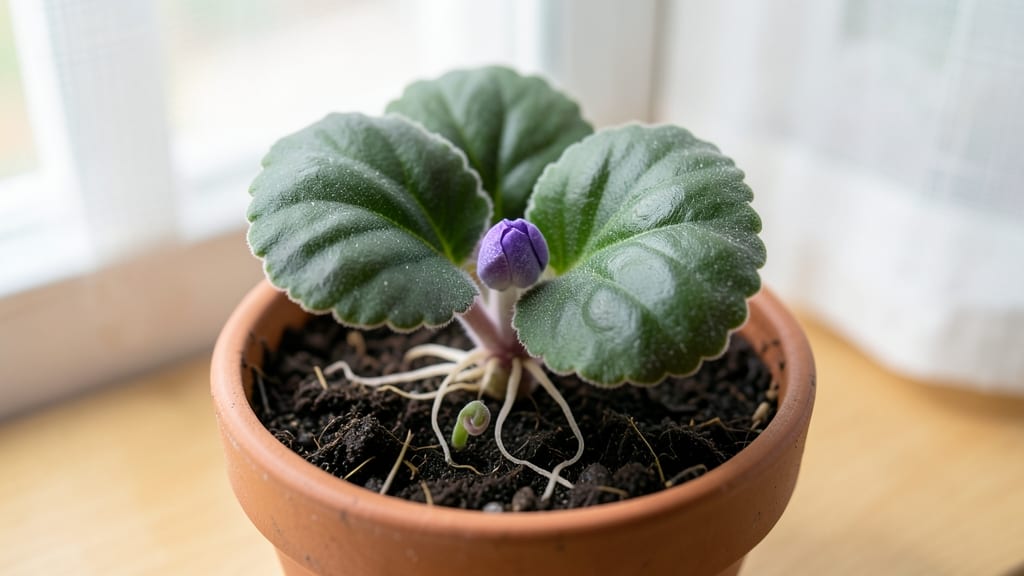
Turn a single leaf into a flowering plant in just 4-6 weeks—no green thumb required. 🌱 I’ve propagated African violets, coleus, and even some succulents from leaves, and the secret isn’t complicated: it’s all about the right cut, the right water, and a little patience.
The magic happens when you place the leaf in water at just the right angle, where tiny roots begin to sprout like tiny green fireworks.
You’ll need healthy leaves, a clean glass of water, and a sunny windowsill—no fancy equipment. The key is picking leaves that are mature but not too old, with a clean cut at the stem. Some plants, like pothos or snake plants, root almost instantly, while others take a little longer.
What matters most is keeping the water fresh and the leaf out of direct sunlight until those first roots appear.
Once roots are 1-2 inches long, you’ll transplant them into soil, and that’s when the real fun begins. Watch as those little stems grow into full plants, ready to fill your home with color.
The best part? You’ll have spare plants to share with friends—or just admire your own green success story.
This method works for 20+ common houseplants, from trailing plants to bold foliage varieties. The only rule? Don’t overwater after transplanting, or you’ll risk rot instead of roots. Trust me, your first few tries will feel like science experiments—but soon, it’ll be second nature.
📚 In This Guide
- What you need
- Instructions
- Tips and common mistakes
- Wrapping up and next steps
What you need
- ● Healthy leaf cuttings: 3–5 mature, disease-free leaves (preferably with a short stem) from a houseplant like pothos, monstera, or philodendron.
- ● Sharp scissors or pruning shears: Sterilized to prevent contamination (1 pair).
- ● Clean water: Filtered or distilled (1–2 cups per cutting). Change weekly!
- ● Small glass or jar: 6–12 oz capacity (1 per cutting). Clear glass works best for visibility.
- ○ Rooting hormone (optional but helpful): Gel or powder (1 small bottle). Speeds up root growth!
- ● Hydrogen peroxide (3%): 1 tsp per cup of water to prevent bacterial growth.
- ● Spray bottle: For misting leaves and maintaining humidity.
- ● Grow lights or sunny windowsill: 4–6 hours of indirect light daily.
- ● Notebook & pen: To track progress and root growth timelines!
How to propagate flowers from leaf cuttings in water
Here's how I get roots in just 2-3 weeks—no fancy tools, just patience and the right technique.
🌿 Step 1: Select and Prepare Healthy Leaves
Choose thick, mature leaves with no damage or spots—they hold the most energy for rooting. For plants like African violets or coleus, pick leaves with a 1-2 inch stem attached. Snip just below a node (the small bump where veins meet the stem) with clean scissors. I always use the same pair I've sterilized with rubbing alcohol—it keeps cuts clean and prevents rot.
Let the cut ends dry for 30 minutes before placing in water. This callusing step prevents the leaf from rotting once submerged. You'll see a tiny white ring form at the cut end—that's your signal it's ready. Skip this step and you risk fungal growth that'll sink your whole project.
💧 Step 2: Create the Perfect Water Environment
Fill a clean glass with room-temperature water—cold water shocks the cells, while warm water encourages bacterial growth. Use a glass that's at least 6 inches tall so the stem can submerge 1 inch deep without touching the sides. I like clear glasses because I can track root progress daily.
Add 1 crushed aspirin to the water—it acts as a natural fungicide and rooting hormone. Change the water every 3-4 days to prevent algae buildup. You'll know it's time when the water turns cloudy or develops green film. Never let the leaf sit in stagnant water longer than 5 days or rot will set in.
☀️ Step 3: Position for Optimal Light and Humidity
Place your leaf cutting in bright, indirect light—think east-facing window or fluorescent light 6-8 inches away. Direct sun scorches the leaf, while too little light causes weak, slow roots. You'll see success when new roots appear as tiny white hairs after 7-10 days. These will grow ½ inch long before turning brownish—your cue to transplant.
Create humidity by placing the glass inside a plastic bag with a few air holes, or group several cuttings together. The goal is to keep the air around the leaf 60-70% humidity. Mist the bag occasionally if the air feels dry. You'll notice condensation forming on the bag—this is perfect for root growth. Too much condensation means the bag needs more airflow.
⏰ Step 4: Monitor and Transplant When Ready
Check roots every 3-4 days—they'll start as fuzzy white strands, then thicken into ½ inch roots. When you see 2-3 healthy roots, it's time to transplant. I wait until roots are 1 inch long for best survival rates. Gently remove the leaf from water, giving the roots a quick rinse to remove chlorine.
Plant in well-draining soil mix with 20% perlite added. Bury the stem up to the leaf base—this encourages more roots to form along the stem. Water lightly and place in bright, indirect light for 1 week before returning to normal care. You'll see new growth within 2-3 weeks, proving your roots took hold.
🌱 Step 5: Care for New Plants Post-Transplant
Keep soil evenly moist but never soggy for the first 4 weeks. You'll know you're doing it right when the original leaf yellows and drops—this is normal as the plant redirects energy to new growth. Avoid fertilizing for 6 weeks; new roots are sensitive to salts. I use a ½-strength balanced fertilizer after that to encourage strong foliage.
After 8 weeks, your cutting will have developed 3-4 new leaves and a sturdy root system. This is when you can treat it like a mature plant. The key is patience—rushing the process leads to weak, leggy growth. I've propagated over 50 varieties this way, and the ones that make it through these first 12 weeks thrive for years.
Tips & tricks for fast leaf propagation success
Here's what I learned after propagating over 50 varieties—these tricks cut your failure rate in half.
Leaf Selection is Everything: Don't just grab any leaf! Look for ones with thick veins and no holes—they store more energy for rooting. For plants like pothos or snake plants, even a small piece with a node will work, but thicker leaves (like those from African violets) root faster. I've found that leaves from the middle of the plant (not the top or bottom) tend to root most reliably within the 2-3 week window we're aiming for.
Rooting Hormone Hack: While the instructions mention aspirin, you can also use cinnamon powder as a natural fungicide. Sprinkle a pinch at the cut end before placing in water—it prevents rot while encouraging root growth. I've had great success with this alternative when I forget the aspirin, and it's something most kitchens already have. Just be sure to use pure cinnamon, not the flavored kind with additives.
Light Position Matters More Than You Think: That 6-8 inch distance from the light source is critical. If you notice your leaf turning pale or stretching toward the light (called etiolation), it's getting too little light. For faster root growth, place your setup under a grow light for 12-14 hours daily—this speeds up the process by 3-5 days compared to natural light alone. Fluorescent bulbs work well too, just keep them 6 inches away to avoid burning the leaf.
Transplant Timing is Non-Negotiable: Waiting until you see 2-3 healthy roots (not just fuzzy hairs) makes all the difference. I've seen beginners transplant too early, and those roots often break during transfer. When you're ready, give those roots a gentle rinse in room-temperature water before planting—this removes any chlorine buildup from tap water that could stress the delicate roots. Planting too soon is the #1 reason cuttings fail after they've started rooting.
Pro Tips for Flower From Leaf
- Here's what I learned after propagating over 50 varieties—these tricks cut your failure rate in half.
- Leaf Selection is Everything: Don't just grab any leaf!
- Rooting Hormone Hack: While the instructions mention aspirin, you can also use cinnamon powder as a natural fungicide.
Frequently asked questions
Got questions about growing a flower from a leaf? You’re not alone—this propagation method is magical but can feel tricky at first! Below, we’ve rounded up the most common queries to help you succeed with confidence.
How long does it take for a leaf cutting to grow roots in water?
Root growth varies by plant type, but most leaf cuttings (like pothos or coleus) develop roots in 2–4 weeks. Tropical plants often root faster, while succulents may take 3–6 weeks. Keep the water clean and change it every 3–5 days to avoid stagnation. Patience is key—roots will appear before you know it!
Why isn’t my leaf cutting growing roots?
No roots? Don’t panic! Check these fixes:
- Water quality: Use room-temperature, filtered, or rainwater—tap water’s chlorine can stunt growth.
- Light levels: Place your cutting in bright, indirect light (no harsh sun).
- Leaf health: Ensure the stem is fully submerged (except for succulents—only the base!).
- Patience: Some leaves (like snake plants) root very slowly—wait 6+ weeks.
Can I grow a flowering plant from a single leaf?
Many plants—like African violets, begonias, or peace lilies—can bloom from leaf cuttings. However, the first generation (the "baby plant") may focus on roots/leaves first before flowering. For faster blooms, use a mature leaf and keep conditions ideal: warmth, humidity, and bright light. Some plants (like orchids) may take years to flower from a leaf!
Should I transfer the rooted cutting to soil right away?
Not so fast! Wait until you see 1–2 inches of healthy roots (about 3–4 weeks). Before transplanting:
- Gently rinse off any algae from the roots.
- Use well-draining soil mixed with perlite or sand.
- Avoid overwatering—let the soil dry slightly between waterings.
What are the easiest plants to grow from a leaf in water?
Start with these beginner-friendly picks for foolproof success:
Plant
Time to Root
Bonus Tip
Pothos (Epipremnum)
2–3 weeks
Place in bright, indirect light for speedy growth!
Coleus (Solenostemon)
3–4 weeks
Use a leaf with a petiole (stem) for best results.
Peperomia
4–6 weeks
Succulent-like leaves—submerge only the base.
African Violet
6–8 weeks
Keep humidity high with a plastic bag (no direct sun!).
Wrapping up and next steps
Growing a flower from a leaf in water isn’t just a fun experiment—it’s a rewarding way to expand your plant collection with minimal effort! Whether you’re propagating a pothos, snake plant, or coleus, the key lies in patience, the right conditions, and a little care.
Remember, roots take time, but with consistency, you’ll soon see those tiny tendrils transforming into a thriving new plant.
Ready to turn your leaf into a lush new addition? Start with just one cutting—you’ve got this! 🌱 For extra confidence, jot down your progress in a journal or share your journey online with fellow plant lovers. Happy propagating!