
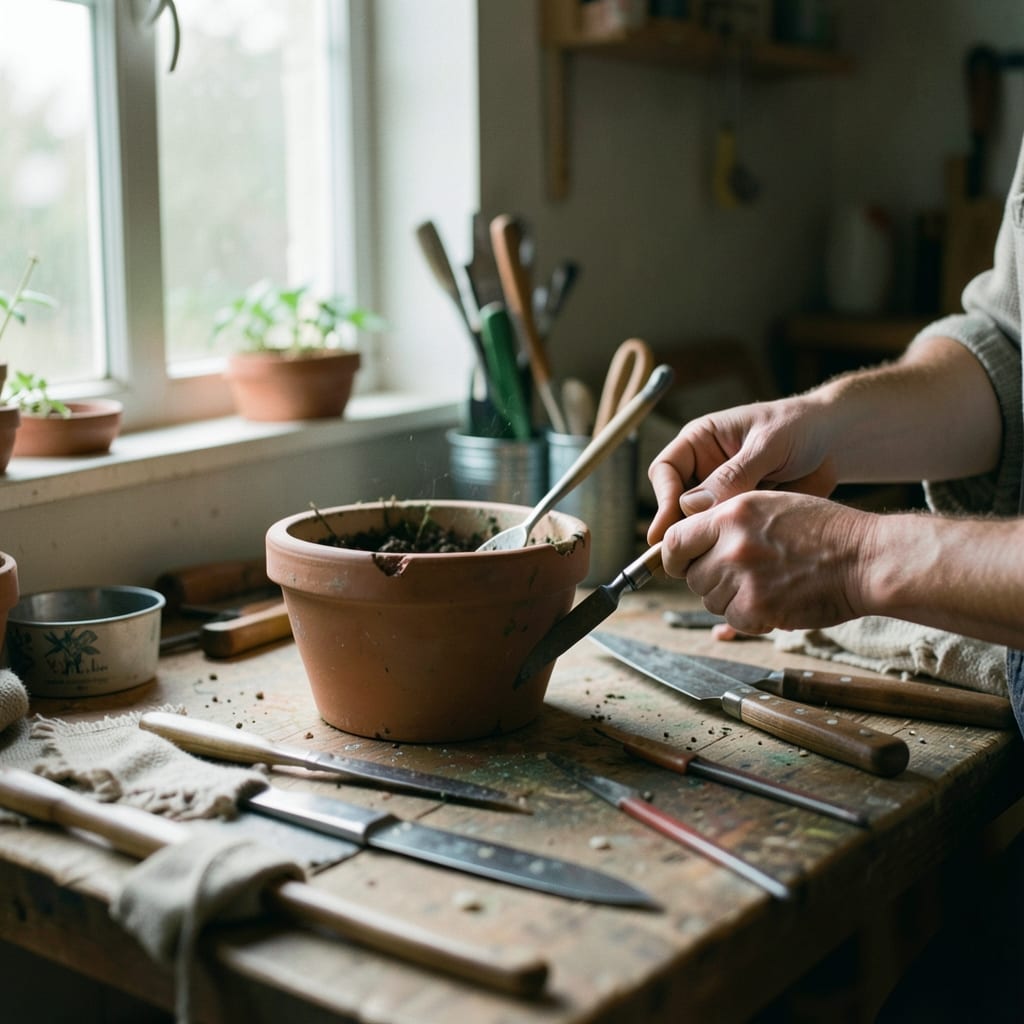
What this work is made with
This page is a list of things, not a story. Gardening lives in the soil, the seasons, the tools that shape it—and the wear those tools carry. Here, we name what holds the work together.
Leaf Vein is a place for lessons learned in the dirt: what grew, what died, and why. The objects below are what we depend on to keep it honest.
The things that do the work
These are the hands-on things that shape what you’ll read here: the worn-out shovel, the cracked seed tray, the pruners that have outlasted their purpose. They don’t just help—each one has taught us something.
The old shovel
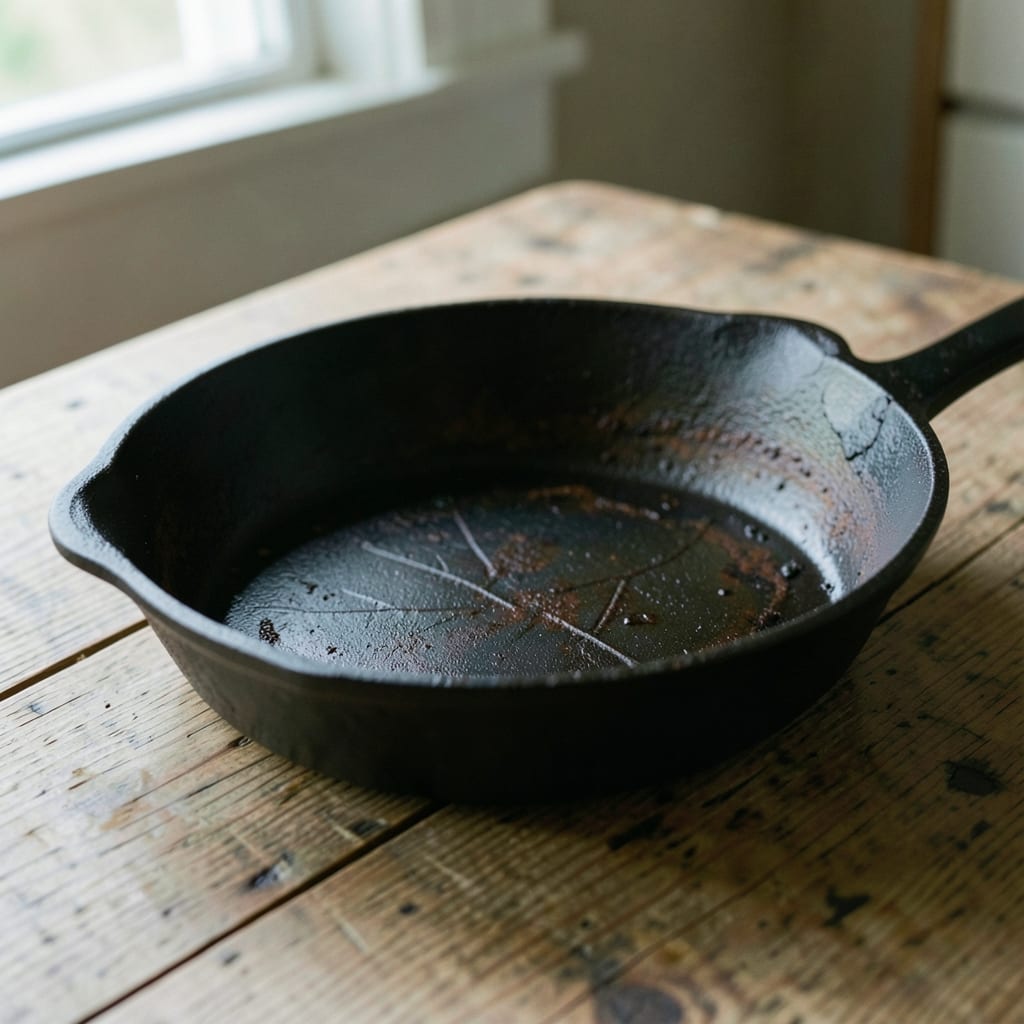
A rusted, dented shovel with the handle cracked near the head. It’s been here since 2018, when it was handed down from my grandfather, who used it to dig the potato patch where I first learned to garden.
It’s too heavy now, the blade too dull to cut cleanly, but it’s the one I still use to turn compost. The weight reminds me to move slower, to think before I dig.
The plastic seed tray
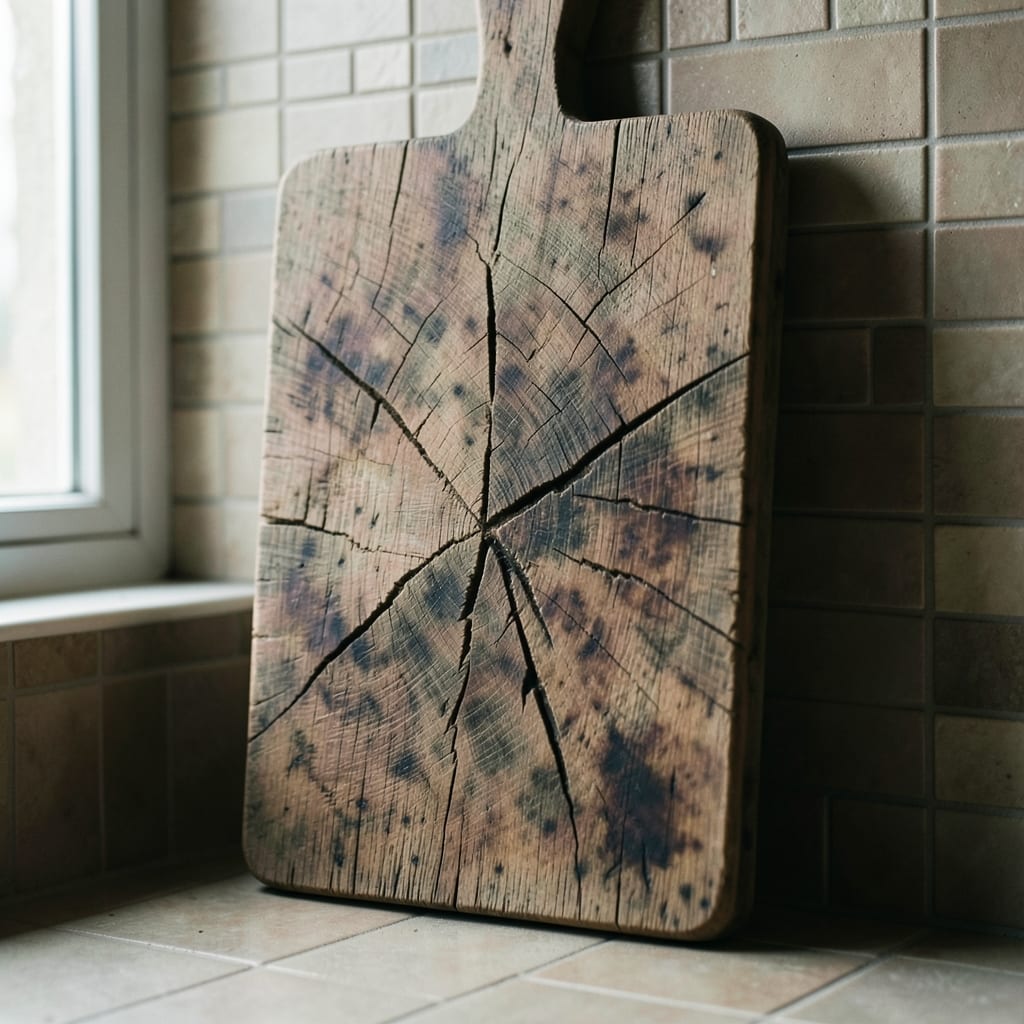
A cheap, warped tray from a hardware store, missing one corner. It’s been here since 2020, when I bought a bulk pack to start seedlings indoors. The plastic is brittle, and the cells crack if you’re not careful.
It’s the only tray I use now because it’s the only one that fits my windowsill. The cracks just mean I have to water gently—lessons in patience, not failure.
The pruners
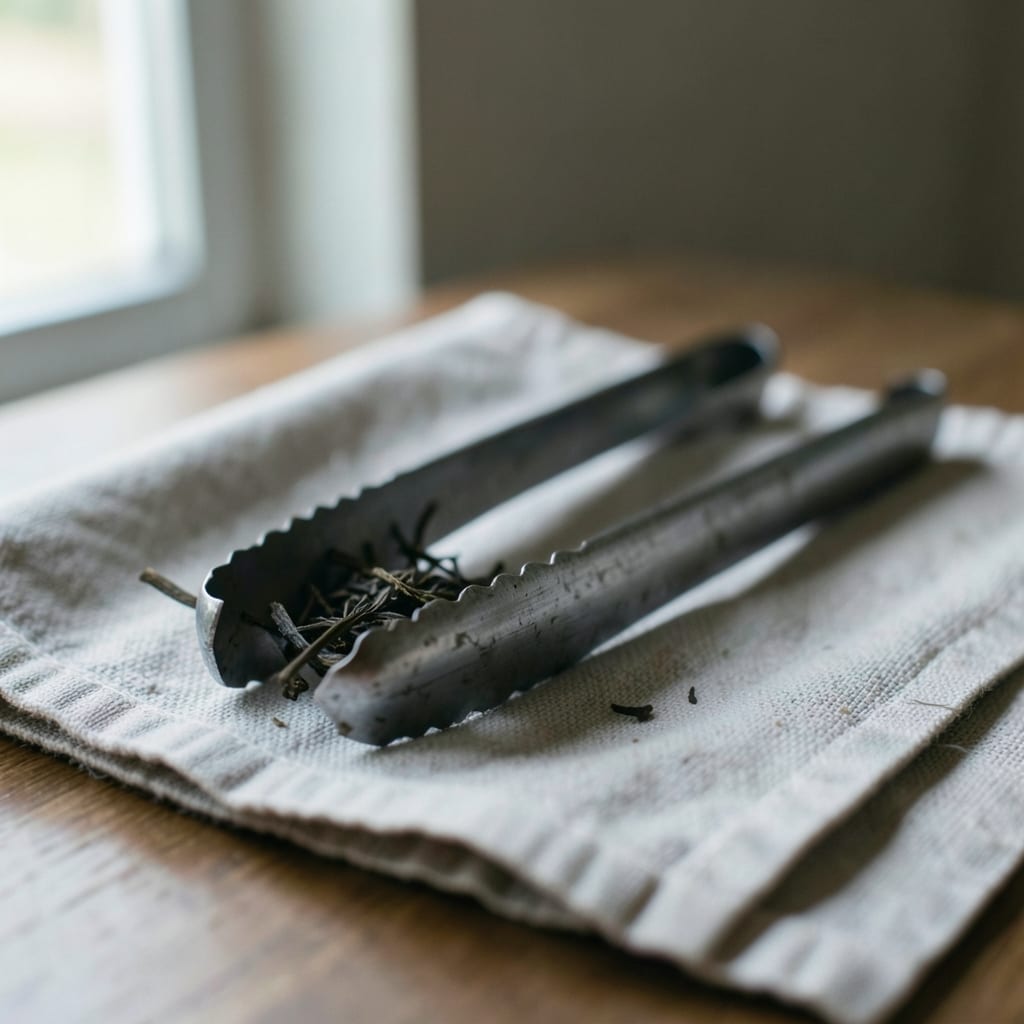
A pair of bypass pruners with the spring broken and the blades notched from years of use. They’ve been here since 2019, when I bought them thinking they’d last forever. The handle is splintering, and the pivot screws are loose.
I keep them anyway because they still cut through deadwood—just slower. The notches tell me exactly where the plant resisted, where I should have stopped sooner.
The wooden stake
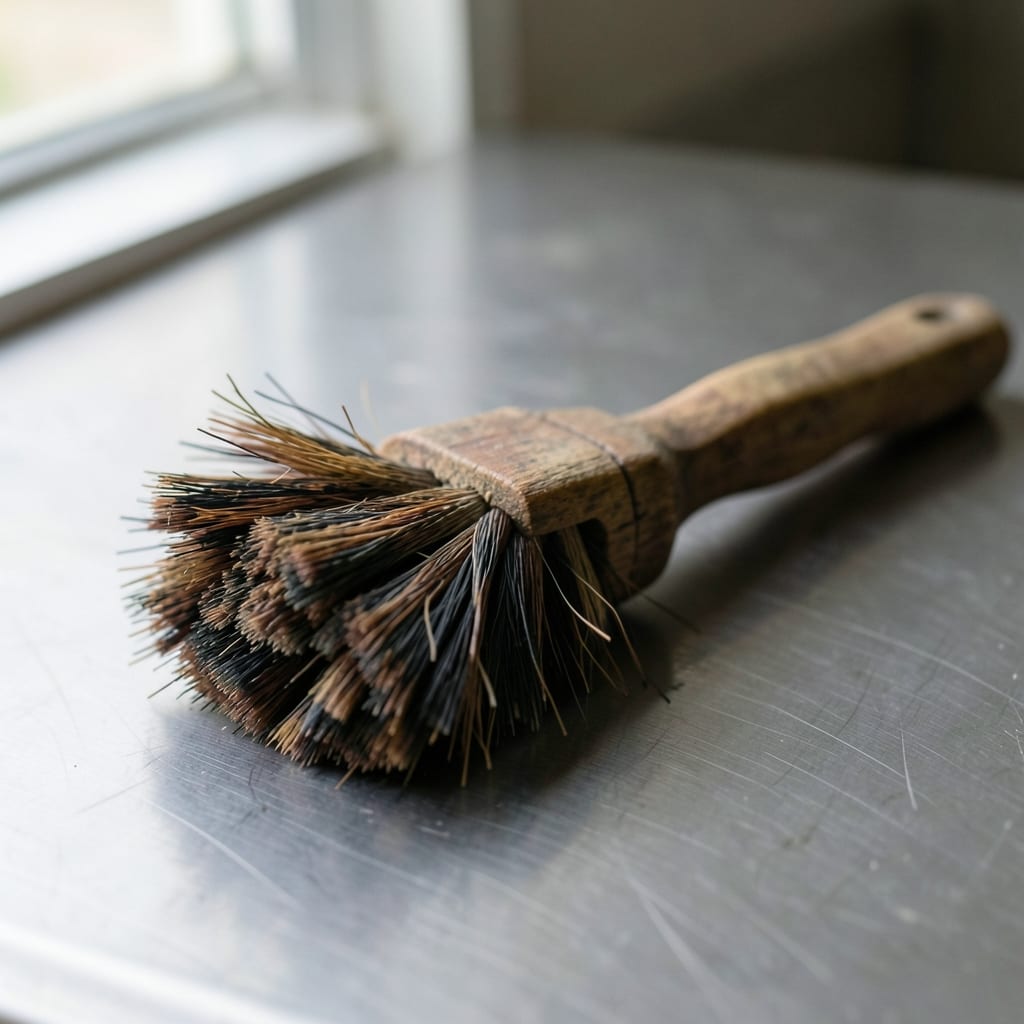
A split cedar stake, charred at the ends from years in the fire pit. It’s been here since 2021, salvaged from a neighbor’s burn pile. The wood is soft now, the split wider with each season.
It’s the only stake I use for tomatoes because it’s the only one that won’t snap in a windstorm. The split just means I tie the vines tighter—another reminder that nothing in gardening is ever perfect.
What is not in the drawer
This work doesn’t depend on fancy tools, certifications, or trends. What you won’t find here are the things that complicate instead of clarify.
Deliberately absent
- A soil pH meter—we trust the plants to tell us what they need.
- Brand-new tools—wear is part of the story, not a flaw.
- Garden gurus or ‘expert’ advice—every lesson here is earned, not borrowed.
- A perfect garden—messy, failed, and overgrown is where the real learning happens.
Behind the scenes
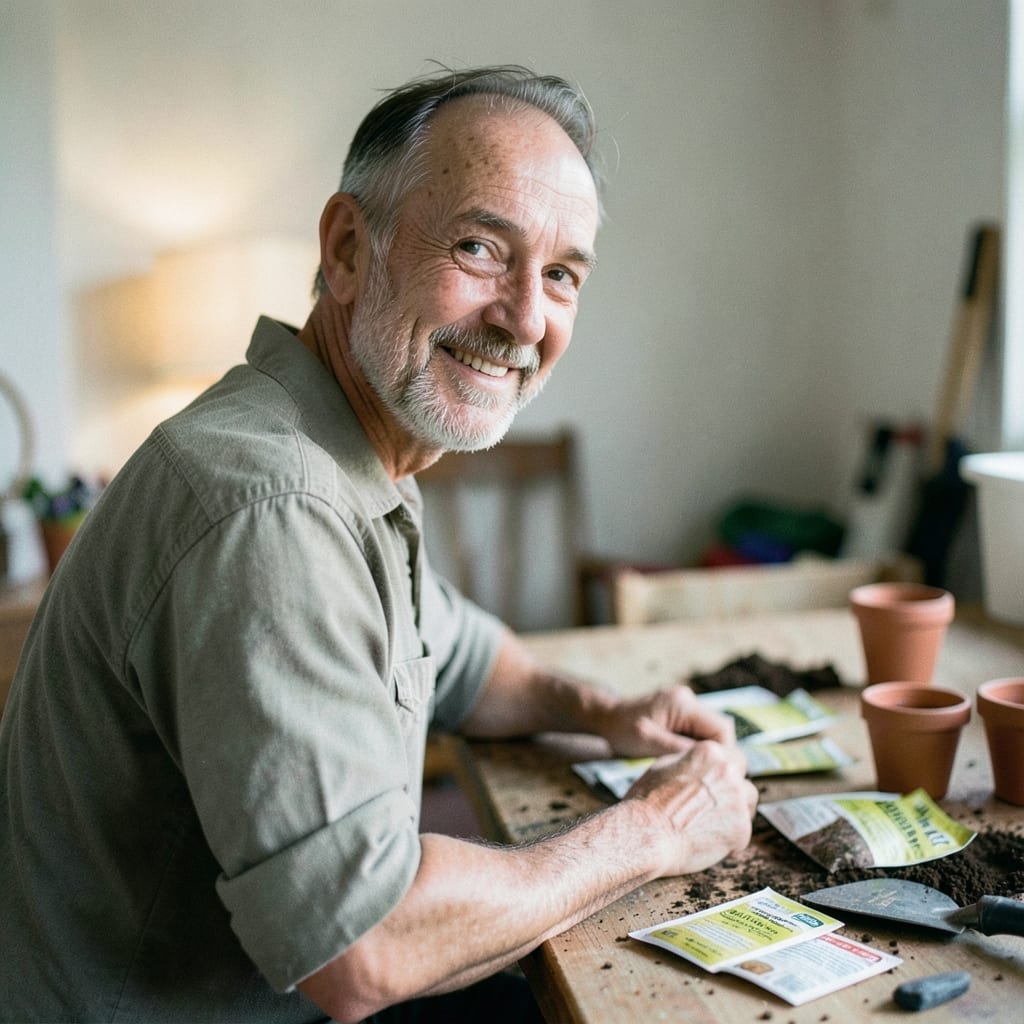
I’m Curtis Tremblay, the founder and editor. I’m the one who still scratches at dirt under my nails after writing, who knows the exact weight of a shovel full of compost, and who can tell you which pruners made the cleanest cut last spring.
I came to this from my grandmother’s garden in rural Maine, where I learned that gardening isn’t about perfection—it’s about paying attention. She handed me the old shovel when I was twelve, and I’ve been digging (and failing) ever since.
This work has given me calluses on my palms, a permanent smudge of dirt under my fingernails, and a habit of noticing which plants lean toward the sun before I even think about it. I can’t walk past a garden bed without checking for weeds now—it’s like a reflex.
I’m here to make sure every page carries the same honesty as the soil: no shortcuts, no pretenses. The lessons are in the dirt, the mistakes, and the things that somehow grow anyway.
Why any of this matters to you
These objects—worn, cheap, broken, or salvaged—are what keep the writing grounded. They remind us that gardening isn’t about the end result; it’s about the work, the seasons, and the things that change you along the way.
When you read a post here, you’ll see that in the details: the pruners that hesitated at a stubborn branch, the seed tray that cracked under too much water, the shovel that dug too deep. Those are the lessons worth learning.
Every page here carries the weight of real dirt and real seasons. You won’t find polished advice or perfect gardens—just the messy, honest work of growing things, and what we’ve learned from the failures.
If you’ve got questions, ideas, or your own dirt-stained lessons, there’s a place for them. The contact page is where we keep the conversation going.
The guides are grouped by category: Advice, Aphids, Blooming, Neem Oil, Pests and Pests and Diseases.