
Trees
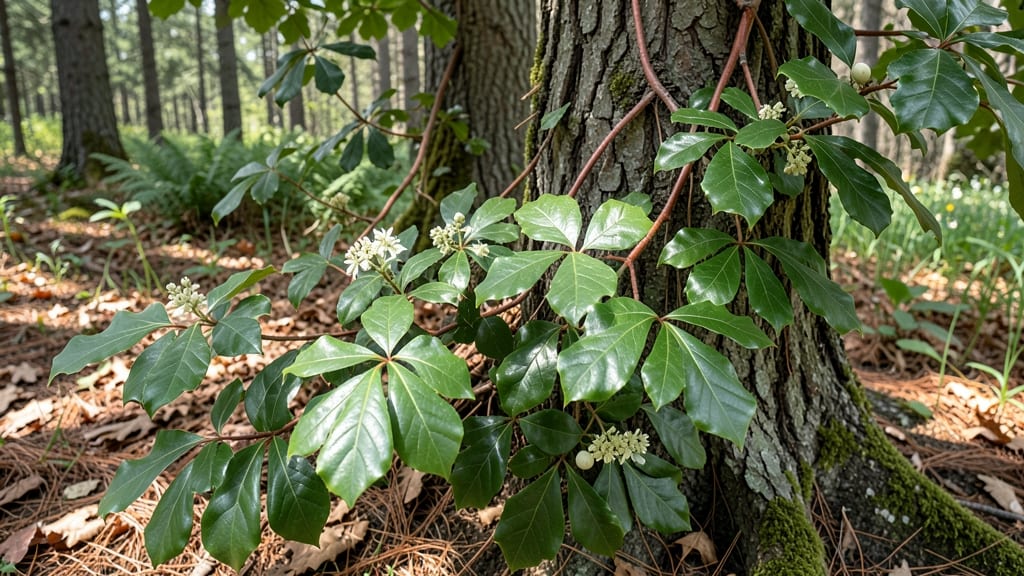
That 5-leaf poison oak vine sneaks in with a deceptive five-leaf look—🌿—and missing it means painful rashes. I've spent years learning to spot this invasive vine before it takes over my yard, and here's how to do the same without putting yourself at risk.
Poison oak thrives in disturbed soils and sunlight, so it's often the first plant to pop up after construction or wildfires.
The key to stopping it starts with identification: look for those glossy green leaves with pointed lobes (five per cluster), and remember—it grows as a vine, shrub, or small tree. That red or orange fall color is another dead giveaway.
Once you spot it, elimination is about timing and technique. Young vines pull easily by hand, but mature plants need careful cutting followed by vinegar or herbicide application. Always wear gloves, long sleeves, and wash thoroughly afterward—this plant's oils cause reactions in 85% of people.
Prevention is easier than treatment: maintain dense ground cover, remove nearby plants that provide support, and monitor areas where sunlight hits the soil. If you do get exposed, wash with soap and water immediately and apply over-the-counter hydrocortisone cream to reduce irritation.
How Toxic Reactions Begin
When you encounter a 5-leafed vine that turns your skin into an itchy, blistering mess, the blame lies with a sneaky chemical defense system. This plant’s irritation isn’t random—it’s a deliberate biological response.
Understanding the science behind it helps you avoid, recognize, and eliminate the threat before it takes over your yard or garden. Here’s why your skin reacts the way it does—and how to outsmart the plant.
The villain behind the itch is urushiol, a colorless, oily resin found in the sap, leaves, stems, and even roots of poison oak (including the infamous 5-leaf variety).
Urushiol is so potent that just 0.0001 ounces (0.003 grams)—about the amount you’d find on a fingertip—can trigger a reaction in sensitive individuals.
Here’s how it works:
- Direct Contact: When you brush against the plant, urushiol binds to your skin’s proteins, forming an antigen-antibody complex. Your immune system detects this as a foreign invader and launches an inflammatory response.
- Delayed Reaction: Symptoms (redness, swelling, blisters) typically appear 12–72 hours later because urushiol needs time to penetrate the skin’s outer layer. Some people react faster or slower depending on their immune sensitivity.
- Cross-Contamination: Urushiol can linger on tools, pets, clothing, or even your car for years. A single touch to a contaminated surface (like a lawnmower blade or hiking boots) can transfer the oil to your skin.
Pro Tip: 💡 Urushiol doesn’t cause the rash directly—it’s your immune system overreacting to it. That’s why some people get mild reactions while others develop severe blisters.
Poison oak (and its 5-leafed cousins) evolved urushiol as a natural pesticide. Here’s why:
🛡️ Defense Against Herbivores
Urushiol acts as a deterrent to animals that might munch on the plant. Deer, rabbits, and even insects avoid it because the chemical causes irritation or digestive upset.
For humans, the itch is a secondary effect—our skin reacts to the oil’s antimicrobial and antifungal properties, which the plant uses to fend off pathogens.
🌿 Survival in Competitive Environments
Poison oak thrives in disturbed soils (like forest edges or construction sites) where it competes with other plants. Urushiol may inhibit the growth of nearby vegetation by leaching into the soil or deterring seed dispersal by animals. Essentially, it’s a chemical weapon to dominate its ecosystem.
🔥 How Heat and Damage Trigger More Toxins
When poison oak is crushed, cut, or burned, it releases more urushiol into the air. This is why:
- Mechanical Damage: Breaking stems or leaves ruptures oil-containing cells, spraying urushiol onto your skin or clothing.
- Heat Activation: Fire or even sunlight can volatilize urushiol, turning it into a vapor that you can inhale. This causes throat irritation, coughing, or even lung inflammation in severe cases.
- Root Exposure: Digging near poison oak can expose roots, which contain high concentrations of urushiol. Disturbing them releases the oil into the soil, where it can contaminate tools or hands.
Warning: ⚠️ Never burn poison oak—it releases toxic fumes that can worsen respiratory issues. Always remove it safely with gloves and dispose of it properly.
Not everyone who touches poison oak breaks out in hives. Your reaction depends on three key factors:
1. 🧬 Genetic Sensitivity
About 60–70% of people are allergic to urushiol, but the severity varies. Your immune system’s response is partly hardwired:
- High Reactors: Produce more IgE antibodies (the same ones involved in allergies like peanut reactions), leading to rapid, severe blistering.
- Moderate Reactors: Experience redness and itching but fewer blisters.
- Low/Non-Reactors: May feel nothing or develop a mild rash after repeated exposure (a phenomenon called sensitization).
2. 🌡️ Skin Temperature and Moisture
Warmer, sweaty skin absorbs urushiol faster. That’s why:
- Exposure in hot weather or after exercise can double the risk of a severe reaction.
- Moisture (like sweat or rain) helps urushiol penetrate deeper into skin layers.
- Children often react more severely because their skin is thinner and more permeable.
3. 🔄 Prior Exposure History
Your body can become more sensitive over time. Here’s how:
- First Exposure: May cause a mild reaction as your immune system learns to recognize urushiol.
- Repeated Exposure: Can amplify the reaction due to sensitization—your immune system overreacts to even tiny amounts.
- Cross-Reactivity: Some people allergic to poison oak also react to mango skin, cashew shells, or lacquer tree sap because they contain similar oils.
Pro Tip: 🔥 If you’ve had poison oak before, assume you’re allergic—even if the reaction was mild. Always take precautions.
Now that you know why this plant causes chaos, the next step is learning how to identify it in your environment and eliminate it safely. Stay tuned for actionable removal strategies!
Eliminate and Prevent Poison Oak Spread
Once you’ve identified the pesky five-leafed vine creeping through your yard, garden, or hiking trails, it’s time to act fast. Poison oak thrives on neglect, so the key is a two-pronged approach: immediate removal and long-term prevention.
Below, we break down practical, step-by-step solutions tailored to the cause—whether it’s an infestation, accidental contact, or unwanted regrowth.
If poison oak has already taken root in your outdoor space, complete removal is critical to stop its spread. Here’s how to tackle it safely and effectively:
🌿 For Small Patches (Under 10 Square Feet)
- 🛡️ Gear Up First
- Wear long sleeves, thick gloves, and closed-toe shoes (or even a full-body coverall if possible).
- Use disposable coveralls or old clothes you won’t mind washing in hot water (poison oak oil clings to fabric!).
- Goggles protect your eyes from sap splashes.
- 🌱 Pull or Cut at the Base
- Young vines can be pulled by hand (wear gloves!), but older, woody stems may need pruners or a shovel.
- Cut as close to the ground as possible—even a small root fragment can regrow.
- Bag the clippings immediately in a thick plastic bag (not paper—it tears easily).
- 🔥 Dispose of Safely
- Do NOT compost the plant—poison oak can survive decomposition.
- Double-bag the debris and throw it in the trash (or burn it if local laws allow).
- Wash tools (pruners, shovels) with soapy water to remove any lingering oil.
🌳 For Large Infestations (Over 10 Square Feet)
If poison oak has spread widely, manual removal alone won’t cut it. Try these chemical-free and chemical-based methods:
| Method | How to Do It | Best For | ⚠️ Caution |
|---|---|---|---|
| 🌱 Smothering | Cover the area with cardboard + mulch or black plastic for 6+ months to block sunlight. | Lawns, garden beds, non-traffic areas. | Takes time; may not work in windy areas. |
| 🔥 Solarization | Lay clear plastic sheeting over the area for 4-6 weeks in hot sun to bake roots. | Sunny, open spaces. | Requires dry, hot weather; not for slopes. |
| 💧 Vinegar Spray | Mix 1 gallon white vinegar + 1 cup dish soap + 1 oz horticultural oil. Spray directly on leaves (avoid desirable plants). | Small, isolated patches. | May kill nearby plants; repeat as needed. |
| 🌿 Herbicide (Last Resort) | Use a glyphosate-based herbicide (like Roundup) only on mature leaves (not new growth). Follow label instructions exactly. | Large, established infestations. | Avoid drift; keep pets/kids away until dry. |
💡 Pro Tip: If using herbicide, apply on a windless day and water nearby plants to protect them from overspray.
Accidental contact happens—here’s what to do if you (or your pet) get exposed:
🧴 Immediate First Aid
- 🚿 Wash with Soap & Water
- Use cold water and mild soap (like Dial or Tide) to remove the urushiol oil (the irritant).
- Scrub for 10+ minutes—even a tiny amount can cause a rash.
- 🧊 Cool the Skin
- Apply a
- Avoid hot water—it can worsen irritation.
- 💊 Over-the-Counter Relief
- Calamine lotion – Soothes itching.
- Oral antihistamines (Benadryl, Zyrtec) – Helps with severe itching (especially at night).
🚨 When to See a Doctor
Seek medical help if you experience:
- Facial swelling (especially around eyes/mouth)
- Blistering over large areas (more than 25% of body)
- Signs of infection (pus, fever, red streaks)
- Trouble breathing (rare, but possible in severe cases)
💡 Pro Tip: If you’re highly sensitive, keep calamine lotion and hydrocortisone cream in your car, hiking pack, and first-aid kit—you never know when you’ll need it!
An ounce of prevention is worth a pound of poison oak rash! Here’s how to keep it from coming back:
🌳 In Your Yard & Garden
✅ 🌿 Regular Inspections – Check for new vines every 2-4 weeks, especially in shady, moist areas. ✅ 🔪 Remove Weeds & Debris – Poison oak loves overgrown areas; keep your yard tidy. ✅ 🌱 Plant Competitors – Fast-growing ground covers (like clover or creeping thyme) can outcompete poison oak for space. ✅ 🚜 Use Mulch – A 3-4 inch layer of mulch (wood chips, gravel) blocks sunlight and prevents new growth.
🚶 On Hiking Trails & Outdoor Adventures
✅ 👟 Wear Protective Clothing – Long pants, sleeves, and closed shoes reduce exposure. ✅ 🧴 Carry Wash Supplies – A small bottle of soap and water can save you from a rash later. ✅ 🔍 Learn the "Leaves of Three" Rule – Memorize the rhyme**: "Leaves of three, let it be!" ✅ 🚿 Shower ASAP After Hiking – Urushiol oil can linger on skin for weeks—wash within 30 minutes to prevent a rash.
🏡 At Home & Work
✅ 🧹 Clean Tools & Surfaces – Wash gardening tools, lawnmowers, and pet paws after contact. ✅ 🧺 Wash Clothes Separately – Hot water + detergent kills urushiol oil on fabrics. ✅ 🐕 Check Pets – Dogs and cats can track poison oak oil indoors; wipe their paws after outdoor time.
Final Reminder: Poison oak is tenacious but beatable—stay vigilant, act fast, and don’t let it take over your space! 🌿💪
Frequently asked questions
How can I tell if a vine with 5 leaves is actually poison oak?
Look for three key clues: leaves of three (each leaflet has a pointed tip), reddish fall color, and white or grayish berries in clusters. The vine itself often has hairy stems and grows in clusters along the ground or up trees. Remember the rhyme: "Leaves of three, let it be!"
What should I do if I accidentally touch poison oak?
Wash the affected area with cold water and mild soap immediately for 10-15 minutes—this removes the urushiol oil. Apply hydrocortisone cream (1%) to reduce itching, and use calamine lotion for relief. If you develop blisters or facial swelling, seek medical attention.
Can pets get poison oak rashes too?
Yes! Dogs and cats can develop rashes from urushiol oil, though they typically experience itching or hair loss rather than blisters. Wipe their paws and fur with a damp cloth and pet-safe soap after outdoor time, and wash their bedding in hot water if they've been exposed.
Is it safe to burn poison oak?
Never burn poison oak—inhaling the smoke can cause severe respiratory irritation and worsen allergies. Instead, remove it by hand (with gloves) or use vinegar spray or herbicide as directed. Double-bag the debris and dispose of it in the trash.
How long does urushiol oil stay active on tools or clothing?
Urushiol can remain potent on tools, clothing, or surfaces for years if not properly cleaned. Wash fabrics in hot water with detergent, and soak tools in soapy water for 10+ minutes. For contaminated surfaces, use rubbing alcohol or bleach solution (1:10 ratio).