
Shrubs
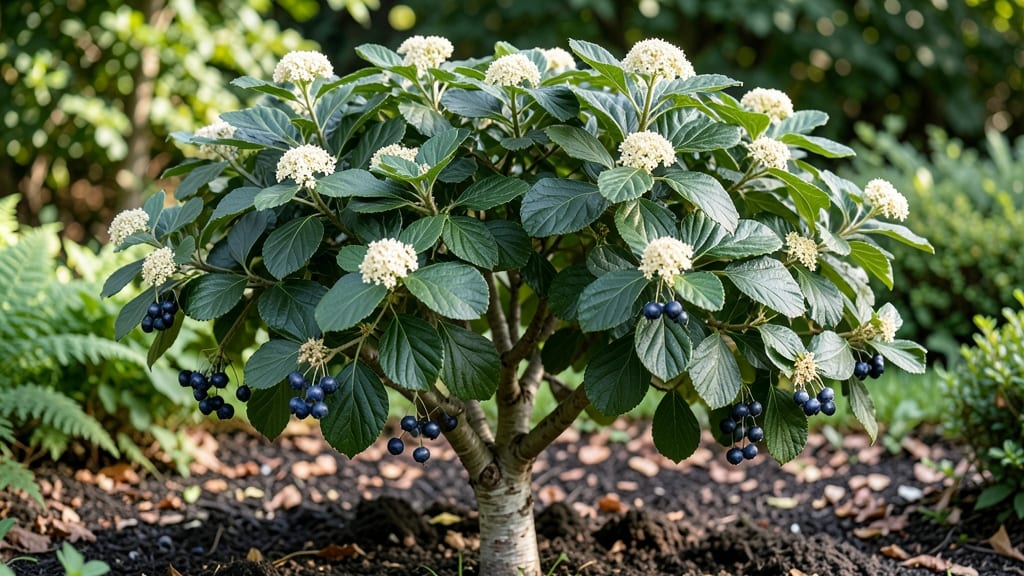
Growing Allegheny leatherleaf viburnum transforms your yard into a four-season showpiece with minimal effort. 🌿 This cold-hardy shrub thrives where others falter, offering glossy foliage that turns fiery red in fall and persists through winter—no other viburnum delivers this kind of drama.
The secret lies in its adaptability: it handles partial shade, rocky soil, and temperatures down to -40°F. Unlike fussy shrubs, it doesn’t demand perfect conditions—just a spot with decent drainage and morning sun. Even my neglected corner of the garden produces lush growth here.
What you’ll end up with is a sturdy, wildlife-friendly shrub that feeds birds, shelters pollinators, and stays stunning even when other plants have given up. The berries might not be showy, but they’re a reliable food source for migrating birds. Perfect for foundations, woodland edges, or mixed borders.
Here’s how to get it growing strong in your landscape—without the fuss.
📚 In This Guide
- What you need
- Instructions
- Tips and common mistakes
- Wrapping up and next steps
What you need
- ● Allegheny Leatherleaf Viburnum plants: 1-3 nursery-grown plants (3-5 ft tall, containerized or bare-root) for mature size and impact.
- ● Pro tip: 💡 Choose #1 or #2 grade (vibrant foliage, no pests) for the best start!
- ● Soil amendments: 5-10 lbs compost or well-aged manure per planting hole (improves drainage and fertility).
- ● 2-3 lbs organic mulch (e.g., shredded bark or pine straw) to retain moisture.
- ○ Fertilizer: 1 lb balanced slow-release fertilizer (10-10-10 or 20-20-20) per plant (optional but recommended for first year).
- ● Digging tools: 1 shovel or spade (for planting holes, 18-24" wide/deep).
- ● 1 garden trowel (for delicate root adjustments).
- ● Watering supplies: 1 hose with adjustable nozzle or watering can (5-gallon capacity).
- ○ 1 soaker hose (optional, for deep watering).
- ● Pruning tools: 1 pruning shears (bypass type, sterilized with rubbing alcohol).
- ● 1 loppers (for larger branches, if needed).
- ● Safety gear: 1 pair gardening gloves (nitrile-coated for grip).
- ○ 1 knee pads (optional, for comfort during planting).
- ● Site selection: Full sun to partial shade (6+ hours of sunlight daily for best foliage color).
- ● Well-draining soil (tolerates pH 5.0–7.0; amend clay soil with sand or peat moss).
- ● Climate readiness: USDA Hardiness Zones 4–8 (cold-hardy to -30°F).
- ● Pro tip: ✨ In Zone 3, plant in a sheltered microclimate or use winter mulch!
- ● Timing: Plant in early spring or fall (avoid extreme heat or frost).
Step-by-step guide to planting Allegheny leatherleaf viburnum
This cold-hardy beauty thrives with minimal fuss once you get the basics right.
🌱 Step 1: Choose the Perfect Planting Location
Allegheny leatherleaf viburnum loves partial shade to full sun—think 4-6 hours of morning sun with afternoon shade in hotter climates. The key is protecting those stunning leaves from harsh afternoon rays that can scorch them. I always scout the spot first, watching how sunlight moves across the area throughout the day.
This shrub handles USDA zones 3-8, making it one of the hardiest viburnums around. If your winters dip below -20°F, plant it where it gets some winter protection from wind or nearby structures. The roots appreciate well-draining soil—if your yard has heavy clay, amend with compost before planting.
🪴 Step 2: Dig and Prepare the Planting Hole
Dig a hole twice as wide as the root ball but only as deep—planting too deep can suffocate the roots. The top of the root ball should sit 1-2 inches above ground level after backfilling. I like to loosen the sides of the hole with my hands or a trowel to encourage root spread.
Mix the native soil you removed with compost or peat moss (about 20% organic matter) to improve drainage and fertility. This shrub isn’t fussy about soil pH but grows best in slightly acidic to neutral soil (pH 5.0-7.0). If your soil is heavy clay, add a handful of perlite or coarse sand to the mix for better aeration.
☀️ Step 3: Plant and Water Thoroughly
Gently remove the viburnum from its container and tease apart any circled roots at the bottom—this encourages outward growth instead of root-bound stress. Place it in the hole so the root flare (where roots meet stem) is visible above the soil line. Backfill with your amended soil mixture, pressing lightly to eliminate air pockets.
Water deeply right after planting—about 1-2 gallons for a 1-gallon container plant—to settle the soil and eliminate air gaps. Mulch around the base with 2-3 inches of organic mulch (like shredded bark), keeping it 3-4 inches away from the stem to prevent rot. The mulch helps retain moisture and regulates soil temperature.
💧 Step 4: Establish and Maintain for Long-Term Growth
For the first 2-3 weeks, water every 2-3 days until the plant shows new growth—that’s your signal the roots have settled in. After that, water deeply once a week, adjusting for rain. This shrub is drought-tolerant once established, but young plants need consistent moisture to thrive.
Fertilize lightly in early spring with a balanced 10-10-10 or slow-release fertilizer—too much nitrogen can reduce the viburnum’s natural cold hardiness. Prune in late winter or early spring before new growth appears, removing any dead or crossing branches. The leatherleaf’s foliage is its star, so avoid heavy pruning that could reduce its dramatic effect.
Tips & tricks for perfect Allegheny leatherleaf viburnum planting
Here's what I've learned after planting these stunning shrubs in my own yard—and what nobody tells you about getting them right.
Location Strategy: When scouting your spot, observe sunlight patterns for a full week. Morning sun is ideal because it warms the leaves gradually, while harsh afternoon rays can scorch the delicate foliage. I've found that spots near north-facing walls or under deciduous trees (which provide shade in summer) work beautifully. In hotter climates, even 3-4 hours of morning sun with afternoon shade can work—just watch for leaf burn during peak summer heat.
Root Ball Prep: The key to successful planting is handling that root ball with care. Before removing it from the container, gently squeeze the sides to loosen any circling roots—this prevents root-bound stress that can stunt growth. I like to soak the root ball in water for 10-15 minutes before planting to ensure it's fully hydrated. This helps the roots establish more quickly in their new home.
Soil Mixing: Don't skip the soil amendment step, especially if you have heavy clay. I've seen plants struggle when planted directly into unamended clay soil, even with proper drainage. For the 20% organic matter mix, I use equal parts compost and peat moss—this gives you both moisture retention and aeration. If your soil tests acidic (below pH 5.0), add a handful of lime to adjust the pH before planting.
Watering Wisdom: That initial 1-2 gallons of water for a 1-gallon plant is crucial—it's not just about hydration, but also about settling the soil around the roots. I've learned to water slowly over 10-15 minutes to prevent runoff, especially in sandy soils. After watering, I like to create a small basin around the base to help retain moisture during the critical first 2-3 weeks.
Pro Tips for Allegheny Leatherleaf Viburnum
- Here's what I've learned after planting these stunning shrubs in my own yard—and what nobody tells you about getting them right.
- Location Strategy: When scouting your spot, observe sunlight patterns for a full week.
- Root Ball Prep: The key to successful planting is handling that root ball with care.
Frequently asked questions
Got questions about growing Allegheny leatherleaf viburnum? You’re not alone! Here are some of the most common queries—plus straightforward answers to help you cultivate this stunning, low-maintenance shrub with confidence.
Is Allegheny leatherleaf viburnum really cold-hardy?
This shrub thrives in USDA Zones 3–8, making it one of the toughest viburnums for winter. Its leathery leaves and sturdy branches handle frost, snow, and even late spring frosts without damage. Just plant it in full sun to partial shade for best cold resilience.
When is the best time to prune Allegheny leatherleaf viburnum?
Prune late winter or early spring (before new growth starts) to shape the shrub and remove dead wood. Avoid heavy pruning in fall—it can stimulate tender new growth that may frost. For light shaping, you can also prune after flowering (late spring) without harming blooms.
Are there pests or diseases I should watch for?
Allegheny leatherleaf viburnum is highly resistant to pests and diseases, but watch for aphids or scale insects in hot, dry spells. If spotted, hose them off or use insecticidal soap. Overwatering can lead to root rot, so ensure well-draining soil. Otherwise, this shrub is a low-fuss champion!
Can I grow Allegheny leatherleaf viburnum in containers?
While it’s not the ideal choice for containers (it grows 6–10 feet tall/wide), you can try it in a large pot (20+ gallons) with well-draining soil and winter protection (mulch + move to a sheltered spot). For best results, plant it in the ground where roots can spread freely.
Why aren’t my Allegheny leatherleaf viburnum flowers or berries showing up?
This shrub is dioecious, meaning male and female flowers grow on separate plants. For berries (fruits), you’ll need at least one male and one female plant nearby. Even then, berries may take 2–3 years to appear after planting. Patience pays off—focus on its showy foliage and winter interest first!
Wrapping up and next steps
Ready to transform your landscape with Allegheny Leatherleaf Viburnum? This cold-hardy, low-maintenance shrub delivers year-round drama—from fragrant spring blooms to fiery fall foliage and even winter interest. Whether you’re a seasoned gardener or just starting, its resilience and beauty make it a standout choice for any outdoor space.
Take the next step: visit your local nursery or order online to bring home your plant, then get ready to enjoy the easy-care rewards of this stunning perennial! 🌿✨