
Aphids
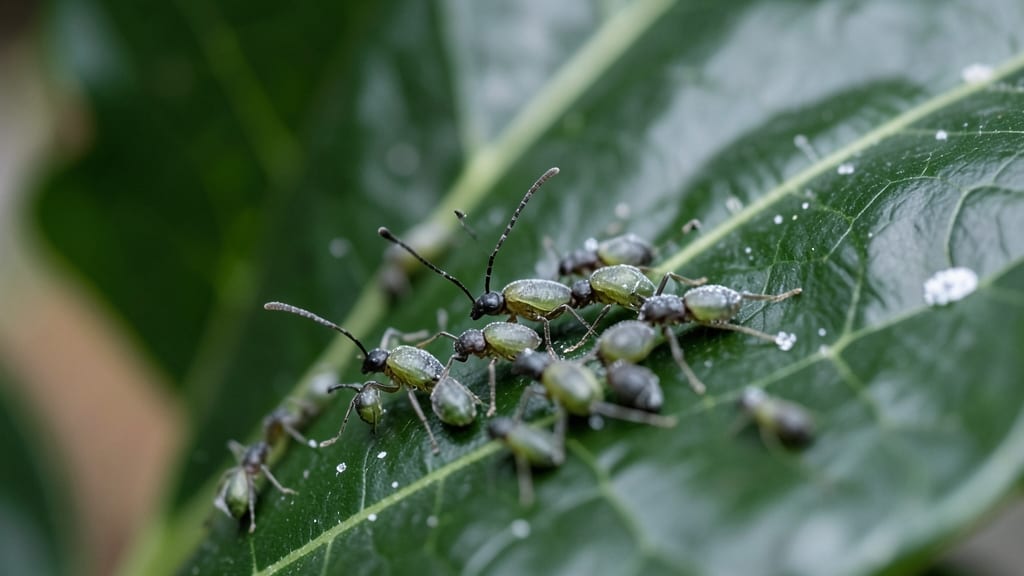
Aphids on fiddle leaf figs can turn your glossy leaves into sticky, curling messes faster than you'd think. 🌿 I've battled these sap-sucking pests on my own fiddle leaf fig, and I learned the hard way that waiting too long means watching your plant struggle—or worse.
The good news? A targeted organic spray can reverse the damage in just 24 hours if you catch it early.
These tiny green or black bugs cluster on new growth, leaving behind a sticky residue called honeydew that attracts mold. Most people reach for chemical sprays first, but those can harm your plant's delicate leaves.
Instead, I rely on a simple mix of neem oil and water that smothers aphids on contact while keeping your fiddle leaf fig safe. The secret is consistency—treat the plant every 3-4 days until the infestation disappears completely.
What you'll end up with is a fiddle leaf fig that looks healthier than ever, with no more sticky leaves or curled fronds. The best part? This method works for other houseplants too, so you can keep your entire collection pest-free without harsh chemicals.
Early action is key—don't wait until the aphids have taken over.
Once the pests are gone, focus on preventing future infestations by wiping leaves regularly and introducing beneficial insects like ladybugs. Your fiddle leaf fig will bounce back faster than you'd expect, and you'll avoid the heartbreak of losing a plant you love. Let's get those aphids under control for good.
Root Causes of Fiddle Leaf Fig Aphids
Aphids on your Fiddle Leaf Fig aren’t just a random nuisance—they’re a sign your plant is sending out distress signals. Understanding why these tiny sap-suckers invade helps you address the real issues and prevent future outbreaks.
Below, we break down the science-backed reasons these pests target your prized houseplant, along with actionable insights to tackle them at the source.
Aphids thrive where plants are weak, and Fiddle Leaf Figs are no exception. When your plant feels overwhelmed—whether from physical stress or poor growing conditions—it becomes an aphid buffet. Here’s why:
- Root-bound stress: If your plant’s roots are cramped in a pot that’s too small, it can’t absorb nutrients efficiently. This weakens its defenses, making it easier for aphids to latch on. Fiddle Leaf Figs grow fast, and their roots need space to breathe!
- Nutrient deficiencies: Lack of nitrogen, phosphorus, or potassium weakens the plant’s cell walls, making it easier for aphids to pierce and feed. Yellowing leaves or stunted growth? That’s your plant crying for help.
- Environmental shock: Sudden changes—like drafts, temperature swings, or inconsistent watering—stress the plant. Aphids detect these vulnerabilities and move in like vultures.
Actionable fix: Repot your Fiddle Leaf Fig into a slightly larger container with well-draining soil (like a mix of potting soil, perlite, and orchid bark). Fertilize with a balanced, water-soluble fertilizer (10-10-10) every 4-6 weeks during growing season.
Aphids are sap-sucking insects, and Fiddle Leaf Figs produce a sweet, nutrient-rich sap that’s irresistible to them. But why does your plant suddenly become aphid bait? The answer lies in its natural chemistry:
- High sugar content: When a plant is overwatered or exposed to too much sunlight, it produces more sugars to fuel photosynthesis. This excess sugar? It seeps into the sap, making it a magnet for aphids.
- Hormonal imbalances: Some plants release volatiles (chemical signals) when stressed, which can attract aphids. Think of it like a dinner bell ringing in their tiny brains.
- New growth attraction: Aphids love tender, new leaves because they’re packed with easily accessible nutrients. If your Fiddle Leaf Fig is producing lots of fresh growth (a sign of recovery or over-fertilization), aphids will swarm.
Actionable fix: Reduce overhead watering to avoid wetting leaves (which encourages sap production). If your plant is getting too much sun, move it to bright, indirect light. Prune new growth sparingly to limit aphid hotspots.
Aphids don’t just appear out of thin air—they hitch rides on unsuspecting carriers. Your Fiddle Leaf Fig might be an innocent bystander in this pest party. Here’s how they get there:
- New plants or soil: Aphids often hide in the folds of leaves, stems, or even in potting soil. If you recently repotted or introduced a new plant to the same area, you might’ve brought them along for the ride.
- Outdoor exposure: If your Fiddle Leaf Fig spends time outside (even on a balcony), aphids from nearby plants, flowers, or trees can jump ship and colonize your fig.
- Insect visitors: Ants, ladybugs, and even bees can accidentally transport aphids. While some of these insects are beneficial, they’re not always pest-proof.
Actionable fix: Quarantine new plants for 2-4 weeks before introducing them to your collection. Inspect leaves and stems under running water or with a magnifying glass. If you bring plants indoors from outside, give them a soapy water bath (1 tsp mild dish soap per gallon of water) to rinse off stowaways.
Aphids are cold-blooded, meaning they rely on their environment to regulate their body temperature. Your home might be the perfect aphid spa without you realizing it:
- Warmth accelerates reproduction: Aphids reproduce asexually and can give birth to live nymphs every 7-10 days in ideal conditions (70–80°F). If your home stays consistently warm, their population explodes.
- High humidity encourages infestations: Aphids prefer 60-80% humidity. If your bathroom or kitchen (common spots for houseplants) feels damp, you’re creating a breeding ground.
- Poor airflow: Stagnant air traps heat and moisture, slowing your plant’s ability to dry out. Aphids love lingering where their prey can’t defend itself.
Actionable fix: Use a small fan on low speed near your plant to improve airflow without stressing it. Keep humidity between 40-60% with a hygrometer and adjust with a dehumidifier or pebble tray if needed. Avoid placing your Fiddle Leaf Fig near heat sources like vents or radiators.
Pro tip: 💡 Fiddle Leaf Figs are tropical plants, but that doesn’t mean they need a jungle. Mimic their natural understory habitat—bright, indirect light, moderate warmth, and consistent (not soggy) moisture. When you balance these factors, you’ll starve out aphids before they even show up!
How to Fix It Fast
Tiny but tenacious, aphids on your fiddle leaf fig can feel like a never-ending battle—but don’t worry! With the right approach, you can banish them in 24 hours or less using natural, plant-safe solutions.
Below, we break down the most common causes of aphid infestations and pair them with easy, effective fixes—plus prevention tips to keep your fiddle leaf fig thriving.
Aphids love stressed plants, especially those with soft new growth. If your fiddle leaf fig is overcrowded, root-bound, or nutrient-deficient, it becomes an all-you-can-eat buffet for these pests.
🍳 How to Fix It
- Isolate the Plant 🛡️
- Move your fiddle leaf fig away from other houseplants to prevent aphids from spreading. Aphids multiply fast—quarantine is key!
- Prune Infested Leaves ✂️
- Snip off heavily infested leaves (especially new growth) and dispose of them in a sealed bag (not the compost!). This removes the aphid population fast.
- Boost Plant Health 🌱
- Fertilize lightly with a balanced liquid fertilizer (like 10-10-10) to strengthen your plant’s defenses.
- Repot if root-bound—aphids thrive on weak roots. Choose a slightly larger pot with fresh, well-draining soil.
- Increase Airflow 💨
- Aphids hate good circulation. Place a small fan nearby (on low) to deter them.
Aphids excrete honeydew, a sticky residue that attracts sooty mold—a black fungus that blocks sunlight and weakens your plant.
🥘 How to Fix It
- Clean Leaves Gently 🧼
- Wipe down leaves with a damp microfiber cloth to remove honeydew. Avoid harsh soaps—they can damage leaves.
- Apply Neem Oil Spray 🌿
- Mix 1 tsp neem oil + 1 tsp mild dish soap + 1 quart water in a spray bottle.
- Spray thoroughly (top and bottom of leaves) every 3-4 days until aphids vanish.
- Pro Tip: 💡 Test on one leaf first—some fiddle leaf figs are sensitive to oils.
- Introduce Beneficial Insects 🐞
- Ladybugs, lacewings, or parasitic wasps (like Aphidius colemani) devour aphids naturally. Buy them online or from garden centers.
Aphids hitchhike on new plants, outdoor cuttings, or even drafts from open windows. If you’ve recently brought a new plant home or moved your fiddle leaf fig outside, aphids may have stowed away.
⏰ How to Fix It
- Quarantine New Plants 🏠
- Keep any new additions separate for 2-4 weeks before introducing them to your collection.
- Blast Aphids Off 💦
- Hold your fiddle leaf fig under a strong stream of water (like a shower) to knock aphids off. Repeat daily for 3 days to break their life cycle.
- Use Insecticidal Soap 🧴
- Spray homemade insecticidal soap (1 tbsp castile soap + 1 quart water) directly on aphids. Reapply every 2-3 days until gone.
- Seal Windows & Doors 🚪
- Prevent outdoor aphids from flying in by installing fine mesh screens or keeping windows closed during peak aphid season (spring/summer).
Once you’ve kicked aphids to the curb, keep them from returning with these long-term strategies:
✅ 🌿 Weekly Leaf Inspections – Check undersides of leaves (aphids love hiding there) with a magnifying glass.
✅ 💧 Water at the Base – Avoid overhead watering, which can attract aphids and spread honeydew.
✅ 🍃 Rotate Your Plant – Give your fiddle leaf fig equal sunlight exposure so no side gets too weak.
✅ 🌱 Strengthen with Compost Tea – Brew compost tea (steep compost in water for 24 hours) and water your plant with it monthly—it boosts natural pest resistance!
✅ 🐝 Encourage Predators – If you have other plants, plant basil, marigolds, or dill nearby—they attract aphid-eating insects.
Final Thought: Aphids may be pesky, but with quick action and prevention, your fiddle leaf fig can bounce back stronger than ever! 🚀 Start with neem oil or insecticidal soap, prune the worst-hit leaves, and keep your plant happy—soon, you’ll forget they were ever there.
Frequently asked questions
How do I know if my fiddle leaf fig has aphids?
Look for tiny green, black, or brown bugs clustered on new growth or leaf undersides. You’ll also spot sticky honeydew residue on leaves or a white, powdery substance (sooty mold) that appears when aphids excrete too much sap. Check leaf joints and stems first—they’re favorite hiding spots.
Can I use vinegar to kill aphids on my fiddle leaf fig?
While vinegar can help, it’s not the best solution for fiddle leaf figs. A mix of 1 part white vinegar to 3 parts water may kill some aphids, but it can also damage delicate leaves. Instead, use neem oil or insecticidal soap—they’re gentler and just as effective when applied properly.
How often should I spray neem oil on my fiddle leaf fig?
Spray your fiddle leaf fig with neem oil every 3-4 days until the aphids disappear. After that, a monthly application helps prevent future infestations. Always spray in the early morning or evening to avoid leaf burn from sunlight, and cover the soil to protect beneficial microbes.
Will my fiddle leaf fig recover if I remove all the aphids?
Yes, but recovery depends on how long the infestation lasted. If you catch aphids early, your plant will bounce back quickly. However, if the infestation was severe, you may need to prune damaged leaves and boost plant health with fertilizer or compost tea. Keep an eye on new growth—it’s the most vulnerable to future attacks.
Can I use coffee grounds to prevent aphids on my fiddle leaf fig?
Coffee grounds can help deter some pests, but they’re not a reliable aphid solution. While they may repel ants (which sometimes farm aphids), they won’t kill aphids directly. For best results, combine coffee grounds with neem oil or insecticidal soap—sprinkle grounds around the base of your plant and spray the leaves as usual.