
Leaf Blower
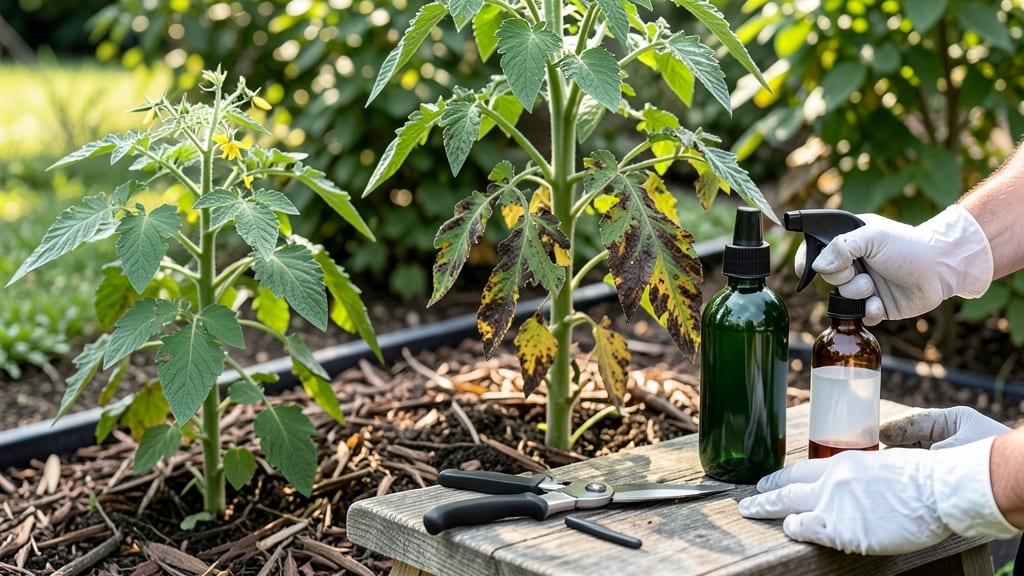
When those ugly brown spots appear on leaves, the bacterial leaf spot cure is your fastest weapon. 🌱 I’ve seen bacterial leaf spot turn lush foliage into a sad, crunchy mess—until I discovered this foolproof copper protocol that stops the spread in its tracks.
The key? Acting within 48 hours of spotting those first water-soaked lesions before they multiply.
This isn’t just about spraying copper—it’s about timing, coverage, and following up. Most gardeners miss the 3-day window between spotting symptoms and full infection, which is why I track weather forecasts and spray right after rain (when bacteria spreads fastest).
The right mix of copper fungicide, water, and a few extra tricks keeps plants fighting back instead of surrendering to the disease.
By day 7, you’ll see new growth pushing through, free of those telltale spots. The leaves stay vibrant green, the plant regains its vigor, and you avoid the heartbreak of losing entire bushes or crops. It’s not magic—it’s science-backed, fast-acting intervention that works for tomatoes, peppers, and even ornamentals.
Here’s the twist: copper spray works best when paired with preventive care—like pruning for airflow and removing infected leaves immediately. Together, they create a disease-proof shield for your garden. Let’s get those plants back to thriving in no time.
Root Causes Of Leaf Damage
Bacterial leaf spot isn’t just a random misfortune—it’s the result of specific conditions that create the perfect storm for pathogens like Xanthomonas, Pseudomonas, or Erwinia to thrive.
Understanding these triggers is the first step to stopping the spread and reviving your plants. Let’s break down the key culprits behind this destructive disease.
Waterlogged soil is a bacterial pathogen’s dream. When roots sit in soggy conditions, they weaken, making plants more susceptible to infections. Here’s why it’s a problem:
- Stagnant water creates a humid microclimate on leaves, giving bacteria a moist, nutrient-rich surface to colonize.
- Fungal allies: Overwatering often invites fungal partners (like Botrytis) that soften leaf tissue, making it easier for bacteria to invade.
- Root stress: Oxygen deprivation forces roots to "drown," reducing the plant’s ability to fight off pathogens.
Actionable fix: Ensure pots have drainage holes, use well-amended soil (add perlite or sand), and water only when the top 1–2 inches of soil are dry. Pro tip: 💡 Drip irrigation (instead of overhead watering) keeps foliage dry and reduces splash dispersal of bacteria.
Any damage—whether from hail, insects, or even pruning—creates open doors for bacteria. Here’s how it happens:
- Broken skin = entry points: Bacteria like Xanthomonas campestris seep through cuts, multiplying in the damaged cells.
- Sap oozing: Injured plants release sugars and nutrients that bacteria feast on, accelerating infection.
- Wind or hail: Physical trauma can tear leaves, creating hundreds of potential infection sites overnight.
Actionable fix: Avoid pruning during wet weather, and use sterilized tools (70% isopropyl alcohol) to prevent cross-contamination. For insect damage, introduce beneficial predators (like ladybugs) to reduce chewing pests. Pro tip: 🌡️ Heat therapy—briefly soaking cuttings in warm (110°F) water can kill surface bacteria before planting.
Bacteria don’t just appear—they thrive in specific conditions. The "sweet spot" for leaf spot pathogens is:
| Factor | Optimal Range | Why It Matters |
|---|---|---|
| Temperature | 60–85°F (15–30°C) | Cooler temps slow growth, but warm, humid days (70–80°F) are prime breeding grounds. |
| Humidity | 80%+ | High humidity delays leaf drying, keeping bacteria hydrated and active. |
| Rainfall | Frequent light showers | Splashing water spreads bacteria from soil to leaves (like a natural aerosol spray). |
Actionable fix: Monitor weather forecasts and prune during dry mornings to minimize bacterial spread. Use row covers in rainy seasons to shield plants. Pro tip: ✨ Copper-based fungicides (like copper sulfate) disrupt bacterial cell walls—apply preventatively before humidity spikes.
Bacteria are sneaky hitchhikers. They lurk on:
- Pruners and shears: Even a single use on an infected plant can transfer bacteria to healthy ones.
- Infested soil: Old plant debris or compost with bacterial residues can reinfect new growth.
- Water sources: Contaminated irrigation water or rain barrels can spread pathogens.
Actionable fix: Sterilize tools between uses (bleach solution or rubbing alcohol). For soil, solarize beds in summer (cover with clear plastic for 4–6 weeks to bake out pathogens). Pro tip: 🎯 Test your water—if you suspect contamination, use filtered or rainwater for sensitive plants.
By addressing these root causes, you’re not just treating symptoms—you’re cutting off the bacteria’s lifeline. Next, we’ll dive into preventative strategies to keep your plants resilient against future outbreaks.
Quick Fixes for Bacterial Leaf Spot
Bacterial leaf spot can feel like a nightmare for gardeners, but the good news is that with the right approach, you can stop the spread, revive your plants, and prevent future outbreaks.
Below are practical, step-by-step solutions tailored to the most common causes—so you can take action today and keep your garden thriving.
Fix: Improve airflow and adjust your watering habits to break the bacterial cycle.
- 🌱 Step 1: Prune Infected Leaves 🔪 Use sterilized pruners (wipe with rubbing alcohol) to remove all spotted or yellowing leaves. Drop them in a sealed bag—do not compost them (they can reinfect soil).
- 💧 Step 2: Adjust Watering Practices 🌧️
- Water early in the morning (before 10 AM) to allow foliage to dry quickly.
- Water at the base (not overhead) to avoid splashing bacteria onto leaves.
- Ensure pots or garden beds have proper drainage—add perlite or sand if soil is too dense.
- 🌬️ Step 3: Boost Air Circulation 🌿 Thin out crowded plants, space them wider, or use a small fan on low settings near susceptible plants (like tomatoes or peppers) to keep leaves dry.
💡 Pro Tip: Mulch with straw or wood chips (not fresh grass clippings) to reduce soil splashing onto leaves.
Fix: Use copper-based sprays (the gold standard for bacterial leaf spot) and organic reinforcements.
- 🛡️ Step 1: Apply Copper Fungicide 🍄 Mix 1 tbsp copper sulfate (or a pre-mixed copper fungicide like Bordeaux mixture) in 1 gallon of water.
Spray thoroughly (including undersides of leaves) every 7–10 days until symptoms disappear. ⚠️ Warning: Avoid spraying in direct sunlight or when rain is forecasted within 24 hours.
- 🌿 Step 2: Strengthen Plant Immunity 💪
- Neem oil spray (1 tsp neem oil + 1 tsp mild soap per quart of water) – repeat weekly.
- Baking soda solution (1 tbsp baking soda + 1 tsp oil + 1 gallon water) – great for mild cases (test on a small leaf first).
- 🚫 Step 3: Quarantine Affected Plants 🏥 Move infected plants at least 3 feet away from healthy ones until fully recovered. Do not reuse containers without sterilizing (bleach solution: 1 part bleach to 9 parts water).
🔥 Pro Tip: Rotate treatments to prevent resistance—alternate copper with neem or hydrogen peroxide (3% solution, spray lightly).
Fix: Eliminate pests and disrupt their life cycle.
- 🐜 Step 1: Blast Off Pests with Soap Spray 🚿 Mix 1 tbsp castile soap + 1 quart water in a spray bottle. Target undersides of leaves where pests hide. Reapply every 3–4 days.
- 🐝 Step 2: Introduce Beneficial Insects 🐞 Release ladybugs, lacewings, or parasitic wasps (available at garden centers) to naturally control pests.
- 🌿 Step 3: Use Physical Barriers 🛡️ Cover young plants with floating row covers to block pests before they infest.
✨ Pro Tip: Diatomaceous earth (food-grade) can be dusted lightly on soil around plants—it dehydrates pests but is safe for plants.
Fix: Revive plants with hydration, shade, and stress relief.
- 💧 Step 1: Deep Water & Mulch 🌱 Water slowly and deeply (1–2 inches per week) to encourage root growth. Add 2–3 inches of mulch to retain moisture.
- ☀️ Step 2: Provide Afternoon Shade 🌳 Use shade cloth (30–50%) or temporary shade structures to protect plants from midday sun stress.
- 🍃 Step 3: Fertilize Gently 🌿 Use a balanced, organic fertilizer (like fish emulsion or compost tea) to rebuild strength—avoid high-nitrogen if fungal issues persist.
🌡️ Pro Tip: Mist leaves lightly in extreme heat (early morning only) to prevent sun scorch while keeping foliage dry enough to avoid bacterial spread.
Once your plants are back in fighting shape, lock in long-term protection with these habits:
| Action | How to Do It | Frequency |
|---|---|---|
| Rotate crops | Move plant families to new spots yearly. | Every 2–3 years |
| Sterilize tools | Wipe pruners with rubbing alcohol. | After each use |
| Test soil pH | Aim for 6.0–7.0 (use lime or sulfur). | Once a year |
| Choose resistant varieties | Pick bacterial-spot-resistant tomatoes/peppers (e.g., 'Celebrity' tomato). | When planting |
| Clean up debris | Remove fallen leaves weekly. | Ongoing |
Final Reminder: Consistency is key—bacterial leaf spot won’t vanish overnight, but with these steps, you’ll see noticeable improvement in 2–4 weeks. Stay vigilant, and your garden will bounce back stronger! 🌱💚
Frequently asked questions
Can I still save my plants if the spots have already turned black and crispy?
Unfortunately, once leaves turn completely black and crispy, they’re past saving—but the plant itself may still recover. Remove all dead leaves immediately (don’t compost them!) and focus on treating healthy foliage with copper spray. The key is stopping further spread to prevent the disease from moving to new growth.
How often should I apply copper spray to prevent bacterial leaf spot?
For prevention, apply copper fungicide every 7–10 days during humid growing seasons or after heavy rain. If you spot early symptoms, switch to weekly applications until the threat passes. Always follow label instructions—overuse can harm plants or beneficial insects.
Will baking soda really work for bacterial leaf spot?
Yes, but only for very mild cases! Mix 1 tbsp baking soda + 1 tsp oil + 1 gallon water (add a drop of mild soap as a spreader). It helps by raising leaf pH, making it harder for bacteria to thrive. Test on a small leaf first—some plants (like tomatoes) tolerate it well, while others may develop leaf burn.
Can I reuse containers or soil where infected plants grew?
No—both containers and soil can harbor bacteria. Sterilize pots by soaking in a 1:9 bleach-water solution for 10 minutes, then rinsing thoroughly. For garden beds, solarize the soil by covering with clear plastic for 4–6 weeks during hot weather to kill pathogens. Fresh potting mix is safest for replanting.
Why does bacterial leaf spot keep coming back even after treatment?
This usually means one of three things: 1) You’re not removing infected leaves fast enough (bacteria spreads through splashing water), 2) Your plants are stressed (check watering/drainage), or 3) The bacteria has built up in your soil or tools. Rotate treatments (copper + neem + baking soda) and sterilize everything between uses.