
Leaf Blower
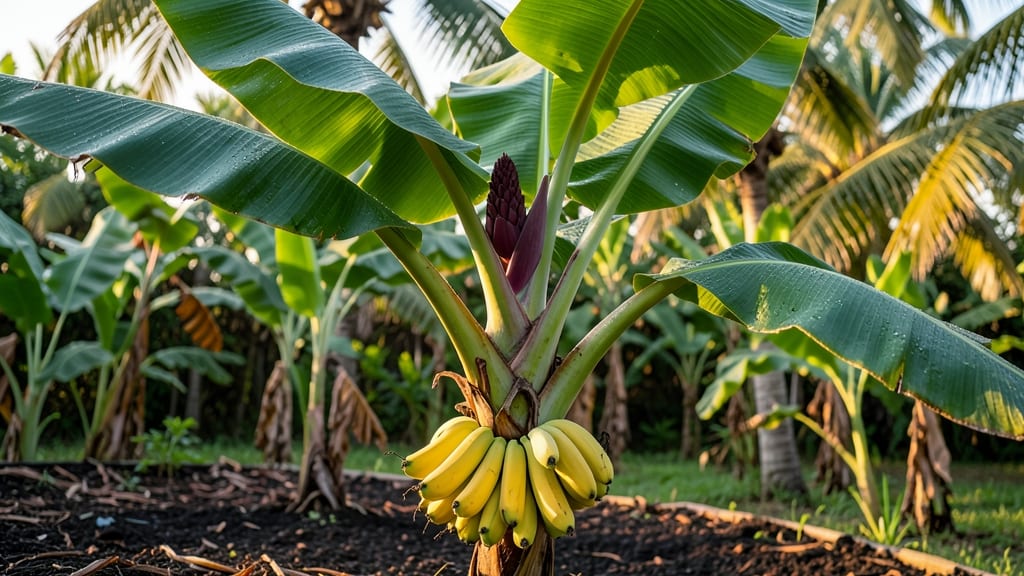
Banana leaf fruit—or the edible pseudostem—is the starchy, nutty base of the banana plant, harvested young for its tender texture and mild, earthy flavor. Remove the outer layers carefully, then slice or steam before storing properly to keep it fresh and prevent spoilage.
This unique part of the banana plant—often overlooked—actually serves as a versatile ingredient in many tropical cuisines. 🌱 The pseudostem's starchy consistency makes it perfect for soups, stews, or even fermented dishes like peke, a traditional Indonesian staple.
When stored in a cool, dry place or frozen, it maintains its texture for weeks, though some chefs recommend fermenting for deeper flavor development.
The key to using it lies in timing: harvest when the pseudostem is still firm but yielding to pressure, as mature specimens become fibrous and less palatable.
What sets banana leaf fruit apart is its ability to absorb flavors beautifully while contributing a subtle nutty undertone. Many cultures use it as a thickener in curries or as a side dish, similar to how you'd use potatoes or yams.
The preparation process—whether boiling, frying, or fermenting—directly impacts its final texture and taste, so experimenting with different methods can unlock new culinary possibilities.
💡 In This Article
- How to Identify and Harvest Edible Banana Leaf Fruit
- Best Culinary Uses and Storage Tips for Banana Leaf Fruit
Best culinary uses and storage tips for banana leaf fruit
The banana leaf fruit's mild, nutty flavor and starchy texture make it a blank canvas for diverse culinary applications. In tropical cuisines, it's often boiled or steamed until tender—similar to how you'd prepare potatoes—before being incorporated into soups, stews, or curries.
For example, in Filipino cuisine, it's used in sinigang, a sour tamarind-based soup where the pseudostem absorbs the broth's tangy flavors while maintaining its firm bite. 🌟 The key is to cook it just until fork-tender, as overcooking turns it mushy and loses its natural structure.
Frying is another popular method, especially in Southeast Asia, where slices are pan-fried in coconut oil until golden brown, creating a crispy exterior with a soft, fluffy interior. This technique transforms the pseudostem into a satisfying side dish, much like fried plantains but with a more substantial texture.
For fermented applications, like Indonesia's peke, the pseudostem is sliced and left to ferment for days, developing a tangy, probiotic-rich flavor comparable to sauerkraut but with a creamier consistency. Fermentation also enhances its nutritional profile, increasing digestibility and preserving it for months.
Storage is critical to maintaining quality. Fresh pseudostems should be kept in a cool, dry place (around 50-55°F) for up to 5-7 days, wrapped in a damp cloth to retain moisture.
For longer preservation, freezing works well—slice and blanch the pseudostem for 3-5 minutes before freezing in airtight containers, which extends shelf life to 6-8 months without significant texture loss.
Drying is another option, especially in regions where fresh pseudostems are scarce; thinly sliced pieces can be dehydrated at 135°F for 6-8 hours, turning them into a shelf-stable ingredient for later use in stews or ground into flour.
What most people don't realize is how the pseudostem's preparation method drastically alters its final texture. Raw slices release a mild, slightly sweet aroma and a firm, almost waxy bite, while cooked versions become velvety and absorb flavors like a sponge.
For instance, when used as a thickener in curries, it breaks down into fine strands, mimicking the mouthfeel of mashed potatoes but with a more complex flavor profile. This versatility makes it a staple in resourceful kitchens, where it stretches meals and adds depth to dishes with minimal effort. ✨
When experimenting with banana leaf fruit, start with simple preparations—like boiling or steaming—to understand its baseline texture and flavor. Once comfortable, explore fermenting or frying to unlock its full potential.
The pseudostem's ability to mimic the role of potatoes, yams, or even meat substitutes in vegetarian dishes makes it a hidden gem for home cooks and chefs alike. Just remember: the fresher the pseudostem, the better the results, so prioritize harvesting and storage techniques that preserve its natural qualities.
For those new to this ingredient, a great starting point is to substitute banana leaf fruit in recipes calling for starchy vegetables.
For example, replace 1 cup of diced potatoes with 1 cup of sliced pseudostem in a curry or soup, adjusting cooking time by 5-10 minutes to account for its denser texture. The payoff? A dish with a unique, earthy depth that's hard to achieve with more common ingredients. 💫