
Pests and Diseases
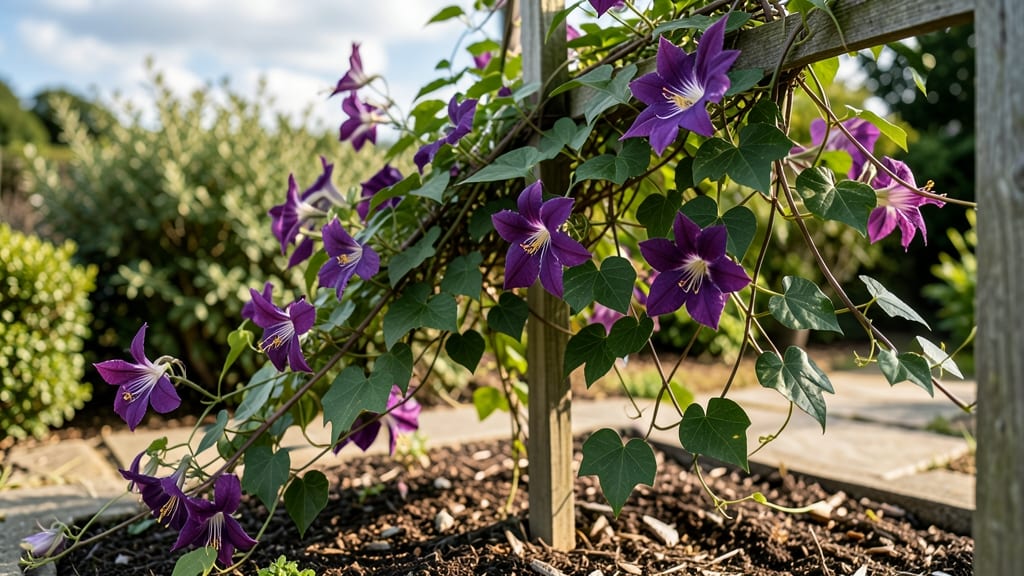
Growing big leaf vines transforms any space into a green oasis—just imagine the dramatic foliage reaching 15-20 feet in a single season. 🌿 I’ve learned that these vines thrive with the right balance of sunlight, soil, and pruning, and they reward you with lush, tropical-looking leaves year after year.
The key is understanding their growth habits, from fast-climbing varieties like the Cup-and-Saucer Vine to the delicate Clock Vine, which adds architectural interest without overwhelming your garden.
The real magic happens when you match their needs: morning sun and afternoon shade to prevent leaf scorch, well-draining soil rich in organic matter, and consistent watering that keeps roots moist but not soggy. Pruning isn’t just about keeping them in check—it’s about shaping them into living art.
A little strategic trimming in early spring encourages denser growth, while removing dead or overcrowded stems keeps them healthy and vibrant. Think of it like sculpting with leaves.
By summer, your vines will be a lush backdrop for flowers, a living trellis for climbing roses, or even a shade provider for patio seating.
The Clock Vine’s heart-shaped leaves and Cup-and-Saucer Vine’s unique foliage add texture and depth to any garden, while their fast growth makes them perfect for filling empty corners or covering unsightly fences. With the right care, you’ll have a verdant green curtain that lasts for years.
Whether you’re growing them for their ornamental value or practical use, these vines are low-maintenance once established. The biggest mistake? Letting them grow wild—without pruning, they can become unruly. But with a little attention, you’ll have a thriving, year-round green feature that’s both beautiful and functional. Ready to get started?
📚 In This Guide
- What you need
- Instructions
- Tips and common mistakes
- Wrapping up and next steps
What you need
- ● Big leaf vine plants: 3–5 healthy nursery-grown vines (choose disease-resistant varieties if possible).
- ● Containers or garden space: Containers: 10–15 gallon pots with drainage holes (1 per vine if growing indoors).
- ● Garden beds: Well-draining soil with partial shade (6+ hours of indirect light daily).
- ● Potting mix: 1–2 bags of high-quality, peat-based potting soil (or a blend with perlite for aeration).
- ● Support structure: Trellis, arbor, or sturdy stakes (6–10 ft tall, depending on vine maturity).
- ● Twine or soft plant ties (5–10 rolls) to secure vines as they grow.
- ● Fertilizer: Balanced liquid fertilizer (10-10-10 or 20-20-20, diluted to half-strength).
- ● Pruning tools: Bypass pruners (for clean cuts).
- ● Sharp garden shears (for trimming foliage).
- ● Mulch: Organic mulch (straw or shredded bark) to retain moisture and suppress weeds.
- ● Slow-release fertilizer tablets for containers.
- ● Plant growth regulator (if vines grow too aggressively).
- ● Pest control: Neem oil or insecticidal soap (for aphids/spider mites).
- ● Soil moisture meter (to monitor watering needs).
- ● Decorative pots or planters (for aesthetic appeal).
Instructions for cultivating big leaf vines: pruning for year-round foliage
Here's how to coax those bold, dramatic leaves into thriving year-round displays—no matter your climate.
🌿 Step 1: Select the Right Variety and Planting Site
Big leaf vines like Alocasia, Philodendron, or Monstera deliciosa thrive in bright, indirect light—think filtered sunlight near an east-facing window or beneath sheer curtains. Avoid harsh midday sun, which scorches those delicate leaves. I always test a spot by placing a leaf there for 24 hours—if it develops crispy edges, move the vine.
For outdoor growing, choose a sheltered location where temperatures stay between 65-80°F. These tropical beauties wilt in drafts or below 55°F. If you live in a cooler zone, grow them as annuals or overwinter indoors near a sunny window. The key is consistency—big leaf vines hate temperature swings.
☀️ Step 2: Provide Ideal Growing Conditions
Keep the soil evenly moist but never soggy—stick your finger 1 inch deep into the potting mix. If it feels dry, water thoroughly until excess drains from the bottom. I use room-temperature water to avoid shocking the roots, and I always water at the base to prevent fungal spots on those stunning leaves.
Humidity is non-negotiable. Aim for 60-70% humidity—mist the leaves daily or place the pot on a tray of pebbles with water beneath. You'll notice new growth emerging faster and fewer brown leaf tips when humidity is right. A simple hygrometer helps track levels, but watch for curled leaf edges as a sign it's too dry.
✂️ Step 3: Prune for Bushier Growth and Year-Round Health
Pruning isn't just about aesthetics—it's how you encourage those bold, large leaves to return season after season. Use sterilized pruning shears to trim back leggy stems by one-third in early spring. This redirects energy to lateral shoots, producing thicker foliage. Always cut just above a leaf node where new growth will sprout.
Remove any yellow or brown leaves immediately—they drain nutrients and attract pests. I also snip off any flower stalks that appear, even if they look pretty. Big leaf vines put all their energy into blooming, leaving the foliage sparse. Deadhead regularly to keep those leaves lush and vibrant.
🪴 Step 4: Fertilize and Repot for Continued Growth
Feed your vine every 4-6 weeks during spring and summer with a balanced liquid fertilizer (10-10-10 or 20-20-20). Dilute to half-strength to avoid burning roots—over-fertilizing causes salt buildup, which shows as crispy leaf edges. I flush the soil with water every 2-3 months to prevent buildup, especially if using slow-release granules.
Repot every 2-3 years or when roots circle the pot. Choose a container 2 inches wider than the current one, and refresh the potting mix with a well-draining, peat-based blend. The roots of big leaf vines are sensitive—never repot during active growth (spring/summer) unless absolutely necessary. Wait until early fall for a smoother transition.
⏰ Step 5: Overwinter for Next Season's Growth
As temperatures drop below 55°F, move your vine indoors to a bright, cool spot (60-65°F). Reduce watering to every 10-14 days, letting the top 2 inches of soil dry out between waterings. Prune back any dead or damaged foliage to prepare for dormancy, but leave healthy stems intact—they'll sprout fresh leaves in spring.
Watch for spider mites or mealybugs, which thrive in dry indoor air. Wipe leaves with a neem oil solution (1 tsp per quart of water) if you spot webbing or sticky residue. With proper care, your vine will reward you with bold new growth by late winter, ready to shine again.
Tips & tricks for cultivating big leaf vines
These pro strategies will help you transform your big leaf vines into year-round foliage stars—no matter your growing conditions.
Light Testing Secret: That 24-hour light test in Step 1 is your best friend. I've seen beginners skip this and end up with crispy-edged leaves after just a few hours of direct sun. Place a single leaf from your vine in the potential spot—if it develops brown, brittle edges within 24 hours, that location is too harsh. This simple test prevents weeks of frustration from sun damage.
Pruning Precision: When trimming back leggy stems by one-third in Step 3, always cut just above a leaf node—never at a joint. I learned this the hard way after pruning too low and losing potential growth points. Use sterilized shears to prevent disease transmission between cuts, and make clean, angled cuts to encourage faster healing. The goal is to stimulate bushier growth, not create entry points for pests.
Humidity Hacks: Maintaining 60-70% humidity can feel like a guessing game, but a few tricks help. Place your pot on a tray filled with pebbles and water (ensure the pot isn't sitting in water) to create natural humidity. For extra insurance, group your vines together—they'll create their own microclimate. I've seen brown leaf tips disappear completely within days of implementing this setup, especially in dry winter months.
Fertilizer Timing: That 4-6 week feeding schedule in Step 4 is perfect, but here's what nobody tells you: flush the soil with water after every third feeding to prevent salt buildup. I developed crispy leaf edges after ignoring this for too long—now I set a reminder every 2-3 months to give my vines a thorough water flush. This simple maintenance keeps your plants healthy and prevents nutrient toxicity that can stunt growth.
Pro Tips for Big Leaf Vines
- These pro strategies will help you transform your big leaf vines into year-round foliage stars—no matter your growing conditions.
- Light Testing Secret: That 24-hour light test in Step 1 is your best friend.
- Pruning Precision: When trimming back leggy stems by one-third in Step 3, always cut just above a leaf node—never at a joint.
Frequently asked questions
Got questions about keeping your big leaf vines thriving?
Here are answers to the most common ones—from pest concerns to pruning tips—so you can enjoy lush, healthy vines all year round.
How do I prevent pests like spider mites or aphids on big leaf vines?
Start with prevention: Spray vines with neem oil every 2-3 weeks during growing seasons. Encourage beneficial insects like ladybugs by planting companion flowers nearby. If infestations occur, use insecticidal soap (mix 1 tbsp per quart of water) and prune affected leaves immediately. Pro tip: Check undersides of leaves daily—early detection is key!
When is the best time to prune big leaf vines for maximum growth?
Prune in early spring (just as new growth begins) to shape the plant and remove dead stems. For year-round lushness, do light trims after flowering to redirect energy. Avoid heavy cuts in fall—this can stress the plant before winter. Timing tip: Never prune when frost is forecasted!
Can big leaf vines grow indoors? What do they need?
Yes! Place them near a south-facing window or under grow lights (12+ hours/day). Use well-draining pots with holes, and fertilize monthly with a balanced liquid fertilizer. Monitor humidity—mist leaves or use a pebble tray to mimic their tropical habitat. Watch out: Indoor vines grow slower; rotate pots occasionally for even light exposure.
What’s the difference between big leaf vines and Boston ferns? How to choose?
Big leaf vines (Tetrastigma voinierianum) thrive in warm climates and need support (trellises, arbors). Boston ferns (Nephrolepis exaltata) prefer shade, moisture, and humidity—ideal for hanging baskets indoors. Choose big leaf vines for outdoor vertical gardens** and ferns for indoor decor. Climate check: Big leaf vines tolerate heat; ferns wilt above 80°F.
Why are my big leaf vine leaves turning yellow? Is it a disease?
Yellowing leaves usually signal overwatering, nutrient deficiency, or fungal issues. First, check soil moisture—let the top 1-2 inches dry out between waterings. If spots appear, treat with copper fungicide. For yellowing edges, flush soil with water to remove excess salts. Quick fix: Boost iron with a foliar spray if leaves are pale yellow.
How fast do big leaf vines grow? Can I expect rapid coverage?
In ideal conditions (full sun, warm climate, regular watering), big leaf vines grow 1-2 feet per year. With proper pruning and support, they’ll cover trellises or fences in 2-3 seasons. For faster results, fertilize with a high-phosphorus blend (like 5-10-10) during spring and summer. Patience pays off: Rushing growth can lead to weak, leggy vines!
Wrapping up and next steps
Big leaf vines are a gardener’s dream—easy to grow, stunning year-round, and full of life—but mastering their care takes a little know-how. From choosing the right tools to tackling pests and pruning like a pro, you now have the secrets to keep your vines thriving. 🌿✨
Ready to transform your space? Start by putting your new skills into action—whether it’s snipping back overgrowth, treating early signs of pests, or simply enjoying the lush greenery you’ve cultivated. Your vine’s future is bright, and so is yours!