
Pests and Diseases
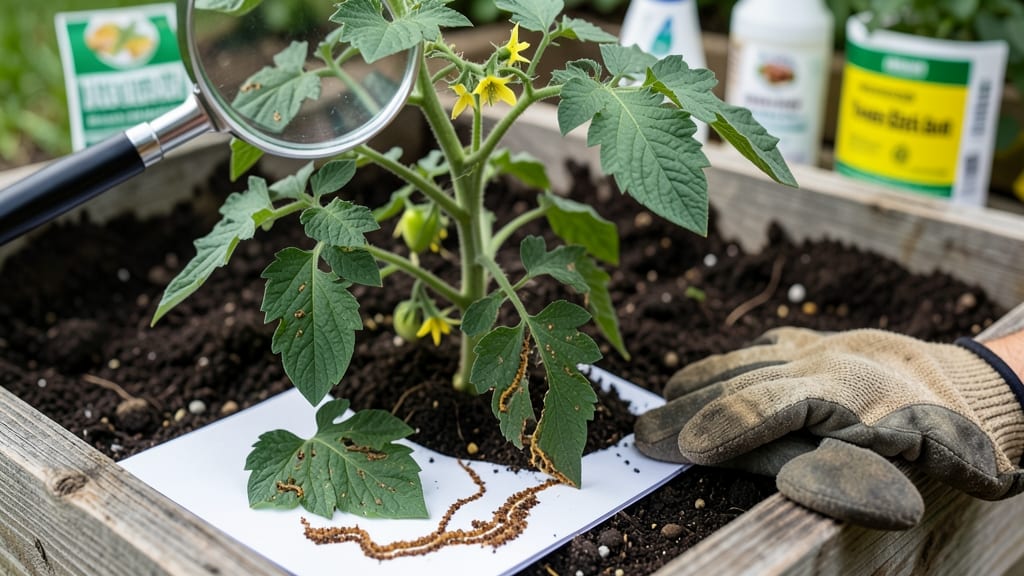
Your plants' leaves are turning into minefields—literally. 🌿 The blotch leaf miner turns vibrant foliage into a patchwork of serpentine mines and blotches, and copper spray is the fastest way to stop the damage before it spreads.
I've battled these pests in my vegetable garden, and the key is acting immediately when you spot the first signs: irregular brown blotches or tiny white larvae tunneling through leaves.
The good news? Copper spray disrupts their life cycle by creating an inhospitable environment for larvae, while also preventing fungal infections that often follow. You'll need a copper fungicide (like copper sulfate or copper hydroxide), water, and a sprayer—no fancy equipment required.
The protocol is simple: mix the copper solution, apply it thoroughly to both leaf surfaces, and repeat every 7-10 days until new growth appears free of mines.
Within 1-2 weeks, you'll see a dramatic improvement—fewer mines appearing, healthier foliage, and plants that bounce back from the damage. The copper doesn't just kill existing miners; it deters future infestations by making the leaves unappealing for egg-laying.
For severe cases, combine it with neem oil for extra protection, but copper alone works fast when used consistently.
This method works for tomatoes, peppers, eggplants, and brassicas—the most common hosts—and is safe for organic gardens when used as directed. The key to long-term control is early detection and preventive sprays before the pests get established.
Once you've mastered this protocol, you'll keep your plants looking lush and mine-free all season.
The Hidden Triggers Behind Leaf Damage
Blotch leaf miners aren’t just random pests—they thrive because of specific conditions that turn your plants into their perfect buffet. Understanding these triggers is the first step to stopping them before they wreak havoc.
Here’s why these tiny invaders show up when they do, and what you can do to disrupt their game plan.
The cycle starts with adult blotch leaf miner flies (often Phytomyza species), which lay their eggs on the undersides of leaves. These eggs hatch into larvae that burrow into the leaf tissue, creating the telltale blotches. Here’s how it breaks down:
- Timing matters: Most species time their egg-laying to coincide with warm, humid conditions—typically spring and early summer. A single female can lay 50–100 eggs in her lifetime, and they hatch in 3–7 days under ideal temps (60–80°F).
- Host plant preference: Larvae target soft, tender leaves of plants like tomatoes, peppers, brassicas, and herbs. They avoid woody or mature foliage, so young, vigorous growth is their favorite.
- The burrowing phase: Once hatched, larvae chew into the leaf mesophyll (the spongy layer between the upper and lower epidermis), creating serpentine mines. This disrupts photosynthesis and weakens the plant.
💡 Pro Tip: Check the undersides of leaves for tiny white eggs or black frass (fecal matter) near mines—this is your early warning sign!
Blotch leaf miners love warmth and moisture, which is why outbreaks spike during:
| Factor | Why It Helps Miners | Actionable Fix |
|---|---|---|
| Temperature (60–85°F) | Speeds up egg hatching and larval growth. Cooler temps (<50°F) slow them down. | Use row covers in early spring to delay fly activity. |
| High Humidity (>60%) | Keeps larvae hydrated and reduces plant stress, making leaves more vulnerable. | Improve air circulation with pruning or spacing plants apart. |
| Recent Rain or Overwatering | Softens leaves, making them easier for larvae to penetrate. Also attracts adult flies. | Water at the base (not overhead) and avoid soggy soil. |
⚠️ Warning: Greenhouses and shaded areas trap humidity, creating miner hotspots. Monitor these zones closely!
Healthy plants resist miners better because their tougher leaves deter egg-laying and larval survival. But when plants are stressed, miners move in like vultures. Common stressors include:
- Nutrient deficiencies: Lack of nitrogen (N) or potassium (K) weakens leaf structure, making them easier to mine. Yellowing or stunted growth = miner magnet.
- Overcrowding: Plants competing for light and space produce thin, weak leaves that miners adore.
- Disease or prior pest damage: If leaves already have holes (from aphids, mites, or fungal spots), miners home in faster.
- Transplant shock: Recently moved or newly planted specimens are more susceptible for the first 2–3 weeks.
🌿 Quick Fix: Boost plant resilience with balanced fertilizer (10-10-10) and mulch to retain moisture without overwatering.
In a balanced ecosystem, beneficial insects and microbes keep miner populations in check. But when these predators disappear, miners thrive. Common reasons their allies vanish:
- Pesticide overuse: Broad-spectrum sprays (like neonicotinoids) kill ladybugs, lacewings, and parasitic wasps—the miners’ natural enemies.
- Monoculture gardening: Planting only one type of crop (e.g., a sea of tomatoes) removes habitat diversity for predator insects.
- Urban or suburban isolation: Gardens far from wild areas have fewer native predators to migrate in.
🔥 Game Changer: Introduce beneficial nematodes (Steinernema feltiae) or release parasitic wasps (Diglyphus isaea) to target miner larvae naturally.
Leaving old, damaged, or diseased leaves on plants gives miners a head start. Here’s how pruning (or the lack of it) plays a role:
- Holding onto infested leaves: Mines can overwinter in fallen debris, and larvae may pupate in soil to emerge as adults the next season.
- Skipping spring cleanup: Pruning before miners arrive (late winter) removes potential egg-laying sites.
- Over-pruning young plants: While too much pruning stresses plants, under-pruning leaves them cluttered—ideal for miners to hide and spread.
✂️ Pruning Protocol:
- Remove all blotch-marked leaves immediately (bag and dispose of them).
- Prune 10–15% of the plant’s foliage in early spring to encourage new, tougher growth.
- Avoid pruning after dark—miners are most active at dawn/dusk.
Quick fixes for damaged leaves
If your plants are showing signs of unsightly blotches, wilting, or chewed foliage, it’s time to act fast! The good news? With the right approach, you can restore your plants’ health and prevent further damage.
Below are practical, step-by-step solutions tailored to the most common causes of leaf damage—whether it’s pests, fungal infections, or environmental stress.
Cause: Infested or diseased leaves spread problems faster than you think. Fix:
- Snip and toss any leaves with visible mines, blotches, or holes using sterilized pruners (wipe with rubbing alcohol between cuts).
- Bag and discard damaged leaves in a sealed plastic bag to prevent larvae or spores from spreading.
- Compost only if disease-free—if fungal or pest-related, trash them instead.
> 💡 Pro Tip: Work during dry, sunny hours to reduce humidity, which slows down fungal growth.
Cause: Blotch leaf miners (or similar pests) thrive in damp conditions, often leading to secondary fungal infections. Fix:
- Mix a copper fungicide spray (like copper sulfate or copper hydroxide) as directed on the label.
- Spray thoroughly on both sides of leaves, stems, and soil around the base (larvae pupate in the ground).
- Reapply every 7–14 days or after rain, as copper washes off.
> ✨ Bonus: For extra protection, add neem oil (1 tsp per quart of water) to deter eggs and young larvae.
Cause: Weak plants attract pests and struggle to recover. Fix:
- Fertilize with compost tea or a balanced organic fertilizer (10-10-10) to restore nutrients.
- Water at the base (not overhead) to keep foliage dry and discourage fungal growth.
- Mulch with straw or wood chips to improve soil health and retain moisture without promoting rot.
> 🌡️ Heat Hack: If your climate is humid, prune for airflow—thin out crowded branches to let sunlight and air circulate.
Cause: Larvae burrow into leaves, making them harder to spot until damage is done. Fix:
- Set up yellow sticky traps near affected plants to catch adult flies before they lay eggs.
- Handpick large larvae (they look like tiny white worms) and drop them in soapy water.
- Use kaolin clay (like Surround WP) as a physical barrier—it coats leaves and makes them less appealing to pests.
> 🎯 Targeted Strike: Focus on new growth first, as larvae prefer tender leaves.
Cause: Poor maintenance leads to recurring infestations. Fix:
| Problem | Prevention Tip |
|---|---|
| Overwatering | Water deeply but infrequently—aim for 1 inch per week. |
| Dense foliage | Prune to improve airflow and reduce hiding spots for pests. |
| Weak soil | Add worm castings or mycorrhizal fungi to boost plant immunity. |
| Ignored early signs | Inspect leaves weekly—catch mines early before they spread! |
> 🔥 Emergency Move: If damage is severe, quarantine affected plants until they recover to protect your garden.
By combining removal, copper treatments, and preventive care, you’ll see a noticeable improvement in just a few weeks. Stay vigilant, and your plants will bounce back stronger than ever! 🌿💪
Frequently asked questions
What do blotch leaf miner mines actually look like on leaves?
These mines appear as irregular, brown or black blotches with serpentine trails where larvae have fed. Look for tiny white larvae moving inside the trails or black frass (fecal matter) near the mines. The damage often starts on younger leaves and spreads to older foliage if untreated.
Can copper spray harm beneficial insects like bees or ladybugs?
Copper fungicides are generally low-toxicity to bees and ladybugs when used as directed. Apply sprays early in the morning or late evening when pollinators are less active, and avoid spraying flowers directly. Always follow label instructions for safety margins.
How often should I reapply copper spray for blotch leaf miners?
Reapply every 7-10 days or after heavy rain, as copper washes off leaves. For severe infestations, add neem oil (1 tsp per quart) to extend protection between sprays. Consistency is key—stopping mid-treatment lets survivors repopulate.
Will blotch leaf miners kill my plants if left untreated?
While they won't kill most healthy plants outright, severe infestations can reduce yields by 30-50% by blocking photosynthesis. Chronic damage weakens plants, making them vulnerable to other pests/diseases. Act fast to prevent long-term stress—copper spray stops the cycle within 2-3 weeks of consistent use.
Can I use copper spray on edible plants like tomatoes or peppers?
Yes, copper is safe for edible plants when used properly. Wait 24 hours after application before harvesting leaves that were sprayed. For fruits/veggies, follow label instructions for harvest intervals (usually 1-3 days