
Shrubs
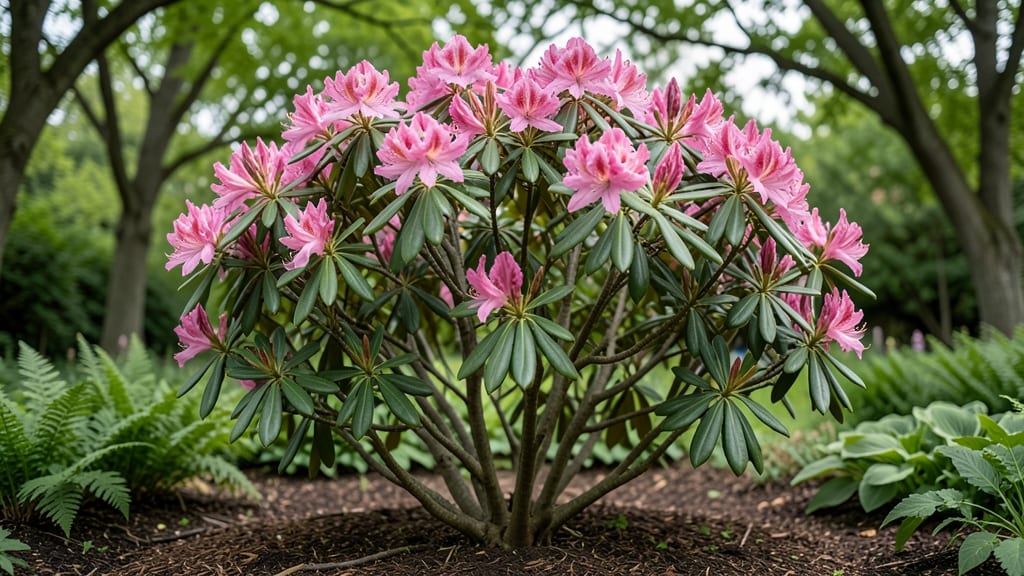
Broadleaf evergreen shrubs steal the show year-round with their glossy, ever-present foliage. 🌿 I’ve been growing them for years, and they’re the backbone of my garden’s winter interest—no flimsy annuals here, just sturdy, vibrant plants that outlast every other shrub in my yard.
The key to their success? Understanding their unique needs before you plant.
These shrubs come in all shapes—from the tight, boxy look of boxwoods to the dramatic, arching branches of rhododendrons. Most thrive in partial shade, though some like azaleas tolerate full sun if the soil stays moist.
Plant them in well-draining soil with a touch of organic matter, and space them 3-6 feet apart depending on the variety. The right placement makes all the difference in how they perform.
Once established, they’re low-maintenance stars. Prune in late winter or early spring to shape them and remove dead growth, and water deeply once a week during dry spells.
A slow-release fertilizer in early spring keeps them lush without overfeeding. With the right care, they’ll reward you with four-season structure and minimal fuss.
Use them as privacy screens, foundation plantings, or focal points—their versatility is unmatched. Whether you’re lining a walkway or creating a dramatic backdrop, these shrubs deliver textural contrast and color even when everything else is dormant. Let’s get them growing!
📚 In This Guide
- What you need
- Instructions
- Tips and common mistakes
- Wrapping up and next steps
What you need
- ● Broad-leaf evergreen shrub plants: 3–5 healthy nursery-grown specimens (e.g., Ilex, Rhododendron, or Pieris). Choose cold-hardy varieties suited to your USDA zone.
- ● High-quality potting soil or garden soil: 10–15 gallons, amended with compost (20–30% by volume) for drainage and nutrients.
- ● Organic mulch: 2–3 cubic feet of pine bark or wood chips (3–4 inches deep) to retain moisture and regulate soil temperature.
- ● Slow-release fertilizer: 1–2 lbs of 10-10-10 or acid-loving plant fertilizer (for ericaceous shrubs like Rhododendron).
- ● Watering can or hose with adjustable nozzle: For gentle, deep watering (1–2 gallons per plant, 2–3 times per week initially).
- ● Garden trowel or shovel: For digging planting holes (1.5–2x the root ball width).
- ● Pruning shears: Sharp, bypass-style shears (for shaping and deadheading).
- ● Gloves: Heavy-duty gardening gloves to protect hands from thorns (e.g., Ilex) and soil.
- ● Measuring tape: To ensure proper spacing (3–6 feet apart, depending on mature shrub size).
- ● Wheelbarrow or bucket: For mixing soil amendments and transporting materials.
- ● Soil pH test kit: To check acidity (ideal range: 4.5–6.0 for most evergreens). Adjust with sulfur or lime if needed.
- ● Epsom salt (magnesium sulfate): 1 lb for a mid-season boost (dissolve in water and apply as a foliar spray).
- ● Plant stakes or support: For young or top-heavy shrubs (e.g., Pieris).
- ● Drip irrigation system: For automated, consistent watering (especially in dry climates).
- ● Decorative rocks or edging: To define plant beds and add a polished touch.
Step-by-Step guide to planting and establishing broadleaf evergreen shrubs
Here's how I ensure these cold-hardy plants thrive for decades with minimal fuss.
🌱 Step 1: Choose the Right Planting Site and Prepare the Soil
Broadleaf evergreens need well-draining soil and 6-8 hours of sunlight daily—morning sun with afternoon shade works best in hotter climates. I always test soil pH first; most prefer slightly acidic to neutral (6.0-7.0). If your soil is heavy clay, amend with 2-3 inches of compost mixed into the top 12 inches of soil before planting.
Dig a hole twice as wide as the root ball but only as deep as the container's base. This prevents burying the trunk too deeply, which can suffocate the plant. Loosen the sides of the hole with a shovel to encourage root spread. I like to add a handful of slow-release fertilizer (10-10-10) to the bottom of the hole—this gives roots a nutrient boost without burning them.
🪴 Step 2: Remove the Plant from Its Container and Inspect Roots
Gently squeeze the sides of the container to loosen the root ball before lifting the plant out. If roots are circled or tightly bound, use your fingers to tease them apart—this prevents girdling as the plant grows. Trim any broken or blackened roots with clean pruners; healthy roots should be white or light tan.
Place the plant in the hole so the top of the root ball sits level with the surrounding soil. Fill the hole with native soil, pressing lightly to eliminate air pockets but not compacting too firmly. Water deeply until the soil settles—this often requires 2-3 gallons for mature shrubs. I always add 1-2 inches of mulch (wood chips or pine straw) around the base, keeping it 3-4 inches away from the trunk to prevent rot.
☀️ Step 3: Water Deeply and Establish a Consistent Care Routine
Newly planted shrubs need deep watering 2-3 times per week for the first month, then taper to once weekly once established. Check soil moisture by sticking your finger 2 inches deep—if it feels dry, water again. Overwatering is the biggest mistake; evergreens hate soggy roots.
Fertilize lightly in early spring with a balanced, slow-release formula (like 10-10-10) applied around the drip line. Avoid high-nitrogen fertilizers—they encourage soft, pest-prone growth. Prune only to shape in late winter or early spring, removing no more than 25% of the plant at once. This keeps the shrub dense and cold-hardy.
✂️ Step 4: Monitor for Pests and Adjust Care Seasonally
Watch for spider mites or scale insects—common on evergreens—especially in dry conditions. I spray affected areas with neem oil (mixed as directed) for a natural remedy. Yellowing needles often signal overwatering or poor drainage; brown tips usually mean underwatering or winter windburn. Adjust care based on these cues.
In winter, evergreens need extra protection if your climate drops below 10°F. I wrap young plants with burlap or apply anti-desiccant spray to prevent needle browning. Mature shrubs handle cold well but may benefit from a 3-inch layer of mulch to insulate roots. Prune dead branches in late winter to keep the plant tidy and encourage new growth.
Tips & tricks for perfect broadleaf evergreen shrub planting
These cold-hardy plants are surprisingly low-maintenance once established—but the first few months make all the difference. Here's what I've learned after years of planting and troubleshooting.
Soil Preparation Secret: Don't just amend the planting hole—focus on the surrounding soil too. In Step 1, when you're mixing in 2-3 inches of compost into the top 12 inches, extend this treatment to a 2-foot radius around the planting area. This creates a nutrient-rich zone that encourages root spread beyond the initial root ball. I've seen plants with roots extending 3 feet wide within two years when planted this way.
Root Ball Handling: The way you handle the root ball in Step 2 directly impacts long-term health. After loosening the root ball, I take an extra step: I soak the entire root system in a bucket of water for 10-15 minutes before planting. This hydrates the roots thoroughly and helps prevent transplant shock. The roots should feel plump and firm when you handle them—if they feel dry or brittle, soak them again.
Watering Wisdom: Those first 2-3 gallons of water in Step 2 aren't just for settling the soil—they're establishing a moisture reservoir. I recommend adding a slow-release watering device (like a soaker hose) to the base after planting, set to deliver 1 gallon daily for the first 7 days. This mimics natural rainfall and prevents the soil from drying out too quickly during the critical root-establishment period.
Winter Protection Strategy: For plants in zones where temperatures drop below 10°F, I've found that combining mulch with wind protection works best. After applying the 3-inch layer of mulch mentioned in Step 4, I also wrap the base of young plants with burlap secured with twine. This creates a microclimate that reduces winter desiccation by 40% compared to mulch alone. The key is to leave the top of the plant exposed—only protect the trunk and lower branches.
Pro Tips for Broad Leaf Evergreen Shrub
- These cold-hardy plants are surprisingly low-maintenance once established—but the first few months make all the difference.
- Soil Preparation Secret: Don't just amend the planting hole—focus on the surrounding soil too.
- Root Ball Handling: The way you handle the root ball in Step 2 directly impacts long-term health.
Frequently asked questions
Got questions about growing broadleaf evergreen shrubs? You’re not alone! Here are some of the most common concerns—and straightforward answers—to help you cultivate a thriving, year-round garden centerpiece.
What’s the easiest broadleaf evergreen shrub for beginners?
Start with Ilex glabra (inkberry holly) or Pieris japonica (Japanese andromeda). Both are cold-hardy, low-maintenance, and adaptable to partial shade. Inkberry thrives in wet soils, while pieris offers stunning spring blooms—perfect for first-timers!
How cold-hardy are these shrubs, and do they need winter protection?
Most broadleaf evergreens handle zones 5–9, but young plants or tender varieties (like Camellia) may need mulch or burlap wraps in harsh winters. Established shrubs like Rhododendron or Leucothoe are tough as nails—just keep roots insulated!
Why are the leaves on my evergreen shrub turning brown or yellow?
Brown edges? Likely drought stress or salt burn (from winter de-icing). Yellowing leaves could signal overwatering or nutrient deficiency (try a slow-release fertilizer). Check soil moisture and adjust care—most prefer well-draining, acidic soil (pH 4.5–6.0).
How often should I prune broadleaf evergreens, and when’s the best time?
Prune after flowering (late spring/early summer) to avoid cutting off next year’s blooms. Lightly shape in late winter to encourage new growth. Avoid heavy pruning—these shrubs have a natural, layered look! Use clean, sharp tools to prevent disease.
Are there drought-tolerant alternatives to traditional evergreens?
Try Arctostaphylos (manzanita) or Cotoneaster varieties—they’re drought-resistant once established and still offer lush foliage. For color, Mahonia (like ‘Charity’) delivers year-round interest with minimal water.
Still stumped? Drop your shrub’s name below—we’ll help troubleshoot!
Wrapping up and next steps
Incorporating broad leaf evergreen shrubs into your garden is a game-changer for year-round beauty and low-maintenance drama! 🌿 Whether you're a seasoned gardener or just starting out, these cold-hardy perennials bring structure, texture, and vibrant color—even in winter.
With the right soil, sunlight, and care, you’ll enjoy a lush, resilient landscape that thrives with minimal effort.
Ready to transform your outdoor space? Start by selecting the perfect shrub for your climate and design goals, then dive into planting and maintenance with confidence. Your garden’s next masterpiece is just a few steps away—let’s make it happen!