
Trees
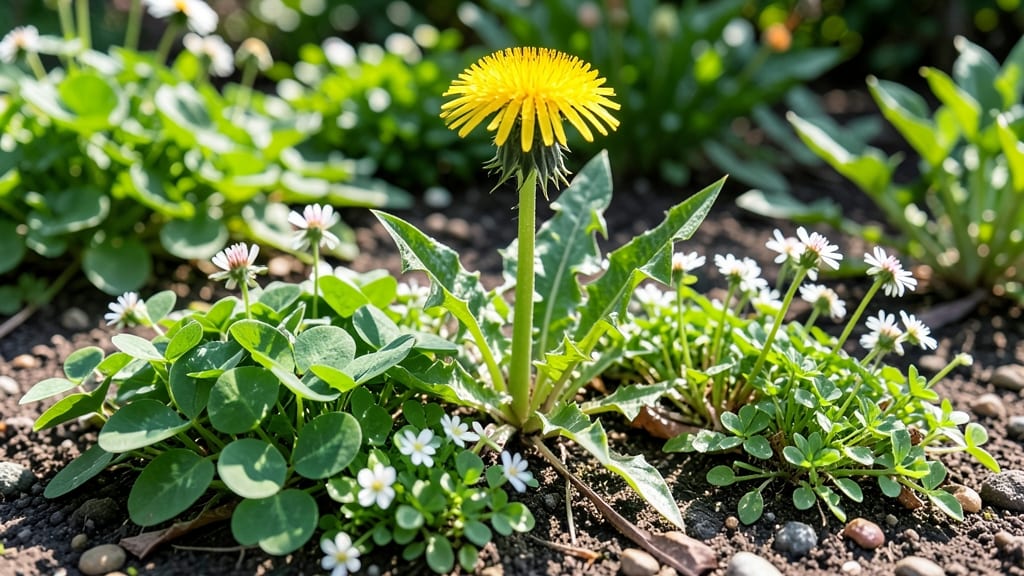
Spotting broadleaf weeds pictures of common garden invaders can feel like an endless battle—until you know exactly what you're dealing with. 🌱 I've spent years pulling these sneaky invaders by hand, and the first step to winning is recognizing them before they take over your beds.
Dandelions, chickweed, and plantain are just the beginning of the lineup that shows up uninvited every spring.
The good news? Most broadleaf weeds share common traits: smooth stems, jagged leaves, and a stubborn ability to pop up anywhere. Learning their growth habits—like dandelions' deep taproots or chickweed's ability to smother young plants—helps you choose the right control method, whether it's manual removal, mulching, or targeted herbicides.
No more guessing what's a weed and what's a wanted plant.
By the end of this guide, you'll confidently spot these common offenders and know exactly how to eliminate them without harming your garden. The key is acting early—once they establish, they're nearly impossible to remove without chemicals.
Think of this as your weed ID cheat sheet, complete with visual clues and control strategies.
Whether you're dealing with a single stubborn dandelion or an entire field of broadleaf weeds, these identification tips will save you time and frustration. Let's get those garden beds back to looking their best—starting with knowing your enemy.
Root Causes Of Weed Spread
Broadleaf weeds don’t just pop up by accident—they thrive because of specific conditions in your garden or landscape. Understanding these triggers helps you take action before they become a full-blown infestation. Here’s why these pesky plants keep showing up and how their biology fuels their persistence.
Broadleaf weeds often dominate because they’re opportunistic survivors. When your soil lacks proper nutrients, structure, or organic matter, weeds fill the void. Their shallow root systems allow them to germinate quickly in disturbed or compacted soil, outcompeting slower-growing grasses and plants.
- Compacted soil: Heavy foot traffic, machinery, or clay-heavy soil restricts water and oxygen, making it easier for weed seeds to sprout. Solution: Aerate annually with a core aerator or manually fork the soil.
- Low organic matter: Weeds like dandelions and chickweed thrive in nutrient-poor soil because they adapt to scarcity. Solution: Amend with compost or aged manure to improve soil fertility.
- pH imbalances: Most broadleaf weeds prefer slightly acidic to neutral soil (pH 6.0–7.0). If your soil is too alkaline or acidic, weeds may dominate while desired plants struggle. Solution: Test your soil and adjust with lime (to raise pH) or sulfur (to lower it).
Many broadleaf weeds, such as pigweed and spurge, are sun-lovers (heliophytes). They germinate in full sun because their seeds require warmth to break dormancy. If your garden gets intense afternoon sunlight, these weeds will flourish while shade-tolerant plants lag behind.
- Direct sunlight exposure: Seeds like those of lamb’s quarters need temperatures above 68°F (20°C) to germinate. Solution: Use mulch (straw, wood chips) to block light and cool the soil.
- Drought stress: Some weeds (e.g., purslane) store water efficiently, making them resilient during dry spells. Solution: Install drip irrigation or soaker hoses to keep soil consistently moist for desired plants.
- Bare soil patches: Sun beats down on exposed ground, heating it and signaling weed seeds to germinate. Solution: Plant ground covers (clover, creeping thyme) or use landscape fabric to suppress weeds.
Broadleaf weeds often take over because they’re adapted to inconsistent moisture. Unlike lawn grasses, which have deep roots, many weeds thrive in surface-level water, making them the first to sprout after rain or irrigation.
- Frequent light watering: Weeds like henbit and chickweed germinate in damp soil. Overwatering keeps the top layer moist, perfect for their growth. Solution: Water deeply but infrequently (1–1.5 inches per week) to encourage deeper root growth in plants.
- Poor drainage: Standing water creates anaerobic conditions, stressing desirable plants while weeds like smartweed adapt. Solution: Improve drainage with sand or gravel amendments.
- Drip irrigation misuse: If drippers are too close to the soil surface, they create hotspots for weed seeds. Solution: Bury drip lines or use emitters with shields to direct water to plant roots.
Broadleaf weeds exploit any disruption in the soil’s natural balance. Tilling, digging, or even walking on lawns can bury weed seeds, bringing them to the surface where they germinate. This is why freshly seeded lawns or newly planted gardens often become weed magnets.
- Tilling: This burying action brings dormant seeds to the light, creating a fresh batch of weeds. Solution: Avoid tilling—use mulch or smother weeds with cardboard/cardboard.
- Construction or landscaping: Grading, installing hardscapes, or removing sod exposes soil, inviting weeds like bindweed. Solution: Apply pre-emergent herbicides before planting or use landscape fabric.
- Thinning or pruning: Gaps created by removing plants leave space for weeds to move in. Solution: Fill bare spots with mulch or fast-growing cover crops.
Weeds dominate when they face little resistance. In a healthy ecosystem, grasses, ground covers, and established plants outcompete weeds for resources. But when your garden lacks diversity, broadleaf weeds fill the ecological niche.
- Monoculture lawns: Turfgrass alone can’t suppress weeds like clover or plantain. Solution: Mix in clover or microclover for natural weed suppression.
- Over-fertilizing nitrogen: Weeds like crabgrass and chickweed respond faster to nitrogen than slow-growing perennials. Solution: Use slow-release fertilizers or organic amendments like compost tea.
- No ground cover: Bare soil between plants leaves room for weeds to establish. Solution: Plant dense ground covers (e.g., creeping juniper, ajuga) to block light.
By addressing these root causes—whether it’s soil health, watering habits, or competition—you can starve out broadleaf weeds before they take over. The key is consistency: healthy soil, smart watering, and strategic plant placement make your garden less inviting to these unwanted guests.
Effective Ways to Remove Broadleaf Weeds
Broadleaf weeds can turn your garden from a lush retreat into an overgrown battleground—fast! But don’t worry, you don’t need a chemistry degree or a green thumb to reclaim your space.
Below are practical, step-by-step solutions tailored to the root causes of broadleaf weed infestations, plus prevention tips to keep them from staging a comeback.
Perfect for small patches or when you want to avoid chemicals.
How to do it: 👩🌾 Pull at the right time – Wait for a rainy day or right after watering when the soil is soft. Weeds are easier to uproot when their roots are loose. 🔪 Grab the whole plant – Use a weeding tool, garden fork, or even your hands to dig deep and remove the entire root system. A broken root means regrowth! ⏰ Timing is key – Target weeds before they seed (spring to early summer) to stop their life cycle in its tracks.
Pro tip: 💡 Wear gloves—some broadleaf weeds (like stinging nettle) have irritating hairs. And if you’re dealing with dandelions or clover, a dandelion weeder makes the job 10x easier.
For eco-conscious gardeners who want to smother weeds without harming plants or soil.
How to do it: 🍳 Boiling water treatment – Pour boiling water directly over weeds (best for driveways or cracks). The heat kills the plant instantly without leaving residue. 🌡️ Vinegar spray (DIY) – Mix 1 gallon of white vinegar + 1 cup salt + 1 tbsp dish soap. Spray only on weeds (not desired plants) on a sunny day—vinegar burns leaves, but salt can harm soil over time. ✨ Corn gluten meal – Sprinkle 10 lbs per 100 sq ft in early spring before weeds sprout. It blocks seed germination naturally.
Pro tip: 🎯 Test first! Always spot-test natural herbicides on a small area to ensure they won’t damage your lawn or garden plants.
Prevention is the best offense—especially in high-traffic or problem areas.
How to do it: 🛠️ Landscape fabric – Lay heavy-duty fabric under mulch in garden beds. Secure edges with landscape staples to block weed seeds from reaching the soil. 🪵 Mulch thickly – Apply 3-4 inches of wood chips, straw, or shredded bark around trees, shrubs, and flower beds. Mulch smothers weeds and retains moisture. 🌿 Living mulch – Plant ground covers like creeping thyme, clover, or moss in sunny/shady spots. They outcompete weeds naturally.
Pro tip: 🔥 Replenish mulch annually—as it breaks down, it loses its weed-blocking power.
For large infestations or stubborn weeds (like chickweed or henbit) where manual methods fall short.
How to do it: 📊 Choose the right herbicide –
- 2,4-D (for broadleaf weeds in lawns) – Safe for grasses, kills dandelions, clover, and plantain.
- Dicamba (for tough weeds like ragweed) – Works well but may require reapplication.
- Glyphosate (non-selective) – Use carefully—it kills everything it touches. Best for driveways, sidewalks, or bare soil areas.
👨🍳 Apply correctly –
- Read the label – Follow mixing and application rates precisely.
- Water after spraying (unless instructed otherwise) to help absorption.
- Avoid windy days to prevent drift onto desired plants.
Pro tip: 🌡️ Spot-treat first—test a small area before full application to check for plant sensitivity.
Once you’ve cleared the weeds, keep them from returning with these habits:
- 🌱 Regular mowing – Keep grass 3-4 inches tall to shade out weed seeds.
- 💧 Proper watering – Water deeply but infrequently to encourage deep roots in your plants (weeds thrive in shallow, moist soil).
- 🌿 Healthy soil = fewer weeds – Add compost or organic matter to improve soil health, making it harder for weeds to take root.
- 🗓️ Stay vigilant – Pull new weeds immediately—they’re easiest to remove when small!
Final thought: The key to beating broadleaf weeds is consistency. Combine manual removal, natural barriers, and smart prevention for a garden that stays lush, green, and weed-free—without breaking a sweat! 🌿✨
Frequently asked questions about broadleaf weeds
How can I tell the difference between broadleaf weeds and my garden plants?
Look for these key traits: broadleaf weeds typically have simple leaves (not compound like clover) with jagged or toothed edges. Their stems are often hairy or smooth without woody texture, and they grow in random patterns rather than the organized rows of your planted flowers or vegetables.
Why do some broadleaf weeds keep coming back after I pull them?
Many weeds like dandelions and plantain have deep taproots that fragment when pulled, leaving pieces to regrow. Always dig deep to remove the entire root—use a dandelion weeder or garden fork for stubborn types. For persistent weeds, smother them with cardboard or mulch instead of repeated pulling.
Are there any broadleaf weeds that are actually good for my garden?
Yes! Some weeds like clover fix nitrogen in the soil, chickweed attracts beneficial insects, and dandelions provide early spring pollen for bees. The key is balance—remove aggressive spreaders but leave beneficial ones in moderation, especially in vegetable gardens.
How long does it take for natural weed control methods to work?
Most organic methods like mulching or vinegar sprays show results within 1-2 weeks, but complete eradication takes 3-4 months of consistent effort. Corn gluten meal prevents new growth in 2-3 weeks after application, while manual removal works fastest but requires regular maintenance.
Can I use the same herbicide on all broadleaf weeds?
No—always check the label! 2,4-D works on dandelions and clover but won't kill bindweed, which requires glyphosate. For organic gardens, spot-treat with boiling water or vinegar solutions instead. Test any chemical on a small area first to avoid damaging plants.