
How To
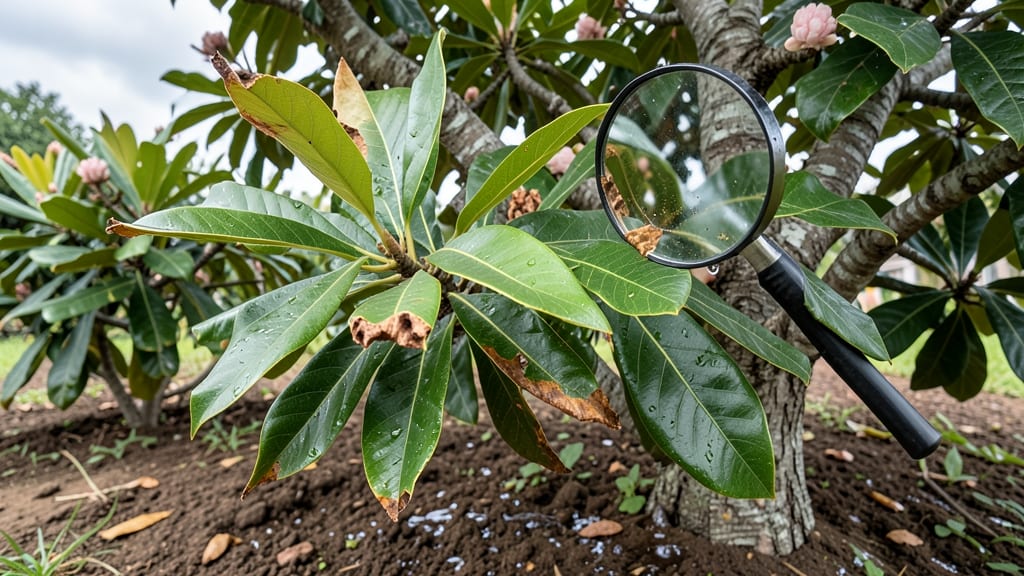
Brown leaf tips on your macadamia tree could mean copper spray is your secret weapon for revival. 🌿 I’ve nursed back several trees with this exact method after years of trial and error—once you spot the crispy edges, act fast before it spreads to the whole leaf.
The culprit is usually one of three things: fungal leaf spot (common in humid climates), nutrient burn from over-fertilizing, or environmental stress like salt spray near the coast. Copper spray tackles fungal issues directly, while adjusting watering and soil pH addresses the other causes.
Most trees show improvement within 2-3 weeks of treatment, with new growth emerging bright and healthy. Start by pruning affected leaves (sterilize your tools first!) and applying copper fungicide in the early morning when humidity is high. For nutrient issues, switch to a low-salt fertilizer and water deeply but infrequently.
The goal is to restore that deep, glossy green your tree was meant to have. This works for coastal gardens, inland yards, and even container-grown macadamias. If brown spots persist after two treatments, test your soil—sometimes the problem runs deeper than you think.
Root Causes Behind Browning Tips
When your macadamia tree’s leaves start showing brown, crispy tips, it’s usually a cry for help—often tied to environmental stress, nutrient imbalances, or even hidden pests. Understanding the why behind these symptoms is the first step to reviving your tree’s vibrant green foliage.
Let’s break down the most common culprits with science-backed explanations and actionable insights.
Macadamia trees hate soggy roots. While they thrive in well-draining soil, excessive moisture—especially in heavy clay or compacted soil—can suffocate roots, leading to oxygen deprivation and nutrient uptake issues.
When roots struggle, they can’t absorb water or minerals efficiently, causing leaf tips to brown as a sign of osmotic stress.
🔍 How to spot it:
- Yellowing leaves before browning tips appear.
- Mushy, foul-smelling soil at the base.
- Slow growth or wilting despite moist soil.
💡 Fix it:
- Improve drainage by amending soil with compost, perlite, or coarse sand (aim for a mix that resembles a sandy loam).
- Adjust watering: Water deeply only when the top 2–3 inches of soil are dry (stick your finger in to test!).
- Consider raising the tree’s root zone with a mound of soil or gravel to prevent waterlogging.
On the flip side, insufficient water or high salt concentrations in the soil can also trigger browning tips. Macadamia trees are drought-tolerant but still need consistent moisture, especially in hot, windy climates. When soil dries out too much, transpiration (water loss through leaves) exceeds uptake, causing desiccation at the leaf edges. Additionally, fertilizer salts or hard water minerals (like calcium or sodium) can accumulate in the root zone, disrupting water absorption and leading to physiological drought.
🔍 How to spot it:
- Crispy, papery tips that curl inward.
- Dry, cracked soil surface.
- Leaves dropping prematurely in hot weather.
💡 Fix it:
- Water deeply and infrequently (1–2 times per week, depending on climate) to encourage deep root growth.
- Flush the soil with 2–3 inches of water monthly to leach out excess salts (use rainwater or filtered water if possible).
- Mulch with organic matter (wood chips, straw) to retain moisture and regulate soil temperature.
Macadamia trees are native to Australia’s subtropical regions, where they’re adapted to moderate temperatures and shelter. When exposed to intense heat (above 90°F/32°C) or drying winds, their leaves lose moisture faster than roots can replenish it, leading to edge necrosis (browning of leaf margins). This is especially common in coastal areas or open landscapes.
🔍 How to spot it:
- Browning starts on exposed, sunlit leaves first.
- Leaves may appear leathery or scorched.
- Symptoms worsen during afternoon heat.
💡 Fix it:
- Provide afternoon shade (use shade cloth or plant near taller trees).
- Install a windbreak (e.g., a fence or hedge) to reduce desiccation.
- Water early in the morning to reduce evaporation.
- Avoid high-nitrogen fertilizers in summer, which can increase water demand.
While less common than environmental causes, pathogenic organisms like Phytophthora (a water mold) or Botryosphaeria (a fungal canker) can attack stressed macadamia trees, clogging xylem vessels and restricting water flow. This leads to browning tips, wilting, and dieback. Fungal issues often appear after prolonged wet conditions or wounding (e.g., from pruning cuts).
🔍 How to spot it:
- Browning tips paired with black streaks in leaf veins or stems.
- Oozing sap or cankers on branches.
- Symptoms spread upward from lower leaves.
💡 Fix it:
- Prune infected branches 6+ inches below the affected area with sterilized tools (rubbing alcohol).
- Apply a copper fungicide spray (like copper hydroxide) every 2–4 weeks during wet seasons.
- Improve air circulation around the tree by thinning dense foliage.
- Drench the soil with hydrogen peroxide (3%) to combat root pathogens.
Macadamia trees are heavy feeders and require specific nutrients to thrive. A deficiency in copper (critical for enzyme function) or potassium (regulates water balance) often manifests as browning leaf tips, especially in acidic or sandy soils.
Copper deficiency:
- Leaves develop yellowing between veins (chlorosis) before tips brown.
- New growth is small and twisted.
- Common in high-pH soils (above 6.5).
Potassium deficiency:
- Browning starts at leaf tips and margins, often with yellowing in between.
- Weak stems and poor fruit development.
- Worsens under drought stress.
💡 Fix it:
- For copper: Apply a chelated copper sulfate spray (0.2–0.3 lbs per 100 gallons of water) or soil drench. Repeat every 3–4 months.
- For potassium: Use a potassium-rich fertilizer (like greensand or sulfate of potash) at half-strength in early spring and fall.
- Test soil pH—aim for 5.0–6.5 for optimal nutrient availability.
🔎 Pro Tip: Keep a symptom journal to track when browning starts (e.g., after heavy rain, heatwaves, or fertilizing). This helps pinpoint the exact
Fixing Brown Tips on Your Macadamia Tree
Now that you know the likely causes behind those unsightly brown leaf tips on your macadamia tree, it’s time to take action! The good news? Most issues can be resolved with targeted care—whether it’s adjusting watering habits, boosting soil nutrients, or applying a simple copper spray.
Below are practical, step-by-step solutions tailored to each common cause, plus prevention tips to keep your tree thriving long-term.
If your macadamia tree’s roots are drowning in soggy soil, brown tips are just the beginning. Here’s how to drain the damage (literally):
🔥 Step 1: Check the Soil Moisture
- 👨🍳 Dig a small hole (2–3 inches deep) near the base of the tree.
- 🥘 Stick your finger in—if the soil feels damp or sticky, you’re overwatering.
- ⏰ Wait for the soil to dry out before watering again.
Macadamia trees prefer well-draining soil and hate soggy roots.
🌱 Step 2: Improve Drainage
- 🔪 Amend the soil with coarse sand, perlite, or compost to break up clay-heavy soil.
- 🌡️ Elevate the tree slightly by mounding soil around the base (but not the trunk) to encourage runoff.
- 💡 Pro Tip: If your tree is in a pot, repot it into a container with drainage holes and a mix of potting soil + perlite.
🚰 Step 3: Adjust Watering Habits
- 🎯 Water deeply but infrequently—once a week (or less in winter) is usually enough.
- ✨ Avoid wetting the leaves to prevent fungal issues (like leaf spot).
- 📊 Monitor the top 2 inches of soil—water only when it’s dry to the touch.
Macadamia trees love sunlight, but intense afternoon sun or harsh winds can scorch leaves. Here’s how to protect them:
🌿 Step 1: Provide Partial Shade
- 🔥 If possible, plant near a fence or wall to block hot afternoon sun (1–3 PM).
- 🍳 Use shade cloth (30–50% coverage) temporarily if moving the tree isn’t an option.
- 💡 Pro Tip: Young trees benefit from dappled shade—mature trees can handle full sun but may need afternoon relief.
🌬️ Step 2: Wind Protection
- 🥘 Plant windbreaks like tall grasses, shrubs, or a bamboo fence on the windward side.
- ⏰ Avoid pruning in late summer—new growth is more susceptible to wind burn.
- 🎯 Mulch heavily around the base to stabilize soil moisture and reduce stress.
🌡️ Step 3: Prune Strategically
- 🔪 Trim back any leggy or sun-stressed branches to encourage bushier, more resilient growth.
- ✨ Focus on the outer leaves—these are the first to show damage.
If brown tips are paired with yellowing, spots, or blackened edges, a fungal or bacterial infection (like leaf spot or bacterial blight) may be the culprit. Copper-based treatments are highly effective and organic-friendly.
🍳 Step 1: Remove Infected Leaves
- 🔥 Prune away all brown or spotted leaves—don’t leave them on the ground (they spread spores).
- 🥘 Sterilize pruners with rubbing alcohol between cuts to prevent cross-contamination.
💧 Step 2: Apply Copper Fungicide
- 🔪 Choose a copper hydroxide or copper sulfate spray (follow label instructions).
- 🌡️ Best time to spray: Early morning or late afternoon (avoid direct sun to prevent leaf burn).
- ✨ Reapply every 2–4 weeks until new growth appears healthy.
🌱 Step 3: Improve Airflow & Hygiene
- 🎯 Thin out dense branches to increase airflow around the tree.
- 💡 Avoid overhead watering—water at the base instead.
- 📊 Clean up fallen debris regularly to reduce fungal spores.
Brown tips can signal low nitrogen, potassium, or magnesium. A simple soil test and targeted fertilizer will revive your tree.
📊 Step 1: Test Your Soil
- 🔥 Grab a soil test kit (available at garden centers) or send a sample to a local extension office.
- 🥘 Look for deficiencies in nitrogen (N), phosphorus (P), potassium (K), or magnesium (Mg).
🍳 Step 2: Apply the Right Fertilizer
| Deficiency | Signs | Solution |
|---|---|---|
| Nitrogen (N) | Pale green/yellow leaves, slow growth | 🌱 Blood meal or fish emulsion (high N) |
| Potassium (K) | Brown leaf edges, weak stems | 🌱 Potassium sulfate or banana peel tea |
| Magnesium (Mg) | Yellowing between leaf veins | 🌱 Epsom salt spray (1 tbsp/gallon water) |
- ⏰ Best time to fertilize: Early spring (before new growth) or late fall.
- ✨ Avoid over-fertilizing—macadamia trees prefer low-to-moderate nutrients.
🌡️ Step 3: Boost Soil Health
- 💡 Mix in compost or worm castings to improve microbial activity.
- 🎯 Mulch with wood chips or straw (2–3 inches deep) to retain moisture and nutrients.
Once your macadamia tree is back in tip-top shape, prevent future brown tips with these easy maintenance habits:
- 💧 Water wisely: Deep and infrequent—never let soil stay soggy.
- ☀️ Shield from extremes: Morning sun + afternoon shade works best.
- 🌿 Prune regularly: Remove dead/diseased branches in dry weather.
- 🍄 Monitor for pests: Aphids or mites can stress leaves—spray with neem oil if needed.
- 📊 Test soil yearly: Adjust nutrients before problems start.
- 🌱 Mulch properly: 2–3 inches of organic mulch (keep it 6 inches from the trunk).
✨ Final Thought: With the right care, your macadamia tree will bounce back with vibrant green leaves in no time. Start with one fix (like adjusting water or spraying copper) and observe changes over 2–4 weeks. If brown tips persist, combine solutions—often, multiple factors are at play!
🌿 Ready to revive your tree? Grab your tools and get started—your macadamia’s lush future is just a few steps away!
Frequently asked questions
Why do macadamia tree leaves turn brown at the tips first?
Brown tips typically appear first because they're the most exposed part of the leaf to environmental stress. When roots struggle to absorb water (from overwatering, poor drainage, or salt buildup), the tree prioritizes water to the leaf centers first. This creates a "water deficit" at the edges, causing them to dry out and brown.
How often should I apply copper spray for fungal issues?
Apply copper fungicide every 2-4 weeks during wet seasons or when you first notice fungal symptoms. For prevention, 2-3 applications per year (spring and fall) works well. Always spray in the early morning to avoid leaf burn from sunlight.
Can I use Epsom salt for my macadamia tree's brown tips?
Yes! Epsom salt (magnesium sulfate) can help if your tree has magnesium deficiency, which often shows as yellowing between leaf veins before browning appears. Mix 1 tablespoon per gallon of water and spray foliage monthly during growing seasons. Test soil first to confirm deficiency.
Will pruning help if my macadamia tree already has brown tips?
Prune only the affected leaves (never more than 25% of the canopy) to improve airflow and reduce fungal spread. Always use sterilized tools and remove pruned leaves from the area. This helps the tree focus energy on new, healthy growth.
How do I know if my tree needs more water or less?
Check soil moisture by sticking your finger 2-3 inches deep—if it's dry, water deeply. If it's still damp, hold off. For brown tips, overwatering is more common than underwatering. Look for other signs: yellowing between veins suggests overwatering, while crispy leaves curling inward indicate drought.