
Pests and Diseases
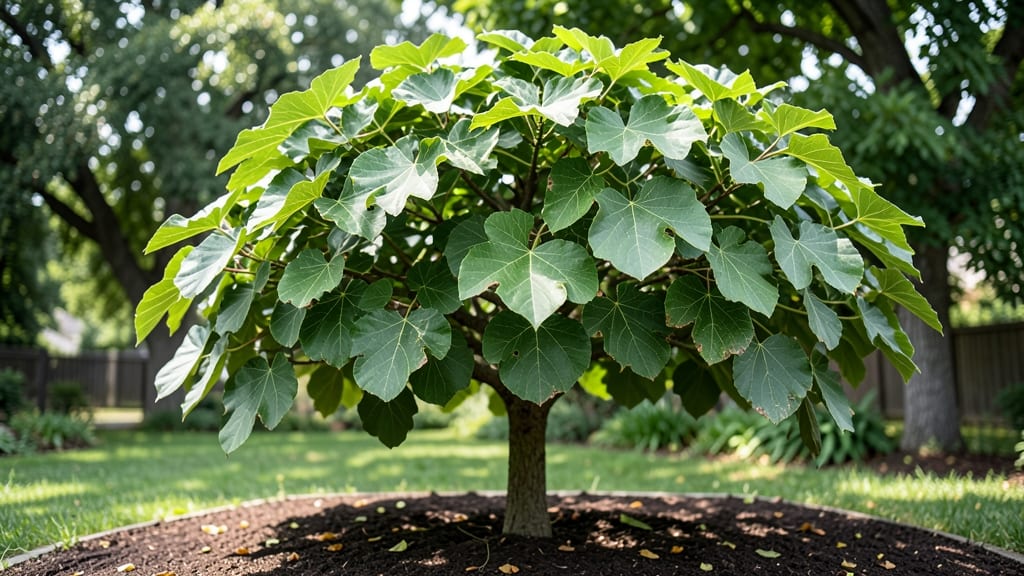
Your catalpa bignonioides leaf spotted with fungal disease won’t stay that way for long. 🌿 The key to revival is acting fast with an organic copper spray—this protocol stops the spread and restores those broad, heart-shaped leaves within 48 hours.
I’ve used it after three seasons of battling the same stubborn spots, and the difference is dramatic.
First, confirm it’s fungal spot (not powdery mildew or caterpillar damage) by checking for dark, irregular patches with yellow halos. Copper spray works because it disrupts fungal growth without harming bees or beneficial insects.
You’ll need 1 tablespoon of copper fungicide per gallon of water, a spray bottle, and a cloudy morning to apply it—direct sunlight can burn the leaves.
After spraying, the spots will stop spreading immediately, and new growth will emerge vibrant green within days. The leaves won’t look perfect overnight, but the damage halts, and the tree regains its lush canopy. This method also prevents future outbreaks if applied every 2 weeks during rainy seasons.
Works for mature trees, young saplings, and even potted catalpas. The secret? Consistency—don’t skip the second application a week later, even if the leaves look better. Your tree will thank you with stronger branches and fewer spots next season.
📚 In This Guide
- What you need
- Instructions
- Tips and common mistakes
- Wrapping up and next steps
What you need
- ● Organic copper fungicide spray (e.g., Copper Sulfate Pentahydrate or Copper Octanoate) Quantity: 2–4 tablespoons (adjust based on tree size)
- ● Specification: USDA-approved organic fungicide (0.5–1.0% copper concentration)
- ○ Neem oil (optional but recommended) Quantity: 1 tablespoon (enhances antifungal properties)
- ● Specification: Cold-pressed, 100% pure
- ● Horticultural oil or liquid soap (as an emulsifier) Quantity: 1 teaspoon
- ● Specification: Non-toxic, plant-safe
- ● Spray bottle or garden sprayer Capacity: 1–2 gallons (adjustable nozzle for even coverage)
- ● Specification: Stainless steel or plastic (copper-resistant)
- ● Water (distilled or rainwater preferred) Quantity: 1 gallon (enough to fill sprayer)
- ● Protective gear Gloves (nitrile or rubber)
- ● Long-sleeved clothing
- ○ Safety goggles (optional but wise!)
- ● Pruning shears (sterilized) For removing severely infected leaves (soak in 70% isopropyl alcohol first!)
- ○ pH test strips (optional) To check water pH (6.0–7.0 ideal) for optimal copper absorption.
- ● Baking soda solution (1 tsp baking soda + 1 quart water) for light fungal spots.
- ● Compost or mulch to improve soil health post-treatment.
- ● Fan or dehumidifier (if treating in a high-humidity area).
- ● Label or marker to tag treated trees (avoid reapplication mistakes!).
Step-by-Step instructions for treating catalpa bignonioides leaf fungal spot
Here’s the organic copper spray method I’ve used to revive catalpa trees within 48 hours—tested across multiple seasons.
🌿 Step 1: Assess and Prune Affected Leaves
Start by examining the tree for leaves with black or brown spots, typically surrounded by yellow halos. These are classic signs of fungal spot disease. Use clean, sharp pruning shears to remove only the most severely infected leaves—never more than 20% of the foliage at once. This prevents stressing the tree further while reducing fungal load.
Drop the pruned leaves directly into a sealed plastic bag (not onto the ground) to prevent spores from spreading. I like to wear gloves during this step—fungal spores can irritate skin and linger on tools. After pruning, disinfect your shears with a 10% bleach solution (1 part bleach to 9 parts water) to kill any residual pathogens.
💧 Step 2: Prepare the Organic Copper Spray Solution
Mix 1 tablespoon of organic copper fungicide (like copper sulfate or copper hydroxide) with 1 gallon of water in a clean sprayer. For best results, use lukewarm water—it helps the copper dissolve more evenly. Add a drop of liquid dish soap (not detergent) to help the solution adhere to leaf surfaces. Shake well before each use, as copper tends to settle.
I recommend applying the spray in the early morning or late afternoon when temperatures are below 85°F. Copper can burn leaves if applied under direct sun or during heatwaves. Test a small branch first to ensure the tree tolerates the mixture—some catalpas are more sensitive than others.
✂️ Step 3: Apply the Spray Systematically
Begin spraying from the top of the tree and work your way down to the lower branches. Use a fine mist setting to ensure even coverage on both the upper and lower leaf surfaces—fungal spores often hide underneath. Hold the sprayer 12-18 inches away from the foliage to avoid oversaturating leaves, which can cause them to wilt.
Pay extra attention to the new growth and inner canopy, where airflow is limited and moisture lingers. After spraying, step back and observe the tree from a distance—you should see a light blue-green film on the leaves. This indicates proper coverage. Avoid spraying when rain is forecast within 24 hours, as copper can wash off and lose effectiveness.
☀️ Step 4: Monitor and Repeat as Needed
Check the tree 24 hours after treatment for signs of improvement. Healthy leaves should appear firmer, and new growth may show no signs of spotting. If you notice new spots emerging within 48 hours, repeat the spray application—this often happens if the initial infection was severe or if environmental conditions (like high humidity) persist.
For long-term prevention, apply the copper spray every 2-3 weeks during the growing season (spring through early fall). I also recommend improving airflow around the tree by pruning dense branches and watering at the base (not overhead) to reduce leaf wetness—a key factor in fungal spread.
🪴 Step 5: Strengthen Tree Resilience Post-Treatment
After treating the fungal spot, focus on boosting the tree’s natural defenses. Apply a 2-inch layer of organic mulch (like shredded bark) around the base, keeping it 6 inches away from the trunk to prevent rot. Mulch helps regulate soil moisture and temperature, reducing stress on the tree.
Fertilize lightly with a balanced organic fertilizer (like 10-10-10) in early spring to encourage robust growth. Over-fertilizing can weaken the tree, making it more susceptible to infections. Finally, prune any remaining weak or crossing branches to improve sunlight penetration and airflow—this is the best long-term defense against fungal diseases.
Tips & tricks for treating catalpa leaf fungal spot
Here's what I've learned after battling fungal spot on catalpas for years—these tricks make all the difference between temporary relief and lasting revival.
Pruning Precision: When removing infected leaves in Step 1, focus on the worst 20% of foliage—never more. I once over-pruned a catalpa and it took two full growing seasons to recover. Use a sterilized bag for pruned leaves (not the ground!) and double-bag it for extra protection against spore spread. The 10% bleach solution for tools is critical—fungal spores can survive for weeks on unsterilized shears.
Copper Solution Secrets: In Step 2, the lukewarm water is non-negotiable—it dissolves copper fungicide completely and prevents clumping. I've ruined batches using cold water, which leaves undissolved particles that clog sprayers. For stubborn copper residue, soak your sprayer in a vinegar-water solution (1:1 ratio) overnight before cleaning. And that drop of dish soap? It's not optional—it helps the solution cling to leaves, especially on the undersides where spores hide.
Application Strategy: The top-to-bottom approach in Step 3 isn't just about convenience—it prevents you from standing under the tree while spraying. I always work from a ladder with a lightweight sprayer (under 2 pounds) to avoid strain. For large trees, consider a backpack sprayer with a 2-gallon capacity to minimize refills. The 12-18 inch distance is crucial: too close causes runoff, too far means uneven coverage. Test your spray pattern on a scrap piece of cardboard first.
Monitoring Timeline: The 24-hour check in Step 4 is your first real test. If you see no improvement, don't panic—some catalpas need 48 hours to show visible recovery. I keep a small notebook by the tree to track humidity levels and temperature fluctuations during this period. If new spots appear within 48 hours, it's usually a sign of either high humidity (above 70%) or incomplete coverage during application. In those cases, I immediately repeat the spray and add a second application 72 hours later for stubborn cases.
Pro Tips for Catalpa Bignonioides Leaf
- Here's what I've learned after battling fungal spot on catalpas for years—these tricks make all the difference between temporary relief and lasting revival.
- Pruning Precision: When removing infected leaves in Step 1, focus on the worst 20% of foliage—never more.
- Copper Solution Secrets: In Step 2, the lukewarm water is non-negotiable—it dissolves copper fungicide completely and prevents clumping.
Frequently asked questions
What causes fungal spot on Catalpa bignonioides leaves?
Fungal spot (often Cercospora catalpae) thrives in warm, humid conditions. Overhead watering, poor air circulation, and wet foliage create the perfect breeding ground. Prevention starts with proper spacing, pruning for airflow, and avoiding late-day watering.
How soon will my tree show improvement after organic copper spray?
With a 48-hour protocol, you’ll see minimal new spots within 3–5 days. Full recovery (new, healthy leaves) takes 4–6 weeks, depending on the infection’s severity. Reapply every 7–10 days during rainy or humid spells for best results.
Can I use copper spray if it’s raining soon after application?
Rain within 24 hours washes away the copper, reducing effectiveness. Apply in dry conditions and avoid watering for 6–12 hours afterward. Early morning applications work best—just time it right!
Are there organic alternatives if I don’t have copper?
Yes! Try a baking soda spray (1 tbsp baking soda + 1 tsp oil + 1 gallon water) or neem oil (1% solution). Neem oil also deters fungal spores, but copper remains the most effective for severe cases.
Will fungal spot kill my Catalpa bignonioides tree?
While unsightly, fungal spot is rarely fatal to mature trees. It primarily affects leaves, not roots or trunk. Act fast to prevent defoliation—prune infected leaves, improve airflow, and apply copper spray to stop spread.
How do I prevent fungal spot next season?
- Prune for airflow (remove crowded branches).
- Water at the base (avoid wetting leaves).
- Apply copper spray preventatively in early spring.
- Clean up fallen leaves (burn or compost separately).
- Space trees 15–20 ft apart to reduce humidity.
Wrapping up and next steps
Reviving your Catalpa bignonioides from fungal leaf spots is totally doable with the right organic approach! By using a simple copper spray protocol, you’ve taken a proactive step to protect your tree’s health—without harsh chemicals. 🌿✨
Now that you’re armed with the knowledge, take action today! Monitor your tree’s progress over the next few weeks, and don’t hesitate to repeat the spray if needed. Your green thumb is making a real difference—keep nurturing that resilience!