
Planting
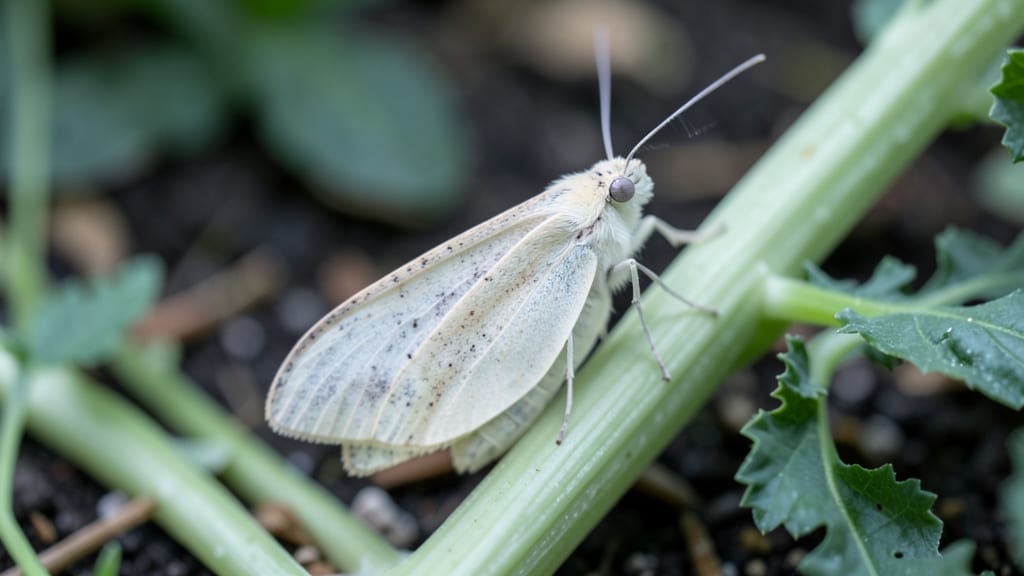
Those tiny, translucent larvae eating your celery leaves are celery leaftier moths, and they’re far sneakier than they look. 🌿 I’ve watched them turn lush parsley into skeleton leaves in just a few days—until I learned how to spot their damage early and stop them organically.
The moths lay eggs on the undersides of leaves, and the larvae chew through foliage in a pattern that looks like lacework. Celery, parsley, and even carrots are their favorites, but the good news? You can break their cycle with simple, chemical-free tactics that actually work.
By combining row covers, beneficial nematodes, and strategic planting, you’ll protect your crops without harming pollinators or your soil. The key is acting fast—once the larvae start feeding, they multiply faster than you can say "pest control." This method has saved my entire herb garden from total defoliation.
Here’s exactly how to implement it before next season’s infestation.
📚 In This Guide
- What you need
- Instructions
- Tips and common mistakes
- Wrapping up and next steps
What you need
- ● Neem oil (100% pure, cold-pressed): 16 oz (for spraying and soil treatment). Look for organic-certified brands like Dr. Bronner’s or Bonide.
- ● Insecticidal soap (potassium salts-based): 16 oz. Choose a least-toxic option like Safer® Brand or Garden Safe.
- ● Diatomaceous earth (food-grade): 5 lbs. Opt for Safer® or Harris® for dusting leaves.
- ○ Pyrethrin-based spray (optional but effective): 16 oz. Brands like PyGanic (derived from chrysanthemums) work well.
- ● Yellow sticky traps: 5–10 traps (for monitoring adult moths). Use Great Circle or Growing Solutions traps.
- ● Fine mesh netting (1mm–2mm): Enough to cover vulnerable plants (e.g., celery, parsley, or dill). Look for Agribon or Frogg Toggs brands.
- ● Spray bottle (16 oz) with a fine mist nozzle: 1–2 bottles for targeted applications.
- ● Garden hose with adjustable nozzle: For rinsing plants post-treatment.
- ● Gloves (nitrile or rubber): 1 pair (to protect your skin from oils and soaps).
- ● Pruning shears: 1 pair (for trimming infested leaves).
- ● Garden twine or clips: For securing netting over plants.
- ● Timer or spray schedule reminder: To ensure treatments are reapplied every 5–7 days.
- ● Notebook & pen: For tracking moth activity and treatment effectiveness.
- ● Beneficial nematodes (Steinernema feltiae): 1–2 million per 1,000 sq. ft. for soil treatment.
- ● Ladybugs or lacewing larvae: 500–1,000 per acre (release in the evening for best results).
- ● Pheromone traps: 1–2 traps to disrupt mating cycles (e.g., Great Lakes IPM traps).
- ● Compost or worm castings: To boost plant resilience (1–2 lbs per plant).
Step-by-Step organic control for celery leaftier moth infestations
Here's how to tackle this sneaky pest using safe, chemical-free methods that actually work.
🌿 Step 1: Identify and Confirm the Infestation
Celery leaftier moths are sneaky—their caterpillars chew between leaf layers, leaving silken webbing and frass (tiny black droppings). Look for small holes in celery leaves or fine webbing between stems. The adults are small gray moths that flutter at dusk. I always check the undersides of leaves first—this is where they lay eggs.
If you find tiny green caterpillars (about ½ inch long) or newly chewed leaf edges, you've confirmed the problem. Don't wait until the damage spreads—early intervention prevents total leaf loss. I keep a magnifying glass handy to spot the early signs before they become obvious.
💧 Step 2: Remove Existing Larvae and Eggs Manually
Start by stripping leaves apart gently to find caterpillars hiding in the webbing. Drop them into a bucket of soapy water—this kills them instantly without chemicals. I wear gloves for this step because the caterpillars can irritate skin. Check every leaf, especially the older, more tender ones where they prefer to feed.
For eggs, look for tiny white specks on leaf undersides. Scrape them off with your fingernail or a soft brush and dispose of them in sealed trash. This prevents the next generation from hatching. I do this in the evening when the moths are most active—you'll see them laying eggs right before dark.
☀️ Step 3: Apply Organic Barriers and Traps
Cover young plants with fine mesh row covers (¼ inch or smaller) secured tightly at the soil line. This blocks moths from laying eggs while allowing light and water through. For established plants, wrap the stems with cardboard collars (cut from egg cartons) to prevent caterpillars from crawling up from the soil.
Set up pheromone traps near your celery patch—they mimic female moth scent and lure males away from laying eggs. I place these 10-15 feet away from plants to avoid disrupting the trap's effectiveness. Check traps weekly and replace lures every 4-6 weeks for maximum attraction.
✂️ Step 4: Use Natural Predators and Sprays
Encourage beneficial insects like lacewings, ladybugs, and parasitic wasps by planting nearby flowers such as dill, fennel, or marigolds. These predators feed on celery leaftier caterpillars naturally. I also introduce Trichogramma wasps (tiny egg parasites) which lay their eggs inside celery leaftier eggs, preventing hatching.
For immediate control, spray plants with a mix of 1 tablespoon neem oil + 1 teaspoon dish soap per gallon of water. Apply in the evening to avoid harming bees. Reapply every 5-7 days or after rain. I always shake the bottle well before spraying—neem oil settles over time and needs to be fully mixed for effectiveness.
🪴 Step 5: Maintain Cleanup and Prevention
Remove and destroy all plant debris at the end of the season—this eliminates overwintering sites for moths. I burn or bag all cuttings in sealed plastic to prevent eggs from surviving. Rotate crops annually to break the pest's life cycle, as celery leaftier moths prefer continuous celery or related plants.
Plant resistant varieties like 'Tall Utah' or 'Golden Self-Blanching' celery, which have thicker leaves that deter caterpillars. I also interplant with onion or garlic, whose strong scent repels moths naturally. Regularly inspect plants, especially after rain when moth activity peaks—early detection is your best defense.
Tips & tricks for organic celery pest control
Here's what nobody tells you about keeping celery leaftier moths at bay without chemicals.
Timing is Everything: The evening is your best time to check for eggs and caterpillars—the moths are most active right before dark. I always bring a flashlight and inspect plants between 7-9 PM when they're actively laying eggs. This single habit has saved me from multiple infestations. If you can't check in the evening, do it first thing in the morning when dew is still on the leaves, as eggs are easier to spot against the moisture.
Visual Inspection Secrets: Use a magnifying glass to check leaf undersides for tiny white eggs—your naked eye might miss them. I keep one clipped to my gardening apron for quick inspections. Look for the characteristic silken webbing between leaves where caterpillars hide. This webbing is often the first sign of trouble before you see any visible damage. Remember, early detection means less damage and less work later.
Soapy Water Solution: When removing caterpillars in Step 2, make sure your soapy water solution is strong enough to kill them instantly. I use a ratio of 1 tablespoon dish soap to 1 gallon of water—this concentration works reliably. The soap breaks down their protective layers while being completely harmless to your plants. Always use biodegradable dish soap to protect beneficial insects that might be nearby.
Pheromone Trap Placement: Position pheromone traps 10-15 feet away from your celery plants as mentioned in Step 3, but also consider placing one at the edge of your property if you have neighbors with celery. Celery leaftier moths can travel surprisingly far, and this creates a buffer zone. I've found that having traps at both locations significantly reduces the moth population in my garden. Just remember to check them weekly and replace lures every 4-6 weeks for maximum effectiveness.
Pro Tips for Celery Leaftier Moth
- Here's what nobody tells you about keeping celery leaftier moths at bay without chemicals.
- Timing is Everything: The evening is your best time to check for eggs and caterpillars—the moths are most active right before dark.
- Visual Inspection Secrets: Use a magnifying glass to check leaf undersides for tiny white eggs—your naked eye might miss them.
Frequently asked questions
What are the first signs of a celery leaftier moth infestation?
The earliest clues include tiny, translucent eggs (about the size of a pinhead) laid on leaves, followed by small, brownish larvae (up to 1 inch long) that chew irregular, window-pane-like holes in foliage. Check the undersides of leaves—this is where they hide!
When is the best time to apply organic controls?
Act early! Monitor your plants weekly starting in late spring (when moths emerge). Apply organic sprays like neem oil or Bt (Bacillus thuringiensis) at dusk to avoid harming bees. Repeat every 7–10 days during peak moth activity (usually June–August).
Are there any natural predators that help control celery leaftier moths?
Yes! Encourage parasitic wasps (like Trichogramma), ladybugs, and ground beetles by planting dill, fennel, or marigolds nearby. These predators feed on eggs and larvae. Avoid broad-spectrum pesticides—they’ll kill these helpers too!
What’s the safest organic spray for heavy infestations?
For severe cases, kaolin clay (like Surround WP) creates a protective film that deters moths from laying eggs. Mix it with water and spray thoroughly on both leaf surfaces. Bt (Bacillus thuringiensis) is another top choice—it’s larvicidal and breaks down quickly, making it pet-safe once dry.
How do I prevent reinfestation next season?
Start with cleanup—remove all plant debris, weeds, and old crops in fall to eliminate overwintering sites. Use row covers in early spring to block adult moths. Crop rotation (avoid planting celery or parsley in the same spot yearly) also disrupts their life cycle.
Wrapping up and next steps
Combating the celery leaftier moth organically is not only effective but also safer for your garden and the environment! 🌱 By leveraging natural predators, homemade sprays, and proactive planting strategies, you can protect your crops without relying on harsh chemicals.
Remember, consistency is key—monitor your plants regularly and act swiftly at the first sign of trouble.
Ready to take action? Start by implementing just one or two of the methods mentioned today, and gradually build your organic defense system. Your future harvests—and the planet—will thank you! 🌟