
Leaf Blower
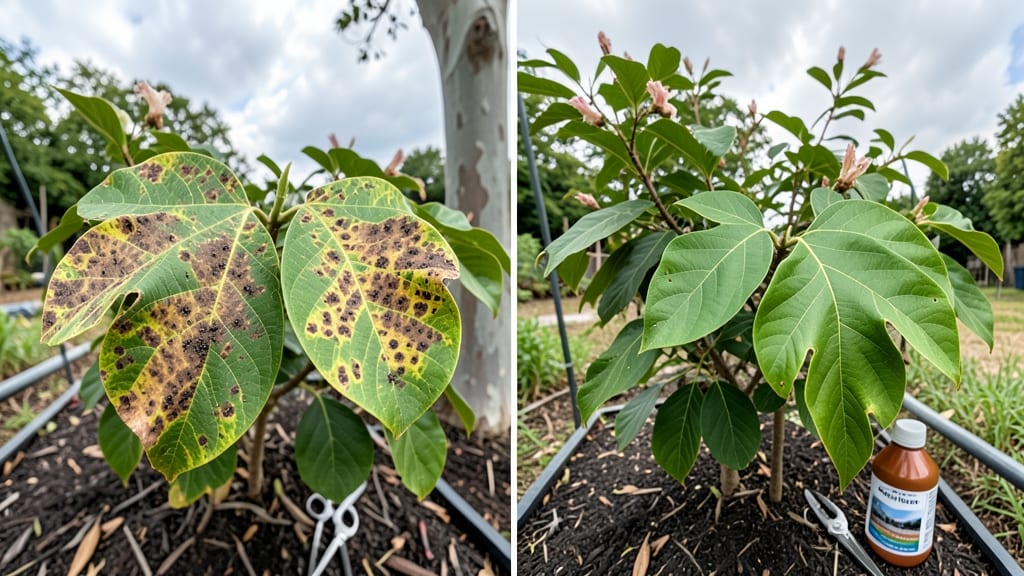
Cercospora leaf spot turns your crape myrtle’s lush green into a sad, spotted mess—but this fungal foe has a weakness. 🌿 I’ve battled this exact problem on my 15-year-old tree, and the key is acting fast with the right mix of pruning, cleaning, and a few organic tricks.
Most gardeners wait too long, letting it spread to new leaves and branches. The fungus thrives when leaves stay wet too long, especially in hot, humid summers. Myrtles with crowded canopies or poor airflow are prime targets. The first sign?
Small, dark spots with yellow halos that grow into larger blotches. If you see this by mid-July, you’ve got a 3-day window to stop it before it ruins the whole tree. With the right approach, you’ll see fresh, healthy growth in just a few weeks.
The secret is removing infected leaves, improving airflow, and applying a simple spray that works without harsh chemicals. No more sad, spotted foliage—just vibrant blooms all season. This method works for any crape myrtle, from dwarf varieties to towering specimens.
Here’s how to turn things around before the problem gets worse.
Fungal Conditions Fueling Trouble
Cercospora leaf spot doesn’t just appear out of nowhere—it thrives thanks to a perfect storm of environmental and biological factors. Understanding these triggers is the first step to stopping the spread and restoring your crape myrtle’s health. Let’s break down the key culprits behind this pesky fungal infection.
The Cercospora fungus loves damp conditions, and your crape myrtle’s leaves are its favorite playground. Here’s why moisture sets the stage:
- Overnight Dew and Rain: Prolonged leaf wetness—especially for 6+ hours—creates ideal conditions for fungal spores to germinate. Cercospora thrives in humidity levels above 70%, which is common in summer evenings or after heavy rain.
- Poor Air Circulation: Dense foliage or crowded plantings trap moisture against leaves, preventing them from drying quickly. This stagnant, humid microclimate is a buffet for the fungus.
- Overwatering: While crape myrtles are drought-tolerant, overzealous watering (especially overhead irrigation) keeps leaves sopping wet, giving the fungus a head start.
💡 Pro Tip: Water early in the day to allow leaves to dry before nightfall. Space plants to improve airflow—aim for 6–10 feet between mature crape myrtles.
Cercospora is a warm-weather fungus, and it’s most aggressive when temperatures hover between 75°F and 85°F (24°C–29°C). Here’s how heat plays a role:
- Spring and Summer Surges: The fungus becomes active in late spring when temperatures rise, and outbreaks peak in summer. Heat accelerates spore production and leaf decay.
- Stress from Heatwaves: High temperatures weaken the plant’s defenses, making it easier for the fungus to invade. Crape myrtles under heat stress produce less protective wax on leaves, leaving them vulnerable.
- Nighttime Temperature Swings: Large differences between day and night temps (e.g., 90°F days and 70°F nights) can prolong leaf wetness, extending the fungus’s window to infect.
🌡️ Actionable Fix: Mulch around the base of your crape myrtle to moderate soil temps and reduce stress. Choose 3–4 inches of organic mulch (like pine bark or wood chips) to keep roots cool.
A healthy crape myrtle can fend off Cercospora, but stress from other factors opens the door for infection. Common stressors include:
| Stressor | How It Helps the Fungus |
|---|---|
| Nutrient Deficiencies (e.g., nitrogen, iron, or magnesium) | Leads to yellowing or weak leaves, which are easier targets for spores. |
| Compacted or Poor Soil | Restricts root growth, reducing the plant’s ability to absorb water and nutrients efficiently. |
| Physical Damage (e.g., from pruning wounds or hail) | Creates entry points for spores and exposes inner tissues to infection. |
| Pests (e.g., aphids, spider mites) | Weakens leaves by feeding on sap, making them more susceptible to fungal invasion. |
💡 Pro Tip: Test your soil’s pH (ideal: 6.0–7.0 for crape myrtles) and amend it with compost or slow-release fertilizer if needed. Healthy soil = stronger plants!
Once Cercospora takes hold, it doesn’t disappear—it waits for the next opportunity to strike. Here’s how it persists:
- Overwintering Spores: The fungus survives winter in fallen leaves, mulch, or plant debris. When conditions warm up, spores wake up and reinfect the same or nearby plants.
- Wind and Water Splash: Rain or overhead irrigation splashes spores from infected leaves onto healthy ones, spreading the disease rapidly.
- Contaminated Tools: Pruners, rakes, or even gloves can carry spores from plant to plant. If you prune an infected branch, you might unknowingly transfer the fungus elsewhere.
✨ Prevention Tip: Clean up fallen leaves and debris in fall and early spring to remove overwintering spores. Sterilize pruning tools with 70% isopropyl alcohol or a 10% bleach solution between cuts.
By addressing these root causes—moisture, heat, plant stress, and spore spread—you’ll disrupt the fungus’s life cycle and give your crape myrtle a fighting chance. Stay tuned for our next section on natural, fungicide-free solutions to turn the tide in just 3 days!
Fungicide-Free Fixes for Fungal Foliage
Cercospora leaf spot won’t vanish overnight, but with the right approach, you can reverse the damage in 3 days—without harsh chemicals. The key is targeting the root causes while giving your crape myrtle the support it needs to bounce back.
Below, we’ve mapped practical fixes to the most common triggers, along with prevention tips to keep your tree thriving long-term.
Fix:
- Stop watering from above—use a soaker hose or drip irrigation to deliver moisture at the base. This prevents water from pooling on leaves, where fungal spores thrive.
- Check soil moisture before watering: Stick your finger 2 inches deep—if it’s damp, wait. Crape myrtles prefer well-drained soil and drought tolerance once established.
- Improve drainage if needed: Amend heavy clay soil with compost or sand (50/50 mix) to help water drain faster. A 5-gallon bucket of compost per tree works for small to medium crape myrtles.
Prevention Tip: 💡 Water in the early morning (before 10 AM) to allow foliage to dry quickly. Avoid evening watering, which keeps leaves damp overnight—fungi’s favorite party time.
Fix:
- Thin out branches to improve airflow. Remove crossing, rubbing, or dead branches first, then focus on inner branches that block sunlight and air circulation.
- Prune strategically: Aim for an open vase shape—this lets sunlight hit the lower leaves and reduces humidity trapped inside the canopy.
- Clean up debris: Rake and remove fallen leaves (especially under the tree) to eliminate fungal spores hiding in organic matter.
Pro Tip: ✨ Sanitize pruners between cuts with 70% isopropyl alcohol or a 10% bleach solution (1 part bleach to 9 parts water) to prevent spreading spores.
Fix:
- Test your soil (a $20 home kit works) to check pH and nutrient levels. Crape myrtles thrive in slightly acidic to neutral soil (pH 6.0–7.0).
- Apply a balanced fertilizer (like 10-10-10) in early spring to boost overall health. For a quick fix, use a liquid seaweed fertilizer (rich in micronutrients) to strengthen cell walls and resistance.
- Avoid high-nitrogen fertilizers (like lawn fertilizers) in summer—they promote soft, lush growth that’s more susceptible to fungal infections.
Prevention Tip: 🌡️ Mulch properly: Spread 2–3 inches of organic mulch (like pine bark) 3 inches away from the trunk. This keeps roots cool and retains moisture without smothering the tree.
Fix:
- Remove infected leaves immediately: Drop them into a sealed plastic bag (not your compost pile!) and dispose of them in the trash.
- Wipe down leaves with a baking soda spray (1 tsp baking soda + 1 quart water + a drop of dish soap) to raise pH slightly and inhibit spore germination. Spray every 3–4 days until new growth appears.
- Apply a copper fungicide (like Copper Soap) as a last-resort preventive spray if spots persist. Follow label instructions—it’s organic but still potent.
Quick Action: ⏰ Act within 48 hours of spotting new lesions. Early intervention stops the fungus from spreading to other trees in your yard.
Fix: - Boost immunity with compost tea: Brew 1 cup compost in 5 gallons of water for 24–48 hours, then strain and spray on leaves.
The beneficial microbes help the tree fend off pathogens. - Encourage beneficial insects: Ladybugs, lacewings, and parasitic wasps naturally control fungal spores.
Plant dill, fennel, or marigolds nearby to attract them. - Space new crape myrtles properly: Plant them 6–10 feet apart to prevent future crowding and humidity buildup.
Prevention Tip: 🎯 Rotate plantings: Avoid planting susceptible species (like hibiscus or roses) too close to your crape myrtle—they can cross-contaminate with spores.
If your tree is over 50% defoliated, the damage is severe, or the spots keep returning despite your efforts, consult a certified arborist. They can assess whether systemic issues (like root rot) are worsening the problem.
Remember: Patience is key—your crape myrtle may look rough for a few days, but with these steps, it’ll regrow healthy leaves in 3–7 days. The goal isn’t just to treat the symptoms but to build a fungus-resistant tree for years to come! 🌿💪
Frequently asked questions about crape myrtle leaf spot
What do cercospora leaf spots look like on my crape myrtle?
Start with small, dark brown or black spots that have yellow halos. As they spread, these spots grow larger and merge, creating irregular blotches that can cover entire leaves. Look for these signs on both young and mature leaves—if you see them by mid-summer, act fast!
Can I still prune my crape myrtle if it has cercospora leaf spot?
Yes, but sanitize your tools first with 70% isopropyl alcohol or a 10% bleach solution. Prune only infected branches (don’t remove healthy growth) and dispose of infected leaves in sealed bags. Thin the canopy to improve airflow—this helps prevent future outbreaks.
Will baking soda really help stop the fungus?
Mix 1 teaspoon baking soda with 1 quart water and a drop of dish soap. Spray this on leaves every 3–4 days—the baking soda raises leaf pH slightly, making it harder for fungal spores to germinate. It’s a safe, organic way to slow the spread while your tree recovers.
How long until my crape myrtle looks healthy again?
With prompt action (removing infected leaves + improving airflow + baking soda sprays), you’ll see new growth in 3–7 days. Full recovery depends on how severe the infection was—mild cases bounce back quickly, while heavy defoliation may take 4–6 weeks for full regrowth.
Can I save my crape myrtle if it’s already lost most of its leaves?
Even if your tree looks 90% defoliated, it’s not dead—crape myrtles are tough! Focus on removing all remaining infected leaves, watering at the base (not overhead), and applying compost tea to boost immunity. If the trunk is still firm, new leaves will sprout from buds—just be patient!