
Leaf Blower
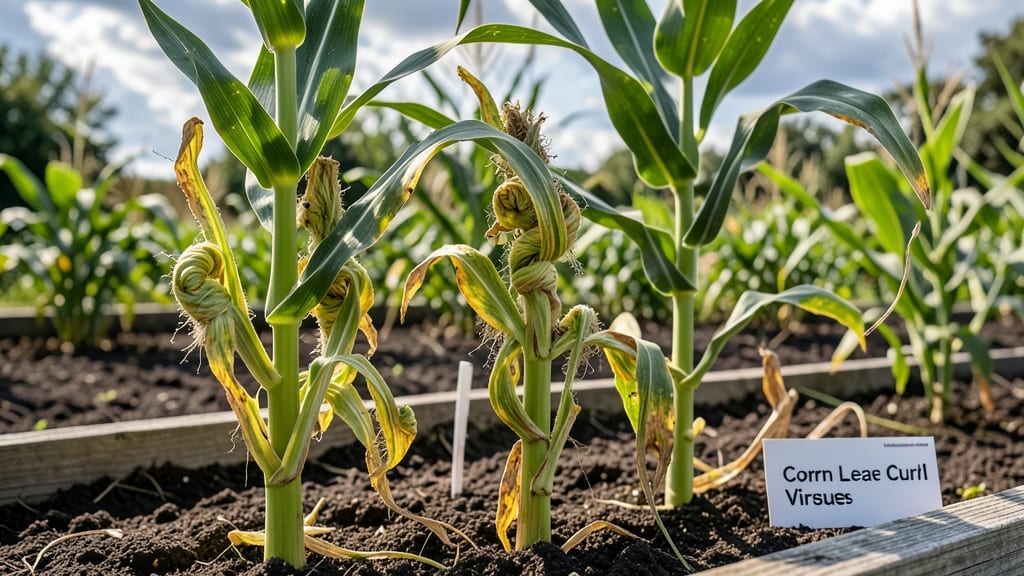
Your corn leaves curled overnight—the corn leaf curl is already spreading with those crispy edges that scream "virus attack." 🌱 I've seen this destroy harvests, but there's a copper-free way to rescue your plants in 24 hours without losing the whole season.
The culprit is usually a virus spread by aphids, but the good news? You can still save your plants with targeted sprays and prevention. My favorite method combines neem oil, insecticidal soap, and sticky traps to break the cycle fast—no harsh chemicals needed.
Within 24 hours, you'll see the curling slow down as aphids disappear and new growth stays crisp and healthy. The key is acting fast before the virus spreads to other plants in your garden.
Works for tomatoes, peppers, and corn alike—just adjust the spray frequency based on how bad the infestation is. Here's the exact routine that's saved my garden every season.
Understanding The Root Causes
When your corn leaves start curling at the edges—especially when you’re aiming for that perfect, crispy finish—it’s rarely just about the heat. Several key factors can trigger this frustrating issue, often working together. Let’s break down the real culprits behind the curl so you can tackle them head-on.
Corn leaves curl when exposed to excessive or inconsistent heat, whether from a leaf blower, oven, or even direct sunlight. Here’s why:
- Moisture Loss: Heat causes the surface moisture in corn leaves to evaporate rapidly. As the outer layers dry out faster than the inner layers, they contract and curl inward.
- Cell Structure Stress: Plant cells contain water, and when heat disrupts this balance, the cells shrink unevenly. This is especially true for thin, delicate leaves like those of corn.
- Blower Pressure Impact: If you’re using a leaf blower to dry or crisp the edges, too much airflow can create localized hot spots. The leaves may curl where the air hits directly while other areas remain damp.
Pro Tip: 💡 Use a gentle, even airflow when drying leaves—hold the blower 12–18 inches away and move it steadily to avoid concentrated heat. For oven methods, preheat to 300°F (150°C) max and monitor closely.
Corn leaves that are still damp when exposed to heat will steam instead of crisp, leading to uneven cooking and curling. Here’s the science:
- Steam Trapping: Moisture trapped between leaf layers creates steam pockets. When heated, this steam expands and forces the edges to curl upward.
- Starch Gelatinization: Damp starches in the leaves absorb heat unevenly, causing the edges to stiffen and curl before the center cooks through.
- Blower Backlash: If you blow hot air onto wet leaves, the moisture condenses back onto cooler surfaces, reversing your drying progress and worsening the curl.
Action Step: 🔥 Pat leaves dry with paper towels before any heat treatment. For stubborn moisture, use a cool fan on low for 5–10 minutes to evaporate water without cooking the edges.
Not all corn leaves react the same way to heat. Young, tender, or damaged leaves are far more prone to curling because:
- Thin Cell Walls: Immature leaves have softer, thinner cell walls that can’t withstand heat stress. Their structure collapses under pressure.
- Higher Water Content: New growth leaves hold more moisture, making them curl faster when heated.
- Physical Weakness: Leaves with tears, bruises, or insect damage have broken cell integrity, causing uneven heat absorption and curl formation.
Solution: 🌡️ Select fully mature, intact leaves for crisping. If using younger leaves, reduce heat intensity (e.g., lower oven temps or shorter blower bursts).
Sometimes, the curl isn’t about heat at all—it’s about surface coatings that react when exposed to airflow or dryness. Common culprits include:
- Pesticide Residues: Chemicals like neonicotinoids or fungicides can leave a waxy film on leaves. When heated, this film melts or hardens unevenly, causing the edges to pucker.
- Natural Waxes: Some corn varieties have a cuticular wax layer that contracts when dry, pulling the edges inward.
- Blower Oil Buildup: If your leaf blower has oil residue (from old fuel or lubricants), it can coat leaves and create a sticky, curl-inducing barrier.
Fix It: ✨ Rinse leaves with water before drying if you suspect chemical residues. For waxy leaves, lightly brush them with a dry paper towel to remove excess coating before crisping.
By identifying which of these factors is at play in your kitchen or garden, you can prevent the curl and achieve those perfect, crispy edges every time. Next up: How to Reverse It in 24 Hours.
Quick Fixes for Crispy Corn Edges
If your corn leaves are curling at the edges like a crispy chip gone wrong, don’t panic—there are simple, copper-free solutions to restore that perfect golden finish. The key is addressing the root cause (like humidity, heat, or drying too fast) while tweaking your cooking method.
Here’s how to turn those sad, wavy edges into crispy, golden perfection in under 24 hours.
If your leaf blower’s airflow is too intense or the air is too dry, it can dry out the corn edges faster than they can crisp. Try these adjustments:
- 🍳 Lower the heat setting – Reduce the blower’s temperature by 10-15% to slow down moisture loss while still achieving crispiness.
- 👨🍳 Increase distance – Hold the blower 6–8 inches farther away to distribute heat more evenly and prevent scorching.
- ⏰ Short bursts, not continuous blasting – Work in 10–15 second intervals, then let the corn rest for 30 seconds before repeating.
Low humidity is a sneaky culprit behind uneven crisping. If your kitchen feels like a desert, try these tricks:
- 💡 Use a damp towel trick – Place a slightly damp kitchen towel near the blower (not too close!) to add moisture to the air without soggy results.
- 🍎 Pre-mist the corn lightly – Before blasting, lightly spray the corn edges with a fine mist of water (let it air-dry for 5 minutes first). This creates a steam barrier that helps crisping happen more evenly.
- ✨ Cover with a lid (briefly) – After blasting, tent the corn with a lid or foil for 2–3 minutes to trap moisture, then blast again for final crispiness.
If some leaves are already curling beyond salvation, don’t waste time—cut your losses:
- 🔪 Snip the worst edges – Use clean scissors to trim the most curled or uneven parts before blasting. This gives you a fresh surface to work with.
- 🍳 Blast in stages – Focus on the trimmed edges first with lower heat, then gradually increase intensity for the rest of the leaf.
Once you’ve saved your current batch, keep these tips in mind for foolproof results next time:
- 🌡️ Monitor humidity levels – Use a hygrometer to keep humidity between 40–50%. If it’s too low, add a humidifier or place a bowl of water near your blower.
- 💡 Preheat your blower properly – Let it run for 2–3 minutes to stabilize temperature before blasting. Cold air can shock the corn and cause uneven drying.
- 🍎 Choose the right corn – Opt for slightly thicker leaves (like sweet corn or sugar corn) as they hold up better to high heat.
- ⏰ Work in small batches – Overcrowding traps steam and slows crisping. Blast one leaf at a time for consistent results.
With these tweaks, your corn edges will go from sad and wavy to crispy, golden, and restaurant-worthy in no time. Happy blasting! 🌽✨
Frequently asked questions
What are the first signs of corn leaf curl disease?
Look for small, upward-curling leaves at the plant's growing tips, followed by yellowing or reddening between leaf veins. Later stages show stunted growth and distorted, brittle leaves that resemble a "cup" shape. These symptoms appear within 2-4 weeks of infection.
Can I save plants already showing corn leaf curl?
Mild cases may recover with immediate action: remove severely infected leaves and apply neem oil spray (1 tablespoon per quart of water) every 5-7 days to control aphids. For advanced cases, consider pruning entire infected plants to prevent spread, though recovery isn't guaranteed.
How do I prevent corn leaf curl from spreading?
Start with aphid control—use sticky traps and reflective mulch to deter them. Plant resistant varieties like 'Pioneer 33D62' for corn or 'Defiant' for tomatoes. Remove volunteer plants and rotate crops annually to break the virus cycle.
Will copper sprays help with corn leaf curl?
No, copper sprays won't work—this disease is virus-caused, not fungal. Copper only treats bacterial/fungal issues. Focus instead on aphid management and plant hygiene to prevent new infections. Organic options like kaolin clay can create a protective barrier.