
Pests and Diseases
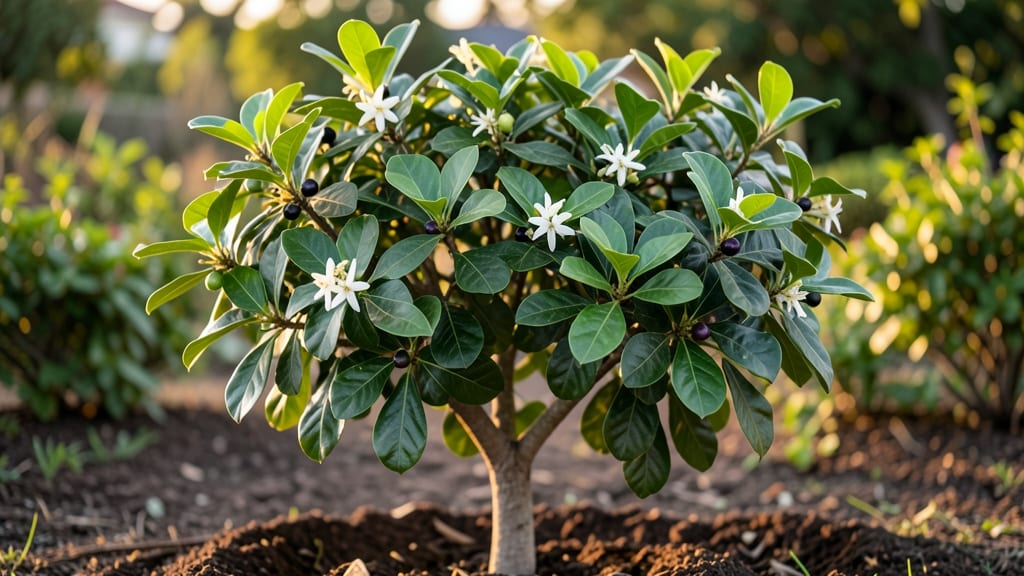
Growing curry leaf trees in San Francisco means fresh, fragrant leaves year-round with almost no effort. 🌿 These tropical plants thrive in the Bay Area’s mild climate, even in containers on patios or balconies, where they’ll reward you with lush, aromatic foliage that’s perfect for cooking.
The key is mimicking their native conditions: bright, indirect light (like a dappled oak tree), well-draining soil, and regular watering—never soggy roots. In SF’s coastal zones (7-10), they handle the mild winters just fine, though a light frost can damage tender new growth.
I’ve kept mine going for years by bringing pots indoors during rare cold snaps or wrapping them in frost cloth. You’ll start harvesting leaves within a few months, and the plants grow slowly but steadily, reaching 6-10 feet tall if given space.
The leaves stay tender and flavorful all season, and the small white flowers in spring add a bonus burst of charm. Best part? They’re pest-resistant and rarely need pruning beyond occasional trimming to shape them.
For San Francisco gardeners, local nurseries like Planting Fields or Urban Sprouts carry healthy starts, or you can order from online suppliers specializing in tropical plants. The UCCE Master Gardeners also offer free advice for Bay Area growers—just give them a call!
📚 In This Guide
- What you need
- Instructions
- Tips and common mistakes
- Wrapping up and next steps
What you need
- ● Curry leaf sapling or seeds: Purchase a healthy, disease-free Murraya koenigii plant from a local nursery (e.g., Urban Sprouts or The Plant). Saplings (3–6 months old) are easier to transplant than seeds.
- ● Well-draining potting mix: 5–10 gallons of a blend like cactus/succulent mix (60%) + perlite/vermiculite (30%) + compost (10%). Avoid heavy clay soil!
- ● Container or garden bed: For containers: A 5–7 gallon pot with drainage holes (minimum 12" diameter). Terracotta or fabric pots work best.
- ● For ground planting: A sunny, sheltered spot with at least 6 hours of light daily (partial shade in summer). San Francisco’s microclimates? Test your spot first!
- ● Fertilizer: A balanced, organic fertilizer (e.g., 10-10-10 or fish emulsion) or slow-release granules (like Osmocote). Apply every 4–6 weeks in growing season (spring–fall).
- ● Pruning shears: Sharp, sterilized shears (or a small hand saw for thicker branches). Disinfect with rubbing alcohol between cuts!
- ● Watering can or hose with nozzle: A gentle spray attachment helps avoid overwatering.
- ○ Mulch (optional but recommended): Wood chips or straw (2–3 inches thick) to retain moisture and regulate soil temperature.
- ● Soil moisture meter: Curry leaves hate soggy roots—this tool prevents overwatering in SF’s unpredictable rain.
- ● Shade cloth (30–50% coverage): Protect young plants from intense afternoon sun (especially in summer).
- ● Pest control: Neem oil (for aphids or mites).
- ● Sticky traps (to monitor for whiteflies).
- ● Support stake or trellis: If growing in a container, a lightweight stake helps as the tree matures (up to 10–15 ft tall!).
- ● Humidity tray: A pebble tray with water can boost humidity for indoor plants during SF’s dry summers.
How to grow curry leaf trees in San Francisco’s mild climate
San Francisco’s coastal weather is perfect for curry leaf trees—here’s how to keep them lush all year with minimal fuss.
🌱 Step 1: Choose the Right Spot and Container
Curry leaf trees thrive in partial shade to morning sun—ideal for San Francisco’s foggy afternoons. Pick a 6-8 gallon container with drainage holes (unglazed terra cotta works best). Place it near a north- or east-facing window or a sheltered patio where temperatures stay between 50-85°F. Avoid cold drafts or direct afternoon sun, which can scorch leaves.
Fill the container with well-draining potting mix (I blend equal parts cactus/succulent mix and perlite for aeration). The soil should feel slightly damp but not soggy when squeezed—curry leaves hate wet feet. Add a 2-inch layer of gravel at the bottom to prevent root rot, a common issue in SF’s damp winters.
☀️ Step 2: Plant and Water for Establishment
Dig a hole twice as wide as the root ball but only as deep. Gently remove the plant from its nursery pot and loosen tangled roots with your fingers. Place it in the hole, then backfill with soil, pressing lightly to eliminate air pockets. Water deeply until it drains from the bottom holes—this settles the roots and prevents shock.
Water every 5-7 days in summer, but cut back to every 10-14 days in winter when growth slows. The key is consistency: let the top 1-2 inches of soil dry out between waterings. Too much moisture causes yellowing leaves, while underwatering makes them crispy at the edges. I test moisture by sticking my finger in—if it feels dry past the first knuckle, it’s time to water.
✂️ Step 3: Prune and Fertilize for Year-Round Growth
Prune lightly in early spring to shape the tree and encourage bushier growth. Trim back leggy branches to a leaf node (the bump where leaves attach) using clean, sharp pruners. Avoid heavy pruning—curry leaves regenerate slowly. Remove any yellow or damaged leaves immediately to prevent fungal spread in SF’s humid summers.
Feed every 6-8 weeks with a balanced liquid fertilizer (10-10-10) diluted to half strength. In winter, switch to a low-nitrogen formula (5-5-5) to support dormancy. I fertilize after watering to prevent root burn, and always rinse the soil after 30 minutes to avoid salt buildup—SF’s tap water is already mineral-heavy.
🪴 Step 4: Protect From Winter Chills and Pests
San Francisco’s mild winters rarely drop below 40°F, but curry leaves can suffer if exposed to sudden cold snaps. Move containers indoors near a bright window if temperatures dip below 45°F, or wrap the pot in bubble wrap for insulation. Watch for aphids (tiny green bugs on new growth) and spider mites (fine webbing on undersides)—common in SF’s dry indoor air. Spray infested areas with neem oil and water weekly to deter pests.
Rotate the pot quarter-turn weekly to ensure even sunlight exposure. You’ll notice new growth leaning toward the light—this is normal, but it’s a sign to adjust the plant’s position. By late summer, you’ll see small white flowers (if pollinated) followed by red berries, but focus on leaf production for culinary use. Harvest leaves by pinching off stems—don’t cut, as it damages the plant.
Tips & tricks for thriving curry leaf trees in San Francisco
Here's what nobody tells you about keeping these fragrant trees happy in SF's unique microclimates.
Container Selection: Skip the plastic pots—curry leaf trees need breathable containers. Unglazed terra cotta is ideal because it allows moisture to evaporate naturally, but any container with drainage holes works. I've had success with ceramic pots too, just avoid anything that traps moisture at the roots. Remember, the 6-8 gallon size in Step 1 is perfect for young trees, but you'll need to upgrade within 2-3 years as roots expand.
Soil Mix Strategy: The cactus/succulent mix and perlite combo in Step 1 creates the perfect drainage, but here's the secret: add a handful of worm castings when planting. This gives your tree a nutrient boost without overwhelming it. The castings also improve soil structure, helping roots establish faster in SF's dense clay soil. Just mix it right into the potting soil before planting.
Watering Wisdom: The finger test in Step 2 is foolproof, but here's the real trick: water in the morning. This gives leaves time to dry before SF's evening fog sets in, reducing fungal risks. And when you water, aim for the soil—not the leaves. I use a watering can with a narrow spout to direct water right at the base, preventing leaf spots that can occur in our humid summers.
Winter Protection: The 45°F threshold in Step 4 is critical, but don't wait until the last minute to move your tree indoors. When temps dip toward the low 50s at night, it's time to bring it in. I place mine near a south-facing window where it gets bright light but stays warm. The bubble wrap trick works well, but I've also used moving blankets for extra insulation during cold snaps.
Pro Tips for Curry Leaf San Francisco Ca
- Here's what nobody tells you about keeping these fragrant trees happy in SF's unique microclimates.
- Container Selection: Skip the plastic pots—curry leaf trees need breathable containers.
- Soil Mix Strategy: The cactus/succulent mix and perlite combo in Step 1 creates the perfect drainage, but here's the secret: add a handful of worm castings when planting.
Frequently asked questions
Where’s the best place to plant a curry leaf tree in San Francisco?
Curry leaf trees thrive in well-draining soil with full sun (6+ hours/day). In SF’s climate, plant them in containers or raised beds if your yard is windy or has poor drainage. Coastal areas (like the Sunset District) may need extra shelter from salt spray. Pro tip: Avoid low-lying spots where cold air pools!
What pests or diseases should I watch for in SF’s mild climate?
SF’s humidity and mild winters can attract aphids, mealybugs, or scale insects. Yellowing leaves? Check for sooty mold (a fungal hitchhiker on sap-sucking pests). Solution: Spray with neem oil or introduce ladybugs. Overwatering can cause root rot—let soil dry slightly between waterings.
Do curry leaf trees survive SF’s occasional frost?
Young trees (<1 year) are frost-sensitive! If temps drop below 28°F, move potted trees indoors or cover them with burlap. Mature trees (3+ years) often recover, but prune damaged leaves in spring. Bonus: Mulch the base to insulate roots!
Can I grow curry leaves indoors in San Francisco?
Yes! Place your tree near a south-facing window (or use grow lights). Use a well-draining potting mix and a pot with drainage holes. Rotate the pot weekly for even growth. Watch for spider mites—dry indoor air loves them! Mist leaves occasionally or use a pebble tray.
How often should I harvest curry leaves, and does it harm the tree?
Harvest 20-30% of leaves at a time, leaving enough for photosynthesis. Prune in spring/summer for best regrowth. Never harvest in winter—the tree needs all its energy to survive SF’s cooler months. Pro move: Snip leaves with clean scissors for a cleaner cut!
What’s a good alternative if curry leaf trees don’t thrive in my SF spot?
Try citronella grass (mosquito-repelling!) or lemongrass—both love SF’s climate. For a similar flavor, bay leaves (Laurus nobilis) are hardy and pest-resistant. Just know they’re not the same as curry leaves in cooking!
Wrapping up and next steps
Growing a curry leaf tree in San Francisco is totally doable—even for busy gardeners! 🌿 With just a few simple steps and minimal care, you can enjoy fresh leaves year-round for your favorite dishes. Whether you’re battling pests like spider mites or ensuring proper drainage, this guide has you covered.
Now that you’re armed with the knowledge, why not take the next step? Start by checking your local nursery for a healthy sapling, or propagate one from a trusted source. Your kitchen—and taste buds—will thank you! 🌱