
Plants
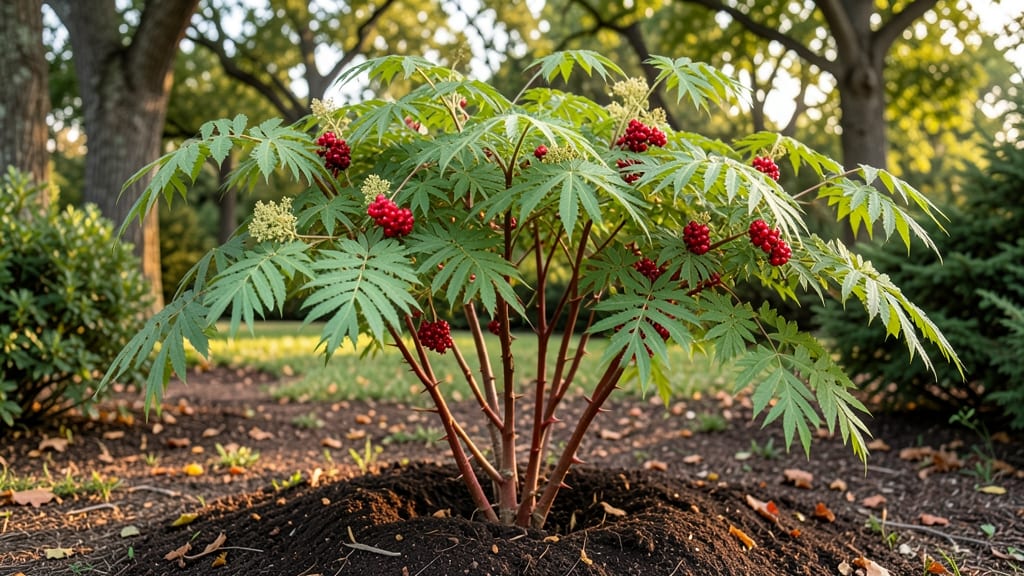
Growing cutleaf staghorn sumac means adding a drought-proof four-season showpiece that thrives on neglect. 🌿 This native shrub’s feathery foliage turns fiery red in fall, and its bright red berries feed birds through winter—all while demanding almost no care.
The secret to success is simple: plant it in full sun where roots can spread freely, and forget about fussing over soil. It handles poor, rocky, or sandy ground equally well, making it perfect for slopes, rain gardens, or even tough urban spots.
Just avoid soggy soil, and you’ll have a plant that outlasts most garden trends. By late summer, you’ll see those iconic velvety red berries forming, followed by the showstopper fall color that turns entire landscapes golden. The best part?
It grows 10–15 feet tall naturally, so no pruning is needed unless you want to shape it. Ideal for zones 3–9, this sumac is the ultimate low-maintenance star for pollinators, wildlife, and lazy gardeners alike. Here’s how to get started without the guesswork.
📚 In This Guide
- What you need
- Instructions
- Tips and common mistakes
- Wrapping up and next steps
What you need
- ● Cutleaf staghorn sumac plant: 1 nursery-grown sapling (3–5 gallons in container) or bare-root stock. Look for healthy specimens with vibrant red stems and lush foliage.
- ● Well-draining soil: Native soil amended with compost (2–3 inches) or a 50/50 mix of garden soil and coarse sand (pH 6.0–7.5). Avoid heavy clay.
- ● Sunlight: Full sun (6+ hours/day) for optimal growth and striking foliage.
- ● Water: Hose or watering can (1–2 gallons per week during establishment, then drought-tolerant once rooted).
- ○ Mulch (optional but recommended): 2–3 inches of wood chips or straw to retain moisture and suppress weeds.
- ● Garden gloves (to protect hands from thorns).
- ● Trowel or shovel (for planting).
- ● Pruning shears (sterilized with rubbing alcohol) for shaping or removing dead branches.
- ○ Stakes (optional): 3–4 4–6 ft wooden or metal stakes + twine if your sumac needs temporary support.
- ○ Fertilizer (optional): Balanced 10-10-10 granular fertilizer (1 tbsp per plant) in early spring only if soil is poor.
Step-by-Step instructions for planting and caring for cutleaf staghorn sumac
Here's how to grow this stunning, drought-resistant shrub with minimal fuss—perfect for adding bold texture to any landscape.
🌱 Step 1: Choose the Perfect Planting Spot
Cutleaf staghorn sumac thrives in full sun to partial shade, but the most dramatic foliage develops when it gets at least 6 hours of direct sunlight daily. I always plant mine where it won’t be crowded—this shrub spreads 6-10 feet wide over time, so give it room to shine. Look for areas with well-draining soil; sumac hates soggy roots.
If your soil is heavy clay, mix in 2-3 inches of compost to improve drainage. The plant’s natural resilience means it tolerates poor soil better than most, but a little organic matter speeds up establishment. Test the spot by digging a 12-inch hole—if water pools after 30 minutes, amend the soil or choose a higher elevation.
🪴 Step 2: Plant at the Right Time and Depth
Spring or early fall are the best times to plant—sumac roots establish quickly when temperatures are mild. Dig a hole twice as wide as the root ball but only as deep as the container it came in. This prevents burying the stem, which can cause rot. Gently loosen the roots if they’re circling tightly in the pot.
Place the plant in the hole and backfill with native soil, pressing lightly to remove air pockets. Water deeply right after planting to settle the soil and encourage root contact. You’ll know it’s done right when the soil surface looks slightly compacted but not rock-hard. Mulch with 2-3 inches of organic mulch (like wood chips) around the base, keeping it 6 inches away from the stem to prevent moisture buildup.
☀️ Step 3: Water Deeply but Infrequently
Cutleaf staghorn sumac is drought-tolerant once established, but young plants need consistent moisture. Water deeply once a week during the first growing season, aiming for 1-1.5 inches of water per session. Let the top 2-3 inches of soil dry out between waterings—this encourages deep root growth. Overwatering is the biggest mistake beginners make; sumac roots rot easily in soggy conditions.
After the first year, reduce watering to every 2-3 weeks unless your area experiences extreme heat or prolonged dry spells. Mature plants can go months without supplemental water once their roots spread widely. You’ll see healthy growth when new leaves unfurl bright green and the plant’s natural arching habit becomes more pronounced.
✂️ Step 4: Prune for Shape and Health
Pruning isn’t strictly necessary, but it keeps sumac looking its best. The best time to prune is late winter or early spring, before new growth begins. Remove any dead, diseased, or crossing branches first—sumac handles pruning well, so don’t hesitate to cut back overgrown stems. You can also trim to shape, but avoid heavy pruning; this shrub’s natural, airy form is part of its charm.
If you want to encourage bushier growth, cut back some of the longest stems by one-third in early spring. Watch for new shoots emerging from the base—these indicate vigorous regrowth. Never prune in fall, as new growth won’t harden off before winter, making it vulnerable to cold damage.
🌿 Step 5: Enjoy Year-Round Interest
Sumac’s beauty isn’t just seasonal—it delivers drama all year. In spring, bright red shoots emerge, followed by lacy, compound leaves that turn fiery red, orange, or purple in fall. The bright red berry clusters add winter interest and attract birds. To keep the foliage vibrant, fertilize lightly in early spring with a balanced, slow-release fertilizer only if your soil is very poor.
This shrub is virtually pest- and disease-free, making it a low-maintenance star. If you notice yellowing leaves, it’s usually a sign of overwatering or poor drainage—adjust your care routine immediately. With minimal effort, cutleaf staghorn sumac will reward you with years of bold, textured beauty in even the driest landscapes.
Tips & tricks for perfect cutleaf staghorn sumac growth
These game-changing insights will help you coax the most vibrant, healthy growth from your sumac—without the guesswork.
Sunlight Strategy: While sumac tolerates partial shade, the 6 hours of direct sunlight mentioned in Step 1 is non-negotiable for that showstopping fall color. If your yard has limited sun, position it where it gets morning sun and afternoon shade—this balance prevents leaf scorch while maximizing growth. I’ve seen sumac in full shade still survive, but the foliage becomes sparse and less dramatic. Trust me, the extra 30 minutes of morning sun makes all the difference!
Soil Test Hack: Before planting, do a quick soil test using the 30-minute water test from Step 1. If water pools after 30 minutes, you’ve got heavy clay soil. The fix? Mix in 2-3 inches of compost—this isn’t just about drainage, it’s about creating a sponge-like environment that holds moisture while allowing excess to drain. I’ve had sumac thrive in amended clay that would’ve drowned other plants.
Watering Wisdom: The 1-1.5 inches per week rule in Step 3 is perfect for most climates, but here’s the secret: water in the morning. This gives roots time to absorb moisture before afternoon heat evaporates it. If you’re in a hot, dry climate, split that watering into two sessions—morning and evening—to prevent stress. Overwatering is the silent killer, so always check that top 2-3 inches of soil—if it’s damp, wait another day.
Pruning Pro Tip: When you’re cutting back those long stems by one-third in Step 4, focus on the oldest growth first. These stems are often woody and less productive. I like to make clean cuts just above a leaf node or side branch—this encourages new growth from exactly where you want it. And here’s a bonus: those cut stems make fantastic firewood if you’re feeling resourceful!
Pro Tips for Cutleaf Staghorn Sumac
- These game-changing insights will help you coax the most vibrant, healthy growth from your sumac—without the guesswork.
- Sunlight Strategy: While sumac tolerates partial shade, the 6 hours of direct sunlight mentioned in Step 1 is non-negotiable for that showstopping fall color.
- Soil Test Hack: Before planting, do a quick soil test using the 30-minute water test from Step 1.
Frequently asked questions
about growing cutleaf staghorn sumac—your go-to answers for thriving with this drought-resistant beauty!Is cutleaf staghorn sumac really low-maintenance?
This sumac thrives on neglect—once established, it tolerates drought, poor soil, and even urban pollution. Water lightly for the first year, then let nature take over. Pro tip: Mulch occasionally to suppress weeds, but avoid overdoing it—sumac hates soggy roots.
How fast does cutleaf staghorn sumac grow?
Expect 2–3 feet per year in ideal conditions (full sun, well-drained soil). In drought-prone areas, growth slows but remains sturdy. Prune lightly in late winter to shape it, but avoid heavy cuts—this sumac loves its natural, wild form!
Can cutleaf staghorn sumac survive extreme heat or cold?
This hardy plant handles USDA Zones 3–9, making it versatile for most climates. In scorching summers, its deep roots keep it hydrated; in winter, its branches may die back but regrow vigorously in spring. Bonus: Its fiery fall colors add drama even in harsh weather!
What are some alternatives if I can’t grow cutleaf staghorn sumac?
Try these drought-tolerant, low-maintenance shrubs:
- Dwarf sumac (Rhus copallina ‘Pendula’) – Compact with similar foliage.
- Russian olive (Elaeagnus angustifolia) – Thrives in poor soil but invasive in some areas.
- New Jersey tea (Ceanothus spp.) – Native, pollinator-friendly, and drought-resistant.
Why are my sumac leaves turning brown or yellow?
Brown/yellow leaves usually signal overwatering or fungal issues (like powdery mildew). Ensure soil drains well and prune affected branches. Preventative tip: Space plants 6–10 feet apart for airflow. If pests (like spider mites) appear, spray with water or neem oil—sumac rarely needs harsh chemicals!
Wrapping up and next steps
Growing cutleaf staghorn sumac is a rewarding way to add bold, drought-resistant beauty to your garden with minimal effort! Its striking foliage and adaptability make it a standout choice for both beginners and seasoned gardeners alike. 🌿✨
Now that you’re armed with the how-to, why not take the next step? Plant one this season and watch it thrive—your landscape (and local wildlife!) will thank you. Happy gardening! 🌱