
Pests and Diseases
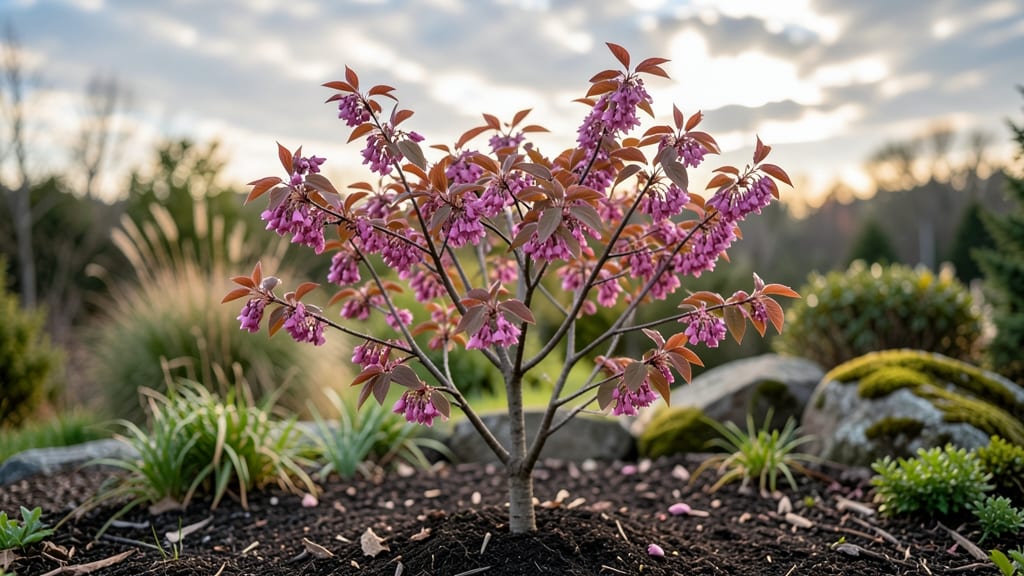
That distinctive eastern redbud leaf shape—heart-shaped and instantly recognizable—is what makes these trees so captivating. 🌿 The perfect oval with a deep notch at the base isn't just pretty—it's a clue that tells you exactly when to prune for the best spring blooms.
Those leaves start fuzzy and silvery in spring, then turn glossy green by summer, and finally blaze orange-red before falling.
What sets redbud leaves apart is their smooth edges and prominent veins that fan out like delicate lace. Unlike maple leaves, they lack lobes, and their 3-5 inch length keeps them compact enough for small gardens.
The leaf shape actually guides pruning timing—wait until after they fully unfurl in late spring to avoid cutting off next year's flowers.
You'll notice how the leaves grow in a zigzag pattern along the stems, creating a layered effect that makes the tree look lush even when bare. This growth habit means pruning should focus on opening up the center rather than just trimming the edges.
The goal is to let sunlight reach the inner branches where those stunning pink blossoms form.
For garden placement, the leaf shape works beautifully in sunny to partly shady spots—just avoid heavy shade where the leaves get sparse. Pair it with other early bloomers like serviceberry or witch hazel, and you'll have a spring display that's all about those iconic heart-shaped leaves.
📚 In This Guide
- What you need
- Instructions
- Tips and common mistakes
- Wrapping up and next steps
What you need
- ● Pruning shears: Bypass pruners (sharp, clean, and sterilized with rubbing alcohol) for small branches.
- ● Loppers: 6–8" bypass loppers for thicker stems (1–2" diameter).
- ○ Hand pruners: Anvil-style for quick cuts (optional, but handy for precision).
- ● Gloves: Heavy-duty gardening gloves (nitrile-coated for grip and protection).
- ● Disinfectant: 70% isopropyl alcohol or a 10% bleach-water solution (1 part bleach to 9 parts water).
- ○ Pruning sealant: Tree wound pruning paste (optional, for larger cuts > ½").
- ● Marking twine or flags: Colored twine or small stakes to tag branches for removal.
- ● Timing: Prune in late winter or early spring (before buds swell) or immediately after flowering (avoid summer pruning).
- ● Weather: Choose a dry, overcast day to prevent stress on the tree.
- ● Safety gear: Safety glasses (to shield from debris) and long sleeves/pants (for tick protection).
- ● Tree health check: Inspect the redbud for diseases (e.g., powdery mildew) or pests (e.g., Japanese beetles) before pruning.
- ● Cleanup supplies: Heavy-duty trash bags (for debris) and a wheelbarrow or bucket.
- ● Leaf shape guide: Printed reference images of ideal eastern redbud leaf shapes for comparison.
- ● Extension pole: 3–4 ft. pole saw for high branches (if you’re not using a ladder).
- ● Camera: Smartphone or instant camera to document progress (and flex on your gardening skills!).
- ● Mulch: Shredded bark or wood chips to protect the root zone post-pruning.
Instructions for pruning eastern redbud for perfect heart-shaped leaves
Here's how I transform leggy redbuds into showstopping specimens with those iconic heart-shaped leaves.
✂️ Step 1: Time Your Pruning for Optimal Growth
Prune your eastern redbud right after flowering but before new leaves harden—typically in late April or early May. This timing ensures you're shaping the plant when it's actively growing but hasn't yet committed to next year's leaf structure. I always wait until after the pink blooms fall completely, as cutting then risks removing flower buds for next season.
Look for new growth that's ¼-inch long—this signals the plant has finished its main flush of spring growth but still has energy to respond to pruning. If you prune too early, you'll encourage more flowering at the expense of leaf development. Too late, and the plant becomes stubborn about new growth.
🌿 Step 2: Identify and Remove Problem Branches
Start by locating branches that grow straight up or cross others—these are your first targets. I look for stems that are thinner than a pencil or growing at sharp angles from the trunk. These weak branches never develop proper leaf structure and compete with stronger growth. Use sharp pruning shears to cut just above a bud that faces outward.
Don't worry about removing small branches—redbuds are forgiving. The goal is to open up the center of the plant so light reaches all branches. You'll see the difference immediately as sunlight hits the inner leaves you couldn't see before. This is when the heart-shaped leaves really start to pop against the spring sky.
✂️ Step 3: Shape for Balanced Canopy Growth
Step back and visualize your redbud as a rounded vase shape—wider at the top than the bottom. I start at the bottom and work upward, cutting branches that grow inward or downward. Make your cuts at a 45-degree angle just above a leaf node where you want new growth to emerge. This angle prevents water from pooling on the cut.
Pay special attention to the outer edges of the plant—these branches should be slightly longer than the inner ones to create that classic rounded silhouette. You'll know you're doing it right when you can see light filtering through the center without casting dark shadows. The heart-shaped leaves will naturally follow this structure as they develop.
💧 Step 4: Post-Pruning Care for Healthy Regrowth
After pruning, give your redbud a deep watering to help it recover. I water at the base rather than overhead to prevent fungal issues. The first few weeks are critical—watch for new growth emerging from the cut areas. This should happen within 3-4 weeks if conditions are right. If you don't see new buds forming, you may have pruned too late in the season.
Apply a balanced fertilizer (10-10-10) around the root zone to support new growth. I avoid high-nitrogen fertilizers—they encourage leafy growth at the expense of those perfect heart shapes. Instead, focus on creating an environment where the plant can develop its natural leaf structure. The results will be worth the patience.
☀️ Step 5: Maintain Through the Growing Season
Throughout summer, monitor your redbud for water sprouts—those fast-growing, vertical shoots that appear after pruning. Remove these immediately as they compete with your desired leaf structure. I check my plants every 2-3 weeks during the growing season, making small adjustments to maintain that perfect rounded form.
The key to maintaining those heart-shaped leaves is consistent light exposure. If you notice leaves becoming smaller or losing their characteristic shape, your plant may be getting too much shade. Redbuds need at least 6 hours of sunlight daily to develop their signature foliage. You'll see the difference in leaf size and shape within just a few weeks of adjusting their position.
Tips & tricks for perfect eastern redbud pruning
These little details make all the difference between ordinary pruning and the kind of transformation that reveals those stunning heart-shaped leaves.
Timing is Everything: The window for perfect pruning is narrow—late April to early May when blooms have fallen but new leaves are still tender. I check the weather forecast first; if frost is predicted within 2 weeks, wait until after that threat passes. The plant's energy needs to focus on leaf development, not recovery from cold damage. Watch for those ¼-inch shoots as your signal to start—this is when the plant has finished its initial spring growth spurt.
Branch Selection Strategy: Here's what nobody tells you—don't just cut everything that looks wrong. Focus on branches growing straight up (they'll never develop proper leaf shape) and those crossing others (they create weak points). I use a simple test: if a branch is thinner than a pencil or grows at a sharp angle from the trunk, it's a candidate for removal. These branches never develop the strong structure needed for heart-shaped leaves, and they compete with healthier growth.
Cutting Technique Matters: That 45-degree angle isn't just for looks—it's about water runoff. When you make your cuts just above an outward-facing bud at this angle, you're creating a natural water channel away from the cut surface. This prevents fungal infections that can set back your plant's recovery. I always sterilize my pruning shears with rubbing alcohol between cuts to prevent spreading disease from one branch to another.
Light Exposure Secret: The magic happens when you can see sunlight filtering through the center of the plant. This isn't just about aesthetics—it's how redbuds develop their signature leaf shape. After pruning, I often reposition smaller plants to ensure they get their required 6 hours of sunlight daily. You'll notice within weeks how leaves on sunlit branches become larger and more distinctly heart-shaped than those in shade.
Pro Tips for Eastern Redbud Leaf Shape
- These little details make all the difference between ordinary pruning and the kind of transformation that reveals those stunning heart-shaped leaves.
- Timing is Everything: The window for perfect pruning is narrow—late April to early May when blooms have fallen but new leaves are still tender.
- Branch Selection Strategy: Here's what nobody tells you—don't just cut everything that looks wrong.
Frequently asked questions
Got questions about the eastern redbud leaf shape and how to keep those iconic heart-shaped leaves thriving? You’re in the right place! Here are answers to the most common queries—whether you're troubleshooting, planning, or just curious about this stunning tree.
Why do eastern redbud leaves look irregular or deformed?
Irregular leaf shapes in eastern redbuds often signal stress from pests (like aphids or spider mites), fungal diseases (such as powdery mildew), or environmental factors like drought or poor soil. Check for yellowing, holes, or webbing—these clues help pinpoint the issue. Prune affected branches in late winter to encourage fresh growth.
When is the best time to prune for optimal leaf shape?
Prune eastern redbuds right after flowering (late March–April) to avoid cutting off next year’s blooms. Focus on thinning crowded branches and shaping in early summer if needed. Avoid heavy pruning in fall or winter—this tree blooms on old wood, so timing matters!
Can I propagate eastern redbud from cuttings to grow my own?
Yes! Take semi-hardwood cuttings (4–6 inches long) in summer and dip them in rooting hormone. Use a mix of peat moss and perlite for moisture retention. Place cuttings in a shady, humid spot (like a greenhouse) and keep soil damp. Roots may form in 4–8 weeks—patience pays off!
How do I protect eastern redbud leaves from pests without chemicals?
Start with preventive care: Water at the base (not leaves) to deter pests, and apply neem oil or insecticidal soap as a natural barrier. Introduce beneficial insects like ladybugs or lacewings. For severe infestations, hose off aphids with a strong stream of water—often enough to restore those perfect heart shapes!
Are there alternatives to eastern redbud with similar leaf shapes?
If you love heart-shaped leaves but want variety, consider:
- Japanese redbud (Cercis canadensis var. albiflora) – White blooms, similar foliage.
- Korean dogwood (Cornus kousa) – Glossy leaves, showy flowers.
- Smoke tree (Cotinus spp.) – Fern-like leaves with a unique twist.
Wrapping up and next steps
The eastern redbud’s iconic heart-shaped leaves aren’t just stunning—they’re a testament to nature’s artistry and your green thumb’s potential! 🌿 By mastering pruning techniques, you’ve unlocked the secret to healthier growth, vibrant blooms, and that perfect foliage silhouette.
Now, take that confidence and keep nurturing your tree—whether it’s monitoring pests, adjusting pruning schedules, or simply admiring its progress.
Ready to level up your gardening game? Next, explore seasonal care tips or dive into identifying common redbud pests—your next pruning masterpiece awaits! 🌸