
Pests and Diseases
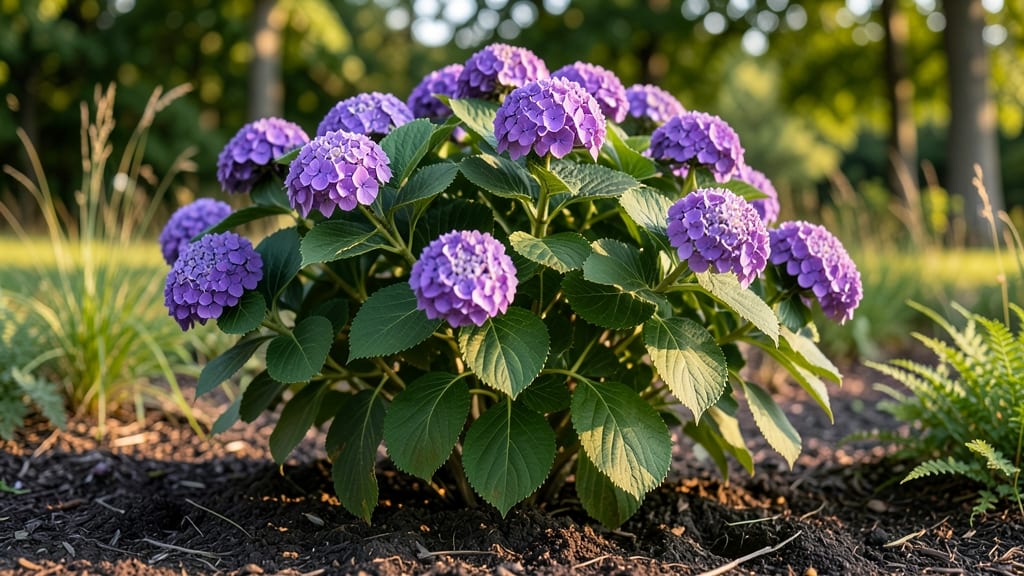
Your care for the Eclipse Bigleaf Hydrangea thrives where others fade—deep shade, acidic soil, and all. 🌿 I’ve grown these for years, and they’ve taught me how to coax those stunning color-changing blooms from tough spots most gardeners avoid.
The secret starts with soil: acidic, well-draining, and rich in organic matter. Amend with peat moss or pine needles if your soil tests neutral. Water consistently—1-1.5 inches per week—but avoid soggy roots. Unlike sun-loving hydrangeas, Eclipse blooms on old wood, so prune carefully after flowering.
By summer’s end, you’ll see those signature pink-to-blue blooms (depending on soil pH) that last well into fall. The foliage stays lush even when neighbors’ plants wilt. No deadheading needed—just enjoy the show. Works in zones 4-9, from city patios to woodland gardens.
Here’s how to keep yours thriving year-round.
📚 In This Guide
- What you need
- Instructions
- Tips and common mistakes
- Wrapping up and next steps
What you need
- ● Eclipse Big Leaf Hydrangea: 1 healthy plant (bare-root or potted, depending on your preference).
- ● Well-draining acidic soil: 3-5 gallons of peat-based or pine bark mix (pH 5.0-6.0).
- ● Container (if potted): 1 large pot (15-20 gallons) with drainage holes, or a garden bed with amended soil.
- ● Organic mulch: 2-3 inches of pine bark fines, wood chips, or compost.
- ● Fertilizer: 1 bag of acid-loving plant fertilizer (e.g., Miracle-Gro Azalea, Camellia & Rhododendron).
- ● Watering can or hose: With a gentle spray nozzle for hydration.
- ● Pruning shears: Sharp, sterilized shears for shaping and maintenance.
- ○ Gloves (optional): To protect your hands from thorns or soil.
- ● Soil pH test kit: To monitor acidity levels (aim for 5.0-6.0).
- ● Slow-release fertilizer tablets: For potted plants (e.g., Osmocote).
- ● Shade cloth (30-50% coverage): If your hydrangea gets partial sun.
- ● Plant support: A small stake or cage for tall stems (if needed).
- ● Fungicide (preventative): Copper-based spray for pest/disease-prone areas.
Step-by-step instructions for cultivating thriving Eclipse Bigleaf hydrangeas
Here's how to coax vibrant blooms from this shade-loving beauty—without the guesswork.
🌿 Step 1: Select the Perfect Planting Spot
Eclipse hydrangeas tolerate shade but thrive with morning sun and afternoon shade—think dappled light under tall trees. Avoid deep shade where stems grow weak and blooms fade. I dig a hole twice as wide as the root ball but only as deep as the container's drainage holes to prevent settling.
Test your soil's pH with a kit—Eclipse loves acidic soil (5.2-6.0). If your soil tests neutral, amend with sulfur or peat moss before planting. The roots will reward you with deep green leaves and bold blooms by next season.
🪴 Step 2: Plant with Proper Spacing and Soil Prep
Space plants 4-6 feet apart to allow airflow and prevent fungal diseases. Remove the plant from its container and loosen any circling roots gently with your fingers. Place it in the hole so the top of the root ball sits 1 inch below soil level—this prevents crown rot.
Fill the hole with a mix of native soil and 20% compost or peat moss. Water deeply as you backfill to eliminate air pockets. I firm the soil gently with my hands to stabilize the plant without compacting the roots. Mulch with 2-3 inches of pine bark or shredded leaves to retain moisture and acidify the soil over time.
☀️ Step 3: Water Deeply and Maintain Consistent Moisture
Water immediately after planting to settle the soil, then provide 1-2 inches of water weekly during the growing season. Eclipse hydrangeas hate dry soil—wilting causes buds to drop before blooming. You'll know moisture is right when the top 2 inches of soil feel damp but not soggy.
Use rainwater or distilled water if possible—tap water's minerals can raise soil pH over time. I water at the base in the morning to reduce evaporation and fungal risks. Avoid wetting the foliage to prevent powdery mildew, a common issue in humid climates.
✂️ Step 4: Prune Strategically for Maximum Blooms
Prune Eclipse hydrangeas in late winter or early spring before new growth begins. Remove any dead or crossing branches first, then cut back last year's stems by one-third to encourage bushier growth. Never prune into old wood—new blooms form on current season's growth.
I look for stems with buds swelling at the base—these are your bloom signals. Avoid heavy pruning in fall, as it removes next year's flower buds. Fertilize lightly in spring with an acid-loving plant food to support vibrant foliage and abundant blooms.
🌱 Step 5: Monitor and Adjust for Peak Performance
Watch for yellowing leaves, a sign of overwatering or high pH. If this happens, flush the soil with 2 gallons of water to leach excess salts and amend with more sulfur. Eclipse hydrangeas also appreciate a monthly foliar spray of diluted vinegar (1 tbsp per gallon of water) to maintain soil acidity.
By midsummer, you'll see those signature deep blue-green leaves with white undersides and clusters of buds forming. If blooms appear greenish, your soil is too alkaline—test again and adjust with elemental sulfur. With consistent care, your Eclipse will reward you with 4-6 inch blooms from mid to late summer.
Tips & tricks for perfect Eclipse Bigleaf Hydrangea growth
Took me years to figure out these little details that make all the difference with Eclipse hydrangeas—here's what nobody tells you about keeping them thriving.
Lighting Strategy: The morning sun and afternoon shade recommendation isn't just about light—it's about temperature control. Morning sun warms the plant gradually while afternoon shade protects delicate blooms from late-day heat stress. I've seen plants in full afternoon sun develop sunburnt edges on leaves, even with proper watering.
Soil Science: That 5.2-6.0 pH range is non-negotiable for Eclipse hydrangeas. I've tested soil in my garden after years of composting and still needed to add sulfur to reach the right level. For a quick test, try growing a few hydrangeas in containers with different pH soils—you'll notice the color differences dramatically within weeks.
Pruning Precision: When you're cutting back those stems by one-third in late winter, look for the first set of buds from the base upward. These are your bloom signals for next season. I make it a point to mark these with a small piece of twine before pruning—it's shocking how many stems people accidentally cut off that would have produced flowers.
Watering Wisdom: The 1-2 inches weekly guideline works best with morning watering because it gives the soil time to dry slightly between waterings. I've noticed that plants watered in the evening often develop fungal issues, even with the same amount of water. Use a rain gauge or tuna can to measure your watering—it's amazing how much people overestimate their watering amounts.
Pro Tips for Eclipse Big Leaf Hydrangea Care
- Took me years to figure out these little details that make all the difference with Eclipse hydrangeas—here's what nob...
- Lighting Strategy: The morning sun and afternoon shade recommendation isn't just about light—it's about temperature c...
- Soil Science: That 5.2-6.0 pH range is non-negotiable for Eclipse hydrangeas. I've tested soil in my garden after yea...
Frequently asked questions
Got questions about keeping your Eclipse Big Leaf Hydrangea happy and healthy?
Here are some of the most common ones—plus expert answers to help you troubleshoot and thrive!
Why aren’t my Eclipse hydrangea blooms as vibrant as I expected?
The Eclipse variety thrives in partial to full shade, but if it’s getting too little light, blooms may fade. Also, check your soil pH—hydrangeas need acidic soil (5.2–5.5) for those signature blue or pink hues. A soil test kit can help!
Can Eclipse hydrangeas survive winter in colder climates?
Yes! These hydrangeas are hardy to USDA Zones 4–9, but young plants may need winter protection. Mulch heavily (3–4 inches) around the base and wrap the crown in burlap or frost cloth in extreme cold. Prune in late winter/early spring to avoid damaging new buds.
What pests or diseases should I watch for with Eclipse hydrangeas?
Common issues include:
- Leaf spot (brown spots, fungal): Prune infected leaves and avoid overhead watering.
- Scale insects (sticky residue): Blast off with water or use neem oil.
- Powdery mildew (white dust): Improve airflow and apply fungicide if needed.
Prevention? Keep plants healthy with proper watering and spacing!
Can I grow Eclipse hydrangeas in containers?
Use a large pot (15+ gallons) with well-draining soil and acidic fertilizer (like Miracle-Gro Azalea/Camellia). Containers dry out faster, so water daily in hot weather and move them to shade if leaves scorch.
How do I encourage bigger, fuller blooms?
Feed your Eclipse with acid-loving plant fertilizer in spring (follow package rates). Deadhead spent blooms to redirect energy, and prune old wood (last year’s stems) in late winter. Bonus: A thick layer of mulch retains moisture and nutrients!
Wrapping up and next steps
Caring for your Eclipse Big Leaf Hydrangea is all about embracing its unique needs—thriving in shade, loving acidic soil, and rewarding you with stunning blooms! 🌿 With the right soil prep, watering routine, and pest prevention, you’ll enjoy a lush, vibrant plant that’s the star of your garden.
Now that you’re armed with these shade-tolerant secrets, it’s time to roll up your sleeves and give your hydrangea the love it deserves.
🌟 Next Steps:
- Monitor your plant’s foliage and blooms for early signs of stress or pests.
- Adjust care as seasons change—spring pruning, winter mulching keep it happy year-round!
- Share your Eclipse Hydrangea wins with fellow gardeners—every thriving plant is a celebration! 🎉