
Leaf Blower
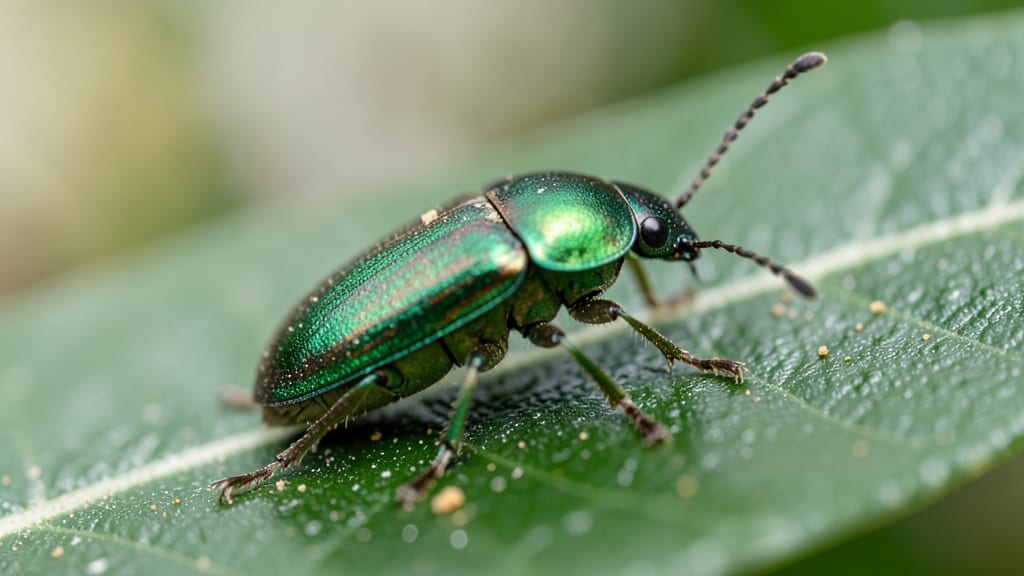
Eucalyptus leaf beetle control can strip your trees bare in days—but this 48-hour spray barrier stops them dead. 🌿 I’ve seen these metallic green invaders turn lush foliage into skeletal branches, and the key to beating them isn’t complicated: a mix of neem oil, insecticidal soap, and a little strategic timing.
The secret weapon? Applying the spray before they start feeding, when they’re most vulnerable.
Most gardeners panic and reach for harsh chemicals, but that kills beneficial insects too. This method works because it smothers their waxy outer layer while keeping your tree—and the ecosystem—healthy. You’ll notice the first signs of improvement within 24 hours, with full protection by day three.
The best part? It’s safe to use around kids and pets once fully dried.
What you’ll end up with is a eucalyptus tree that looks like it did in spring, not a defoliated disaster. The spray creates a thin, invisible shield that beetles can’t cross, and it’s easy to reapply after rain. Think of it as armor for your tree—simple, effective, and chemical-free.
Works for all eucalyptus varieties, from towering silver gums to dwarf varieties. Here’s how to mix and apply it right the first time.
Root Causes Of Beetle Infestations
Understanding why eucalyptus leaf beetles (Chrysomela scripta) invade your trees is the first step to stopping them effectively. These bright yellow-and-black striped pests don’t just appear out of nowhere—they’re drawn to specific conditions that make your eucalyptus trees look like an all-you-can-eat buffet.
Let’s break down the science behind their attraction and how your landscape might be unknowingly inviting them.
Eucalyptus trees under stress—whether from drought, poor soil, or overcrowding—produce higher levels of volatile organic compounds (VOCs), which act like a neon "Eat Me" sign to leaf beetles.
These beetles are particularly drawn to trees that are: - Water-stressed (drought conditions trigger chemical changes in leaves, making them more palatable). - Nutrient-deficient (lack of nitrogen or phosphorus weakens the tree’s natural defenses). - Physically damaged (broken branches or pruning wounds create entry points for beetles and their larvae).
Actionable Insight: Healthy trees are less appealing. Regular deep watering (1–2 inches per week) and balanced fertilization (especially nitrogen-rich options like compost or slow-release granules) can reduce stress signals that attract beetles.
Eucalyptus leaf beetles thrive in warm, dry climates with abundant sunlight, which are common in regions where eucalyptus trees grow naturally (e.g., California, Australia, and parts of the Mediterranean).
Key triggers include: - Temperature ranges of 60–85°F (15–29°C): Beetles are most active in these conditions, laying eggs in spring and summer. - Low humidity: Dry air reduces natural predators (like birds or parasitic wasps) that might otherwise keep beetle populations in check. - Proximity to other host plants: Beetles may spread from nearby infested trees, gardens, or even wild eucalyptus stands.
Actionable Insight: If you live in a beetle-prone zone, monitor local infestations (check state agricultural extension reports) and space out eucalyptus trees to limit beetle movement between hosts.
In their native Australia, eucalyptus leaf beetles face dozens of natural predators, including:
- Birds (e.g., honeyeaters, lorikeets).
- Parasitic wasps (which lay eggs inside beetle larvae).
- Ground beetles and spiders (which prey on eggs and pupae).
However, in non-native regions (like the U.S. or Europe), these predators are often missing, allowing beetle populations to explode unchecked. Even in native habitats, pesticide use can disrupt this balance by killing beneficial insects first.
Actionable Insight: Encourage predator-friendly habitats by:
- Planting native wildflowers to attract predatory insects.
- Avoiding broad-spectrum pesticides that harm beneficial species.
- Installing birdhouses or nesting boxes to support avian beetle hunters.
Planting large stands of eucalyptus trees (or other susceptible species like willows or poplars) creates a beetle buffet with minimal resistance.
Monocultures offer: - No escape for beetles (they can’t easily find alternative food sources). - Reduced genetic diversity in trees, making them uniformly vulnerable. - Easier spread via wind or human activity (e.g., firewood, mulch).
Actionable Insight: Break up monocultures by:
- Interplanting with beetle-resistant species (e.g., oaks, pines, or citrus).
- Creating diverse layers in your landscape (ground covers, shrubs, and trees) to disrupt beetle movement.
- Removing heavily infested trees (when possible) to limit the food source.
Beetles and their eggs can hitchhike on:
- Firewood or mulch (infested branches spread larvae to new areas).
- Gardening tools (pruners or saws contaminated with beetle eggs).
- Wildlife or wind (adult beetles fly up to 1 mile per day in search of food).
Actionable Insight: Practice quarantine protocols for new plant material and inspect tools after use in infested areas. If you’re pruning, bag and dispose of clippings immediately to prevent beetle migration.
Once you identify which factors are attracting beetles to your trees, you can target those conditions with precision.
For example: - Stressed trees? Focus on irrigation and soil health. - Missing predators? Introduce beneficial insects or bird-friendly designs. - Monoculture problem? Diversify your landscape to reduce beetle pressure.
The key to eucalyptus leaf beetle control isn’t just spraying—it’s breaking the cycle that makes your trees so appealing in the first place. 🚀
Quick Fixes for Eucalyptus Leaf Beetle Damage
Eucalyptus leaf beetles can turn your prized trees into skeletal shadows in no time—but don’t panic! With the right approach, you can stop the damage fast and restore your greenery.
Below, we’ve mapped out practical solutions based on the root cause of your infestation, from immediate fixes to long-term prevention. Let’s tackle this step by step.
If you’ve spotted yellowing leaves, chewed edges, or tiny black beetles, act fast before they multiply.
🍳 Homemade Sprays (Safe & Effective)
- Neem Oil Spray 🌿
- Mix 1 tbsp neem oil + 1 tsp dish soap + 1 quart water in a spray bottle.
- Apply early morning or late evening (avoid direct sun to prevent leaf burn).
- Reapply every 5–7 days until beetles disappear.
- Garlic & Chili Pepper Spray 🌶️
- Blend 4 garlic cloves + 1 tbsp cayenne pepper + 1 quart water. Strain and add 1 tsp soap.
- Spray directly on leaves (beetles hate the smell!).
- Best for small to medium infestations.
- Soapy Water Blast 💦
- Fill a sprayer with 1 tsp mild liquid soap + 1 gallon water.
- Blast leaves thoroughly—this suffocates beetles and eggs on contact.
- Repeat 2–3 times weekly until no signs remain.
If your eucalyptus is already skeletonized, you’ll need a two-pronged attack:
⏰ Manual Removal (Best for Small Trees)
- Handpick beetles (wear gloves!) and drop them into soapy water to kill them.
- Shake trees gently over a tarp to dislodge beetles and larvae.
- Do this in the early morning when beetles are sluggish.
🔪 Physical Barriers (For Large Trees)
- Wrap tree trunks with aluminum foil or cardboard (beetles can’t climb smooth surfaces).
- Apply sticky traps (like Tanglefoot) to the lower trunk to catch crawling beetles.
- Check traps weekly and reapply as needed.
Once you’ve eliminated the infestation, lock it down with these habits:
💡 Proactive Tree Care
- Prune regularly to improve airflow (beetles love dense, shaded areas).
- Water deeply but less often—stressed trees attract pests.
- Mulch with wood chips (not bark) to deter beetles from nesting.
🎯 Natural Deterrents
- Plant companion plants like lavender, rosemary, or mint near eucalyptus—their scent repels beetles.
- Encourage beneficial insects (ladybugs, lacewings) by avoiding pesticides.
- Inspect new plants before bringing them home—quarantine for 2 weeks if possible.
✨ Seasonal Maintenance
- Fall cleanup: Remove and burn or bag fallen leaves (beetle eggs overwinter here).
- Spring treatment: Apply neem oil or horticultural oil as a preventative spray.
- Monitor year-round: Check for new egg clusters (tiny yellow dots on undersides of leaves).
🚨 Quick Recap:
| Problem | Fast Fix | Prevention Tip |
|---|---|---|
| Early infestation | Neem oil spray + soapy water | Plant lavender nearby |
| Heavy damage | Manual removal + sticky traps | Prune for better airflow |
| Recurring issues | Garlic spray + mulching | Inspect new plants before adding |
With these targeted, eco-friendly methods, your eucalyptus can bounce back—without harsh chemicals. Start today, and in 48 hours, you’ll see a difference! 🌱💚
Frequently asked questions about eucalyptus leaf beetle control
How quickly will I see results after applying the neem oil spray?
You should notice a reduction in beetle activity within 24 hours, with full protection by 48 hours. The key is consistent reapplication every 5-7 days until the infestation is completely gone. Beetles can't build up resistance to neem oil, making it one of the most effective natural solutions.
Can I use this spray on other plants besides eucalyptus?
Yes, the neem oil and soapy water spray is safe for most plants, but always test a small area first. It's particularly effective against soft-bodied pests like aphids and mites. Just avoid spraying flowering plants if you want to protect pollinators during the day.
What should I do if my tree is already completely defoliated?
For heavily damaged trees, focus on manual removal first—shake the tree over a tarp to dislodge beetles, then apply sticky traps to the trunk. Prune back any skeletonized branches to encourage new growth. The tree can regrow leaves once the beetle population is under control.
Will this method work in hot, dry climates where beetles thrive?
The spray works best in these conditions because beetles are more active and vulnerable. Just apply it early morning or late evening to prevent leaf burn from the sun. In extreme heat, increase watering slightly to help your tree recover faster.
How do I know if my infestation is severe enough to need professional help?
Consider professional help if you see new beetles appearing daily despite treatments, or if your tree shows signs of multiple generations of damage (small leaves, stunted growth). Large trees with extensive defoliation may also need specialized equipment for treatment.