
Planting
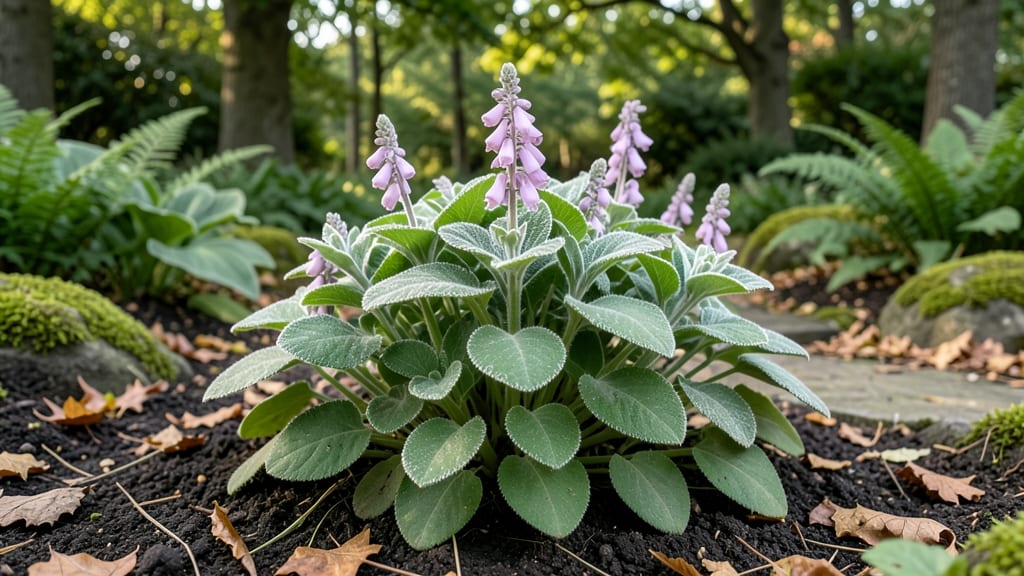
That velvety fuzzy green leaf plant you’ve been admiring? ✨ You can double its growth in just 6-8 weeks with the right propagation tricks—and I’ve mastered them after years of trial and error.
Lamb’s ear, lady’s mantle, and fuzzy plant all respond to the same simple techniques that turn floppy stems into lush, self-sustaining mats.
The secret isn’t complicated: it’s all about timing, humidity, and a little patience. Most gardeners overwater or overthink it, but these plants thrive on neglect once established.
Start with healthy stems in spring or early summer, use a 50/50 mix of perlite and potting soil, and keep them in bright, indirect light until roots form—no fancy equipment needed.
What you end up with is a thick, velvety carpet of foliage that spreads effortlessly. The texture alone makes them worth growing, but they’re also drought-tolerant once rooted, pest-resistant, and perfect for borders, containers, or even hanging baskets. Your neighbors will ask how you did it—here’s the real secret.
Works for indoor propagation too—just swap the perlite for vermiculite if your space stays dry. The same method applies to Alchemilla mollis, Stachys byzantina, or even fuzzy-leaved coleus. Let’s get those cuttings growing!
Root Causes Of Leaf Stress
Understanding why your fuzzy green leaf plant (often a Pilea involuta or similar) develops stress—like yellowing, wilting, or stunted growth—starts with identifying the most common triggers. These issues rarely happen in isolation; they’re usually a mix of environmental mismatches and care oversights.
Let’s break down the science behind the struggle and how to fix it.
Fuzzy green leaf plants thrive in well-draining soil with a balance of moisture and airflow.
When roots sit in soggy conditions for too long, they suffocate, leading to: - Root rot (a fungal/bacterial infection that cuts off nutrient uptake). - Yellowing leaves (chlorosis) due to oxygen deprivation. - Wilting despite wet soil (a classic sign of drowned roots).
Why it happens:
- Compacted or heavy soil (like clay) holds excess water, blocking root respiration.
- Overzealous watering (especially if the pot lacks drainage holes).
- Cold, humid environments slow evaporation, keeping soil damp longer.
Actionable fix: ✅ Use a chunky potting mix (50% peat-free compost, 30% perlite/pumice, 20% orchid bark). ✅ Repot if drainage is poor—terracotta pots wick away moisture better than plastic. ✅ Water only when the top 1–2 inches of soil are dry (stick your finger in to test!).
These plants love bright, indirect light but hate:
- Harsh direct sun (leaves scorch, turning crispy or brown at the edges).
- Deep shade (leads to etiolation—long, leggy stems and sparse foliage).
Why it happens:
- Photosynthesis slows in low light, causing weak growth and pale leaves.
- UV stress damages chloroplasts (the leaf’s energy factories), leading to bleached or sunburnt patches.
Actionable fix: 🌿 East or north-facing windows are ideal—no midday sun. 💡 Grow lights (12–14 hours/day) work if natural light is lacking (LED bulbs at 6,000K are perfect). ⚠️ Rotate the plant weekly to prevent uneven light exposure.
Fuzzy leaf plants prefer moderate temps (65–75°F) and 40–60% humidity. Push these limits, and stress follows:
- Cold drafts (below 55°F) cause stunted growth and brown leaf tips.
- Dry air (common in winter or AC-heavy rooms) leads to crispy edges and slowed propagation.
Why it happens:
- Transpiration (water loss through leaves) speeds up in dry air, dehydrating the plant.
- Temperature shocks (like a chilly windowsill) disrupt cellular functions, including nutrient transport.
Actionable fix: 💦 Mist leaves 2–3x/week or use a pebble tray with water for humidity. 🌡️ Avoid placing near vents, doors, or AC units—consistency is key! 🌿 Group plants together to create a microclimate (they’ll boost humidity naturally).
Even the hardiest plants need the right NPK ratio (Nitrogen-Phosphorus-Potassium) and micronutrients. Too little or too much causes:
- Pale, yellow leaves (nitrogen deficiency or overwatering leaching nutrients).
- Purple stems/undersides (phosphorus deficiency, often from old soil).
- Brown leaf tips (calcium/magnesium deficiency or fluoride buildup from tap water).
Why it happens:
- Over-fertilizing burns roots, blocking nutrient absorption.
- Under-fertilizing depletes soil minerals over time (especially in repotting).
- Hard water (high in minerals) can cause salt buildup, poisoning roots.
Actionable fix: 🌱 Feed every 4–6 weeks with a balanced liquid fertilizer (10-10-10 or 20-20-20, diluted to half-strength). 💧 Flush soil every 3 months with distilled or rainwater to prevent salt buildup. 🔬 Test soil pH (aim for 5.5–6.5)—use sulfur to lower pH if needed.
Tiny invaders like spider mites, mealybugs, or fungal infections (e.g., powdery mildew) drain your plant’s energy, leading to:
- Sticky residue (honeydew from aphids/scale).
- White webbing (spider mites).
- Black sooty mold (a fungus fed by pest waste).
Why it happens:
- Stressed plants (from other issues above) attract pests.
- High humidity (without airflow) encourages fungal growth.
Actionable fix: 🦸 Isolate infected plants to prevent spread. 🚿 Wipe leaves with neem oil solution (1 tsp neem + 1 tsp mild soap per quart of water). 🌬️ Improve airflow with a small fan (pests hate gentle breezes!).
Even well-meaning repots can shock a plant if done wrong. Signs of stress:
- Dropping leaves (a survival response to root disturbance).
- Slow growth for weeks post-repot.
Why it happens:
- Root damage during transplanting disrupts water/nutrient flow.
- Shock from sudden environment changes (e.g., moving from shade to bright light).
Actionable fix: 🌿 Repot only every 1–2 years (or when roots circle the pot). 🌱 Use the "slip-and-slide" method: Gently ease the root ball out, loosen compacted soil, and replant at the same depth. ☀️ Acclimate gradually to new light/temp conditions over 1–2 weeks.
Fixing Fuzzy Green Leaf Issues
Reviving your fuzzy green leaf plant starts with identifying the root cause—and then taking action! Below are practical, step-by-step solutions tailored to common problems, from overwatering to pest invasions. Each fix includes prevention tips to keep your plant thriving long-term.
Symptoms: Yellowing leaves, mushy stems, or roots that smell foul.
How to Fix It:
- 🔥 Stop Watering Immediately
- Let the top 1–2 inches of soil dry out completely before watering again. Stick your finger in the soil—if it’s damp, wait.
- 👨🍳 Improve Drainage
- Repot your plant in a container with drainage holes (if missing, drill them carefully).
- Use a well-draining mix: Combine potting soil with perlite or orchid bark (50/50 ratio).
- 🌱 Trim Damaged Roots (If Needed)
- Gently remove the plant from its pot and inspect the roots. Snip off any black, mushy roots with sterilized scissors.
- Replant in fresh, dry soil and avoid watering for 3–5 days to prevent shock.
💡 Prevention Tips:
- Water only when the soil is dry (adjust based on humidity/climate).
- Use a self-watering pot with a moisture meter for consistency.
- Never let your plant sit in saucers of water—empty excess after 10 minutes.
Symptoms: Bleached yellow patches (sunburn) or leggy, weak stems (etiolation).
How to Fix It:
- 🍳 Adjust Light Exposure Gradually
- Sunburn? Move to indirect light (e.g., near an east-facing window).
- Leggy growth? Relocate to a brighter spot (but avoid harsh afternoon sun).
- 🌿 Rotate the Plant Weekly
- Turn the pot ¼ turn every 7 days to ensure even light exposure.
- 🔪 Prune Overgrown Stems (If Needed)
- Trim leggy stems just above a leaf node to encourage bushier growth.
💡 Prevention Tips:
- Research your plant’s light needs (e.g., "low-light tolerant" vs. "bright indirect").
- Use sheer curtains to filter harsh sunlight in summer.
- Supplement with a grow light (12–14 hours/day) if natural light is insufficient.
Symptoms: Sticky residue, tiny webs, or white cottony clusters on leaves/stems.
How to Fix It:
- 🔪 Isolate the Plant
- Move it away from other plants to prevent spreading.
- 🌡️ Blast Off Pests with Water
- Rinse leaves gently with water to dislodge mites/bugs (use a spray bottle).
- Follow up with neem oil spray (1 tsp neem oil + 1 tsp mild soap + 1 quart water). Spray every 5–7 days for 2 weeks.
- 🎯 Manual Removal for Stubborn Pests
- Use a cotton swab dipped in rubbing alcohol to dab off mealybugs or scale.
💡 Prevention Tips:
- Inspect new plants before bringing them home (quarantine for 2 weeks).
- Encourage beneficial insects like ladybugs or lacewings.
- Avoid over-fertilizing (weak plants attract pests).
Symptoms: White powdery spots, blackened stems, or slow growth.
How to Fix It:
- ✨ Improve Airflow
- Space plants 2–3 inches apart and use a small fan (on low) to circulate air.
- 🍳 Treat with Fungicide
- Spray leaves with a baking soda solution (1 tsp baking soda + 1 quart water + a drop of soap).
- For root rot, repot in sterile soil and trim affected roots.
- 🌱 Boost Plant Immunity
- Apply a diluted hydrogen peroxide spray (1 tbsp 3% H₂O₂ per quart water) to kill fungus spores.
💡 Prevention Tips:
- Water in the morning so leaves dry quickly.
- Avoid wetting foliage—water at the soil base instead.
- Sterilize tools with rubbing alcohol before pruning.
🌟 Pro Tip: Keep a plant care journal to track watering, light, and treatments—this helps spot patterns and adjust habits faster!
Need a quick fix? Start with one solution at a time (e.g., drainage before pests) to avoid overwhelming your plant. Consistency is key—most fuzzy green leaf plants bounce back within 4–6 weeks with proper care!
Frequently asked questions
What are the most common fuzzy green leaf plants?
The velvet-textured fuzzy green plants you're likely thinking of include lamb's ear (Stachys byzantina), Alchemilla mollis (lady's mantle), and Pilea involuta (artillery plant). These varieties all share that signature velvety foliage that feels like touching a cloud! Other fuzzy options include fuzzy plant (Alchemilla filicaulis) and fuzzy-leaved coleus varieties.
Can I grow fuzzy green leaf plants indoors?
Most fuzzy leaf varieties thrive indoors with bright, indirect light (east or north-facing windows work best). For low-light spaces, supplement with a grow light (12-14 hours/day). Just keep humidity up (40-60%) and avoid cold drafts—these plants love stable conditions. A pebble tray with water can help maintain that perfect moisture balance.
How do I propagate fuzzy green leaf plants?
Use the stem cutting method in spring or early summer: Take 3-4 inch cuttings, remove lower leaves, and dip in rooting hormone (optional). Plant in a 50/50 mix of perlite and potting soil, keep moist (not soggy), and cover with a plastic bag for humidity. Roots form in 4-6 weeks with bright indirect light. The best part? These plants often root in water too!
Why are my fuzzy leaves turning brown at the edges?
This usually means low humidity or overwatering. Try these fixes: Move to a more humid spot (bathroom with a shower curtain works great), mist leaves 2-3x/week, or use a pebble tray. If the soil stays wet too long, let it dry out completely between waterings. Brown edges can also signal fluoride buildup—switch to distilled or rainwater if using tap water.
Are fuzzy green leaf plants pet-friendly?
Most fuzzy leaf varieties are non-toxic to pets, but always verify with your specific plant type. Lamb's ear (Stachys byzantina) and lady's mantle (Alchemilla mollis) are generally safe, but if your pet chews plants, it's best to place them out of reach. When in doubt, check the ASPCA's toxic plant database before bringing these beauties home.