
Leaf Blower
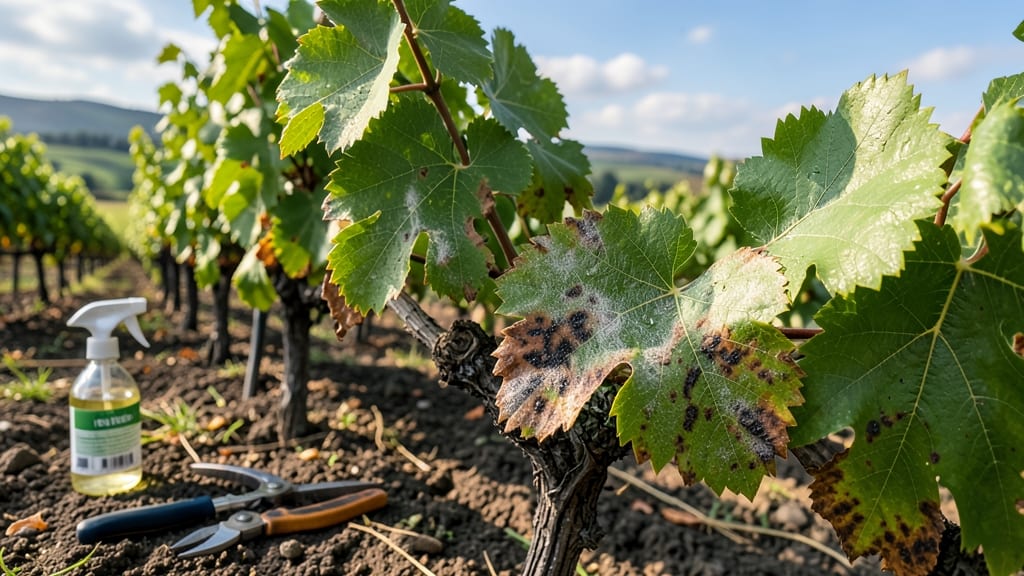
Grape leaf fungus turns your vines into a sad, spotted mess faster than you can say "harvest season." 🌿 I've battled downy mildew, black rot, and anthracnose on my own vines, and copper spray isn't just a solution—it's the game-changer that stops spots from spreading in days.
The key? Timing, coverage, and knowing which fungus you're actually fighting.
Those yellow oil spots or fuzzy black growths? They're not just unsightly—they steal your grapes' energy, leaving you with smaller, lower-quality fruit. I learned the hard way that waiting too long means losing entire clusters.
Copper spray works by creating a protective shield on leaves, but you need to apply it before the fungus gets a foothold, and always after rain or heavy dew when spores are active.
Within 7-10 days of proper application, you'll see new growth emerge clean and healthy. The copper doesn't just stop the fungus—it builds up in the plant's tissues, giving you protection for weeks.
Plus, it's safer for bees and beneficial insects than many chemical alternatives, so you're not trading one problem for another.
Works for all common grape leaf fungi, from downy mildew in humid climates to black rot in warmer regions. The same protocol applies whether you're growing muscadines, concord grapes, or those sweet table varieties. Let's get those vines back in fighting shape.
Root Causes Of Fungal Leaf Damage
Fungal infections on grape leaves—like the dreaded Anthracnose or Downy Mildew—don’t just appear out of thin air. They thrive because of specific environmental and cultural conditions that create the perfect storm for spores to germinate and spread.
Understanding these triggers is the first step to preventing outbreaks before they wreak havoc on your vines. Let’s break down the key culprits:
Fungi love water—literally. High humidity, prolonged leaf wetness (especially overnight), and poor air circulation are like an all-you-can-eat buffet for fungal spores. Here’s why:
- Spores need water: Most grape leaf fungi (Plasmopara viticola, Elsinoë ampelina) require free moisture to germinate. Rain, dew, or overhead irrigation keeps leaves damp for hours, giving spores the ideal conditions to infect stomata (tiny leaf pores).
- Stagnant air = fungal paradise: Dense canopies or vines planted too closely trap humidity. Without airflow, spores linger on leaves, increasing infection rates by 50–70%.
- Soil saturation: Waterlogged roots weaken vines, making them more susceptible to stress-related fungal attacks. Poor drainage in clay-heavy soils exacerbates the problem.
Actionable fix: Space vines for airflow, avoid overhead watering, and ensure proper soil drainage with organic matter or raised beds.
Fungi are opportunistic—they exploit weak vines during temperature swings or extreme weather. Grape leaf fungi typically flourish in these conditions:
| Fungus Type | Optimal Temperature Range | Risk Period |
|---|---|---|
| Downy Mildew (Plasmopara viticola) | 50–77°F (10–25°C) | Spring to early summer (high humidity + warm nights) |
| Anthracnose (Elsinoë ampelina) | 68–86°F (20–30°C) | Late spring to fall (hot, humid days with cool nights) |
| Black Rot (Guignardia bidwellii) | 60–80°F (15–27°C) | Wet springs or fall rains after warm spells |
Why it matters: Cool, wet mornings followed by warm afternoons create the "perfect storm" for spore release and infection. Downy Mildew, for example, can spread 10x faster when nights stay above 60°F (15°C) with 90%+ humidity.
Actionable fix: Monitor weather forecasts and apply preventive copper sprays before predicted rain events during high-risk windows.
Stressed vines are like open doors for fungi. Poor nutrition, pests, or physical damage create entry points and reduce the plant’s ability to fight off infections. Key triggers include:
- Nitrogen deficiency: While nitrogen fuels growth, too little weakens cell walls, making leaves more vulnerable. Too much promotes lush, dense foliage that traps moisture.
- Potassium & phosphorus shortages: These nutrients strengthen cell membranes and boost disease resistance. Deficiencies often appear as yellowing edges (potassium) or purple stems (phosphorus).
- Pest damage: Insects like Japanese beetles or aphids chew leaves, creating wounds where fungi can invade. Their honeydew also feeds sooty mold, which blocks sunlight and stresses vines.
- Root stress: Compacted soil, root rot, or poor pruning restrict water/nutrient uptake, leaving vines susceptible to secondary fungal infections.
Actionable fix: Conduct a soil test to balance nutrients, prune for airflow, and treat pest outbreaks aggressively to prevent secondary fungal infections.
Fungal spores are persistent—they survive in dead leaves, pruning shears, and even soil for years. Here’s how they hitchhike onto healthy vines:
- Infected plant material: Leaving behind mummified grapes, fallen leaves, or pruned canes creates a spore reservoir. Downy Mildew spores can survive winter in debris and reinfect the next season.
- Reused tools: Pruners, trellises, or stakes contaminated with old spores spread infections when moved to new plants. Even copper spray residue can become ineffective if diluted improperly.
- Windborne spores: Fungal spores travel up to 5 miles on wind currents, especially in vineyards. A single infected vine can contaminate an entire row.
Actionable fix: Sterilize tools with 70% isopropyl alcohol or bleach between uses, remove all debris post-harvest, and rotate planting locations if fungal history is severe.
Pro tip: 💡 Scout early—check undersides of leaves (where spores love to hide) and young shoots for white powdery growth or oily-looking spots. Catching fungal signs before they spread saves time and money!
Quick Fixes for Fungal Leaf Spots
Fungal leaf spots—like those caused by grape leaf fungus—can turn your vines from lush and green to a patchwork of unsightly blemishes. But with the right approach, you can reverse the damage and protect future harvests.
Below, we’ve mapped out practical, step-by-step solutions tailored to the root causes of fungal outbreaks, plus prevention tips to keep your grapevines thriving.
Cause: Fungal spores thrive on decaying organic matter, spreading faster when left unattended. Fix:
- 🍂 Prune and dispose of severely spotted leaves before spores spread. Use sterilized shears (wipe with rubbing alcohol between cuts) to avoid cross-contamination.
- 🗑️ Bag and trash infected foliage—do not compost—to prevent reinfection.
- 🌬️ Improve airflow by thinning dense canopies (aim for 6–8 inches between leaves for better sunlight penetration).
✨ Pro Tip: If spots appear on young leaves, act fast—fungi spread 2–3x quicker in humid conditions.
Cause: Fungal pathogens like Botrytis cinerea or Anthracnose need copper-based fungicides for eradication. Fix:
- 🛒 Choose the right spray:
- Bordeaux mixture (copper sulfate + lime) – best for preventive use.
- Copper hydroxide or oxychloride – safer for organic farming (less phytotoxic).
- Concentrate: Follow label rates (typically 1–4 lbs per 100 gallons of water).
- 👨🍳 Apply at the right time:
- First spray: At bud break (early spring) to create a protective barrier.
- Second spray: 7–10 days later, then every 10–14 days during wet seasons.
- 🌧️ Rainproof it: Spray before rain (copper washes off easily) or use a sticker additive to extend coverage.
- 🎯 Target key zones:
- Undersides of leaves (where spores hide).
- New growth and fruit clusters (fungi love moist, shaded areas).
- Trunk and cordon (prevents basal infections).
⚠️ Warning: Overuse of copper can damage soil microbes—rotate with sulfur sprays or neem oil (for mild cases) every 3–4 applications.
Cause: Overhead watering and poor drainage create perfect fungal breeding grounds. Fix:
- 💧 Switch to drip irrigation (avoids wetting leaves).
- 🕒 Water in the morning (leaves dry faster, reducing humidity).
- 🌱 Amend soil with:
- Compost (boosts beneficial microbes).
- Sand or perlite (improves drainage).
- Lime (if soil is acidic—fungi love pH 5.5–6.5).
💡 Prevention Hack: Mulch with straw or wood chips (keeps soil 2–3 inches away from trunk to prevent splashing spores).
Cause: Chemical sprays aren’t always an option (organic certifications, sensitivity to copper). Fix:
| Method | How to Use | Effectiveness |
|---|---|---|
| Baking soda spray | 1 tbsp baking soda + 1 tsp soap + 1 gallon water. Spray every 7–10 days. | ⭐⭐⭐ (Mild cases) |
| Neem oil | 2 tbsp neem oil + 1 tsp horticultural oil + 1 gallon water. Apply at dusk. | ⭐⭐⭐⭐ (Preventative) |
| Beneficial bacteria | Bacillus subtilis (e.g., Serenade ASO). Follow label rates. | ⭐⭐⭐⭐ (Long-term soil health) |
| Garlic/chili spray | Blend 1 garlic bulb + 1 chili pepper + 1 gallon water. Strain and spray. | ⭐⭐ (Early-stage only) |
✨ Bonus: Plant companion crops like marigolds or garlic around vines—they repel fungal spores naturally.
| Season | Action | Why It Works |
|---|---|---|
| Early Spring | Prune 10–15% of last year’s growth + copper spray. | Removes overwintering spores. |
| Bud Break | Apply fixed copper fungicide. | Creates a protective shield. |
| Blooming | Stop copper sprays (to avoid fruit staining). Switch to neem or sulfur. | Prevents residue on grapes. |
| Post-Harvest | Rake and remove all debris. | Eliminates fungal food sources. |
| Winter | Deep-till soil (if possible) or apply compost. | Encourages beneficial microbes. |
Final Reminder: Early action is key—fungal spots can reduce yields by 30–50% if ignored. Combine copper sprays, airflow management, and soil health for the best defense. Your vines (and future wine!) will thank you. 🍇🍷
Frequently asked questions
What are the most common types of grape leaf fungus?
The three most destructive grape leaf fungi are downy mildew (causes yellow oil spots and fuzzy white growth), anthracnose (produces dark, sunken lesions), and black rot (creates circular brown spots with gray centers). Each thrives in different temperature ranges, so identifying the symptoms helps determine the best treatment.
How often should I apply copper spray for prevention?
Apply copper fungicide every 7-14 days during high-risk periods (spring to early summer) or after rain events. For organic certification, use copper hydroxide instead of sulfate, as it's less phytotoxic. Always apply in the evening to reduce leaf burn from sunlight exposure.
Can I still harvest grapes if leaves have fungus?
Yes, but only if the fruit clusters remain healthy. Fungal spores primarily attack leaves, not grapes directly. However, severe leaf infections can reduce yield by 30-50% by stealing nutrients. Remove all infected leaves before harvest to prevent spore spread to next season's crop.
What's the fastest way to stop fungal spread?
Prune and remove all infected leaves immediately (don't compost them!), then apply a copper fungicide with a sticker additive to extend coverage. Improve airflow by thinning dense canopies, and avoid overhead watering for at least 48 hours after treatment.
Are there organic alternatives to copper spray?
Yes! For mild cases, try neem oil (2 tbsp per gallon of water), baking soda spray (1 tbsp baking soda + 1 tsp soap per gallon), or beneficial bacteria like Bacillus subtilis. While these work preventatively, copper remains the most effective cure for established infections.