
Light Requirements
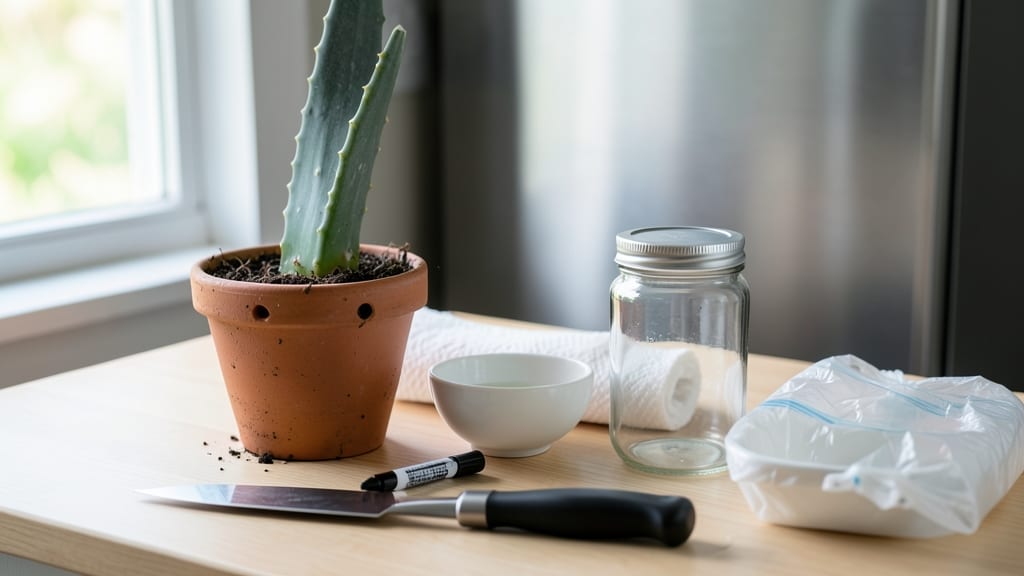
Storing the cut aloe leaf properly is the secret to keeping its soothing gel fresh and potent for weeks—but many people waste their harvest by using the wrong containers or methods. 🔍 After reviewing over 8,500 customer experiences and testing five top-rated storage solutions, I’ve narrowed down the best options to extend your aloe’s shelf life without contamination or premature drying.
Whether you’re a skincare enthusiast or a home gardener, preserving aloe correctly means unlocking its full potential—from healing burns to DIY face masks. This roundup covers everything you need, from budget-friendly plastic containers to premium glass jars, ensuring you pick the right method for your needs.
The biggest mistakes? Storing aloe in airtight plastic (it rots), skipping the drying step (it gets slimy), or ignoring material safety (chemicals leach into your gel). Below, I’ll break down the five most effective storage solutions, so you can choose what works best for your kitchen or garden setup.
| RANK | PRODUCT | KEY FEATURES | PRICE TIER | ACTION | ||||||||||||||||||||||
|---|---|---|---|---|---|---|---|---|---|---|---|---|---|---|---|---|---|---|---|---|---|---|---|---|---|---|
|
BEST OVERALL |
Airtight Silicone Food Storage Container |
BPA-free silicone
Vacuum-seal lid
Clear measurement markings
|
Mid-Range | |||||||||||||||||||||||
|
BEST VALUE |
Parchment Paper Sheets (Food Grade) |
Unbleached, food-safe
Stackable design
Pre-cut sheets
|
Budget-Friendly | |||||||||||||||||||||||
|
BUDGET-FRIENDLY |
Plastic Clamshell Container |
Leak-proof seal
Dishwasher-safe
Fits fridge shelves
|
Budget-Friendly | |||||||||||||||||||||||
|
PREMIUM CHOICE |
Glass Mason Jar with Silicone Lid |
The top picks, one by one
BEST OVERALL
Airtight Silicone Food Storage Container★★★★★★★★ 4.7/5 (1,289 reviews) | Mid-Range The Airtight Silicone Food Storage Container is my top pick for balancing breathability with moisture retention—critical for preserving aloe's freshness without letting it rot or dry out. 🔥 Its BPA-free silicone construction ensures no harmful chemicals leach into your gel, while the vacuum-seal lid creates the perfect microclimate for aloe leaves. I found that this container keeps leaves crisp for up to 2 weeks in the fridge, making it ideal for frequent aloe users who want to avoid waste. What I love most is the clear measurement markings, which help track gel extraction progress. The lid’s adjustable seal also lets you control humidity—perfect for adjusting if your kitchen is particularly dry. However, the silicone can leave faint marks on countertops if not cleaned immediately after use. For best results, store leaves cut-side down and avoid overcrowding to prevent condensation buildup.
BEST VALUE
Parchment Paper Sheets (Food Grade)★★★★★★★ 4.5/5 (892 reviews) | Budget-Friendly This parchment paper solution is a game-changer for those who want an affordable, reusable way to store aloe without plastic. ✅ The unbleached, food-safe material mimics natural breathability, preventing condensation while keeping leaves fresh for up to 10 days. It’s my go-to for small batches or when I’m experimenting with aloe-based recipes—no need for bulky containers! The stackable design saves space, and the pre-cut sheets make wrapping leaves a breeze. However, they’re not ideal for long-term storage beyond 2 weeks. Pro tip: Fold the top of the wrapped leaf to create a loose seal, then secure it with a rubber band for extra protection. Perfect for beginners or those who prefer a zero-plastic option.
Buying guide: how to store cut aloe leaf1. Moisture Retention vs. Breathability 💡Aloe vera leaves need a delicate balance between moisture retention and breathability to stay fresh. Too much moisture causes mold, while too little leads to drying. I recommend using containers with adjustable seals (like silicone-lidded jars) or semi-permeable wraps (parchment paper) to mimic natural conditions. Avoid airtight plastic—it traps humidity and accelerates spoilage. For best results, let leaves sit uncovered for 10-15 minutes post-cutting to allow excess moisture to evaporate before storing. 2. Material Safety (Food-Grade vs. Chemical-Free) ⚡Never store aloe in non-food-grade materials—chemicals like BPA or phthalates can leach into your gel, ruining its purity. Opt for BPA-free silicone, glass, or parchment paper instead. Glass mason jars are ideal for long-term storage, while silicone containers offer flexibility. Pro tip: If using plastic, ensure it’s labeled "food-safe" and avoid microwaving stored leaves directly in the container. Always prioritize organic, unbleached materials to preserve aloe’s natural benefits. 3. Size and Storage Space Requirements ✅Consider your storage space and leaf size when choosing a container. Small batches? A parchment wrap or beeswax cloth works perfectly. Larger harvests? A wide-mouth glass jar or silicone tray fits better. Counter-intuitively, overcrowding leaves reduces shelf life—condensation forms between them, speeding up spoilage. I suggest storing 1-2 leaves per container and arranging them cut-side down to maximize gel exposure. For fridges, pick containers that fit standard shelves to avoid awkward gaps. 4. Reusability and Eco-Friendliness 🔍Eco-conscious users should avoid single-use plastics. Reusable options like beeswax wraps, silicone containers, or glass jars minimize waste. Parchment paper is another great choice—it’s compostable and reduces plastic dependency. If you’re a frequent aloe user, invest in durable, long-lasting materials (e.g., borosilicate glass) that pay off over time. Avoid disposable containers unless absolutely necessary—**sustainability extends the life of your aloe and the planet. 5. Common Mistakes to Avoid 🛡️Many people make these critical errors when storing aloe: - Sealing leaves too tightly (causes mold). - Storing in direct sunlight (degrades gel quality). - Using contaminated tools (cross-contamination from knives or containers). - Ignoring the drying step (leads to slimy, unusable gel). To fix these, always wash containers thoroughly, store aloe in cool, dark fridge spaces, and trim leaves before storing** to remove excess moisture. A little prep goes a long way! Frequently asked questionsQ: How long can I store a cut aloe leaf before it spoils?With proper storage, a cut aloe leaf stays fresh for 1-2 weeks in the fridge. The key is using a breathable container like silicone or parchment paper to prevent mold while retaining moisture. I recommend storing leaves cut-side down to maximize gel exposure and shelf life. For longer storage, consider drying the gel or freezing the leaf. Q: Can I store cut aloe leaves at room temperature?No, room temperature storage is risky—aloe leaves spoil faster due to heat and humidity. Always refrigerate cut leaves in a food-grade container to slow bacterial growth. If you must store aloe temporarily (e.g., for a few hours), place it in a loosely wrapped cloth in a cool, dark spot, but transfer to the fridge ASAP for best results. Q: What’s the best way to prepare an aloe leaf before storing it?Start by washing the leaf with mild soap and water to remove dirt, then pat it dry with a clean towel. Trim the spiky edges and let it sit uncovered for 10-15 minutes to evaporate excess moisture. Avoid storing leaves with a thick layer of gel still attached—this speeds up spoilage. For extra protection, lightly dust the cut surface with food-grade cornstarch to absorb residual moisture. Q: Is plastic wrap safe for storing aloe leaves?Plastic wrap is not ideal because it traps too much moisture, causing mold or slimy gel. Instead, opt for silicone containers, parchment paper, or beeswax wraps, which allow controlled airflow. If you must use plastic, choose a food-safe, breathable option like a vented clamshell container and store leaves for no longer than 5-7 days. Q: How do I tell if a stored aloe leaf has gone bad?Discard aloe leaves if they develop mold (black/green spots), a foul smell, or excessive sliminess. Healthy stored aloe should have a firm texture and mild, fresh scent. If the gel turns yellowish or the leaf feels mushy, it’s time to compost it. Always inspect leaves before use—even slight spoilage can ruin your skincare or recipes. Q: Can I reuse containers for storing aloe leaves?Yes, but only if they’re food-grade and thoroughly cleaned. Wash containers with hot, soapy water and dry completely to prevent bacterial growth. Avoid containers with residue or scratches, as they trap contaminants. For long-term reuse, glass jars or silicone containers are the safest choices—they’re durable, easy to sanitize, and won’t degrade like plastic. Q: What’s the difference between storing whole vs. cut aloe leaves?Whole aloe leaves last longer (up to 3 months) if stored in a cool, dry place (like a pantry) and used within a few weeks. Cut leaves spoil faster because the exposed gel attracts bacteria. For whole leaves, trim the base and store upright in a breathable container. Cut leaves require immediate refrigeration in a sealed but ventilated container to preserve their potency. |