
Pests and Diseases
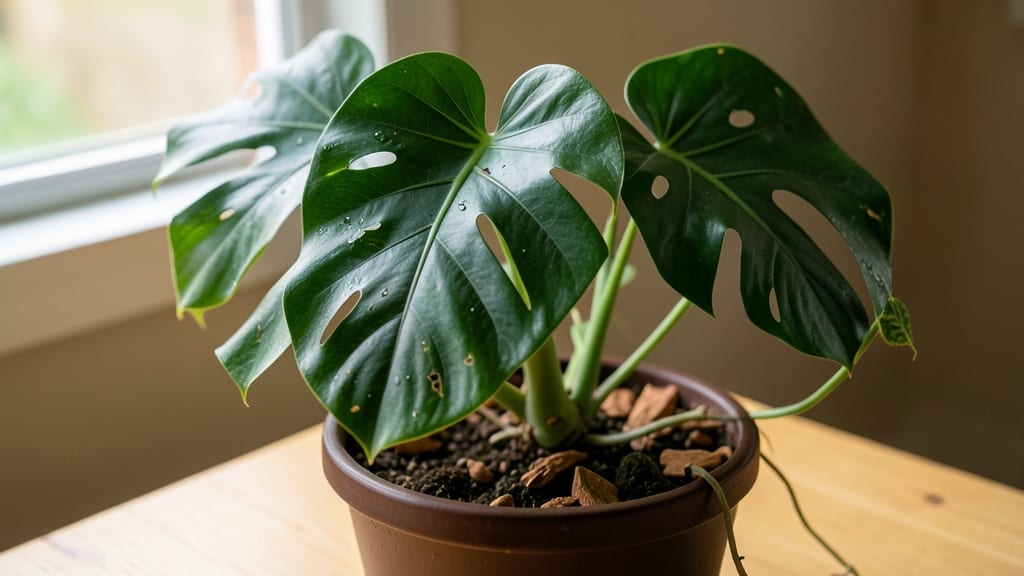
Peering inside a leaf reveals a hidden world of clues—tiny tunnels, strange spots, or webbing that tell you exactly what's wrong with your plant. 🌿 The first step to saving your foliage is identifying these signs early, before they spread to the whole plant.
I’ve spent years diagnosing these mysteries, and the key is always the same: act fast with the right organic solutions.
Common culprits include leaf miners (those squiggly trails), spider mites (tiny webs), or fungal spots that look like coffee stains. Each problem has a distinct look—some are chewed, others discolored, and a few just feel wrong when you touch them.
The good news? Most can be fixed without harsh chemicals if you catch them early.
Your rescue protocol starts with gentle solutions: wiping leaves with soapy water, removing infested foliage, or applying neem oil. For stubborn cases, I’ve found that a mix of horticultural oil and water (1 teaspoon per quart) stops pests in their tracks.
The goal is to restore that healthy, vibrant green you love.
This works for both indoor plants and outdoor gardens—just adjust the frequency. Early detection is everything, so check your leaves regularly, especially on the undersides where pests love to hide. With these steps, your plants will bounce back faster than you think.
Why it happens
When you peek inside of a leaf and notice unexpected spots, streaks, or discolorations, it’s rarely a random act of nature—it’s a plant’s distress signal. Understanding the root causes helps you act faster and save your garden.
Here’s why leaves develop these mysterious markings, broken down into the most common culprits.
Leaves are highly sensitive to their surroundings, and extreme or sudden changes in temperature, humidity, or light can trigger visible damage. Here’s how:
- Cold Damage: Frost or freezing temperatures cause ice crystals to form in leaf cells, rupturing them and leading to brown or black spots. This is common in chilling-sensitive plants like tomatoes, peppers, and citrus.
- Heat Stress: Prolonged exposure to high temperatures (above 90°F/32°C) can scorch leaves, causing crispy, dry edges or bleached patches. Succulents and tropical plants are especially vulnerable.
- Humidity Fluctuations: Low humidity dries out leaf surfaces, while high humidity (especially with poor airflow) encourages fungal growth. Think of it like a leaf getting sunburned or sweating too much!
Actionable Fix: Monitor your plant’s microclimate—use shade cloth for heat, mulch for cold protection, and a humidifier or pebble tray for dry air. Pro Tip: 💡 Rotate pots occasionally to ensure even light exposure and prevent one-sided stress.
Microorganisms love damp, crowded conditions, and leaves are their perfect canvas. These pathogens don’t just discolor—they often leave behind telltale textures or patterns.
Infection Type
Signs Inside the Leaf
Fungal Spots (e.g., Alternaria, Septoria)
Dark, circular spots with concentric rings or fuzzy growth. Leaves may develop yellow halos around spots.
Fungi thrive in wet foliage and poor airflow. Overwatering or overhead irrigation creates the perfect breeding ground.
Bacterial Leaf Spot (e.g., Pseudomonas, Xanthomonas)
Water-soaked, greasy-looking spots that turn yellow or brown. Often ooze when squeezed.
Bacteria spread via contaminated water or tools. Warm, humid weather accelerates their growth.
Powdery Mildew
White, powdery coatings on leaf surfaces, often starting between veins.
This fungus loves high humidity and low light. It’s common on crowded plants like roses or squash.
Actionable Fix: Improve airflow with pruning and spacing. Treat fungal spots with copper fungicide or a baking soda spray (1 tsp baking soda + 1 quart water + a drop of dish soap). For bacteria, remove infected leaves immediately and sterilize tools with rubbing alcohol.
Not all leaf discolorations are from pathogens—some are silent pest attacks. Insects feed on leaf sap, inject toxins, or lay eggs, leaving behind a trail of destruction.
- Sap-Sucking Pests (Aphids, Spider Mites, Whiteflies):
- Cause yellow stippling or bronzing as they pierce cells to drink sap.
- Leaves may curl or distort due to injected toxins.
- Caterpillars & Leaf Miners:
- Create serpentine tunnels (leaf miners) or large holes (caterpillars).
- Fecal matter inside tunnels adds to the mess!
- Scale Insects & Mealybugs:
- Leave sticky residue (honeydew), which attracts sooty mold (a black fungal growth).
- Infested areas may turn brown and crispy.
Actionable Fix: Inspect leaves daily under a magnifying glass. Blast pests off with water (aphids) or use neem oil for systemic control. For leaf miners, remove heavily infested leaves and treat with spinosad.
Leaves don’t just scream for water—they also signal when their diet is off. Deficiencies or excesses of key nutrients can manifest as internal discolorations.
Nutrient Issue
Leaf Symptoms
Nitrogen Deficiency
Pale green or yellowing between veins (chlorosis). Older leaves turn yellow first.
Nitrogen is essential for chlorophyll. Poor soil or over-pruning depletes it.
Iron Deficiency (Chlorosis)
Yellowing between veins while veins stay green. Common in alkaline soils.
Iron becomes unavailable when soil pH is too high (above 7.0).
Magnesium Deficiency
Yellow patches with purple veins on older leaves.
Magnesium is a building block of chlorophyll. Over-fertilizing with nitrogen can starve plants of it.
Salt or Chemical Burn
Brown, crispy edges or bleached spots. Often starts on leaf tips.
Over-fertilizing, hard water, or pesticide drift can build up toxins in soil.
Actionable Fix: Test your soil’s pH and amend with chelated iron (for chlorosis) or Epsom salt (for magnesium). Flush soil with water if you suspect salt buildup. Pro Tip: 🌡️ Use rainwater for watering to avoid chlorine damage in sensitive plants.
Quick Fixes for Leaf Troubles
When you spot irregularities inside a leaf—whether it's discoloration, holes, or strange patterns—acting fast can save your plants. Below are targeted solutions for common issues, paired with prevention tips to keep your greenery thriving.
Fungal issues often appear as dark spots, powdery coatings, or rusty patches on leaf undersides. Here’s how to tackle them:
🔥 Step 1: Isolate the Problem
- Remove infected leaves immediately to prevent spread.
- Place the plant in a well-ventilated area (fungi love humidity!).
🍳 Step 2: Apply Organic Fungicides Use these DIY sprays: - Baking Soda Spray: Mix 1 tsp baking soda + 1 quart water + a few drops of dish soap.
Spray leaves thoroughly. - Neem Oil Solution: Combine 1 tbsp neem oil + 1 tsp mild soap + 1 quart water. Shake well and apply every 7–10 days. - Copper-Based Spray: Use a pre-mixed organic copper fungicide (follow label instructions).
👨🍳 Step 3: Improve Airflow & Light
- Prune overcrowded branches to enhance airflow.
- Ensure 6–8 hours of sunlight daily (fungi thrive in shady, damp spots).
💡 Pro Tip: Water at the base, not overhead, to keep leaves dry.
Pests like aphids, mites, or caterpillars leave telltale damage inside leaves. Here’s how to evict them:
🔪 Step 1: Manual Removal
- Aphids/Mites: Spray with a strong jet of water to dislodge them.
- Caterpillars/Snails: Handpick and drop into soapy water.
🥘 Step 2: Natural Repellents
- Insecticidal Soap: Mix 2 tbsp castile soap + 1 quart water. Spray directly on pests.
- Diatomaceous Earth: Sprinkle food-grade DE around the base (reapply after rain).
- Beneficial Insects: Introduce ladybugs or lacewings to eat pests naturally.
⏰ Step 3: Monitor & Repeat
- Check leaves daily for new activity.
- Rotate treatments every 3–5 days to prevent resistance.
🌡️ Pro Tip: Yellow sticky traps can catch flying pests like whiteflies.
Poor nutrition often causes pale or weak patches inside leaves. Fix it with these adjustments:
📊 Step 1: Diagnose the Deficiency
| Symptom | Likely Cause | Solution |
|---|---|---|
| Yellow between veins | Magnesium (Chlorosis) | Apply Epsom salt (1 tbsp/gal water) |
| Purple/red leaves | Phosphorus deficiency | Use bone meal or compost tea |
| Brown leaf edges | Potassium deficiency | Add wood ash or banana peel tea |
💪 Step 2: Fertilize Correctly
- Organic Options: Compost, worm castings, or fish emulsion.
- Slow-Release: Use granular fertilizer in spring/fall.
- Avoid Overdoing It: Too much salt can burn roots—follow package rates.
✨ Pro Tip: Mulch with straw or leaves to retain soil nutrients naturally.
- Water Wisely: Early morning is best to reduce fungal risk.
- Inspect Regularly: Check undersides of leaves weekly for early signs.
- Rotate Plants: Improves sunlight exposure and airflow.
- Quarantine New Plants: Keep them separate for 2–4 weeks to spot pests early.
By addressing issues early and maintaining a proactive routine, your plants will stay vibrant and pest-free! 🌱
Frequently asked questions about leaf issues
Why do I see white, powdery spots inside leaves?
Those are likely signs of powdery mildew, a common fungal infection. It thrives in humid, low-light conditions and often starts between leaf veins. The white coating blocks sunlight, weakening the plant. Remove infected leaves immediately and improve airflow by spacing plants further apart.
What causes those squiggly brown trails inside leaves?
Those serpentine patterns are almost always leaf miners—larvae tunneling through leaf tissue. They leave behind frass (fecal matter) and weaken the leaf. For organic control, remove heavily infested leaves and apply spinosad (derived from soil bacteria) every 7-10 days until no new trails appear.
Can yellow spots inside leaves be fixed?
Yellowing between veins often signals magnesium deficiency (chlorosis) or fungal/bacterial spots. For nutrient issues, use Epsom salt spray (1 tbsp per gallon of water). For infections, prune affected areas and apply copper fungicide. Always check the leaf undersides first—they often reveal the real problem!
How do I tell if leaf damage is from pests or disease?
Pest damage often has physical holes, webbing, or sticky residue (honeydew), while diseases show spots, powdery coatings, or discoloration without visible insects. Hold the leaf up to light—pest damage will have irregular patterns, while fungal/bacterial issues appear more uniform. Use a magnifying glass for close inspection.
Will pruning help with leaf problems?
Pruning removes infected/damaged leaves and improves airflow, which prevents fungal spread. Cut back to healthy tissue (about 1/4 inch above the damage) using clean, sharp scissors. Sterilize tools with rubbing alcohol between cuts to avoid cross-contamination. For severe cases, remove up to 30% of foliage to redirect energy to new growth.