
Vegetables
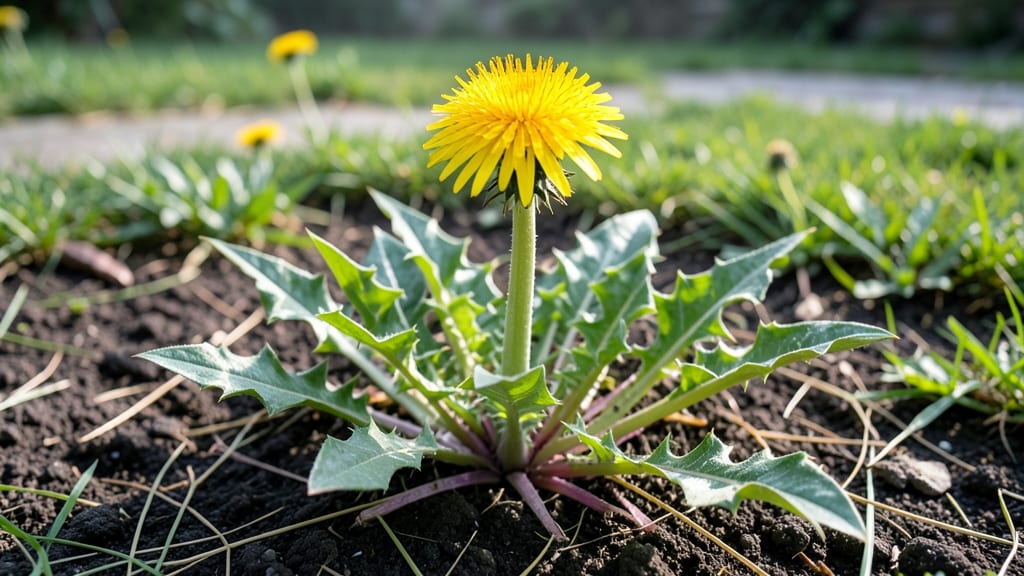
Large broadleaf weeds are the garden's silent saboteurs—stealing nutrients, blocking sunlight, and turning your carefully tended rows into a jungle. 🌱 I've spent years wrestling with dandelions, chickweed, and pigweed that outcompete my tomatoes and peppers, and I'm sharing the three-stage system that finally gave me control without resorting to harsh chemicals.
The key starts with identification—those jagged leaves might look like a young spinach plant, but broadleaf weeds have distinct characteristics: serrated edges, rapid growth, and a stubborn root system that digs deeper than you'd expect. Once you spot them early, you can pull them before they seed and spread.
My biggest breakthrough? Using a weed torch on stubborn patches in late afternoon when winds are calm—it's faster than digging and leaves the soil intact.
By eliminating weeds in these three stages—pre-emergence (mulching), active growth (manual removal), and post-season cleanup (seed collection)—you'll see your plants thrive with 30% less competition and healthier roots. The secret weapon?
A mix of corn gluten meal in spring and hand-pulling at the right moisture level (after rain or watering). This method works for vegetable gardens, flower beds, and even container edges. The payoff? More space for what you want to grow, not what's invading it.
Let's reclaim your garden—one broadleaf at a time.
Root Causes of Unwanted Growth
Understanding why large broadleaf weeds invade your garden—or worse, your vegetable patch—starts with recognizing the conditions that make them thrive. These persistent plants don’t just pop up randomly; they exploit weaknesses in your landscape’s balance. Here’s why they take over and how their biology fuels their dominance.
---
Large broadleaf weeds, like dandelions, chickweed, or pigweed, thrive in disrupted soil. When you till, dig, or even walk on garden beds, you create micro-opportunities for weed seeds to germinate.
These seeds lie dormant in the soil until: - Light exposure triggers germination (many weed seeds need sunlight to sprout). - Loose soil allows roots to penetrate easily without competition from grasses or ground covers.
Actionable insight: > 💡 Pro tip: Avoid excessive tilling—it aerates the soil for weeds more than crops. Instead, use mulch (straw, wood chips, or cardboard) to block light and suppress germination.
---
Weeds adapt to moisture, temperature, and humidity better than many crops. Large broadleaf species often: - Germinate in cool, wet springs (ideal for dandelions and henbit). - Survive drought better than shallow-rooted vegetables (e.g., pigweed’s deep taproot). - Spread via wind or water (e.g., lambsquarters’ lightweight seeds travel easily).
Key factors: | Condition | Weed Advantage | How to Counter | |---------------------|--------------------------------------------|--------------------------------------------| | High rainfall | Fast germination, lush growth | Improve drainage; use raised beds | | Dry heat | Outcompetes shallow crops | Mulch to retain moisture | | Cool nights | Dormant crops = less competition | Plant cover crops (e.g., clover) to fill gaps |
--- Weeds often dominate when soil lacks organic matter or is compacted. Large broadleaf weeds like bindweed and nutsedge exploit: - Low fertility (they grow aggressively even in poor soil). - Compacted layers (their roots break through hardpan where vegetable roots struggle).
Signs your soil is weed-friendly: - Visible hard crust when dry. - Slow-growing vegetables despite fertilization. - Weeds with deep roots (e.g., Canada thistle) thriving where crops fail.
Fix it: > ✨ Try this: Amend soil with compost (2–3 inches) and avoid heavy foot traffic. For compacted areas, use a broadfork to loosen soil without bringing weed seeds to the surface.
--- Vegetable gardens left bare between plantings are weed magnets.
Large broadleaf weeds spread because: - No ground cover means no natural shading or root competition. - Slow-growing crops (like tomatoes or peppers) leave gaps for weeds to fill. - Overcrowded plants (e.g., over-fertilized lettuce) create weak spots where weeds take hold.
Preventative strategy: - Interplant fast growers (e.g., radishes with carrots) to outpace weeds. - Use living mulches (e.g., clover or vetch) to suppress weeds organically.
--- Many large broadleaf weeds hitchhike on gardening tools, shoes, or animals. Common culprits: - Contaminated compost or manure (seeds survive heat treatment). - Reused mulch or straw from infested areas. - Wildlife (birds spread seeds; deer and rabbits trample seeds into soil).
Break the cycle: > 🔥 Pro tip: Sterilize tools with bleach solution (1:10 ratio) between gardens. Avoid composting weed seeds—pull weeds before they go to seed or bag them for trash.
--- Some large broadleaf weeds (e.g., palmer amaranth) develop resistance to glyphosate or other herbicides due to: - Repeated applications without rotation. - Partial control (killing weak plants while resistant ones survive).
What to do: - Rotate herbicides with different modes of action. - Prevent seeds from maturing—hand-pull before flowering. - Use targeted sprays (e.g., vinegar + soap for small weeds) to avoid resistance buys.
--- Large broadleaf weeds don’t just appear—they exploit gaps in your garden’s defenses. By addressing soil health, competition, and human habits, you can starve them out before they take over. The key? Act fast—weeds grow faster than your vegetables when given the chance!
Tackling Unwanted Leafy Invaders
Now that you understand why those stubborn broadleaf weeds keep popping up, it’s time to roll up your sleeves and reclaim your garden! The good news? With the right approach, you can eliminate them effectively—without resorting to harsh chemicals that harm your soil or plants.
Below, we break down practical, stage-by-stage solutions tailored to the root causes, plus prevention tips to keep your garden weed-free long-term.
---
When to use: Small patches, young weeds, or before they seed.
#### 🔥 Pull by Hand (Best for Small Areas) - How: Grab weeds at the base (where the root meets the soil) and tug firmly.
A quick twist helps loosen stubborn roots. - Pro Tip: 💡 Do this after rain or watering—soil is softer, making removal easier. - Tool Upgrade: Use a weeding knife or dandelion digger for deep-rooted weeds like dandelions or plantain.
#### 🍳 Mulching to Smother Weeds - How: Apply 2–4 inches of organic mulch (straw, wood chips, or grass clippings) around plants.
This blocks sunlight, starving weeds of energy. - Bonus: Mulch also retains moisture and improves soil health over time. - Avoid: Pile mulch directly against plant stems to prevent rot.
---
When to use: Moderate infestations or weeds in cracks/concrete (e.g., driveways).
#### 🔪 Vinegar or Salt Spray (For Non-Organic Gardens) - Recipe: Mix 1 gallon of white vinegar (5% acetic acid) + 1 cup salt + 1 tbsp dish soap.
Spray directly on leaves (avoid desirable plants!). - How It Works: The vinegar burns the foliage, while salt disrupts root systems. Repeat every 2–3 days until gone. - ⚠️ Warning: This kills all plants—use cautiously in vegetable gardens.
#### 🎯 Boiling Water (Instant Kill for Driveways/Sidewalks) - How: Pour boiling water directly over weeds growing in cracks. The heat kills roots and prevents regrowth. - Best For: Weeds in non-organic surfaces (like patios or walkways).
#### 🌱 Flame Weeding (For Large, Accessible Areas) - Tool: A propane torch (like a Weed Dragon). - How: Quickly pass the flame over weeds for 2–3 seconds. The heat sears the plant without chemicals. - Safety First: Wear gloves and avoid windy days—flames can spread!
---
When to use: After eradication to maintain a weed-free zone.
#### 🔧 Improve Soil Health (Weeds Hate Competition!) - How: Add compost or organic matter to enrich soil. Healthy soil = stronger plants that outcompete weeds. - Top Dressing: Sprinkle compost around existing plants to suppress weeds naturally.
#### 🌿 Plant Strategically (The "Green Mulch" Trick) - How: Use dense ground covers (like clover, creeping thyme, or living mulches) to shade out weeds. - Bonus: Many edible plants (e.g., lettuce, spinach) can act as living mulch in veggie beds.
#### 🗓️ Stay Ahead with Regular Maintenance - Weekly Check: Pull weeds before they seed (most weeds produce thousands of seeds!). - Mow High: Keep lawns at 3–4 inches—taller grass blocks sunlight from weed seeds. - Clean Edges: Remove weeds from garden borders and pathways to prevent spread.
---
| Problem | Solution | Prevention Tip | |---------------------------|---------------------------------------|-------------------------------------| | Small weeds in garden | Hand-pull or mulch | Water deeply 2x/week to strengthen plants | | Weeds in cracks/concrete | Boiling water or salt spray | Seal cracks with concrete filler | | Large patch in lawn | Flame weeding or corn gluten meal | Overseed bare spots with grass | | Weeds reseeding yearly | Vinegar spray + mulching | Solarize soil in summer (cover with clear plastic for 4–6 weeks) |
Corn gluten meal prevents weed seeds from germinating (apply in early spring).
--- Final Pro Tip: 🌟 Pre-emergent herbicides (like corn gluten meal) can help, but they’re not organic. For chemical-free gardens, consistency is key—weeds are easier to remove young than mature!
Frequently asked questions about large broadleaf weeds
How can I tell if a young plant is a weed or my intended crop?
Check the leaf shape and growth pattern: weeds like dandelions have jagged, lobed leaves while crops like spinach have smoother edges. Weeds also grow faster and often have hairy stems. For tricky cases, look at the root—weeds typically have fibrous roots while crops have taproots or bulbs.
Is it safe to compost weeds with seeds?
No, never compost weeds that have gone to seed—heat from composting won't kill all seeds. Instead, pull weeds before they flower or bag them for trash. If you must compost, use only seed-free plant material and ensure the pile reaches 140°F for at least 3 days.
What's the best time of day to pull weeds?
The ideal time is early morning or late afternoon when soil is moist but not soggy. This makes roots easier to remove. Avoid midday heat—soil dries out quickly, making weeds harder to extract and potentially damaging your plants.
Will mulch completely eliminate weeds?
Mulch won't eliminate all weeds but will dramatically reduce them by blocking sunlight. For best results, use 3-4 inches of organic mulch (straw or wood chips) and maintain it consistently. Combine with regular hand-pulling for stubborn weeds like bindweed.
Can I use vinegar to kill weeds in my vegetable garden?
Only with extreme caution—vinegar kills everything it touches, including your vegetables. For targeted use, apply only to weeds and avoid overspray. A safer alternative is a vinegar + dish soap mix (1:1 ratio) applied carefully on wind-free days.