
Pests and Diseases
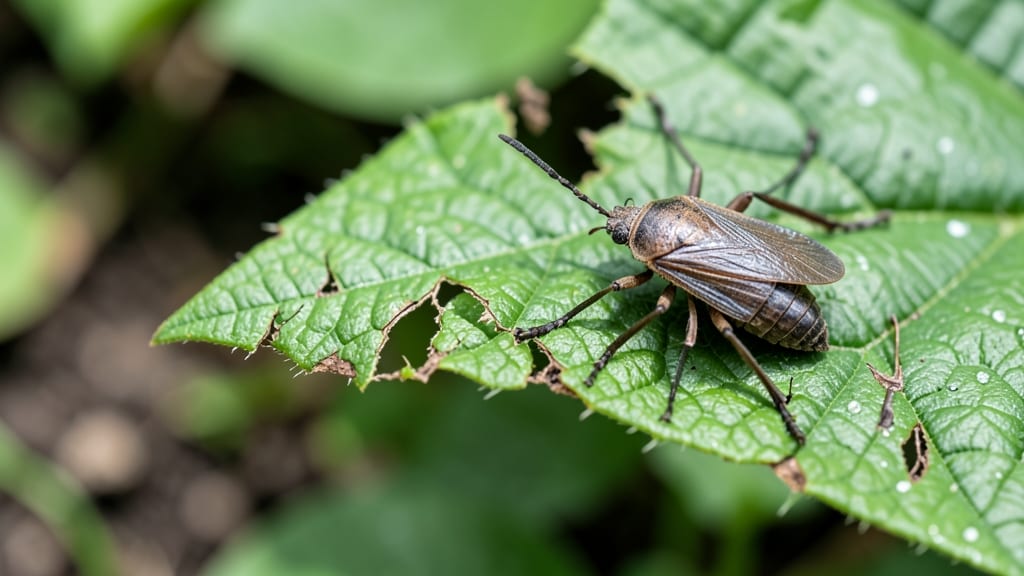
Your tomatoes look like they’ve been attacked by tiny, sneaky ninjas—and they have. 🌱 Leaf-footed bug damage shows up as jagged holes, sticky residue, and fruit scars that ruin harvests.
These shield-shaped pests are a nightmare for gardeners, but I’ve learned how to spot them early and stop them before they wreck your plants.
The damage isn’t just unsightly—it’s destructive. These bugs target tender new growth, leaving behind chewed edges and a foul-smelling mess. Worse, they spread quickly, so one plant can become a full-blown infestation in weeks. The good news? You can outsmart them with simple, organic methods that work without harsh chemicals.
By the end of this guide, you’ll know exactly what to look for, how to identify these pests, and the foolproof organic control methods that actually work. No more guessing—just actionable steps to protect your garden and keep those leaf-footed bugs out for good.
Whether you’re dealing with a small cluster or a full-blown outbreak, these strategies will help you reclaim your plants before the damage gets worse. Let’s get started with the first key sign you’ve got an infestation—and how to stop it fast.
Understanding Root Causes
Leaf-footed bugs (family Coreidae) wreak havoc on plants by feeding on sap, injecting toxins, and triggering stress responses—but why do they target your garden or crops in the first place? The answer lies in a mix of environmental triggers, plant vulnerabilities, and the bugs' own survival instincts.
Below, we break down the key factors that turn your prized plants into a leaf-footed bug buffet.
Leaf-footed bugs are opportunistic feeders, and stressed plants are their favorite snacks. When plants are weakened—whether by drought, poor soil health, or nutrient deficiencies—they produce higher sugar levels in their sap, making them more appealing to these pests.
Additionally, stressed plants often emit volatile organic compounds (VOCs), which act like a dinner bell for leaf-footed bugs. These compounds signal distress, drawing in hungry invaders.
💡 Pro Tip: Regularly monitor your plants for signs of stress (wilting, yellowing, or stunted growth). Improving soil health with compost, ensuring proper watering, and using balanced fertilizers can make your plants less attractive targets.
Leaf-footed bugs thrive in warm, dry climates, particularly during late summer and early fall when temperatures hover between 75–90°F (24–32°C). These conditions accelerate their reproduction and activity, leading to outbreaks. Additionally:
- Drought-stressed plants produce more sap, offering an easier meal.
- Overcrowded gardens provide more hiding spots and reduce natural predators.
- Lack of wind or rain means fewer disturbances to scare them off.
🌡️ Key Factor: If your region experiences prolonged heatwaves or irregular rainfall, expect leaf-footed bug populations to surge. Mulching and drip irrigation can help maintain plant resilience during dry spells.
Not all plants are equally tempting to leaf-footed bugs. These pests have a preference hierarchy, often targeting:
- Legumes (beans, peas, soybeans) – Their high protein and sugar content makes them a prime target.
- Tomatoes, peppers, and eggplants – These nightshade family plants are rich in nutrients and vulnerable to sap-sucking damage.
- Citrus and other fruit trees – The sweet sap is irresistible, especially during fruiting seasons.
- Weeds like pigweed and lambsquarters – These act as alternative hosts, allowing bug populations to build up before moving to your prized crops.
🎯 Actionable Insight: If you grow high-risk plants, consider intercropping with less appealing species (like herbs or marigolds) to confuse and deter leaf-footed bugs. Removing nearby weeds also reduces their breeding grounds.
Leaf-footed bugs face few natural enemies in most gardens. While parasitic wasps, spiders, and birds may prey on them, these predators are often outnumbered during outbreaks. Factors that reduce predator populations include:
- Overuse of broad-spectrum pesticides – These can kill beneficial insects along with pests.
- Monoculture gardening – Large patches of a single plant species provide easy meals but limit predator diversity.
- Urban or suburban settings – Fewer wild predators (like ground beetles or lacewings) are present compared to diverse ecosystems.
✨ Eco-Friendly Fix: Encourage predator-friendly habitats by planting native flowers, installing birdhouses, and avoiding chemical pesticides. Ladybugs and lacewings are particularly effective at controlling leaf-footed bug populations.
By addressing these root causes—whether through plant health management, environmental adjustments, or predator support—you can significantly reduce the appeal and impact of leaf-footed bugs in your garden. The key is proactive prevention rather than reactive damage control.
Quick Fixes for Leaf-Footed Bug Damage
If your plants are showing signs of leaf-footed bug damage—chewed leaves, wilting, or sticky residue—don’t panic! These pests are manageable with the right approach. Below, we’ve mapped practical solutions to the most common causes of their damage, along with prevention tips to keep them away for good.
Leaf-footed bugs love to feast on tender plant tissue, leaving behind irregular holes and skeletonized leaves. Here’s how to stop the damage:
🔥 Remove Infested Leaves Immediately
- Why? Bugs hide in damaged foliage, and removing affected leaves breaks their life cycle.
- How?
- Snip off heavily chewed leaves with clean pruners.
- Drop them in soapy water (1 tbsp dish soap per gallon) to kill any hidden bugs.
- Avoid composting—these pests can survive and reinfest.
🍳 Spray with Neem Oil (Best Organic Repellent)
- Why? Neem oil disrupts their feeding and repels them naturally.
- How?
- Mix 1 tsp neem oil + 1 tsp mild liquid soap + 1 quart water in a spray bottle.
- Apply early morning or late evening (avoid direct sun to prevent leaf burn).
- Reapply every 5–7 days until bugs are gone.
👨🍳 Use Kaolin Clay as a Barrier
- Why? This white, clay-based spray coats leaves, making them unappetizing to bugs.
- How?
- Follow package instructions (typically 1–2 tbsp per gallon of water).
- Spray thoroughly, including undersides of leaves.
- Reapply after rain or every 2 weeks.
Leaf-footed bugs inject toxins while feeding, causing plants to wilt, yellow, or drop buds. Combat this with:
🌡️ Boost Plant Health with Fertilizer
- Why? Weak plants attract more pests. A balanced fertilizer (10-10-10) helps them recover faster.
- How?
- Apply slow-release granules around the base (follow label rates).
- Water deeply after application to avoid root burn.
✨ Introduce Beneficial Predators
- Why? Ladybugs, lacewings, and parasitic wasps eat leaf-footed bugs naturally.
- How?
- Buy beneficial insect eggs or larvae from garden centers.
- Release them at dusk when bugs are most active.
- Plant dill, fennel, or marigolds nearby to attract them.
🎯 Hand-Pick Bugs (Best for Small Infestations)
- Why? Manual removal works for low populations before damage spreads.
- How?
- Wear gloves and inspect leaves daily.
- Drop bugs into soapy water or a sealed jar with rubbing alcohol.
- Check undersides of leaves and plant crevices—they love hiding!
Leaf-footed bugs leave behind honeydew, a sticky sap that attracts sooty mold. Here’s how to clean it up:
🔪 Blast Off Residue with Water
- Why? Sooty mold thrives on honeydew—removing it stops fungal growth.
- How?
- Use a hose with a gentle spray nozzle to rinse leaves.
- For stubborn residue, mix 1 tbsp baking soda + 1 quart water and wipe with a soft cloth.
💡 Prevent Future Infestations
- 🌱 Choose Resistant Plants: Bugs avoid strong-scented herbs (basil, rosemary) and thorny plants (citrus, roses).
- 🌙 Use Row Covers: Protect young plants with fine mesh netting (remove when they flower to allow pollination).
- 🍂 Clean Up Debris: Remove fallen leaves, weeds, and plant waste—these hide overwintering bugs.
- 🕒 Act Fast: Leaf-footed bugs multiply quickly—address damage within 48 hours of spotting it.
Pro Tip: 🌡️ Monitor with Yellow Sticky Traps—place them near plants to catch adult bugs before they lay eggs.
By combining removal, organic sprays, and plant strengthening, you can reverse damage and prevent future attacks—without harsh chemicals! 🚀
Frequently asked questions about leaf-footed bug damage
What do leaf-footed bug bites look like on plants?
Look for jagged, irregular holes along leaf edges and skeletonized foliage where only veins remain. You’ll also spot small, shield-shaped bugs (about 1/2 inch long) with distinctive leaf-like feet. Check undersides of leaves—they love hiding there!
Can leaf-footed bugs harm fruit and vegetables?
Yes! They puncture tomatoes, peppers, and beans, leaving scars and dimples that ruin appearance and quality. The injected toxins can also cause blossom drop and stunted growth. Worse, their honeydew secretions attract sooty mold, further damaging harvests.
How do I tell leaf-footed bugs apart from other pests?
Leaf-footed bugs have distinctive leaf-shaped hind legs (hence the name) and a shield-like body. Unlike aphids (which are tiny and clustered), these bugs are larger (1/2 inch) and move slowly. Their damage—ragged holes—differs from even chew marks left by caterpillars.
Will neem oil kill leaf-footed bugs or just repel them?
Neem oil disrupts their feeding and repels them, but won’t kill adults instantly. For best results, spray every 5–7 days and combine with hand-picking or kaolin clay. The soap in the mix helps break down their waxy outer layer, making them more vulnerable.
Can I use soapy water to control leaf-footed bugs?
Yes! Mix 1 tablespoon dish soap per gallon of water and spray directly on bugs. The soap dissolves their protective coating, causing dehydration. For stubborn infestations, repeat every 3 days—just avoid spraying flowers to protect pollinators.