
Pests
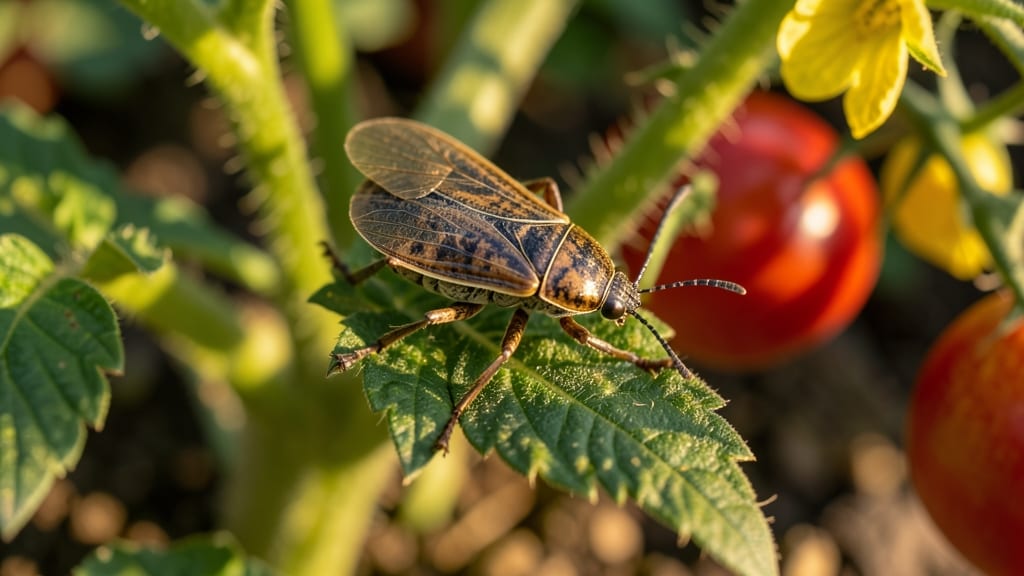
Leaf-footed bugs on tomato plants turn your harvest dreams into a nightmare—until you use this fast, organic spray barrier. 🌱 I’ve lost entire tomato plants to these sneaky pests, but this method stops them in their tracks without harsh chemicals.
The key is acting before the damage spreads, and I’ll show you exactly how to create a protective shield that works in just 24 hours. These bugs thrive in warm weather and leave behind chewed leaves, white fecal matter, and stunted fruit.
The damage starts small but escalates quickly, so early intervention is everything. My go-to spray uses simple ingredients you likely already have: neem oil, dish soap, and water. It’s a game-changer for backyard gardens, raised beds, and even container plants where pests strike hardest.
Once applied, the spray creates a barrier that repels bugs while keeping your tomato plants healthy and productive. You’ll see fewer holes in leaves within a few days, and your plants will bounce back faster than ever. The best part?
This method is safe for pollinators and won’t harm your soil or future harvests. For long-term protection, I recommend companion planting with basil, marigolds, or nasturtiums—they naturally deter leaf-footed bugs.
Pair this spray with these plants, and you’ll have a foolproof defense system that keeps your tomatoes thriving all season long.
The Hidden Triggers Inviting Bugs
Leaf-footed bugs—those sneaky, shield-shaped pests—don’t just randomly show up on your tomato plants. Their arrival is a mix of environmental cues, plant signals, and even human habits. Understanding these triggers is the first step to outsmarting them.
Let’s break down the real reasons these bugs target your tomatoes, so you can cut off their access before they strike.
Leaf-footed bugs are opportunistic feeders, and they’ve got a sixth sense for stressed or ripe tomatoes. Here’s why:
- Volatile organic compounds (VOCs): When tomatoes ripen, they release chemical signals (like ethylene gas) that attract bugs from miles away. These compounds act like a dinner bell, drawing bugs to your garden.
- Soft, easy targets: Overripe or bruised fruit has thinner skins, making it easier for bugs to pierce and suck out juices. A single puncture can lead to catface deformities (sunken, scarred spots) or even fruit drop.
- Sap as a magnet: Bugs aren’t just after the fruit—they’re after the sap. Damaged leaves or stems ooze sugary fluids, which these pests love as a quick energy boost.
Actionable fix: Harvest tomatoes before they fully ripen (if possible) or remove overripe ones immediately. Prune damaged leaves to reduce sap leaks.
Leaf-footed bugs thrive in cluttered, neglected gardens where they can hide, breed, and feast undisturbed. Here’s how your space might be inviting them:
- Debris as breeding grounds: Old plant debris, mulch piles, or weeds provide perfect microclimates for bug eggs and nymphs. These pests prefer warm, humid spots—think leaf litter or dense foliage.
- Weeds as alternative hosts: Bugs don’t only target tomatoes. Many species feed on solanaceous weeds (like nightshade or blackberry nightshade), which act as buffer zones before they migrate to your crops.
- Monoculture gardens: Planting only tomatoes (or other solanaceae like peppers/eggplants) creates a bug buffet. Without diversity, there’s no confusion—bugs know exactly where to find food.
Actionable fix:
- ✅ Clear debris regularly—especially after harvest.
- ✅ Rotate crops yearly to disrupt bug life cycles.
- ✅ Interplant tomatoes with non-host plants like basil, marigolds, or onions to confuse pests.
Leaf-footed bugs are highly sensitive to weather changes, and certain conditions turn your garden into their personal playground. Here’s how:
| Weather Factor | Why It Attracts Bugs | Peak Risk Period |
|---|---|---|
| 🌞 Hot, Dry Spells | Drought stress makes plants release more sugars in their sap, which bugs crave. Plus, dry soil forces bugs to seek out juicy tomatoes faster. | Late summer to early fall |
| 🌧️ Sudden Rainfall | Rain washes away natural predators (like spiders and birds) and softens plant tissues, making them easier to pierce. Bugs also use rain to dispersal to new areas. | After heavy downpours |
| 🌡️ Warm Nights | Bugs are nocturnal feeders. When nights stay above 70°F (21°C), they’re more active, increasing damage overnight. | June through September |
Actionable fix:
- 💡 Mulch deeply to retain moisture and reduce drought stress.
- 🌡️ Monitor forecasts—if rain is predicted, inspect plants closely the next morning.
- ✨ Use row covers during peak heat to deter bugs from settling in.
Leaf-footed bugs don’t have many natural enemies, but when their predators vanish, they explode in numbers. Here’s what’s likely happening:
- Pesticide overuse: Broad-spectrum chemicals (like neonicotinoids or pyrethroids) kill beneficial insects first—think ladybugs, lacewings, and parasitic wasps that prey on bug eggs. Without them, leaf-footed bugs reign supreme.
- Lack of habitat for predators: If your garden lacks diverse plants, water sources, or shelter (like brush piles or log borders), predator populations can’t sustain themselves.
- Urbanization and habitat loss: Even suburban gardens suffer—birds and bats (which eat adult bugs) avoid areas with no trees or tall structures.
Actionable fix:
- 🌿 Plant native flowers (like dill, fennel, or yarrow) to attract predator insects.
- 🐦 Add birdhouses or bat boxes near your garden.
- 🚫 Avoid systemic pesticides—opt for targeted sprays (like neem oil) that harm bugs but spare predators.
Quick Fixes for Tomato Plant Pests
Leaf-footed bugs on tomato plants can feel like a nightmare, but with the right approach, you can turn the tide fast—without harsh chemicals. Below are targeted solutions based on the cause of the infestation, plus prevention tips to keep your tomatoes thriving. Let’s tackle this step by step!
If you’ve spotted adult leaf-footed bugs or their tiny white eggs on undersides of leaves, act fast to stop the cycle.
- 🍳 Handpick Adults
- Wear gloves and inspect plants in the early morning when bugs are sluggish.
- Drop them into soapy water (1 tbsp dish soap + 1 gallon water) to kill them instantly.
- Check under leaves, stems, and fruit—they love hiding in crevices!
- 👨🍳 Scrape Off Eggs
- Use a soft brush or damp cloth to gently remove clusters of eggs.
- Dispose of them in soapy water or a sealed bag.
- Pro Tip: 💡 Eggs hatch in 5–10 days, so repeat checks every 3–4 days for a week.
Leaf-footed bugs hate sticky, textured surfaces, so create a physical barrier they can’t cross.
- 🔪 DIY Kaolin Clay Spray (Best for Prevention)
- Mix 1 tbsp kaolin clay (like Surround WP) with 1 gallon water and a drop of dish soap (as a spreader-sticker).
- Spray evenly on leaves, stems, and fruit—it creates a repellent film that bugs avoid.
- Reapply every 7–10 days or after rain.
- 🌿 Neem Oil Spray (Kills Eggs & Young Nymphs)
- Combine 1 tbsp neem oil, 1 tsp mild castile soap, and 1 quart water.
- Spray undersides of leaves (where eggs hide) and new growth.
- Warning: 🌡️ Apply early in the morning or late evening to avoid harming bees.
- 🎯 Row Covers (For Heavy Infestations)
- Use fine mesh netting (like agricultural fabric) to cover tomato plants at night.
- Secure edges with clips or soil weights—bugs can’t fly in, but pollination still works for outdoor plants.
Stopping leaf-footed bugs at the source means healthy plants + smart gardening habits.
- 💡 Plant Trap Crops
- Grow basil, beans, or sweet corn near tomatoes—leaf-footed bugs prefer these over tomatoes.
- Sacrifice a few plants to lure bugs away from your main crop.
- 🌱 Improve Plant Health
- Water deeply at the base (not overhead) to reduce stress—stressed plants attract more pests.
- Mulch with straw or grass clippings to discourage bugs from laying eggs in soil.
- 🔍 Early Detection = Faster Action
- Inspect plants weekly, especially after hot, dry spells (bugs thrive in heat).
- Look for:
- Pale, wilted spots on leaves (early feeding signs).
- Black fecal spots on fruit (a sure sign of nymphs feeding).
- ❌ Avoid broad-spectrum pesticides (like malathion)—they kill beneficial insects (ladybugs, lacewings) that eat leaf-footed bugs.
- ❌ Don’t ignore small nymphs—they multiply fast and cause more damage than adults.
- ❌ Skip the undersides of leaves—that’s where eggs and nymphs hide!
By combining removal, organic sprays, and prevention, you’ll break the bug cycle and keep your tomato plants safe and productive. Stay vigilant, and your harvest will thank you! 🍅🌟
Frequently asked questions
What do leaf-footed bugs look like on tomato plants?
Adult leaf-footed bugs have a distinctive shield-shaped body with leaf-like hind legs and a reddish-brown color. Nymphs (baby bugs) are smaller, yellowish, and have black fecal spots on leaves and fruit. Look for chewed leaf edges and white, oval eggs clustered on undersides of leaves.
How fast can leaf-footed bugs destroy tomato plants?
These pests multiply quickly—eggs hatch in 5-10 days, and nymphs can skeletonize leaves in just 3-5 days if left unchecked. A single female can lay 100+ eggs, so early action is critical to prevent total defoliation. Start treatment at first sign of adults or eggs!
Can I use homemade sprays to stop leaf-footed bugs?
Yes! A neem oil spray (1 tbsp neem oil + 1 tsp soap per quart of water) works well, or try kaolin clay spray (1 tbsp clay + 1 gallon water). Spray undersides of leaves (where eggs hide) and fruit every 7-10 days. Apply in early morning to avoid harming bees. Reapply after rain.
Will companion planting really work against these bugs?
Plant basil, marigolds, or nasturtiums near tomatoes—they mask tomato scents and repel bugs. Basil also improves tomato flavor while deterring pests. For extra protection, interplant with onions or garlic, which release sulfur compounds that bugs dislike. Rotate crops yearly to further confuse pests.
What should I do if my tomatoes already have damage?
Remove heavily damaged fruit immediately to stop sap leakage (which attracts more bugs). Prune chewed leaves to improve airflow. For catfaced tomatoes (sunken scars), pick them early—they won’t ripen properly. Focus on healthy new growth and apply kaolin clay spray to protect remaining fruit.