
Leaf Blower
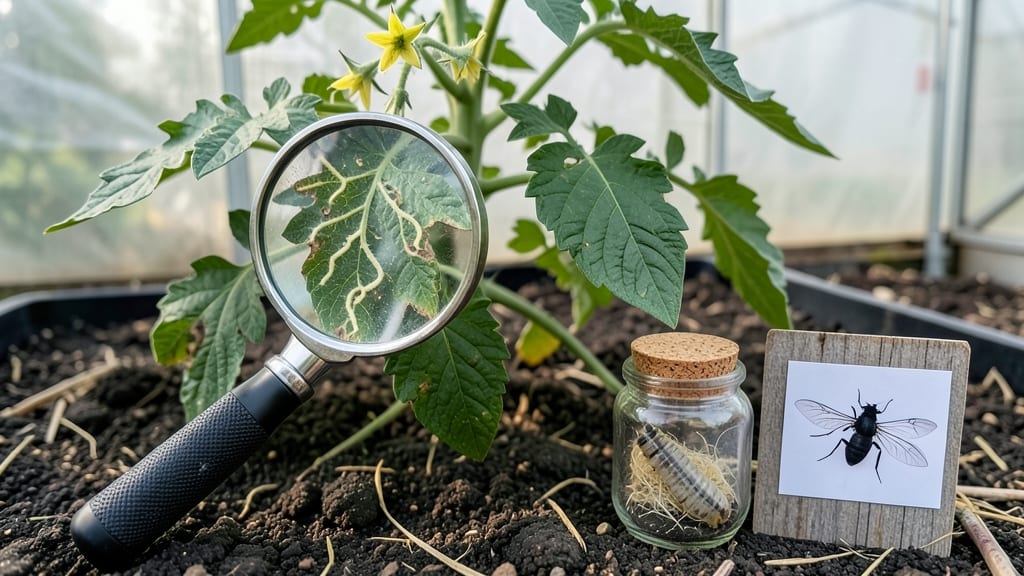
Those ugly serpentine trails in your leaves mean leaf miners are feasting on your plants—and they’re worse than you think. 🌿 I’ve watched entire tomato and pepper plants turn skeletal from these tiny pests, but these 3 quick steps can save your harvest before it’s too late.
First, prune and destroy infected leaves immediately—don’t compost them. Then, spray with neem oil (1 tablespoon per quart of water) every 5–7 days until new growth appears. The key is acting fast: leaf miners start small but multiply fast, turning crisp foliage into brown skeletons in weeks.
By the time you see the damage, the larvae are already munching. But with this method, you’ll stop the spread and see new, miner-free leaves within 2–3 weeks. The secret? Neem oil disrupts their life cycle while keeping your plants healthy.
Works for tomatoes, peppers, basil, and even houseplants. Let’s get those leaves looking lush again—no more serpentine nightmares.
The Hidden Culprits Behind Leaf Damage
Leaf miners aren’t just a random act of nature—they’re the result of tiny, relentless insects that turn your plants into their personal buffet. Understanding why these pests strike is the first step to stopping them.
Below, we break down the most common causes, from environmental triggers to plant vulnerabilities, so you can protect your garden like a pro.
Leaf miners are the larval stage of fly or moth species, like the Serpentine Leaf Miner or Peach Leaf Miner. These larvae burrow into leaves, creating serpentine tunnels as they feed. Here’s why they choose your plants:
- Soft, tender leaves: Young, succulent foliage (common in new growth or fast-growing plants like basil, beans, or zucchini) is a leaf miner’s dream. Why? Thin leaves offer easy access, and the larvae can’t chew through tougher textures.
- Warm, humid conditions: Leaf miners thrive in temperatures between 70–85°F (21–29°C). If your garden is a cozy, moist haven—especially in spring or summer—they’ll move in fast. Pro tip: 🌡️ Monitor humidity; drip irrigation (instead of overhead watering) can reduce leaf moisture, making plants less appealing.
- Overcrowded plants: Dense foliage traps heat and moisture, creating the perfect breeding ground. Leaf miners also struggle to detect predators in tight spaces, giving them free rein.
Actionable fix: Space plants properly (follow spacing guidelines on seed packets) and prune for airflow. If you’ve already spotted miners, act fast—they multiply quickly!
Stressed plants are like neon signs for pests. When your foliage is already fighting off drought, disease, or poor nutrition, leaf miners see weakness—and they exploit it. Common stressors include:
| Stress Factor | Why It Attracts Miners | How to Fix It |
|---|---|---|
| Nutrient deficiencies (especially nitrogen or magnesium) | Weak leaves can’t fight off invaders, and miners detect chemical changes in stressed plants. | Fertilize with a balanced 10-10-10 or organic compost to boost resilience. |
| Drought or overwatering | Dry leaves become brittle (easier for larvae to tunnel), while soggy soil attracts their adult fly/moth parents. | Water deeply 1–2 times per week (check soil moisture 1" below the surface). |
| Fungal or bacterial infections (e.g., powdery mildew) | Infected leaves emit signals that attract pests, including leaf miners. | Apply neem oil or copper fungicide preventatively. Remove heavily damaged leaves. |
Key insight: Healthy plants are naturally less appealing. 💪 A robust immune system (thanks to proper care) is your best defense.
Leaf miners don’t attack randomly—they follow a predictable schedule tied to weather and plant cycles. Here’s when to watch for them:
- Spring (April–June):
Adult flies emerge as temperatures rise. They lay eggs on new growth, which hatch into larvae just as your plants are most vulnerable. Target plants: Tomatoes, peppers, and brassicas.
- Summer (July–August):
Peak activity if humidity stays high. Miners love heat-loving crops like cucumbers, melons, and beans. Watch for: Rapid leaf damage in hot, still afternoons.
- Fall (September–October):
Late-season miners can still cause damage, especially if temps stay mild. Focus on: Clearing garden debris (where pupae overwinter) before winter.
📅 Pro tip: Set up yellow sticky traps in spring to monitor adult fly populations. If you catch 5+ flies per week, it’s time to intervene!
Sometimes, the problem isn’t the plant—it’s the ecosystem around it. Leaf miners are more likely to infest gardens that:
- Lack natural predators: Birds, parasitic wasps (Braconidae family), and ground beetles eat leaf miner larvae. If your garden has no beneficial insects, miners thrive unchecked.
- Use heavy pesticides: Broad-spectrum chemicals (like malathion) kill both pests and their natural enemies, creating a vacuum that miners fill.
- Have poor drainage: Waterlogged soil attracts adult flies, which lay eggs near damp leaves. Solution: Test soil drainage and amend with compost if needed.
🌿 Sustainable fix: Encourage biodiversity! Plant native flowers (like dill, fennel, or marigolds) to attract predator insects. A thriving ecosystem = fewer miners.
Quick Fixes for Wormy Leaves
Discovering serpentine trails or blotchy damage on your prized plants can feel like a gardening nightmare—but don’t panic! Leaf miners are manageable with the right approach. Below, we break down targeted solutions based on the root cause, from organic remedies to proactive prevention.
Whether you’re dealing with a sudden infestation or want to stop future attacks, these steps will help you reclaim healthy, vibrant foliage.
Leaf miners thrive inside leaves, so the first step is to starve them out by removing their hiding spots.
- 🍳 Pick and toss: Wear gloves and pluck affected leaves by hand, dropping them into a sealed plastic bag (not your compost!). Do not leave them on the ground—the larvae will pupate and return.
- 👨🍳 Prune strategically: For severe cases, trim entire branches if over 50% of leaves are damaged. Focus on new growth, as miners often target tender leaves.
- ⏰ Timing matters: Do this in the morning when larvae are sluggish. Avoid shaking plants—this can spread eggs or pupae to nearby foliage.
Pro Tip: 💡 If your plant is non-woody (like basil or lettuce), consider replacing it entirely—some plants are too vulnerable to recover.
Break the leaf miner life cycle with non-toxic interventions that disrupt their feeding and breeding.
🔪 Soil Drenches (For Early Stages)
| Solution | How to Use | Best For |
|---|---|---|
| Neem oil | Mix 1 tbsp neem oil + 1 tsp mild soap in 1 quart water. Spray undersides of leaves at dusk (avoid direct sun). Repeat every 5–7 days. | Prevention + light infestations |
| Kaolin clay | Sprinkle 1–2 tbsp clay per gallon of water. Shake well and spray leaves to create a physical barrier. Reapply after rain. | Vegetables (tomatoes, peppers, brassicas) |
| Bacillus thuringiensis (Bt) | Sprinkle Bt powder on soil or mix with water for foliar spray. Only use when caterpillars are young—it loses effectiveness once they pupate. | Organic gardens (safe for bees if applied at dusk) |
🎯 Physical Traps
Lure adult flies away with these DIY setups:
- Yellow sticky traps: Hang near plants to catch adult miners before they lay eggs. Replace every 2 weeks.
- Beer traps: Bury a small cup filled with beer near the base of plants. The yeast attracts flies, drowning them overnight.
Once you’ve tackled the current infestation, lock in your defenses to keep miners away for good.
- 🌱 Healthy soil = strong plants: Leaf miners target stressed plants. Boost soil with compost, mulch, and balanced fertilizer (high nitrogen encourages tender growth they love).
- 🌿 Rotate crops: If you grow vegetables, avoid planting the same family (e.g., tomatoes, peppers, eggplants) in the same spot yearly.
- 🕷️ Encourage predators: Ladybugs, lacewings, and parasitic wasps devour leaf miner larvae. Attract them with native plants like dill, fennel, or marigolds.
- 🌧️ Water wisely: Avoid overhead watering, which spreads eggs. Use drip irrigation or water at the base.
- 🛡️ Row covers: For high-risk plants (like brassicas), use fine mesh covers until flowers appear (then remove to allow pollinators).
Pro Tip: 🔥 Inspect new plants before bringing them home! Many infestations start with nursery-bought seedlings.
With these steps, you’ll not only reverse damage but also build a leaf-miner-proof garden. Stay vigilant, and your plants will bounce back—lush and miner-free!
Frequently asked questions
Can I save a plant with severe leaf miner damage?
For non-woody plants (like basil or lettuce) with heavy infestations, replacement is often best. However, woody plants (tomatoes, peppers) can recover if you remove 90% of damaged leaves and apply neem oil immediately. Focus on new growth—miners rarely attack mature leaves.
How do I know if it’s leaf miners vs. other pests?
Leaf miners create serpentine tunnels inside leaves (visible as brown trails). Other pests like aphids or spider mites cause speckling or webbing on leaf surfaces. Check undersides—miners leave behind tiny black frass (poop) in their trails.
Will neem oil work if I’ve already seen tunnels?
Neem oil is most effective preventatively, but it can still help if larvae are present. The key is consistency: spray every 5–7 days at dusk for 2–3 weeks. It disrupts their life cycle, though existing tunnels won’t disappear—just remove those leaves.
Can leaf miners harm fruit or vegetables?
Directly, no—but severe defoliation weakens plants, reducing yields. Miners rarely burrow into fruit, but stressed plants may drop blossoms or produce smaller harvests. Focus on young leaves first, as they’re the miners’ top target.
Why do I keep getting miners even after treatment?
Adult flies may be re-infesting from nearby gardens or overwintering in soil/debris. Set up yellow sticky traps and encourage predators (like parasitic wasps) with dill or marigolds. Also, clean up garden debris in fall to break their life cycle.