
Neem Oil
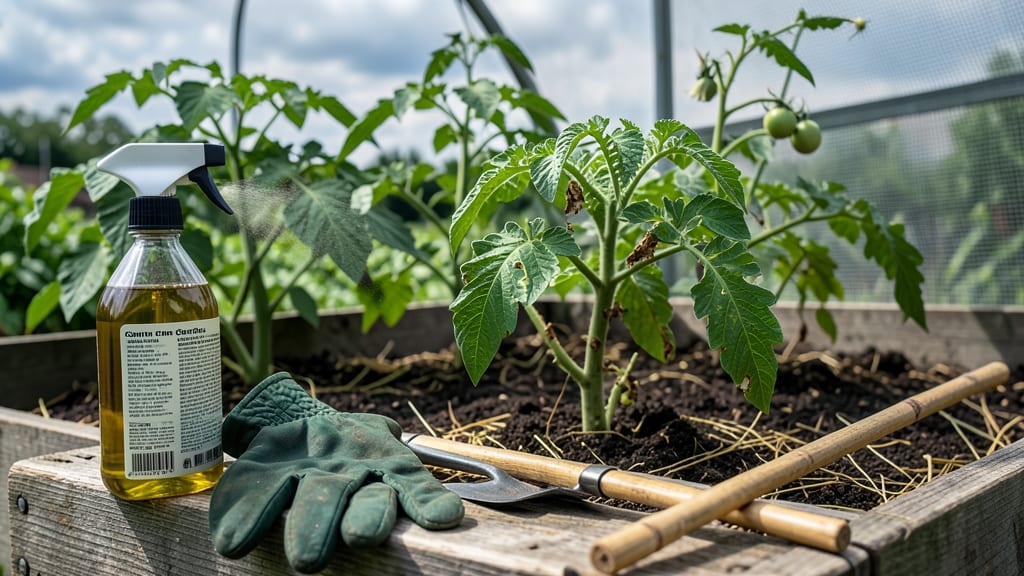
Neem oil spray stops leaf miners in their tracks—fast—before they turn your plants into skeleton leaves. 🌿 I’ve seen these tiny worms devour entire tomato plants in weeks, but this blend cuts their lifecycle short and prevents new infestations.
The key? Timing, concentration, and a second spray 7 days later to catch any survivors.
Leaf miners start as pale, squiggly trails between leaf veins, then expand into brown, crinkled patches. Most gardeners wait too long—by then, the damage is done. Neem oil works best when you spot the first signs, disrupting their feeding and reproduction.
Mix it right, and you’ll see new growth emerge within 10-14 days, with no more chewed-up leaves.
This isn’t just about spraying—it’s about prevention. Healthy plants resist miners better, so focus on proper watering, airflow, and removing infested leaves immediately. The neem blend also fights fungal spots, so you’re tackling two problems at once.
Just avoid spraying when bees are active, and always test on a small leaf first.
Works for tomatoes, peppers, basil, and even houseplants. The secret? Consistency. One spray won’t erase an established infestation, but a weekly preventive treatment keeps your garden looking lush all season. Let’s get your plants back to full, vibrant health.
Root Causes Of Leaf Damage
Leaf miners—tiny, worm-like larvae—don’t just appear out of nowhere. Their presence is usually a sign of an underlying imbalance in your garden’s ecosystem. Understanding why these pests target your plants is the first step to stopping them before they cause irreversible damage.
Below, we break down the key factors that make your foliage a prime buffet for leaf miners.
Healthy plants naturally repel many pests, but when their defenses are compromised, leaf miners move in like uninvited guests. Here’s what weakens your plants’ resilience:
- Nutrient Deficiencies: Plants lacking nitrogen, phosphorus, or potassium struggle to produce tough, disease-resistant leaves. Leaf miners thrive on soft, nutrient-depleted foliage, which is easier to burrow into.
- Overwatering or Poor Drainage: Soggy roots and waterlogged soil create stress, making plants more vulnerable. Leaf miners prefer plants that are already struggling to recover from environmental stress.
- Fungal or Bacterial Infections: If your plants are battling fungal spots (like the ones neem oil targets), the damage opens doors for secondary pests. Leaf miners exploit these weak spots, accelerating decay.
Actionable Fix: Conduct a soil test to check nutrient levels and adjust fertilization. Ensure proper drainage by amending soil with compost or perlite, and prune infected leaves immediately to remove entry points.
Leaf miners start as eggs laid by tiny flies—often Liriomyza or Phytomyza species—that are nearly invisible to the naked eye. These flies are attracted to specific conditions:
- Warm, Humid Climates: Leaf miner flies thrive in temperatures between 60–85°F (15–29°C). If your garden stays consistently warm and damp, you’re creating the perfect breeding ground.
- Young, Tender Leaves: New growth is their favorite target because it’s less tough and easier to penetrate. This is why seedlings and newly transplanted plants are often the first to fall victim.
- Monoculture Plantings: Large patches of the same plant species (e.g., a vegetable garden full of basil or a row of roses) signal to flies that food is abundant. Diversity disrupts their feeding patterns.
Actionable Fix: Monitor your garden for adult flies (they resemble tiny houseflies) and use yellow sticky traps to catch them early. Introduce companion plants like marigolds or nasturtiums to deter flies naturally.
Leaf miners don’t just pick on weak plants—they also exploit physical vulnerabilities. Overcrowding and poor airflow create the perfect storm:
- Poor Air Circulation: Dense foliage traps moisture, creating a humid microclimate that leaf miner flies adore. Without airflow, plants can’t dry out quickly after rain or watering, staying susceptible longer.
- Competition for Resources: Overcrowded plants compete for sunlight, water, and nutrients, leading to stunted growth. Stunted plants produce thinner leaves—easier pickings for miners.
- Physical Damage from Pruning or Wind: Any disruption to the leaf surface (like rough pruning or wind tears) can attract flies, as they’re drawn to broken barriers.
Actionable Fix: Prune regularly to improve airflow, space out plants according to their mature size, and avoid overhead watering to keep leaves dry. Use row covers in windy areas to prevent physical damage.
By addressing these root causes—nutritional health, fly activity, and plant stress—you’re not just treating the symptoms of leaf miners; you’re cutting off their food supply and breeding grounds. The next step? Proactive strategies to keep your garden miner-free.
Quick Fixes for Leaf Miner Damage
Leaf miners can turn your lush green plants into a skeleton of veins and holes—but don’t panic! With the right approach, you can reverse the damage and protect your garden.
Below, we break down targeted solutions based on the root cause, from organic sprays to cultural fixes. Follow these steps to restore your plants and keep miners at bay.
---
If leaf miners have already caused visible damage, cutting them out is your first line of defense.
- 🍃 Prune Infested Leaves - Use sterilized pruning shears to remove heavily damaged leaves (especially on vegetables like basil, spinach, or citrus). - Drop them in a sealed bag—never compost them!
This prevents larvae from spreading. - Pro Tip: 💡 Focus on new growth first, as miners target tender leaves.
- 🌿 Handpick Larvae (For Small Infestations) - Wear gloves and inspect leaves under bright light. - Gently scrape off white or yellow serpentine trails (larvae) with a soft brush or your fingernail. - Best for: Greenhouses, small pots, or high-value plants like tomatoes.
- 🧹 Wipe Down Leaves - Mix 1 tsp dish soap + 1 quart water in a spray bottle. - Lightly dampen leaves to dislodge eggs and larvae (avoid over-wetting to prevent fungal issues).
---
Neem oil isn’t just for fungal spots—it’s a powerhouse against leaf miners too. Here’s how to use it effectively:
- 🌿 Neem Oil Spray (Best for All Stages) - Recipe: 1 tbsp cold-pressed neem oil + 1 tsp horticultural oil + 1 tsp mild castile soap + 1 quart water. - How to Apply: - Spray early morning or late evening (avoid direct sun—it burns leaves). - Cover both sides of leaves thoroughly. - Reapply every 5–7 days until no new damage appears. - Why It Works: Disrupts larvae feeding, smothers eggs, and repels adult flies.
- 🍋 Citrus Oil or Peppermint Oil (Natural Repellent) - Recipe: 10 drops peppermint or citrus oil + 1 tsp soap + 1 quart water. - Best for: Outdoor plants where miners are just starting to appear. - Caution: Test on a small leaf first—some plants (like lavender) are sensitive.
- 🥛 Kaolin Clay Spray (Physical Barrier) - Recipe: 1 tbsp food-grade kaolin clay + 1 tsp soap + 1 gallon water. Blend well. - How It Helps: Creates a white, chalky film that larvae can’t penetrate. - Best for: Vegetable gardens (safe for edibles after drying).
---
Healthy plants resist leaf miners better. Fix these hidden issues to break the cycle:
| Problem | Fix | |---------------------------|------------------------------------------------------------------------| | Poor Drainage | Amend soil with perlite or compost to improve aeration. | | Overcrowded Plants | Space plants 12–18 inches apart for airflow (miners love tight spots). | | Nitrogen Deficiency | Add compost or a balanced fertilizer (too much nitrogen = soft, tasty leaves). | | Weakened Plants | Water deeply but less often (overwatering stresses roots). | | Lack of Beneficial Insects | Introduce ladybugs, lacewings, or parasitic wasps (natural predators). |
- 🌱 Pro Tip: 🎯 Interplant with herbs like basil, dill, or marigolds—their strong scents deter miners.
---
Prevention is 90% of the battle. Follow this seasonal schedule to keep miners out:
- 🌱 Early Spring (Before Eggs Hatch) - Apply neem oil spray as a preventative barrier. - Mulch heavily to discourage adult flies from laying eggs.
- 🌿 Summer (Peak Activity) - Inspect plants weekly—catch damage early! - Rotate sprays (e.g., neem one week, kaolin clay the next) to avoid resistance.
- 🍂 Fall (Cleanup Time) - Remove all plant debris (miners overwinter in dead leaves). - Solarize soil (cover with clear plastic for 4–6 weeks in hot sun) to kill larvae.
- ❄️ Winter (Dormant Season) - Store neem oil spray in a cool, dark place for next year. - Check stored plants (like houseplants) for hidden eggs.
--- 💡 Final Pro Tip: If miners keep coming back, rotate your sprays—miners can develop resistance to neem oil over time. Mix in insecticidal soap or pyrethrin-based sprays (like azadirachtin) for variety.
By combining physical removal, organic sprays, and plant health, you’ll outsmart leaf miners and keep your garden thriving—without harsh chemicals! 🌿✨
Frequently asked questions
Can I use neem oil spray on edible plants like tomatoes and basil?
Yes! Neem oil is safe for edible plants when used correctly. Apply it 2-3 days before harvest to ensure residue has time to break down. For basil and tomatoes, use the 1 tbsp neem oil + 1 tsp soap + 1 quart water ratio, and always spray in the early morning or evening to avoid leaf burn from sunlight.
How soon will I see results after applying the neem oil blend?
You should notice a difference within 3-5 days of consistent application. The spray disrupts larvae feeding immediately, but for complete eradication, reapply every 5-7 days for at least 2 weeks. New growth should appear within 10-14 days if the infestation was caught early.
Will this spray work on houseplants too?
Houseplants like ferns, citrus, and rubber plants are common targets. Use the same neem oil blend but test on a small leaf first—some tropical plants are sensitive. For indoor use, apply in a well-ventilated area and avoid spraying when pets or children are nearby.
What if the leaf miners keep coming back after treatment?
If miners persist, you may need to rotate treatments. Try alternating between neem oil and kaolin clay spray or insecticidal soap. Also check for underlying issues like overcrowding or poor drainage, which can attract new flies. For severe cases, consider introducing beneficial nematodes to target larvae in the soil.
Can I make this spray without neem oil?
Yes! For a neem-free alternative, try 1 tbsp vegetable oil + 1 tsp soap + 1 quart water. Add 10 drops peppermint or citrus oil for extra repellent power. While less effective than neem, this blend still disrupts larvae and repels adult flies. Reapply more frequently (every 3-4 days) for best results.