
Pests and Diseases
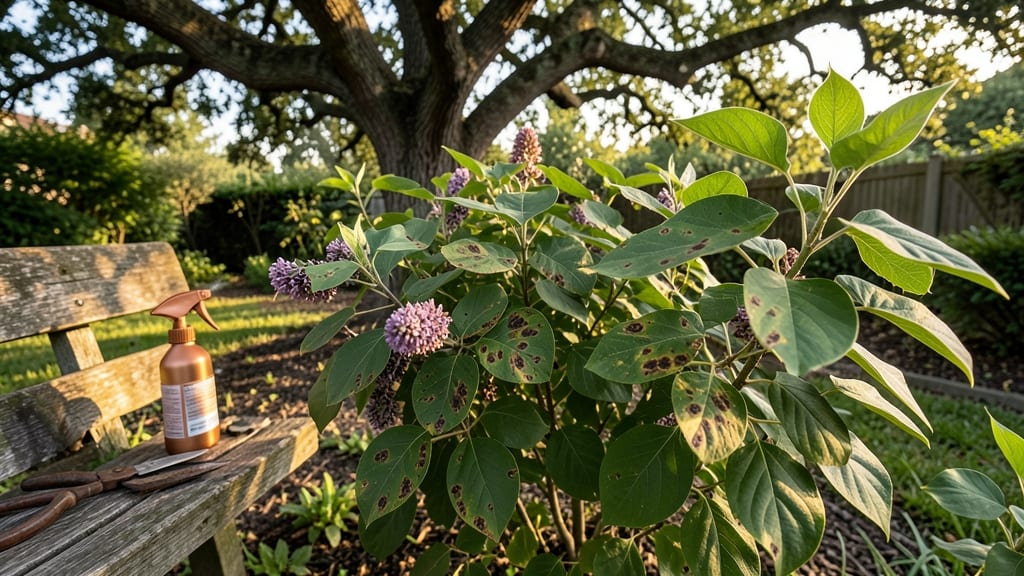
Lilac leaf spot turns your fragrant shrubs into a sad, spotted mess—unless you act fast. 🌿 I’ve seen this fungal disease ruin entire blooms in just weeks, but copper spray is the secret weapon that stops it in its tracks.
The key? Spotting the early signs—tiny brown or black spots with yellow halos—before the leaves drop like confetti in a storm.
This fungus thrives in damp, shady conditions, so proper spacing and airflow are your first line of defense. Prune for airflow, water at the base (never overhead), and clean up fallen leaves—those are fungal breeding grounds.
Copper spray works because it disrupts the fungus’s cell walls, but timing matters: apply it in early spring and after each heavy rain to keep those spots from spreading.
You’ll see results within days if you catch it early: new growth stays clean, and your lilacs rebound with vibrant green leaves and those signature purple blooms. The spray is safe for bees and pets once dry, but wear gloves—copper can be harsh on skin.
Think of it as a shield for your shrubs, not just a cure.
For stubborn cases, repeat treatments every 7–10 days until new leaves emerge spot-free. And here’s the bonus: healthy lilacs resist future infections better, so this isn’t just damage control—it’s long-term protection. Let’s get those shrubs back to their fragrant best.
Root Causes Behind Leaf Spots
Lilac leaf spots—those unsightly brown or black blemishes—are rarely just a random fluke. They’re usually a clear sign that your lilac plants are under stress or battling fungal pathogens.
Understanding the why behind these spots is the first step to stopping them in their tracks. Let’s break down the key culprits and their science-backed explanations.
Most leaf spots on lilacs are caused by fungal infections, with Septoria syringae and Cercospora being the top offenders. These fungi thrive in moist, warm conditions and spread via:
- Spores in the air: Wind or splashing water carries fungal spores from infected leaves to healthy ones.
- Infected plant debris: Old leaves or twigs left on the ground can harbor fungi over winter, ready to reinfect in spring.
- Weakened foliage: Fungi exploit lilacs already stressed by drought, poor nutrition, or physical damage.
Actionable insight: Fungal spores love humidity—they germinate best when leaves stay wet for 12+ hours. That’s why leaf spots often flare up after rainy springs or in shady, poorly ventilated gardens.
Overhead watering is a major red flag for leaf spots. When water droplets linger on leaves, they create the perfect petri dish for fungal growth. Here’s how it happens:
| Problem | Why It Matters |
|---|---|
| Watering at dawn or dusk | Leaves stay wet overnight, extending fungal exposure by 12+ hours. |
| Using sprinklers instead of drip irrigation | Splashes spread spores from infected leaves to healthy ones like a fungal chain reaction. |
| Compacted or waterlogged soil | Poor drainage keeps roots stressed, weakening the plant’s defenses against pathogens. |
Pro tip: Aim for deep, infrequent watering at the base of the plant in the early morning. This gives foliage time to dry before nightfall, dramatically reducing fungal risk. 💡
Lilacs under environmental stress are like open invitations to fungal invaders. Common stressors include:
- Nutrient deficiencies: Low nitrogen or potassium weakens cell walls, making leaves easier targets for pathogens.
- Physical damage: Hail, pests (like aphids), or even rough pruning create entry points for fungi.
- Extreme heat or drought: Stressed plants produce less antifungal compounds, leaving them vulnerable.
- Poor air circulation: Dense planting or thick foliage traps moisture, creating a fungal-friendly microclimate.
Key takeaway: A healthy lilac is your best defense. Test soil pH (ideal: 6.0–7.0), mulch properly (2–3 inches of organic mulch), and prune for airflow to keep plants resilient. ✨
By addressing these root causes—fungal pathogens, watering habits, and plant stress—you’ll starve leaf spots of their favorite conditions and give your lilacs the fighting chance they deserve.
Fixing Fungal Spots on Lilacs
Lilac leaf spot can be frustrating, but with the right approach, you can restore your shrubs to their vibrant, healthy glory. The key is identifying the root cause—whether it’s fungal infections, poor air circulation, or overwatering—and applying targeted fixes.
Below are practical solutions tailored to the most common triggers, along with prevention tips to keep your lilacs thriving.
Cause: Fungal spores thrive on decaying leaves and plant waste. Fix:
- 🗑️ Prune affected foliage immediately—snip off leaves with dark spots or holes using clean, sharp shears. Dispose of them in the trash (not compost) to prevent spore spread.
- 🌬️ Clear the area around your lilacs by raking up fallen leaves and debris. Aim for a 3-foot radius to break up fungal hotspots.
- 💡 Pro Tip: Water the base of the plant after cleanup to avoid splashing spores onto healthy leaves.
Cause: Fungal leaf spots (like Septoria or Cercospora) respond well to copper-based treatments. Fix:
- 🛒 Choose a ready-to-use copper fungicide (e.g., copper sulfate, copper hydroxide, or Bordeaux mixture). Follow label instructions for dilution.
- 👨🍳 Spray thoroughly on both sides of leaves, stems, and buds—focus on the undersides where spores hide. Reapply every 7–14 days during wet seasons or after rain.
- ⏰ Best timing: Apply preventively in early spring (before buds swell) and post-bloom (after flowers fade) to catch spores early.
Cause: Dense foliage or shaded areas trap moisture, fueling fungal growth. Fix:
- ✂️ Thin out overgrown branches to open up the plant’s center. Aim for 1/3 reduction in density to let air circulate.
- ☀️ Relocate if needed: Lilacs need 6+ hours of sunlight daily. If your shrub is in deep shade, consider transplanting it to a sunnier spot.
- 💡 Pro Tip: Space lilacs 3–5 feet apart when planting to avoid future crowding.
Cause: Overhead watering or soggy soil creates ideal conditions for fungi. Fix:
- 🚰 Water at the base using a soaker hose or drip irrigation to keep leaves dry. Avoid wetting foliage, especially in the evening (moisture lingers overnight).
- 🌧️ Water deeply but infrequently: Let the top 1–2 inches of soil dry out between waterings. Lilacs are drought-tolerant once established!
- 🔥 Emergency fix: If your lilac is in waterlogged soil, improve drainage by adding compost or sand to the root zone.
Cause: Repeated infections often stem from ignored early signs or poor garden hygiene. Fix:
- 🌱 Mulch properly: Use 2–3 inches of organic mulch (like wood chips) around the base, but keep it 6 inches away from the stem to prevent rot.
- 🧼 Sterilize tools: Clean pruners with rubbing alcohol between cuts to avoid spreading spores.
- 📅 Stay ahead: Apply a preventive copper spray in early spring and after heavy rains to create a protective barrier.
- 🌿 Choose resistant varieties: Some lilac cultivars (like ‘Miss Kim’ or ‘Dwarf Korean’) are less prone to fungal issues.
✨ Final Thought: Consistency is key—combine removal, copper treatments, airflow fixes, and smart watering for the best results. With these steps, your lilacs can bounce back stronger, and future spot outbreaks will be minimal!
Frequently asked questions
Can I still use my lilac flowers for arrangements if the leaves have spots?
Yes, but with caution. The flowers themselves aren't typically infected, so you can still use them for bouquets. However, remove any spotted leaves before arranging to prevent spore spread to other plants. For long-term arrangements, choose lilacs from healthy plants to avoid introducing fungal spores to your home.
How often should I apply copper spray to prevent leaf spots?
For prevention, apply copper spray every 2–3 weeks during the growing season (spring through summer). After heavy rains or if you notice early signs of spots, increase to weekly applications for 2–3 weeks. Always follow the product label for proper dilution and safety instructions.
Will pruning infected leaves help if the spots are already widespread?
Pruning alone won't reverse severe infections, but it's still crucial. Remove all visibly infected leaves and stems to stop the spread and improve airflow. Combine pruning with copper treatments and proper watering practices for the best chance at recovery. Focus on new growth—healthy leaves will emerge if the root system is strong.
Are there organic alternatives to copper spray for treating leaf spots?
Yes! Try a baking soda solution (1 teaspoon baking soda + 1 quart water + a few drops of dish soap) or a neem oil spray (2 tablespoons neem oil + 1 quart water). Both are effective for mild cases. Reapply every 7–10 days during wet conditions. For severe infections, copper remains the most reliable organic option.
Can I save my lilac bush if it's been heavily infected for over a year?
It depends on the plant's overall health. If the roots are still vigorous and new growth appears healthy, aggressive treatment (pruning, copper spray, and improved care) can revive it. For chronically infected bushes, consider replacing it with a more resistant variety like 'Miss Kim' or 'Dwarf Korean' lilacs, which handle fungal issues better.