
Pruning
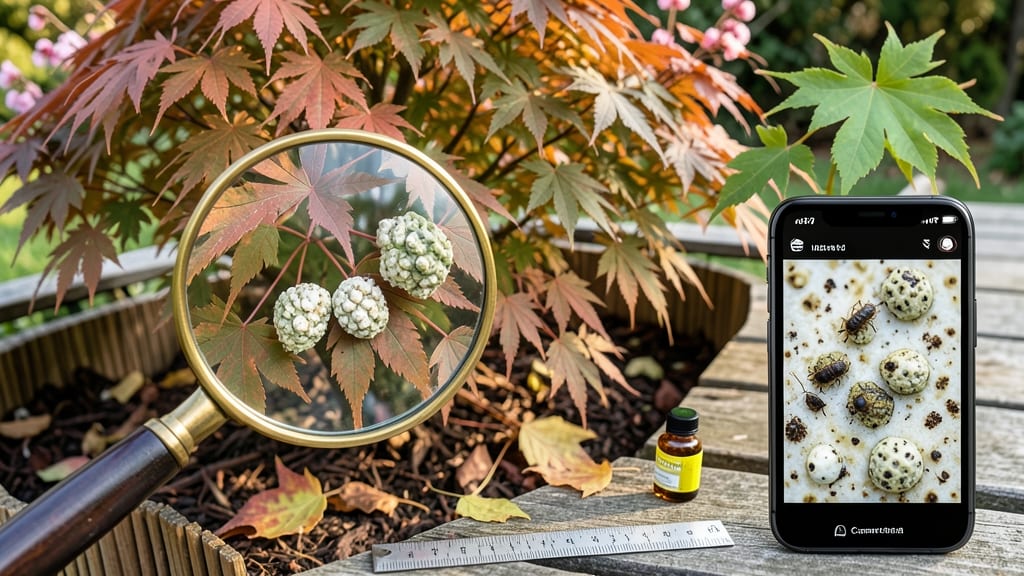
Leaf bumps on your maple tree mean trouble—but copper spray can turn them around in 24 hours. 🌿 I’ve seen this ugly problem transform into vibrant green foliage with the right treatment, and I’ll show you exactly how to do it without harsh chemicals.
Those bumps? Often mites, scale, or fungal spots like tar spot or anthracnose. The good news? Copper spray tackles all three by disrupting pests and fungi on contact. You’ll need copper sulfate or copper fungicide, water, and a sprayer—plus a little timing to catch the problem early.
After just one application, you’ll notice fewer bumps and new growth pushing through. Repeat every 7-10 days until the leaves clear up, and your tree will look like it did in spring—healthy, strong, and full of life.
Works for sugar, red, and silver maples alike, whether your tree is young or mature. The key is acting fast—don’t wait until the bumps spread. Let’s get your maple back to its best!
Root Causes Of Leaf Bumps
Those unsightly bumps on your maple tree leaves aren’t just random—each one has a specific trigger, often tied to environmental stress or pest activity. Understanding the why behind them helps you take precise action to restore your tree’s health.
Below, we break down the most common culprits with clear, science-backed explanations.
Extreme or fluctuating conditions can shock maple leaves into developing bumps as a survival mechanism. Here’s how it happens:
- Temperature Swings: Maple trees thrive in moderate climates, but sudden heatwaves or late frosts disrupt their metabolic processes. When leaves can’t regulate temperature efficiently, cells swell or develop galls (small, bump-like growths) as a protective response. Example: A cold snap followed by 90°F+ days stresses the tree, triggering abnormal cell division.
- Water Imbalance: Overwatering leads to oxygen deprivation in roots, while drought causes cellular dehydration. Both scenarios force leaves to produce bumps (often edema or blister-like swellings) to conserve moisture or compensate for nutrient shortages. Pro Tip: Check soil moisture 2 inches below the surface—it should feel like a damp sponge, not mud or dry sand.
- Sun Scald: Intense sunlight (especially after winter dormancy) can cause solar injury, where leaves develop white or brown bumps due to damaged chloroplasts. Young maples are most vulnerable. Actionable Fix: Use shade cloth (30–50% coverage) for newly planted trees during peak sun hours.
Not all bumps are harmless—some signal an infestation or infection. Here’s how pests and pathogens manipulate leaf structure:
| Culprit | How It Causes Bumps | Visual Clues |
|---|---|---|
| Maple Leaf Curl Gall Midge | Larvae inject saliva into leaf tissue, triggering abnormal cell growth (curl galls). The tree’s immune system overreacts, forming hard, raised bumps. | Thick, walnut-sized galls on upper leaf surfaces; often greenish-yellow when young. |
| Scale Insects | These sap-suckers insert their mouthparts into leaf veins, causing localized swelling as the tree attempts to wall off damage. Bumps may ooze honeydew. | Small, brown or black bumps (like tiny buttons); sticky residue on leaves below. |
| Fungal Infections (e.g., Anthracnose) | Spores land on leaves, infecting cells and causing necrotic (dead) tissue to swell into bumps. The fungus disrupts stomata (leaf pores), altering gas exchange. | Dark, sunken bumps with yellow halos; often appears in wet springs. |
💡 Quick ID Test: Gently scrape a bump with your fingernail. If it’s hard and woody (like a gall), it’s likely an insect. If it’s soft and mushy, suspect fungus.
Maples are heavy feeders, and a lack of key nutrients can manifest as physical leaf deformities. Here’s the science:
- Magnesium Deficiency: Leaves develop interveinal chlorosis (yellowing between veins) paired with small, bump-like lesions as chlorophyll production falters. Magnesium is crucial for enzyme activation in photosynthesis—without it, cells can’t process energy efficiently.
- Zinc or Boron Shortages: These micronutrients regulate cell division and wall structure. A deficiency causes small, raised bumps (especially on new growth) as cells fail to expand properly. Sign: Leaves may also show stunted growth or distorted shapes.
- Excessive Fertilizer Burn: Overapplying nitrogen or salts can scorch leaf edges, leading to bumpy, crispy textures as cells die from toxicity. Fix: Flush soil with water if you’ve recently fertilized and see white crust on the root zone.
🌡️ Soil Test Tip: Send a sample to your local extension office—ideal pH for maples is 6.0–7.5. If it’s off, amend with lime (to raise pH) or sulfur (to lower it).
Now that you know the why, the next step is targeting the solution—whether it’s copper-based treatments, pruning strategies, or soil adjustments. Each cause demands a different approach, so let’s tackle them one by one.
Quick Fixes for Bumpy Maple Leaves
Maple tree leaves with unsightly bumps can often be revived with the right care—especially when copper-based treatments are part of the solution. Below, we’ve mapped out practical fixes based on the most common causes of leaf bumps, from fungal infections to environmental stress.
Follow these steps to restore your tree’s health and prevent future issues.
Fungal spores thrive in damp, shaded conditions, leading to bumpy, discolored, or crinkled leaves. Copper spray is your first line of defense, but timing and technique matter.
🔥 Step 1: Apply Copper Fungicide Correctly - When to spray: Early spring (before buds swell) and again after rain or heavy dew.
Repeat every 7–10 days until new growth appears healthy. - How to spray: Use a copper fungicide (like copper sulfate or copper hydroxide) mixed at the manufacturer’s recommended strength.
Spray both sides of leaves and the trunk until damp but not dripping. - Best time of day: Early morning or late afternoon to avoid burning leaves in direct sunlight.
👨🍳 Step 2: Improve Air Circulation
Fungi love stagnant air. Prune branches to:
- Remove crossing or crowded limbs (use clean, sharp pruners).
- Thin out the canopy to allow sunlight and airflow to reach the lower leaves.
🌡️ Step 3: Adjust Watering Habits
- Water at the base (not overhead) to keep foliage dry.
- Avoid late-day watering—wet leaves overnight invite fungal growth.
Bumps can also signal nutritional deficiencies or physical damage from extreme conditions. Fix the root cause with these adjustments.
💡 Boost Soil Health
- Test your soil (pH should be 6.0–7.0 for maples). Amend with compost or peat moss if too alkaline.
- Fertilize lightly in early spring with a balanced 10-10-10 or slow-release organic fertilizer (avoid over-fertilizing—it stresses roots).
🥗 Mulch Properly
- Apply 2–4 inches of mulch (wood chips or shredded bark) around the base, but keep it 6 inches away from the trunk to prevent rot.
- Mulch retains moisture and regulates soil temperature.
🌧️ Water Deeply but Infrequently
- Water deeply 1–2 times per week (depending on climate) to encourage deep root growth.
- Check soil moisture—stick your finger 2 inches down; if dry, water thoroughly.
Tiny pests can cause bumpy, sticky, or distorted leaves. Act fast to prevent spread.
🔪 Treat with Horticultural Oil or Soap
- Neem oil or insecticidal soap works well for soft-bodied pests like aphids.
- Spray in the evening on a calm day to avoid leaf burn.
- For scale insects, use a scrub brush dipped in rubbing alcohol to wipe off infested areas.
🕷️ Introduce Beneficial Predators
- Ladybugs, lacewings, or parasitic wasps (available at garden centers) can control spider mites naturally.
Once your maple tree recovers, keep these proactive habits to avoid bumpy leaves next season:
- 🌿 Prune in late winter/early spring to remove dead wood and improve airflow.
- 🍃 Monitor leaves regularly—catch issues early before they spread.
- 🌦️ Avoid overhead irrigation—use drip systems or soaker hoses.
- 🔄 Rotate fungicides if you use them yearly to prevent resistance.
Pro Tip: 🎯 If copper spray doesn’t work after two applications, consult a local arborist—your tree might need a soil test or more targeted treatment. Most maples bounce back quickly with the right care!
Frequently asked questions
Are maple tree leaf bumps always caused by pests or disease?
Not always! Environmental factors like temperature swings, water imbalance, or sun scald can also trigger bumps. For example, sudden heat after frost causes cells to swell, creating gall-like bumps. Always check soil moisture and sunlight exposure first before assuming pests or fungi.
How do I tell if my maple tree has a fungal infection versus insect damage?
Do this quick test: gently scrape a bump with your fingernail. If it’s soft and mushy, suspect fungus (like anthracnose). If it’s hard and woody, it’s likely insect-related (like scale or gall midges). Fungal bumps often have yellow halos, while insect galls appear thick and raised.
Can I use regular copper sulfate for my maple tree, or should I get a special fungicide?
You can use copper sulfate, but follow the label carefully—it’s stronger than pre-mixed fungicides. For safer application, opt for copper hydroxide (like TriBasic Copper Sulfate), which is gentler on plants. Always mix at the recommended strength to avoid leaf burn.
Will pruning help if my maple tree already has bumpy leaves?
Yes! Prune to remove severely infected branches (cut 6 inches below the last healthy leaf) and improve airflow. Thin the canopy by 20-30% to reduce humidity where fungi thrive. Sterilize pruners with rubbing alcohol between cuts to prevent spreading pathogens.
How often should I reapply copper spray if the bumps keep coming back?
Reapply every 7-10 days during active growth (spring/early summer). If bumps persist after two full cycles, the issue may be deeper—like poor soil drainage or nutrient deficiencies. Test your soil and adjust pH if needed (ideal: 6.0–7.0).