
Neem Oil
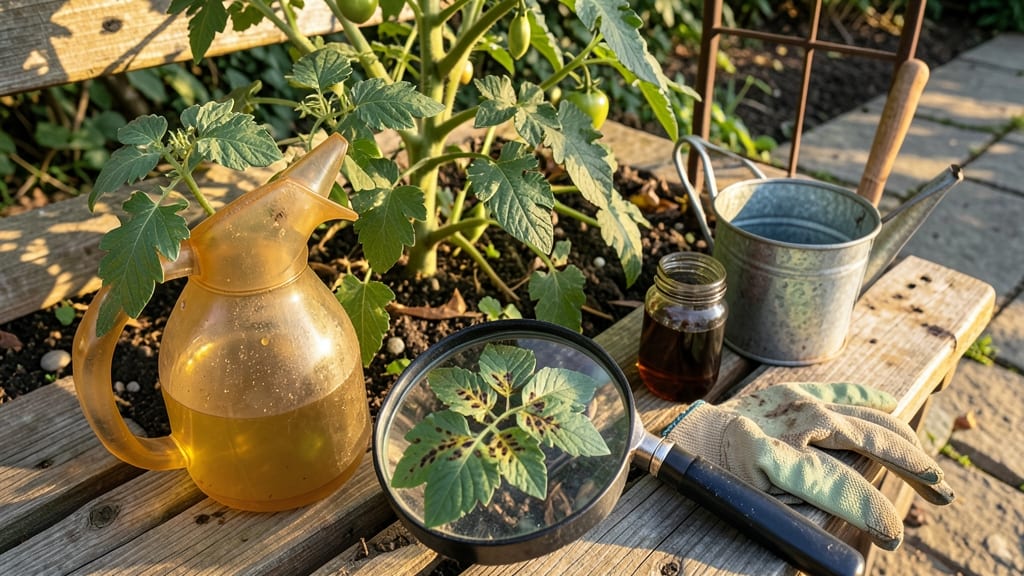
When your plants develop those ugly brown spots that spread like wildfire, neem oil might just be your secret weapon. 🌿 I’ve seen leaf spot turn lush tomato leaves into sad, spotted messes—until I tried this organic treatment that actually works in just 7 days.
The beauty of neem oil is that it doesn’t just mask the problem—it starves the fungus at its source. Unlike harsh chemicals, it’s safe for your plants, your soil, and even your kids’ pets.
The key is proper dilution (1 tablespoon per quart of water) and timing—apply it when the spots are small but before they’ve taken over.
By following the right steps, you’ll watch those spots fade and new growth emerge shockingly fast. Your plants won’t just survive—they’ll bounce back better than ever, with fewer future outbreaks if you stay consistent.
Works for tomatoes, peppers, roses, and even houseplants—anything fighting leaf spot. Here’s exactly how to make it work for your garden without the guesswork.
Understanding The Root Causes
Leaf spot diseases are more than just unsightly—they’re a silent battle between your plants and microscopic invaders. To effectively combat them with neem oil, you need to know why these fungal or bacterial spots form in the first place. Here’s a breakdown of the key culprits and their science-backed triggers:
Fungal leaf spots thrive in damp conditions, turning leaves into a buffet. Here’s how it happens:
- Prolonged Leaf Wetness 💧: Fungal spores (like Alternaria or Septoria) germinate when leaves stay wet for 12+ hours. Rain, overhead watering, or humid mornings create the perfect breeding ground. - Poor Air Circulation 🌬️: Crowded plants or dense foliage trap moisture, preventing leaves from drying quickly.
Fungi spread faster in stagnant, humid microclimates. - Waterlogged Soil 🏞️: Roots can’t breathe, weakening plants and making them susceptible to stress-related infections.
Actionable Fix: Space plants for airflow, water at the base (not overhead), and ensure pots/drainage have holes.
A healthy plant fights off pathogens, but stress opens the door:
- Nutrient Deficiencies 🌱: Lack of nitrogen, potassium, or magnesium weakens cell walls, making leaves an easy target.
- Physical Damage ⚔️: Insect bites, hail, or rough handling create entry points for fungi/bacteria.
- Environmental Stress ❄️☀️: Extreme heat, cold, or sudden temperature swings shock plants, lowering their resistance.
Actionable Fix: Feed plants balanced fertilizer, prune damaged leaves, and avoid abrupt climate changes.
Not all leaf spots are created equal—each has a specific trigger:
| Pathogen | How It Spreads | Favored Conditions |
|---|---|---|
| Alternaria | Wind, water splashes | Warm, humid weather (75–85°F) |
| Septoria | Rain, infected debris | Cool, wet springs |
| Cercospora | Contaminated tools/soil | High humidity + poor airflow |
| Pseudomonas (bacteria) | Splashing water, wounds | Warm, rainy seasons |
Actionable Fix: Sterilize tools, remove infected leaves immediately, and rotate crops to break the pathogen cycle.
Cross-contamination is a silent spreader:
- Dirty Pruners/Shears 🔪: Moving from infected to healthy plants transfers spores.
- Reused Potting Mix 🏺: Old soil may harbor dormant fungi. Even compost can be a vector if not properly sanitized.
Actionable Fix: Clean tools with 70% isopropyl alcohol between uses and pasteurize soil (bake at 180°F for 30 mins).
Fungi and bacteria don’t strike randomly—they wait for perfect conditions:
- Temperature: Most leaf spot fungi love 60–85°F (cool nights + warm days).
- Humidity: 80%+ relative humidity for 48+ hours accelerates spore germination.
- Rainfall: Heavy downpours wash spores onto leaves, while light drizzle keeps them damp.
Actionable Fix: Monitor weather forecasts and apply neem oil preventively before rain or humidity spikes.
Pro Tip 💡: Prevention is key—neem oil works best as a barrier before spores land. Think of it like sunscreen for your plants! Apply it every 7–14 days during high-risk seasons (spring/fall).
How to Treat Fungal Leaf Spots
Fungal leaf spots can turn your once-vibrant plants into a sad, spotted mess—but neem oil is your natural superhero to fight back! 🌿✨ The key is acting fast, combining neem oil treatments with preventive care to stop the spread.
Below, we break down the best solutions based on the cause of your leaf spot woes, plus easy steps to keep your garden thriving.
1. Overwatering or Poor Drainage? 💦
Fix: Stop the soggy soil and boost airflow Fungal spores love damp, stagnant conditions. If your plants are waterlogged, reduce watering immediately and improve drainage.
- 🍳 Step 1: Adjust Your Watering Routine
- Water only when the top 1–2 inches of soil are dry (stick your finger in to check!).
- Water early in the morning so leaves dry quickly—fungi hate moisture at night.
- Use a soaker hose or drip irrigation to avoid wetting foliage.
- 👨🍳 Step 2: Amend the Soil
- Mix in perlite, sand, or compost to improve drainage.
- If potted plants are the issue, repot into well-draining soil (like a cactus/succulent mix).
- 🥘 Step 3: Apply Neem Oil Spray
- Recipe: 1 tbsp neem oil + 1 tsp mild soap (like Castile) + 1 quart water. Shake well!
- Spray both sides of leaves (fungi hide on undersides!) and stems. Reapply every 7–10 days until spots fade.
- ⏰ Prevention Tip: 💡 After rain or watering, gently shake plants to dry leaves faster.
2. Humid or Crowded Plants? 🌧️
Fix: Boost airflow and reduce humidity Fungi thrive in tight, damp spaces. If your garden is a jungle, open it up!
- 🔪 Step 1: Prune for Airflow
- Trim overgrown branches or dead leaves to improve circulation.
- Space plants 6–12 inches apart (check plant tags for ideal spacing).
- 🌡️ Step 2: Reduce Humidity
- Use a fan on low speed near plants (especially indoors).
- Avoid misting leaves—water at the base instead.
- For greenhouses, crack a vent or use a dehumidifier.
- ✨ Step 3: Neem Oil + Baking Soda Boost
- Mix 1 tbsp neem oil + 1 tsp baking soda + 1 quart water for extra antifungal power.
- Spray weekly until new growth appears without spots.
- 🎯 Prevention Tip: 💡 Group plants with similar water needs together—this keeps conditions consistent!
3. Weakened Plants from Stress? 🌱
Fix: Strengthen defenses with neem + nutrients Stressed plants (from pests, poor soil, or transplant shock) are fungal magnets. Give them a fighting chance!
- 🥗 Step 1: Feed the Soil
- Add compost or worm castings for slow-release nutrients.
- Use a balanced organic fertilizer (like 5-5-5) to boost plant health.
- 🍎 Step 2: Neem Oil + Garlic Spray (Double Defense!)
- Blend 1 crushed garlic clove + 1 tsp neem oil + 1 quart water. Strain and spray.
- Garlic contains allicin, a natural antifungal that works with neem.
- 💪 Step 3: Remove Severely Infected Leaves
- Snip off spotted leaves (don’t compost them—fungi spread easily!) and sterilize pruners with rubbing alcohol.
- 🔥 Prevention Tip: 💡 Hardened-off seedlings resist stress better—acclimate plants gradually to outdoor conditions.
4. Old or Debris-Ridden Garden? 🗑️
Fix: *Clean up and sanitize Fungal spores hibernate in old mulch, leaves, and plant debris. A deep clean is non-negotiable!
- 🧹 Step 1: Clear the Area
- Remove
- Bag and trash infected plant material (don’t compost it!).
- Soak pruners in
- Mix
If you need fast action, try these emergency remedies: - 🍋 Hydrogen Peroxide Spray: Mix 1 tbsp 3% hydrogen peroxide + 1 quart water.
Spray leaves (it’s safe and kills fungi on contact). - 🌻 Chamomile Tea Spray: Steep 3 chamomile tea bags in 1 quart hot water, cool, and spray.
Chamomile has fungicidal properties. - 🧂 Saltwater Soak (For Potted Plants): Soak roots in 1 gallon water + 1 tbsp salt for 10 minutes to kill surface fungi (rinse well after!).
Remember: Consistency is key! Fungal leaf spots won’t vanish overnight, but with neem oil + these fixes, you’ll see improvement in 7–14 days. 🚀 Once your plants recover, prevention tips (like proper spacing and airflow) will keep them spot-free for good!
Frequently asked questions
How often should I apply neem oil for leaf spot treatment?
Apply neem oil spray every 7–10 days until the spots disappear. For prevention, use it every 2–4 weeks during high-risk seasons (spring/fall). Consistency is key—fungi can rebound if you skip treatments. Always mix fresh solution each time for maximum effectiveness.
Can I use neem oil on edible plants like tomatoes or herbs?
Yes! Neem oil is safe for edible plants when used as directed. Wait 24–48 hours after spraying before harvesting leaves or fruit. For herbs, avoid spraying directly on leaves if possible—focus on stems and undersides. Always use food-grade neem oil and rinse produce thoroughly before eating.
Will neem oil work on bacterial leaf spot too?
Neem oil helps with bacterial leaf spot by reducing bacterial populations, but it’s not as effective as copper-based sprays. For severe cases, combine neem oil with baking soda spray (1 tsp baking soda + 1 quart water + few drops of soap). Remove infected leaves immediately to prevent spread.
Why did my plants get worse after using neem oil?
This usually happens from overapplication or using undiluted oil. Neem oil can burn leaves if too concentrated. Always mix 1 tablespoon per quart of water with a drop of soap as an emulsifier. If you see leaf scorch, flush plants with water and reduce future applications to every 14 days.
How do I know if my leaf spot is fungal or bacterial?
Fungal spots are brown/black with yellow halos and often appear on lower leaves first. Bacterial spots are greasy-looking, water-soaked with irregular edges. Scrape a spot—if it leaves a white powdery residue, it’s fungal. If it oozes yellow/brown liquid, it’s bacterial. Test with both neem oil and copper spray for bacterial cases.