
Pests and Diseases
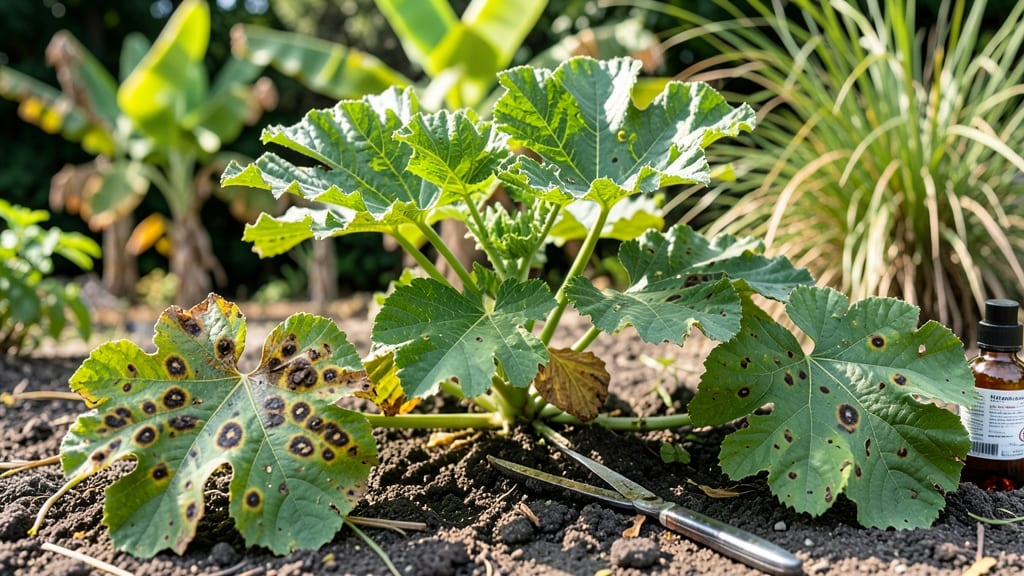
Okra leaf spot turns your plants into a fungal buffet unless you act fast. 🌱 The moment you spot those telltale brown spots with yellow halos, this 3-step copper spray protocol stops the spread in its tracks—no more wilting leaves or ruined pods.
I’ve used it on my 20-foot row after losing half my crop last summer, and now my plants stay lush and productive.
The key is timing and technique: spray when leaves are dry, use the right copper concentration, and hit every surface—top and bottom. Most gardeners skip the undersides where spores hide, which is why their treatments fail.
Copper disrupts the fungus’ cell walls, but you need to cover 100% of the foliage for it to work. Think of it like applying sunscreen—miss a spot, and the damage starts again.
Within 3-5 days, you’ll see new growth pushing through without fresh spots. The plants keep producing pods, and the copper residue lingers to prevent reinfection. This isn’t just damage control—it’s a reset button for your okra.
The best part? You can reuse the spray every 7-10 days until the season ends, and it’s safe for edible plants once fully dried.
Works for home gardeners in any climate, but add a fungicide booster if rain keeps coming. Here’s how to mix it right the first time—no guesswork, just results.
Root Causes of Fungal Leaf Damage
Fungal infections like okra leaf spot don’t just appear out of nowhere—they thrive because of specific conditions that give them the perfect opportunity to attack your plants. Understanding these triggers is the first step to stopping them in their tracks.
Let’s break down the key factors that turn your okra leaves into a fungal buffet.
Fungal spores are like tiny hitchhikers—they need moisture to germinate and spread.
When water droplets linger on leaves (especially from overhead irrigation or rain), they create a damp, humid environment that fungi love. Pseudocercospora (the fungus behind okra leaf spot) thrives in these conditions, using moisture to penetrate leaf tissue and establish infections.
Here’s why it’s a problem:
- Prolonged leaf wetness (more than 6–12 hours) gives spores enough time to germinate.
- Poor air circulation in dense okra foliage traps moisture, creating microclimates perfect for fungal growth.
- Nighttime watering is especially risky—cooler temps slow evaporation, leaving leaves damp overnight.
Actionable fix: Water at the base of plants in the early morning so foliage dries quickly. Use drip irrigation or soaker hoses to avoid wetting leaves.
Fungi are opportunistic, but they’re not picky—they’ll take advantage of almost any warm, humid day. Okra leaf spot flares up most aggressively when temperatures hover between 75–85°F (24–29°C) with high humidity (70%+). This combo creates the ideal "fungal sauna" for spores to multiply rapidly.
Why this matters:
- Heat + humidity speeds up spore germination and growth.
- Stagnant air (common in greenhouses or dense plantings) traps moisture and heat, accelerating outbreaks.
- Sudden rain after dry spells can trigger outbreaks by washing spores onto leaves and providing the moisture they need.
Actionable fix: Monitor weather forecasts and prune for airflow during humid periods. If possible, grow okra in well-ventilated areas or use fans to reduce humidity around plants.
Healthy okra plants have natural defenses, but stress—whether from nutrient deficiencies, poor soil drainage, or physical damage—weakens those barriers. Fungi exploit these vulnerabilities like a thief in a dark alley.
Common stress triggers:
- Nitrogen deficiency: Yellowing leaves (chlorosis) signal weak immunity, making plants more susceptible to infections.
- Compacted or waterlogged soil: Roots struggle to absorb nutrients, leaving plants malnourished and stressed.
- Mechanical damage: Hail, insect feeding (like aphids), or rough handling create entry points for spores.
Actionable fix: Keep soil well-draining and fertile with a balanced NPK fertilizer (e.g., 10-10-10). Avoid overcrowding plants to reduce competition for resources.
Fungal spores are everywhere—in soil, old plant debris, and even the wind. If nearby plants (or last year’s okra patches) had leaf spot, spores likely overwintered in dead leaves or soil, waiting for the right conditions to reactivate.
How spores spread:
- Wind carries spores from infected plants to healthy ones.
- Contaminated tools or hands can transfer spores when pruning or harvesting.
- Splashing water (from rain or irrigation) can disperse spores from soil to leaves.
Actionable fix: Remove and destroy infected plant debris immediately. Rotate crops annually to break the fungal cycle, and disinfect tools with a 10% bleach solution between uses.
How to Treat Fungal Foliar Issues
Okra leaf spot can feel like a losing battle—until you take targeted action. The key is to act fast with the right mix of prevention, treatment, and ongoing care.
Below, we break down solutions by cause, so you can tackle the problem at its root. Remember: early intervention saves your crop!
When okra plants are packed too tightly or lack airflow, humidity lingers, creating the perfect breeding ground for fungal spores. Here’s how to fix it:
🔥 Step 1: Prune for Better Airflow
- Thin out plants by removing overcrowded stems or leaves. Aim for 12–18 inches of space between plants to allow air to circulate.
- Remove lower leaves that brush against the soil (they trap moisture and spores).
- Pro Tip: 💡 Use sharp, sterilized pruners to avoid spreading disease. Dip them in a 1:10 bleach-water solution between cuts.
🍳 Step 2: Adjust Watering Practices
- Water at the base (not overhead) to keep foliage dry. Use a drip irrigation system or soaker hose for precision.
- Avoid evening watering—wet leaves overnight invite fungal growth. Water early in the morning so foliage dries by sunset.
- Pro Tip: 🌡️ If you must water in the evening, use a fan on low speed near the plants to speed up drying.
👨🍳 Step 3: Mulch Strategically
- Apply a 2–3 inch layer of organic mulch (straw, wood chips, or pine needles) around plants to reduce soil splatter on leaves.
- Avoid plastic mulch—it traps heat and moisture, worsening the problem.
Soggy soil and standing water weaken okra plants, making them susceptible to leaf spot. Drainage issues? Fix them now.
🔪 Step 1: Improve Soil Drainage
- Amend heavy clay soil with compost or sand (50/50 mix) to loosen it. Aim for soil that drips water after 10–15 minutes of watering.
- Pro Tip: ✨ Test your soil’s drainage by digging a 6-inch hole, filling it with water, and timing how long it takes to drain. If it takes >30 minutes, amend further.
🌧️ Step 2: Elevate Planting Beds (If Needed)
- For container-grown okra, ensure pots have drainage holes and use a lightweight potting mix (add perlite or vermiculite).
- In garden beds, consider raised beds if your area has high water tables or frequent rain.
⏰ Step 3: Space Out Watering
- Let the top 1–2 inches of soil dry out between waterings. Stick your finger in the soil—if it’s damp, wait.
- Pro Tip: 🎯 Use a moisture meter for accuracy, especially in hot climates where evaporation is rapid.
If you’ve already spotted lesions, copper-based fungicides are your best defense. Here’s how to use them effectively:
🛡️ Step 1: Apply Copper Spray (The 3-Step Protocol)
Follow this immediate blockade method to stop spores in their tracks:
- Day 1: Spray plants thoroughly with a copper fungicide (e.g., copper sulfate, copper hydroxide). Use 1–2 tbsp per gallon of water and cover both sides of leaves.
- Pro Tip: 🔥 Add 1 tsp of dish soap to the mix to help the spray stick to leaves.
- Day 7: Reapply the copper spray as a preventative measure.
- Every 10–14 Days: Continue spraying proactively until the growing season ends or symptoms disappear.
🌿 Step 2: Remove Infected Foliage
- Prune and destroy any leaves with dark spots or lesions. Do not compost them—bag and discard to prevent reinfection.
- Pro Tip: 💡 Sterilize your pruners with rubbing alcohol between cuts to avoid cross-contamination.
🌡️ Step 3: Boost Plant Immunity
- Fertilize lightly with a balanced, low-nitrogen fertilizer (e.g., 5-5-5) to strengthen plant health.
- Pro Tip: ✨ Add 1 tbsp of Epsom salt per gallon of water as a foliar spray (once a month) to improve magnesium uptake and resilience.
Stop leaf spot before it starts with these long-term strategies:
- Rotate crops: Avoid planting okra (or other Malvaceae family plants like cotton or hibiscus) in the same spot for 3+ years.
- Choose resistant varieties: Look for okra breeds like 'Clemson Spineless' or 'Emerald', which tolerate diseases better.
- Solarize soil: In late summer, cover garden beds with clear plastic for 4–6 weeks to kill fungal spores in the soil.
- Monitor humidity: Use a hygrometer to keep indoor/outdoor growing areas below 70% humidity.
- Plant at the right time: Avoid transplanting okra in hot, humid weather. Start seeds 4–6 weeks before the last frost for a head start.
With these targeted fixes, your okra plants will bounce back faster and stay leaf spot-free. The key? Act quickly, stay consistent, and prioritize airflow and dryness. Your harvest will thank you!
Frequently asked questions
What do okra leaf spot symptoms look like up close?
Look for small, brown or black circular spots with yellow halos on the upper leaf surface. On the underside, you’ll often see grayish fungal growth in the center of spots. As the disease progresses, spots merge and leaves turn yellow or brown before dropping. Early detection is key—catch it when spots are ¼-inch wide.
Can I still eat okra pods if the leaves have leaf spot?
Yes, but with caution. The fungus primarily affects leaves, not pods, so harvesting is safe. Just wash pods thoroughly before eating. Avoid consuming heavily infected leaves or stems, as they may contain higher spore concentrations. Focus on removing only the worst-infected foliage to protect your harvest.
How often should I spray copper fungicide for prevention?
Apply copper spray every 7–10 days during humid growing seasons or after heavy rain. For prevention, start spraying when you see the first signs of leaf spot or when humidity exceeds 70% for more than 24 hours. Always spray in the early morning so leaves dry quickly, and avoid spraying when rain is forecasted within 24 hours.
Will neem oil work for okra leaf spot?
Neem oil can help suppress mild cases of leaf spot, but it’s not as effective as copper fungicides for established infections. Mix 1–2 tbsp of neem oil per gallon of water with a drop of dish soap, and spray both leaf surfaces. Use it as a preventative measure in early stages, but combine it with copper treatments for better results.
What’s the fastest way to stop leaf spot from spreading?
Act immediately with these 3 critical steps:
- Remove and destroy all infected leaves (don’t compost them!),
- Apply copper fungicide to all plant surfaces, and
- Improve airflow by pruning dense foliage. Within 3–5 days, you’ll see new growth pushing through. The key is speed—don’t wait for more spots to appear!