
Leaf Blower
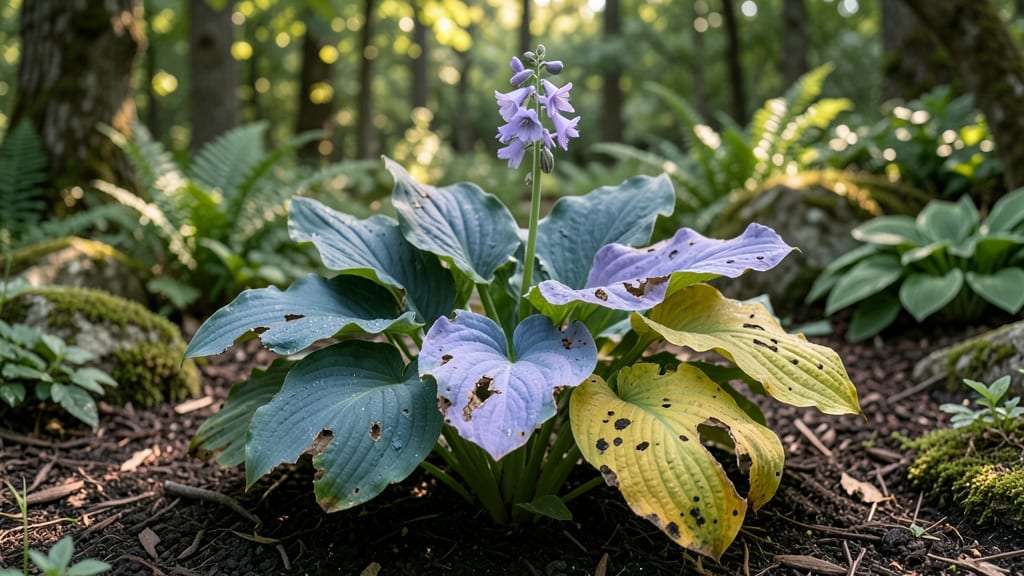
Hosta leaf damage pictures reveal 12 telltale signs your plants are struggling—and most aren’t what you’d expect. 🌿 I’ve seen everything from ragged edges to mysterious holes, and the culprits range from hungry pests to sneaky diseases.
This guide turns guesswork into solutions with clear visual clues and fixes that actually work.
The first step is matching symptoms to causes: crispy brown edges? That’s usually salt burn or too much sun. Slime trails on leaves? Slugs or snails are feasting overnight.
Fungal spots? Overhead watering or poor airflow is the likely villain. Each problem has a specific fix, whether it’s adjusting watering habits, adding mulch, or introducing beneficial nematodes.
By the end, you’ll spot damage early and stop it before it spreads. No more guessing whether to prune or spray—just a straightforward plan for each type of damage. The best part? Most fixes take less than 10 minutes and cost almost nothing.
Pro tip: Snap a photo of damaged leaves and compare it to the visual guide. If it’s still puzzling, share it with your local garden club—they’ve seen it all. Prevention is easier than cleanup, and healthy hostas reward you with those lush, glossy leaves all season long.
Root Causes Of Hosta Leaf Damage
Hostas are prized for their lush foliage, but when their leaves show signs of distress—whether it’s holes, discoloration, or wilting—it’s often a sign of underlying issues. Understanding the why behind these problems is the first step to restoring your plants to their former glory.
Let’s break down the most common culprits, from environmental stressors to sneaky pests, with clear explanations and actionable insights.
Hostas thrive in shade, but when conditions veer too far from their ideal range, leaves react with visible damage. Here’s what’s likely causing it:
- Too Much Sun or Heat 🔥 Hostas are shade-loving plants, and prolonged exposure to direct sunlight (especially in hot climates) can cause sunburn.
Look for: - Bleached or white patches on leaf edges or surfaces. - Crispy, papery texture along leaf margins. - Yellowing between veins (a classic sign of heat stress). - Why it happens: Excessive sunlight triggers oxidative stress, breaking down chlorophyll and causing cell death.
High temperatures also increase transpiration rates, drying out leaves faster than roots can replenish moisture.
- Water-Related Issues 💧 - Overwatering: - Symptoms: Yellowing leaves, soft or mushy texture, and a foul odor (especially at the base). - Why it happens: Poor drainage or soggy soil leads to root rot, caused by fungal pathogens like Phytophthora or Pythium.
Roots suffocate, starving the plant of oxygen and nutrients. - Underwatering: - Symptoms: Brown, crispy edges, wilting, and leaves curling inward. - Why it happens: Hostas prefer consistently moist (not soggy) soil.
Drought stress forces leaves to lose turgor pressure, leading to cellular dehydration and necrosis.
- Temperature Fluctuations ❄️🔥 - Frost or Freeze Damage: - Symptoms: Blackened or brown patches, especially on newer growth. Leaves may appear water-soaked before turning crispy. - Why it happens: Ice crystals form in leaf cells, rupturing membranes and disrupting water transport.
Hostas are hardy but can suffer if temperatures drop below 20°F (-6°C) for extended periods. - Late Spring Frost: - Symptoms: Purple or blackened tips on emerging leaves. - Why it happens: New growth is more vulnerable to cold snaps, as cells haven’t yet developed protective compounds like anthocyanins (which give leaves their purple hue).
Hostas are a buffet for hungry insects, and their damage often leaves distinctive patterns on leaves. Here’s how to spot the culprits:
- Slugs and Snails 🐌 - Symptoms: - Large, irregular holes with smooth, slime-covered edges. - Notches or ragged cuts along leaf margins. - Leaves may appear skeletized (veins remain, but tissue is gone). - Why it happens: These mollusks are nocturnal feeders with a taste for tender hosta foliage.
They secrete calcium carbonate to protect their bodies, leaving behind a shiny trail. Ideal conditions (high humidity, shade, and damp soil) encourage outbreaks.
- Japanese Beetles 🐞 - Symptoms: - Skeletonized leaves (only veins remain). - Small, irregular holes scattered across the surface. - Yellowing between veins (similar to sunburn but with a metallic sheen from beetle excrement). - Why it happens: Adult beetles chew leaf tissue while feeding, and their larvae (white grubs) munch on roots.
They’re most active in late summer, drawn to hostas by their high nitrogen content.
- Hosta Borers 🪰 - Symptoms: - Wilting or dying leaves despite adequate water. - Frass (sawdust-like droppings) oozing from small holes in stems or leaf bases. - Stems that feel hollow when squeezed. - Why it happens: The larvae of clearwing moths bore into hosta stems, disrupting nutrient transport.
Infestations are worse in hot, dry conditions, as stressed plants are easier targets.
- Aphids 🐜 - Symptoms: - Sticky residue (honeydew) on leaves, often followed by sooty mold (black fungal growth). - Curling or puckering of new leaves. - Yellowing or stunted growth. - Why it happens: These tiny sap-suckers inject toxins into leaves while feeding, stunting growth.
They thrive in crowded, shaded gardens and reproduce rapidly, forming colonies on the undersides of leaves.
Disease often strikes when hostas are stressed (from poor growing conditions) or when pathogens find an entry point. Here’s how to recognize them:
- Fungal Leaf Spots 🍄 - Symptoms: - Brown or black spots with yellow halos around them. - Spots may have white or gray centers (spores). - Leaves may droop or die prematurely. - Why it happens: Fungi like Alternaria or Septoria thrive in humid, shaded conditions.
Spores land on leaves, penetrate through stomata or wounds, and multiply when moisture lingers (e.g., from overhead watering). Poor airflow accelerates spread.
- Bacterial Leaf Blight 🦠 - Symptoms: - Water-soaked, greasy-looking spots that turn yellow or brown. - Margins may appear wilted or curled. - Bacteria ooze out when spots are squeezed (a white, milky fluid). - Why it happens: Bacteria like Xanthomonas or Pseudomonas enter through leaf wounds (e.g., from hail, pests, or pruning).
They thrive in warm, wet conditions, multiplying rapidly and clogging vascular tissues, which disrupts water transport.
- Powdery Mildew 🌫️ - Symptoms: - White, powdery coating on leaf surfaces (especially tops). - Yellowing or premature leaf drop. - Why it happens: This fungal disease (Erysiphe spp.) spreads via airborne spores and flourishes in low-light, high-humidity environments.
It blocks sunlight, reducing photosynthesis and weakening the plant.
Sometimes, the damage isn’t from nature—it’s from well-meaning gardening habits. Here’s what you might be doing wrong:
- Over-Fertilizing 💥 - Symptoms: - Dark green, leathery leaves with yellow or brown tips. - Excessive growth followed by weak, floppy stems. - Why it happens: Too much nitrogen (especially synthetic fertilizers) promotes soft, sappy growth that’s prone to pests and disease.
It also burns roots, disrupting nutrient uptake.
- Poor Soil Drainage 🚫 - Symptoms: - Root-bound plants with yellowing leaves despite watering. - Stunted growth or leaves that wilt quickly after watering. - Why it happens: Hostas prefer well-draining, rich soil.
Compacted or clay-heavy soil traps water, leading to anaerobic conditions that suffocate roots. Over time, this causes nutrient deficiencies (e.g., iron chlorosis, shown as yellowing between veins).
- Improper Pruning ⚔️ - Symptoms: - Dieback (brown, dead patches) where leaves were cut. - Stunted regrowth or leggy, weak stems. - Why it happens: Cutting too aggressively or at the wrong time (e.g., in late summer or fall) removes energy reserves stored in leaves.
Always prune diseased or damaged foliage in early spring or after flowering.
Hostas are heavy feed
Fixing Hosta Leaf Damage Naturally
When your hostas start showing signs of distress, quick action can save their beauty—and your garden’s charm. Below are practical, step-by-step solutions tailored to the most common causes of hosta leaf damage, plus prevention tips to keep your plants thriving. No fancy tools or chemicals required—just smart care!
Fix it fast:
- Prune infected leaves 🔪: Use clean, sharp scissors to snip off damaged foliage at the base (don’t leave stubs). Dispose of clippings in the trash—not the compost—to prevent spores from spreading.
- Boost airflow 🌬️: Space plants 18–24 inches apart and avoid overcrowding. If growing in containers, ensure pots have drainage holes.
- Apply fungicide (organic or chemical) 🛡️:
- Baking soda spray: Mix 1 tbsp baking soda + 1 tsp dish soap + 1 gallon water. Spray leaves early in the morning (avoid direct sunlight). Reapply every 7–10 days.
- Neem oil: Combine 1 tbsp neem oil + 1 tsp mild soap + 1 quart water. Shake well and spray undersides of leaves (where spores hide). Use at dusk to avoid burning foliage.
- Copper fungicide: Follow label instructions for severe infections like rust or leaf spot.
Prevent future outbreaks:
- Water wisely: Water at the base in the morning (never overhead). Use drip irrigation or soaker hoses.
- Mulch properly: Apply 2–3 inches of organic mulch (like shredded bark) to keep soil moist but not soggy.
- Rotate plants: Avoid planting hostas in the same spot year after year (fungi build up in the soil).
Kick pests to the curb:
- Slugs & snails 🐌:
- Beer traps: Bury a shallow dish filled with beer near hostas. Slugs crawl in and drown—gross but effective.
- Copper barriers: Wrap copper tape around pots or create a ring in the garden. The metal gives slugs a mild electric shock they hate.
- Handpick at night: Use a flashlight after dark when slugs are active. Drop them in soapy water.
- Aphids & spider mites 🐜:
- Blast off with water: Spray infested leaves with a strong stream of water to knock pests off.
- Introduce beneficial insects: Ladybugs and lacewings love munching on aphids. Buy them online or attract them with native plants like dill or yarrow.
- Insecticidal soap: Mix 2 tbsp mild castile soap + 1 quart water. Spray directly on pests (avoid hot sun).
Stop pests before they start:
- Remove hiding spots: Clear debris (like thick mulch or boards) where slugs hide during the day.
- Plant companions: Surround hostas with garlic, chives, or marigolds—their strong scents repel pests.
- Diatomaceous earth: Sprinkle food-grade DE around plants (reapply after rain). It’s harmless to plants but deadly to soft-bodied pests.
Revive your hostas:
- Shade adjustment 🌿:
- If leaves are yellowing or crispy from too much sun, move hostas to a spot with partial shade (4–6 hours of filtered light).
- Use lightweight shade cloth (30–50% coverage) if relocating isn’t an option.
- Water deeply in heat 💦: Water early morning (1–2 inches per week) and mulch heavily to retain moisture.
- Protect from frost ❄️: In fall, cover hostas with burlap or frost cloth if temperatures dip below 25°F. Remove covers once frost passes.
Prevent future stress:
- Choose the right variety: Some hostas (like ‘Blue Angel’) tolerate more sun than others (like ‘Francee’). Pick varieties suited to your climate.
- Gradual acclimation: If moving hostas to a sunnier spot, do it slowly over 2–3 weeks to avoid shock.
Balance the moisture:
- Too much water (root rot) 🌧️:
- Check the roots: Gently dig up the plant and trim any black, mushy roots with sterilized scissors. Repot in fresh, well-draining soil.
- Improve drainage: Add perlite or sand to heavy clay soil. Elevate pots with feet to prevent water pooling.
- Too little water (drought stress) 🏜️:
- Soak the soil: Water until it drains out the bottom of the pot or 6 inches into the ground.
- Mulch like a pro: Use 3–4 inches of organic mulch to lock in moisture.
Watering wisdom:
- Test the soil: Stick your finger 1–2 inches deep—if it’s dry, it’s time to water.
- Morning routine: Water in the early morning to reduce evaporation and fungal risks.
Feed your hostas right: - Yellow leaves (nitrogen deficiency) 🌱: - Apply a balanced fertilizer (10-10-10 or 20-20-20) in early spring.
Follow package rates—more isn’t better! - Try compost tea or fish emulsion for a natural boost. - Purple stems (phosphorus deficiency) 💜: - Use a bone meal or rock phosphate fertilizer in fall to build roots for next season. - Brown edges (potassium deficiency) 🍂: - Feed with wood ash (sparingly) or a potassium-rich fertilizer like 0-0-50 in late summer.
Prevention tips:
- Test your soil: Use a DIY kit or send a sample to a local extension office. Hostas prefer slightly acidic soil (pH 6.5–7.5).
- Feed in stages: Fertilize in early spring (for growth) and early summer (for blooms), but avoid feeding in fall/winter.
Patch up the damage:
- Trim carefully ✂️: Snip off ragged edges with clean scissors to encourage new growth.
- Protect from critters: Use chicken wire barriers around young hostas if deer or rabbits are nibbling.
- Move vulnerable plants: If pets (or kids!) love chewing leaves, relocate hostas to a safer spot.
Prevent future mishaps:
- Stake tall varieties: Hostas like ‘Halcyon’ may need support in windy areas.
- Train pets: Teach dogs to avoid the garden with positive reinforcement (or plant them in pots!).
- Divide every 3–4 years 🌱: Overcrowded hostas get stressed.
Dig up clumps in early spring or fall, separate the crowns, and replant. - Rotate crops: Don’t plant hostas in the same spot annually to prevent soil-borne diseases. - Inspect regularly: Check leaves weekly for early signs of trouble—catching problems fast makes fixes easier!
Remember: Hostas are hardy but not indestructible. Most damage is reversible with the right care—so don’t panic! 🌿 With these fixes, your hostas will bounce back stronger (and more stunning) than ever.
Frequently asked questions
How do I tell if my hosta leaf damage is from pests or disease?
Look for key differences: Pest damage often shows irregular holes or skeletonized leaves (veins remain), while disease usually creates spots with defined edges (like brown rings or powdery coatings). Slugs leave slime trails, while fungal spots often have yellow halos. Check leaf undersides for tiny insects or webs.
Can I save a hosta plant with severe leaf damage?
Yes! Prune all damaged leaves at the base with clean scissors, then focus on fixing the root cause. For pests, use organic sprays like neem oil. For diseases, improve airflow and water at the base. Most hostas recover well if roots are healthy—dig up and inspect them if damage is extreme.
Why are my hosta leaves turning yellow between the veins?
This classic symptom usually means iron deficiency (chlorosis) from poor drainage or alkaline soil. Test your soil pH—hostas prefer 6.5-7.5. Amend with chelated iron or compost, and ensure pots have drainage holes. Yellowing between veins can also signal overwatering or root rot.
How often should I check my hostas for damage?
Inspect leaves weekly during growing season (spring-fall). Early detection makes fixes easier! Pay special attention after rain (fungal risks) or in late summer (beetle season). A quick 5-minute scan while watering keeps problems from spreading.
Will damaged hosta leaves grow back?
Healthy hostas regenerate quickly! New leaves emerge from the center of the plant. Remove severely damaged foliage to redirect energy. Avoid pruning more than 1/3 of the plant at once. With proper care, your hosta will often produce fresh, undamaged growth within 2-4 weeks.