
Propagation
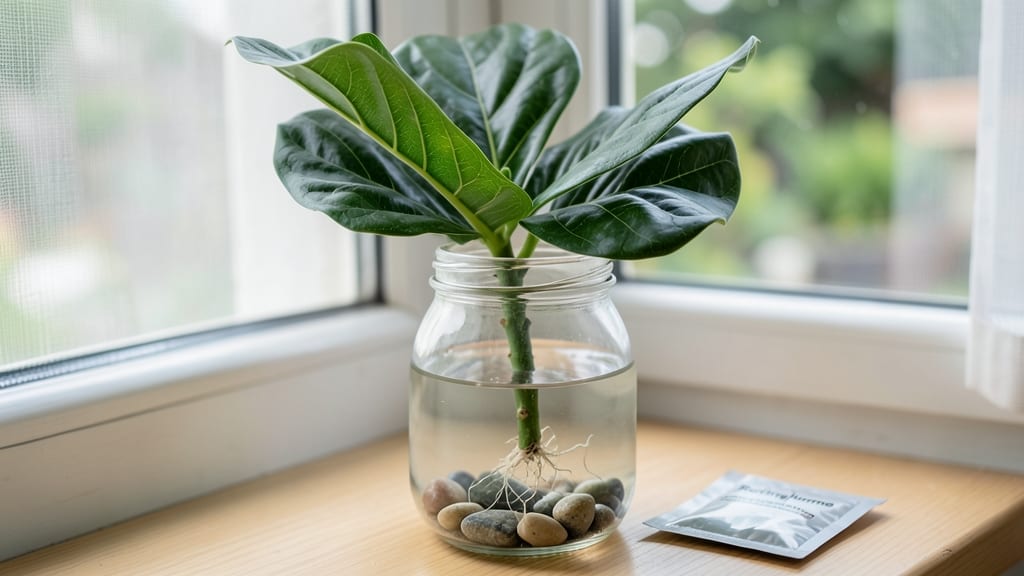
Propagating fiddle leaf fig in water is the fastest way to multiply your plant collection without the guesswork of soil. 🌱 I’ve rooted dozens of cuttings this way, and the results—thick, white roots in just 3-4 weeks—are nothing short of impressive. The key?
Healthy stems, clean water, and patience (though the waiting feels shorter when you see those roots sprout). You’ll need sharp scissors, a jar of filtered water, and a bright spot near a window (no direct sun).
Skip the rooting hormone—fiddle leaf figs root easily in plain water, but changing it weekly keeps bacteria at bay. I’ve seen cuttings with 2-inch roots in under a month, ready to transition to soil without stress.
Once roots hit 1-2 inches, pot them up in well-draining mix and keep humidity high for the first week. The transition can be tricky—overwatering now is the #1 mistake—but a clear plastic bag over the new pot helps them adjust.
Your propagations will look like confident little trees in no time. This method works year-round, but spring and summer speed up rooting. Perfect for beginners or anyone who’s lost patience waiting for soil-based propagation. Let’s get those cuttings growing!
📚 In This Guide
- What you need
- Instructions
- Tips and common mistakes
- Wrapping up and next steps
What you need
- ● Healthy Fiddle Leaf Fig: A mature plant with at least 3–4 leaves and a few nodes (brown bumps where leaves grow). Pro tip: Choose stems with 3+ nodes for better success!
- ● Clean, sharp pruning shears or scissors: Sterilize with rubbing alcohol (70% or higher) to prevent disease.
- ● Clean water: Use room-temperature, filtered, or distilled water (tap water can harm roots over time). 💡 Avoid chlorinated or heavily mineralized water!
- ● Clear glass or jar: A 16–24 oz mason jar, vase, or even a large glass (wide enough for the cutting to stand upright).
- ○ Rooting hormone (optional but helpful): A gel or powder (like Rootone or Clonex) to boost root growth.
- ● Rubbing alcohol (70%+): For sterilizing tools and trimming wounds.
- ○ Small pebbles or marbles (optional): Place a few at the bottom of the jar to weigh down the cutting if needed.
- ● Notebook & pen: To track water changes, root progress, and dates!
- ● Bright, indirect light: Place the jar near a east or north-facing window (avoid harsh sun).
- ● Warmth: Keep the area between 65–75°F (18–24°C)—a sunny windowsill or grow light works great!
- ● Patience: Roots typically appear in 2–6 weeks, but consistency is key!
How to propagate a fiddle leaf fig in water: simple steps for fast roots
Want new fiddle leaf figs without soil stress? Here’s my go-to method for quick, healthy roots.
🌿 Step 1: Select and Prep Your Stem Cutting
Choose a healthy stem with at least 4-5 leaves and a node (that little bump where leaves grow). Use clean, sharp scissors to cut just below a node at a 45-degree angle—this gives roots more surface area to grow. Avoid stems with yellow leaves or brown spots, as those won’t propagate well.
Let the cutting dry for 1-2 hours before placing it in water. This callusing step prevents rot. I like to set it on a paper towel in a dry, shaded spot while I prep the water. If you rush this, the stem may rot before roots even form.
💧 Step 2: Use Filtered or Distilled Water Only
Fill a clean glass or jar with room-temperature filtered or distilled water—tap water contains chlorine and minerals that can stunt root growth. Fill it just enough to submerge 1-2 nodes (about 1-2 inches of the stem). Too much water drowns the cutting; too little stresses it.
Change the water every 3-5 days to prevent bacterial growth. I use a small glass so I can monitor root progress daily. You’ll see tiny white roots appear in 2-4 weeks—that’s your signal everything’s working. If the water gets cloudy or smells funky, dump it and refresh immediately.
☀️ Step 3: Provide Bright, Indirect Light
Place your cutting in a spot with bright, indirect light—think east-facing window or a few feet from a south window. Direct sun scorches the leaves, while dim light slows root growth. You’ll know it’s happy when the leaves stay deep green and firm to the touch.
Rotate the glass a quarter turn every few days so the stem grows straight, not lopsided. If leaves start yellowing or dropping, move it to a shadier spot. Fiddle leaf figs are sensitive, but roots will still form—just slower. Patience here pays off with stronger plants.
🌱 Step 4: Monitor Root Growth and Prepare for Soil
Once roots reach 2-3 inches long (usually 4-6 weeks), it’s time to plant. Healthy roots should look white or pale tan—avoid dark, mushy roots, which signal rot. Gently rinse off any algae growing on the water line before transferring.
Plant in well-draining potting mix (I use a blend of peat, perlite, and orchid bark). Water lightly after planting, then keep the soil slightly moist but not soggy for the first 2 weeks. The transition to soil can be stressful, so avoid heavy watering until new growth appears.
⏰ Step 5: Care for Your New Plant Post-Propagation
Keep your new fiddle leaf fig in medium to bright indirect light for the first month. Water when the top inch of soil feels dry, then ease into a normal watering schedule. You’ll know it’s thriving when it grows 2-3 new leaves in 6-8 weeks.
Here’s the thing—don’t rush repotting. Let it settle in for 3-4 months before upsizing the pot. Overcrowding roots leads to stress, and fiddle leaf figs hate that. If you see yellow leaves, it’s usually overwatering or low light—adjust and watch it bounce back.
Tips & tricks for propagating fiddle leaf fig in water
Here's what nobody tells you about speeding up those roots while keeping your cuttings happy.
Cutting Angle Matters: That 45-degree angle in Step 1 isn't just for looks—it creates more surface area for roots to form. Use a ruler or protractor if you're unsure, but aim for that diagonal cut just below a node. I've tried straight cuts before, and they take weeks longer to root. The extra surface area lets the stem absorb water more efficiently right from the start.
Root Growth Timeline: In Step 2, those 2-4 weeks for roots to appear can feel like forever, but here's the secret: if you see tiny white bumps along the stem within 10-14 days, that's your first sign of root formation. I check mine every 3 days with a flashlight—roots show up better against a bright background. Don't be tempted to pull the cutting out to check earlier, though. Patience here means stronger roots.
Light Position Strategy: For Step 3, place your cutting where it gets morning sun and afternoon shade. I put mine on my kitchen counter near the east window—it gets bright light without the harsh afternoon rays. If you notice leaves curling or browning at the edges, that's direct sun damage. Rotating the cutting every few days (as mentioned) also prevents it from leaning toward the light source, which keeps it growing straight and sturdy.
Water Refresh Secret: When changing water every 3-5 days in Step 2, I rinse the jar with a 50/50 vinegar-water mix before refilling. This kills any bacteria that might have built up and keeps the glass clean. The vinegar smell disappears completely after the first water change, so don't worry about it affecting your cutting. Fresh, clean water is key to preventing that cloudy, smelly buildup that can stunt root growth.
Pro Tips for Propagating Fiddle Leaf Fig In Water
- Here's what nobody tells you about speeding up those roots while keeping your cuttings happy.
- Cutting Angle Matters: That 45-degree angle in Step 1 isn't just for looks—it creates more surface area for roots to form.
- Root Growth Timeline: In Step 2, those 2-4 weeks for roots to appear can feel like forever, but here's the secret: if you see tiny white bumps along the stem within 10-14 days, that's your first sign of root formation.
Frequently asked questions
Got questions about water propagation for your fiddle leaf fig? You’re not alone! Here are answers to the most common concerns—so you can propagate with confidence and avoid pitfalls.
How long does it take for roots to grow in water?
Root growth varies, but you’ll typically see 1–2 inches of roots in 4–8 weeks, depending on light, water quality, and temperature. Keep the cutting in bright, indirect light (like an east or north-facing window) and change the water every 5–7 days to speed things up. Patience is key—rushing the process can stress the cutting!
Why is my fiddle leaf fig cutting rotting in water?
Root rot is the #1 enemy of water propagation! It usually happens when the stem sits too long in stagnant water (bacteria buys the party ). To prevent it:
- Use filtered or distilled water (chlorine and chemicals hurt roots).
- Change the water every 5–7 days—even if it looks clean.
- Trim any mushy, black roots immediately and replant in soil.
- Avoid overcrowding the jar—one cutting per container is ideal.
Can I propagate a fiddle leaf fig cutting with just a leaf?
Nope! Fiddle leaf figs won’t root from a single leaf—they need a stem with at least 1–2 nodes (those little bumps where leaves grow). If your cutting has no nodes, it’ll just sulk in the water. Pro tip: Cut just below a node at a 45-degree angle for the best success rate.
Should I move the cutting to soil after rooting in water?
Yes! While fiddle leaf figs can live indefinitely in water (like a Bonsai), they’re happier in soil long-term. Once roots hit 2–3 inches, transplant into well-draining potting mix and keep the soil lightly moist for a few weeks. Warning: Shock is real—avoid direct sun or overwatering post-transplant!
What’s the best water to use for propagation?
Not all water is created equal! Stick to:
- Filtered or distilled water (no chlorine/fluoride).
- Rainwater (if you collect it—just let it sit for 24 hours first).
- Avoid tap water unless you’ve let it sit out for 48 hours (chlorine evaporates over time).
Bonus tip: Room-temperature water is gentler on new roots than cold water.
How do I know when my cutting is ready to plant?
Your cutting is ready when it develops healthy, white or pale roots (not brown/mushy!) that are at least 2–3 inches long. You’ll also spot new leaf growth—a sure sign it’s thriving! Harden it off for a week by placing it near a window (not direct sun) before planting. Patience pays off—rushing can stunt growth.
Wrapping up and next steps
Propagating your fiddle leaf fig in water is a simple, rewarding way to expand your plant collection without soil stress! With the right setup—clean cuttings, filtered water, and patience—you’ll watch roots grow in just a few weeks.
Whether you’re a beginner or a seasoned plant parent, this method offers low-maintenance success and a chance to experiment with new growth.
Ready to grow your green family? Once your cuttings root successfully, transition them to soil and give them a cozy spot to thrive. Happy propagating! 🌱