
Leaf Blower
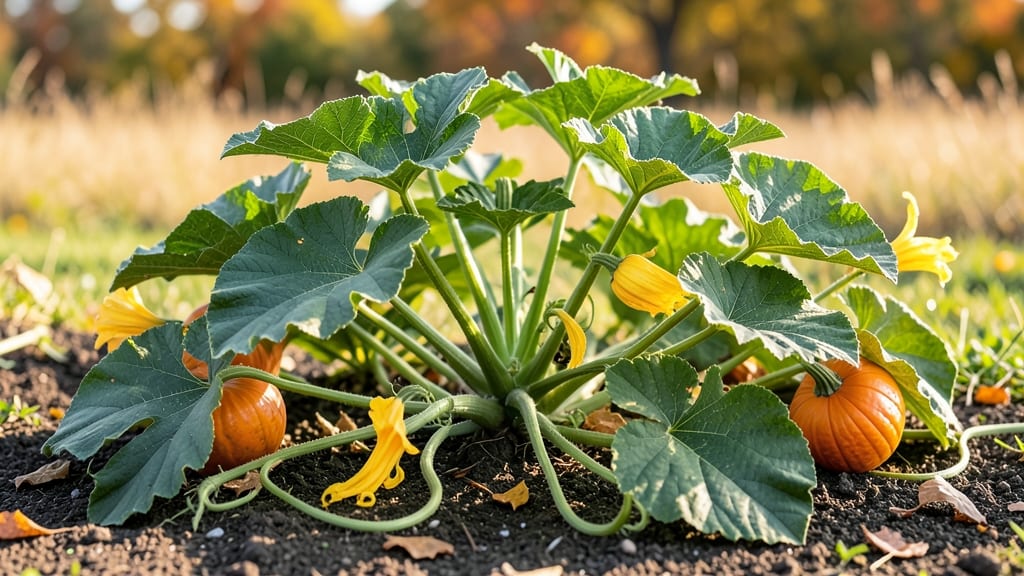
Pumpkin leaf identification saves your harvest from mystery diseases and pests. 🌿 I’ve spent years watching vines turn yellow overnight—until I learned to spot the subtle differences between healthy growth, powdery mildew, and squash vine borer damage before it’s too late. The key is leaf shape: broad, lobed leaves with jagged edges are classic pumpkins, while powdery mildew shows up as white, fuzzy patches on the underside. Squash vine borers? Look for wilting vines and sawdust-like frass near the stems. These clues let you act fast—prune infected leaves, apply neem oil, or handpick pests before they spread. Once you recognize the patterns, your pumpkins stay vibrant and productive. I now catch issues in their early stages, and my harvests thrive year after year. The right diagnosis means the right fix—no more guessing games in the garden.
Healthy pumpkin leaves are deep green, slightly textured, and firm to the touch. When in doubt, compare them to a known healthy plant nearby. Early intervention—like removing infected leaves or applying copper fungicide—can stop diseases before they take hold, saving your entire patch.
This skill pays off big: no more wasted seeds or stunted growth from misdiagnosis. Whether you’re growing jack-o’-lanterns or pie pumpkins, knowing these traits keeps your garden lush and your harvests bountiful. Let’s get those leaves under control!
Root Causes of Leaf Confusion
Understanding why pumpkin leaves can be tricky to identify often boils down to a mix of natural biology, environmental factors, and human perception. Let’s break down the key reasons why even experienced gardeners sometimes mix up pumpkin leaves—or struggle to distinguish them from other plants entirely.
Pumpkins (Cucurbita pepo, C. maxima, C. moschata, etc.) exhibit staggering genetic variation, even within the same species.
Some leaves may appear lobed, serrated, or smooth-edged depending on the cultivar, while others might resemble squash or gourd leaves at first glance. - Why it happens: Hybridization and selective breeding create leaves with wider lobes, deeper indentations, or even heart-shaped forms that blur the lines between pumpkin, butternut squash, or zucchini. - Actionable tip: 🔍 Compare multiple leaves—pumpkin leaves often have 5-7 lobes with jagged edges, but some heirloom varieties (like C. pepo ‘Jack Be Little’) may look almost round.
Cross-reference with flower and vine traits (e.g., pumpkin flowers are yellow and solitary, while squash may have clustered blooms).
Leaves don’t grow uniformly—their shape, size, and color can shift due to light exposure, water stress, or temperature fluctuations. - Why it happens: - Sun exposure: Leaves in full sun develop thicker, darker green lobes, while shaded leaves may appear lighter, softer, or even slightly curled (resembling disease damage). - Water stress: Drought or overwatering can cause leaf edges to brown or pucker, mimicking pest damage (e.g., squash vine borer). - Young vs. mature leaves: Seedlings start with small, simple leaves that gradually develop lobes.
Misidentifying these as a different plant is common! - Actionable tip: 🌡️ Check the plant’s age and conditions—healthy pumpkin leaves should be glossy, deep green, and uniformly lobed. If leaves are yellowing, spotted, or stunted, rule out powdery mildew or bacterial wilt before assuming a misidentification.
Pumpkin leaves aren’t just confused with other plants—they can look entirely different when under attack. - Why it happens: - Squash bugs or aphids cause yellowing, curling, or holes in leaves, making them resemble unhealthy zucchini or melon leaves. - Powdery mildew coats leaves in a white, powdery film, obscuring natural lobes and making identification nearly impossible without closer inspection. - Viral infections (like cucumber mosaic virus) can stunt growth and distort leaf shapes, turning them into irregular, crinkled messes. - Actionable tip: 🦟 Inspect the undersides of leaves for pests or webbing.
If the leaf structure is severely altered, note whether the stem, flowers, or fruit show signs of distress—this can help narrow down the issue.
Many gardeners default to one visual cue (e.g., "all pumpkin leaves are big and lobed") without considering multiple identifying features. - Why it happens: - Ignoring the vine: Pumpkin vines are hairy, trailing, and tendril-bearing, while cucumber vines are smooth and bushier.
Skipping this step leads to misidentifications. - Confusing fruit shape: Some pumpkins (like C. pepo ‘Delicata’) have ribbed, cylindrical fruits that look like winter squash.
Without checking the leaf attachment (pumpkin leaves grow alternately along the stem), errors happen. - Seasonal changes: In late summer, pumpkin leaves may yellow and drop, leaving only fruit or vines—making identification harder for beginners. - Actionable tip: ✅ Use a checklist: - Leaf shape: 5-7 deep lobes, serrated edges. - Leaf attachment: Alternate (not opposite like basil). - Flowers: Large, single yellow blooms (male flowers have long stems; females have tiny pumpkins at the base). - Vine habit: Trailing, rough-haired stems.
Not all pumpkin-like plants are cultivated. Wild gourds and feral pumpkins can have leaves that look nothing like grocery-store varieties.
- Why it happens:
- Wild Cucurbita species (like C. foetidissima, the "stinking gourd") have smaller, tougher leaves with fewer lobes and a bitter scent.
- Hybridization with weeds: Plants like **buffalo gourd (Cucurbita foetidissima) can cross-pollinate with pumpkins, creating unpredictable leaf shapes.
- Actionable tip: 🌿 When in doubt, dig deeper:
- Check the fruit: Wild pumpkins/gourds may be hard, inedible, or covered in spines.
- Consult local botanists**—some regions have unique native Cucurbita species not found in seed catalogs.
Quick Fixes for Leafy Confusion
Got tangled in pumpkin leaf identification? Don’t stress—here’s a straightforward guide to untangle the chaos, whether you’re dealing with yellowing, curling, spotting, or misidentifying varieties. Below, we’ll map common issues to their fixes, plus tips to keep your pumpkins thriving.
Yellowing or wilting pumpkin leaves are often a cry for help. Here’s how to diagnose and fix them:
💧 Overwatering or Poor Drainage Signs: Yellowing leaves (especially lower ones), soggy soil, or moldy stems. Fix It: - 🔥 Step 1: Let the soil dry out—stick your finger 1–2 inches deep.
If damp, hold off on watering for 2–3 days. - 👨🍳 Step 2: Improve drainage by mixing in compost or perlite (1 part to 3 parts soil) if your garden retains too much moisture. - 🥘 Step 3: Ensure pots or garden beds have drainage holes or are planted on a slight slope.
Prevent It: ✨ 💡 Water deeply but infrequently—pumpkins hate "wet feet." Aim for 1–1.5 inches per week, adjusting for rain.
☀️ Sunburn or Heat Stress
Signs: Crispy, brown edges on leaves; wilting in hot afternoons. Fix It:
- 🌡️ Step 1: Provide afternoon shade with a lightweight row cover or dappled shade from taller plants (like corn).
- 🎯 Step 2: Mulch with straw or wood chips to keep roots cool and retain moisture.
Prevent It: 🔥 💡 Plant pumpkins in morning sun and avoid midday heat exposure. Use drip irrigation to keep foliage dry.
🐛 Pest or Disease Damage
Signs: Holes, chewed edges, black spots, or powdery white residue. Fix It:
- 🔪 Step 1: Identify the culprit (see our [Pumpkin Leaf ID Guide](#) for pests vs. diseases).
- Squash bugs? Handpick and drop in soapy water.
- Powdery mildew? Spray with baking soda mix (1 tsp baking soda + 1 quart water + a drop of dish soap).
- ⏰ Step 2: Rotate crops next season—don’t plant cucurbits (pumpkins, squash, melons) in the same spot.
Prevent It: 🌱 💡 Interplant with herbs like basil or marigolds to repel pests. Remove infected leaves immediately to stop spread.
Curling leaves usually mean nutrient deficiency, pests, or environmental stress. Here’s how to straighten them out:
🌱 Nutrient Deficiency (Nitrogen or Magnesium) Signs: Yellowing between leaf veins (magnesium) or overall pale green (nitrogen). Fix It: - 📊 Step 1: Test your soil (kits from garden centers work).
If deficient: - Nitrogen? Add aged compost or blood meal (follow package rates). - Magnesium? Sprinkle Epsom salt (1 tbsp per gallon of water) every 2 weeks. - 💪 Step 2: Fertilize lightly—pumpkins need balanced 10-10-10 fertilizer at planting, then again when vines start.
Prevent It: ✨ 💡 Side-dress with compost mid-season to avoid over-fertilizing.
🐛 Spider Mites or Aphids
Signs: Curling, sticky residue (honeydew), or tiny webs on undersides. Fix It:
- 🍳 Step 1: Blast them off with a strong spray of water (early morning).
- 🔥 Step 2: Neem oil spray (1 tsp neem oil + 1 quart water + drop of soap) repeats every 5–7 days.
Prevent It: 🔥 💡 Encourage beneficial insects like ladybugs with dill or fennel nearby.
Still stumped? Use this quick-reference table to match symptoms to fixes:
| Symptom | Likely Cause | Fast Fix | Prevention |
|---|---|---|---|
| Yellow lower leaves | Overwatering | Let soil dry; improve drainage | Water deeply, less often |
| Brown, crispy edges | Sunburn/heat stress | Shade cloth; mulch | Plant in partial shade |
| Holes in leaves | Squash bugs | Handpick; neem oil | Interplant with basil |
| White powdery coating | Powdery mildew | Baking soda spray | Space plants for airflow |
| Curling + sticky leaves | Aphids/spider mites | Water blast + neem oil | Release ladybugs |
💡 Bonus Tip: Snap a close-up photo of the leaf (underside too!) and compare it to our [Pumpkin Leaf ID Gallery](#). Often, the vein pattern or texture is your best clue!
Frequently asked questions
How do I tell pumpkin leaves apart from squash or zucchini leaves?
Pumpkin leaves typically have 5-7 deep lobes with jagged edges, while squash leaves are often wider with smoother lobes. Zucchini leaves tend to be heart-shaped with fewer lobes. Check the vine attachment too—pumpkin leaves grow alternately along the stem, unlike opposite-leafed plants like basil.
What do healthy pumpkin leaves look like?
Healthy pumpkin leaves are deep green, glossy, and firm with 5-7 distinct lobes. They should feel smooth and slightly waxy to the touch. Look for no yellowing, spots, or curling—these are early signs of trouble.
Why are my pumpkin leaves turning yellow?
Yellowing leaves usually mean overwatering, nutrient deficiency, or disease. Check the soil—if soggy, reduce watering. Yellowing between veins suggests magnesium deficiency (try Epsom salt). For white powdery spots, it’s likely powdery mildew—spray with baking soda solution immediately.
Can I use pumpkin leaves for cooking?
Yes! Young, tender pumpkin leaves are edible and packed with nutrients. Blanch them for 30-60 seconds before sautéing with garlic and olive oil. Avoid older leaves—they can be tough. Note: Always confirm no pesticides were used if growing commercially.
How do I distinguish pumpkin leaf diseases from pests?
Diseases (like powdery mildew) show as white powder or dark spots, while pests (aphids, squash bugs) leave holes, chewed edges, or sticky residue. Flip leaves to check for tiny bugs or webs—pests often hide underneath. For fungal issues, remove infected leaves immediately and improve airflow.