
Shrubs
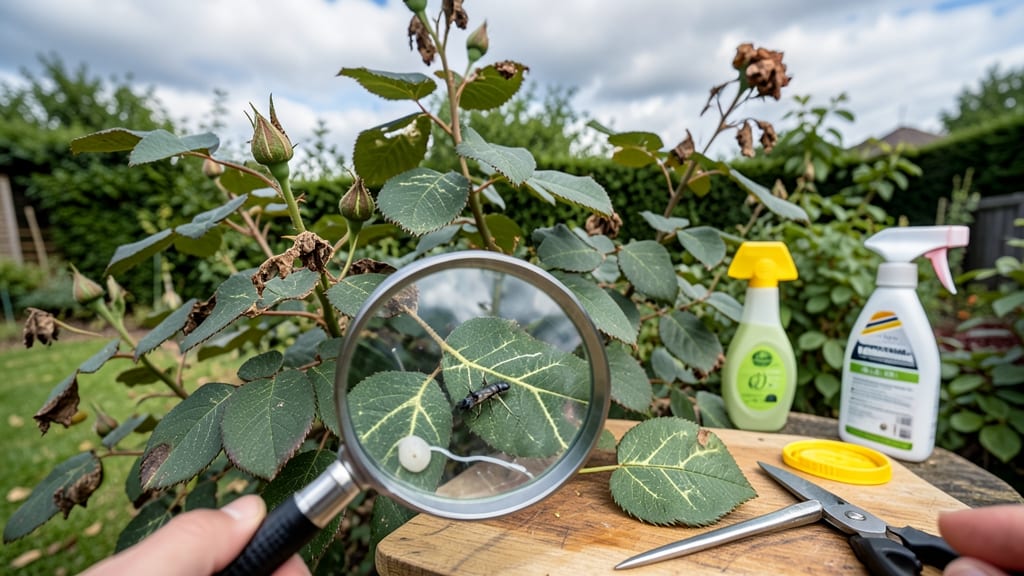
Your roses’ leaves look like they’ve been attacked by tiny, invisible scribblers—and they have. 🌿 The rose leaf miner turns vibrant foliage into skeletal lace, but this organic spray protocol gets your bushes back to full health without harsh chemicals.
I’ve battled these pests for years, and the key is acting fast with the right mix of pruning, sprays, and beneficial insects.
The damage starts small: pale blotches that turn brown as larvae tunnel through leaves. By the time you see the telltale serpentine mines, the miners are already pupating in the soil.
Neem oil and insecticidal soap are your first line of defense, but the real game-changer is introducing parasitic wasps like Diglyphus isaea—they hunt leaf miners naturally and keep populations in check.
Within 2-3 weeks of consistent treatment, new growth emerges clean and lush. Prune affected leaves immediately to starve existing larvae, and mulch heavily to deter overwintering. The secret? Prevention—healthy roses with balanced fertilization and proper air circulation resist infestations better than stressed plants ever could.
This works for hybrid teas, floribundas, and even wild roses. The spray protocol scales from a single bush to an entire garden, and the results last through multiple seasons. Let’s get those roses thriving again—without the mess of chemical sprays.
Why it happens
Those serpentine trails and blistered leaves on your roses aren’t just bad luck—they’re the handiwork of rose leaf miners, a group of small, stealthy larvae that burrow into foliage like tiny caterpillar tunneling machines. 🐛 Understanding why these pests strike is the first step to reclaiming your roses’ health.
Let’s break down the real reasons they target your plants—and how to outsmart them.
🌱 Larvae Hatching from Eggs Laid by Adult Moths
The life cycle of a leaf miner starts with an adult moth—often the Phyllonorycter or Coleophora species—laying eggs on the underside of rose leaves. These eggs hatch into larvae that immediately begin feeding between the leaf layers, creating the signature serpentine mines. Why does this happen?
- Timing is everything: Moths time egg-laying to coincide with new leaf growth, ensuring a fresh, tender meal for their offspring. Spring and early summer are peak seasons because young leaves are softer and easier to penetrate.
- Chemical cues attract them: Healthy, rapidly growing roses emit volatile organic compounds (VOCs) that moths detect from up to 10 feet away. The more vigorous the plant, the more appealing it becomes as a nursery.
- Overcrowded gardens invite them: Dense rose bushes with poor airflow create the perfect hiding spot for adult moths, increasing the chances of egg deposition.
Actionable insight: If your roses are thriving too well, it might be a red flag. Balance fertility with airflow to reduce moth attraction.
🌡️ Warm, Stable Microclimates
Leaf miners thrive in consistent warmth—ideal temperatures for their development range from 65°F to 85°F (18°C–30°C). Cooler climates slow them down, but once conditions stabilize, they multiply rapidly. Why does this matter?
- Greenhouse effect: Thick canopies or mulch piled too close to the base trap heat, creating a leaf-miner paradise. Even a 5°F (3°C) increase in leaf temperature can accelerate larval growth by 30%.
- Drought stress = weaker defenses: Roses under water stress produce less sap and thicker cell walls, making them less able to repel invaders. Leaf miners exploit this vulnerability.
- Urban heat islands: Roses in city gardens or near pavement absorb and retain heat longer, extending the leaf miner’s active season.
Actionable insight: Monitor leaf temperatures with a surface thermometer—if they exceed 80°F (27°C), take steps to improve airflow or provide afternoon shade.
🍃 Lack of Natural Predators
In a balanced ecosystem, birds, parasitic wasps, and beneficial nematodes keep leaf miner populations in check. But when these predators disappear—due to pesticide use, habitat loss, or monoculture gardening—larvae thrive unchecked. Why does this create a problem?
- Broad-spectrum pesticides wipe out helpers: Chemicals like neonicotinoids or synthetic pyrethroids kill not only leaf miners but also their natural enemies, like Trichogramma wasps, which lay eggs inside leaf miner eggs to stop them from hatching.
- Monoculture gardens offer no diversity: Planting only roses (or other susceptible plants like lilacs or hawthorns) removes the polyphagous predators that feed on a variety of pests.
- Urban sprawl reduces biodiversity: Lawns and manicured gardens provide fewer hiding spots for predator insects, making them easier targets for elimination.
Actionable insight: Introduce beneficial insects like ladybugs or lacewings, and avoid harmful pesticides. Plant companion flowers (e.g., dill, fennel, or alyssum) to attract predator species.
🌿 Weak or Stressed Rose Plants
A rose that’s already struggling—whether from nutrient deficiencies, fungal diseases, or physical damage—becomes an easy target. Why? Healthy plants produce resin and tannins that deter leaf miners, but stressed plants can’t mount this defense.
- Nitrogen deficiency: Roses low in nitrogen produce thinner, paler leaves that larvae find irresistible. A quick soil test can reveal if this is the issue.
- Fungal infections (e.g., black spot): Damaged leaves provide entry points for leaf miners, and the resulting weak tissue is easier to mine.
- Physical trauma (e.g., hail, pruning wounds): Open wounds or torn leaves attract moths, who mistake them for ideal egg-laying sites.
Actionable insight: Boost plant resilience with balanced fertilization (focus on nitrogen + micronutrients like zinc and iron) and proper pruning to reduce stress signals.
🌍 Global Travel and Unchecked Spread
Leaf miners don’t respect borders. Accidental introductions via nursery plants, contaminated tools, or even wind have turned them into a global pest. Why does this happen?
- Infested plant sales: Many leaf miners are not visible at purchase—eggs or early-stage larvae hide until conditions are right. Buying roses from reputable, inspected growers reduces risk.
- Wind and water dispersal: Lightweight moths can travel up to 2 miles (3 km) on wind currents, while larvae may hitchhike on rainwater into new gardens.
- Climate change extends their range: Warmer winters in previously cold regions now allow leaf miners to survive year-round, increasing infestation pressure.
Actionable insight: Quarantine new plants for 2–4 weeks before introducing them to your garden, and inspect leaves regularly for early signs of mining.
How to Treat and Prevent Leaf Damage
Discovering those telltale signs of leaf damage can be disheartening, but the good news is that with the right approach, you can restore your roses to their former glory.
Below, we’ve mapped out practical solutions based on the root causes—whether it’s larval infestations, environmental stress, or neglected care—along with prevention tips to keep your roses thriving. Let’s turn things around!
If the damage is caused by tiny larvae munching away, act fast with these organic, effective methods:
🍳 Spray Organic Insecticides (Safe & Effective)
Use neem oil, spinosad, or kaolin clay—all approved for organic gardening. These disrupt the larvae’s feeding and growth without harming beneficial insects.
- 👨🍳 Mix it right: Combine 1 tbsp neem oil + 1 tsp mild soap + 1 quart water. Spray undersides of leaves (where larvae hide) in the early morning or evening to avoid harming bees.
- ⏰ Reapply every 7–10 days until new growth appears free of damage.
- ✨ Pro tip: Add a few drops of garlic oil to your spray for extra pest-repelling power!
🔪 Prune Damaged Leaves (Stop the Spread)
Remove heavily infested leaves immediately—don’t wait! Larvae can’t survive without food, and pruning reduces their numbers.
- 🔪 Use clean, sharp shears and dispose of clippings in a sealed bag (not compost).
- 🌱 Focus on new growth—prune just above a leaf node to encourage healthy regrowth.
- 💡 Warning: Avoid over-pruning—remove only what’s severely damaged to keep the plant strong.
🌡️ Boost Beneficial Insects (Natural Defense)
Encourage ladybugs, lacewings, and parasitic wasps—they’re natural predators of leaf miners. Plant dill, fennel, or marigolds nearby to attract them.
- 🐞 Buy beneficial insects online or release them at dusk for best results.
- 🎯 Avoid pesticides that kill these helpful bugs while treating the problem.
An ounce of prevention is worth a pound of cure! Follow these steps to keep your roses leaf-miner-free and vibrant.
🌿 Improve Airflow & Reduce Humidity
Leaf miners thrive in crowded, damp conditions. Open up your garden space to let air circulate.
- 🌬️ Space roses 3–4 feet apart and prune for an open canopy.
- 💦 Water at the base (not overhead) to keep foliage dry.
- 🌡️ Mulch with straw or pine needles to regulate soil moisture.
🍃 Strengthen Roses with Proper Nutrition
Healthy roses resist pests better. Feed them a balanced diet:
| Nutrient | How to Apply |
|---|---|
| 📊 Nitrogen (N) | Use compost or fish emulsion in early spring for lush growth. |
| 💪 Phosphorus (P) | Add bone meal before blooming to boost root and flower strength. |
| 🥗 Potassium (K) | Use wood ash or banana peels mid-season for disease resistance. |
🔍 Monitor & Act Early
Catch problems before they spread with regular inspections:
- 🔍 Check leaves weekly—look for tiny white trails or brown blotches.
- 🌱 Isolate new plants for 2 weeks to spot hitchhiking pests.
- ✨ Pro tip: Use a hand lens for close-ups—early detection saves your roses!
With these targeted fixes and preventive habits, your roses will bounce back stronger than ever. Stay vigilant, and soon you’ll be admiring flawless foliage and abundant blooms again!
Frequently asked questions
What do rose leaf miner damage look like on my plants?
Look for serpentine brown trails between leaf layers—these are the larvae feeding paths. You’ll also see blistered or discolored patches where the miners have damaged the leaf tissue. Check the undersides of leaves first, as that’s where eggs are laid and larvae hide. Early signs include pale yellow spots that turn brown as the damage spreads.
How often should I apply neem oil for leaf miners?
Apply neem oil every 7-10 days during active infestation periods (spring through summer). For prevention, reduce to every 2-3 weeks starting in early spring. Always spray in the early morning or evening to avoid harming bees, and focus on leaf undersides where larvae hide. Consistency is key—stopping treatment too soon lets survivors repopulate.
Can I use garlic spray instead of neem oil?
Yes! Garlic spray is an excellent alternative that repels leaf miners naturally. Blend 1/4 cup chopped garlic with 1 quart water and 1 tsp mild soap, then strain and spray. Reapply every 5-7 days during infestations. The sulfur compounds in garlic disrupt larvae development while being safe for beneficial insects. For stronger results, mix equal parts garlic spray and neem oil.
Will pruning alone eliminate leaf miners?
Pruning removes food sources and starves existing larvae, but it won’t eliminate the problem completely. Always combine pruning with sprays (neem oil, garlic, etc.) to kill larvae that remain. Remove only severely infested leaves—don’t over-prune, as this stresses the plant. Dispose of clippings in sealed bags (not compost) to prevent larvae from pupating and emerging later.
How do I know if my roses are stressed enough to attract leaf miners?
Watch for these signs: thin, pale leaves (nitrogen deficiency), yellowing between veins (iron deficiency), or stunted growth. Stressed roses produce less resin to deter pests. Improve health by watering deeply 1-2x weekly, applying balanced fertilizer (10-10-10), and ensuring 6+ hours of sunlight daily. Healthy roses resist miners better—focus on prevention before infestations occur.