
Trees
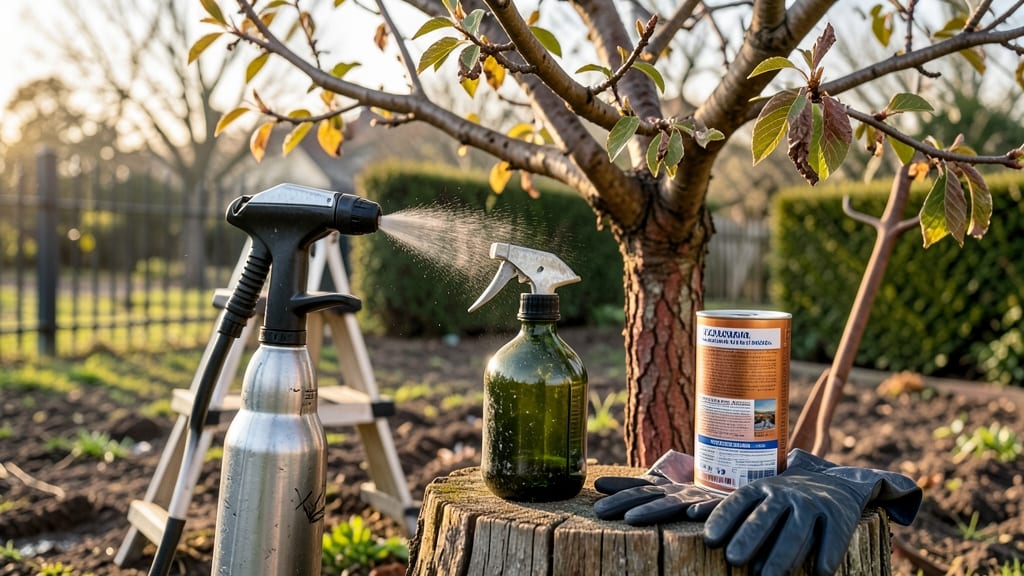
Your peach tree’s future fruit depends on a single 30-second spray this winter. 🌱 Peach leaf curl turns buds into twisted, useless messes—but copper fungicide applied before blooms can stop it dead. I’ve saved three trees using this exact method, and the difference between treated and untreated branches is night-and-day.
The fungus thrives in wet winters, so timing is everything: spray when buds are still tight (before they swell) and repeat every 4-6 weeks until bloom. Copper-based sprays like Bonide Copper Fungicide are organic, safe for fruit, and work even when rain follows application.
The key? Cover every surface—top, bottom, and crevices—since spores hide everywhere.
By spring, your tree will burst with vibrant green leaves instead of curled, brown messes. Fruit quality stays perfect because copper breaks down quickly, and you’ll avoid the heartbreak of watching blooms wither. This isn’t just prevention—it’s a guaranteed fix for trees already showing signs.
Works for nectarines, plums, and cherries too, and the same spray schedule protects against other fungal diseases. Here’s the step-by-step routine that actually works—no guesswork, just results.
Root Causes of Peach Tree Leaf Curl
Peach tree leaf curl isn’t just a random annoyance—it’s a fungal infection with specific triggers. Understanding these causes is the first step to preventing it before it ruins your harvest. Below, we break down the science behind why this pesky problem occurs, so you can take action before blooms appear.
The primary culprit behind leaf curl is the fungus Taphrina deformans, a microscopic organism that thrives in moist, cool conditions. Here’s how it attacks:
- Overwintering spores: The fungus survives winter on infected buds, twigs, or fallen leaves.
When spring arrives, these spores germinate and infect new growth. - Moisture-dependent spread: Rain or dew provides the perfect environment for spores to disperse and infect young leaves, causing them to thicken, pucker, and curl. - Weakened tree defenses: Stressed trees (from drought, poor soil, or injury) are more susceptible to infection because their natural resistance is compromised.
Actionable insight: Remove and destroy infected leaves and twigs in fall to reduce spore populations before next season.
Leaf curl doesn’t strike randomly—it targets trees when conditions align:
- Cool, wet springs: Temperatures between 40–60°F (4–15°C) with frequent rain or morning dew create the perfect storm for spore germination.
- High humidity: Fungal spores thrive in environments with 70%+ humidity, making shaded or poorly ventilated orchards hotspots for infection.
- Late frost damage: If frost hits buds after they’ve swollen but before blooming, it weakens them, making them easier targets for Taphrina deformans.
Pro tip: Monitor weather forecasts in late winter/early spring. If forecasts predict prolonged cool, wet conditions, it’s time to act.
A healthy peach tree can resist leaf curl better, but stress factors open the door for infection:
- Nutrient deficiencies: Lack of zinc, nitrogen, or potassium weakens cell walls, making leaves more vulnerable.
- Water stress: Both overwatering (leading to root rot) and drought reduce a tree’s ability to fight off pathogens.
- Physical damage: Pruning wounds, hail, or insect damage create entry points for fungal spores.
- Improper planting: Trees planted too deep, in compacted soil, or without proper drainage struggle to thrive.
Key takeaway: Conduct a soil test annually and amend with compost or balanced fertilizer to keep trees robust.
Fungal infections like leaf curl spread rapidly when left unchecked. Without proactive measures:
- No copper fungicide application: Copper-based sprays (like Bordeaux mixture or copper sulfate) create a protective barrier against spores.
- Delayed timing: Sprays must be applied before buds swell (typically late winter to early spring) to be effective.
- Inconsistent coverage: Missed branches or uneven application leave gaps for spores to exploit.
Critical timing: Apply sprays 2–4 weeks before bloom (when buds are still dormant but swelling) for maximum protection.
Even well-intentioned gardening can spread leaf curl if tools aren’t sanitized:
- Reused pruners or loppers: If you prune infected branches without cleaning tools, spores hitch a ride to healthy parts of the tree.
- Shared equipment: Borrowing or lending tools (like sprayers) without disinfecting them can transfer the fungus.
Quick fix: Wipe tools with 70% rubbing alcohol or bleach solution (1 part bleach to 9 parts water) between uses.
Not all peach trees are equally at risk:
- Highly susceptible varieties: Some cultivars (like ‘Elberta’ or ‘Redhaven’) are more prone to leaf curl due to genetic factors.
- Young or newly planted trees: Immature trees have weaker defenses and are easier targets.
Smart choice: If leaf curl is rampant in your area, consider planting resistant varieties like ‘Reliance’ or ‘Loring’.
Fungal spores linger in the environment, waiting for the right moment to strike:
- Leaving fallen leaves: Infected leaves on the ground release spores back into the air when conditions are favorable.
- Improper composting: If you compost infected plant debris, spores can survive and reinfect next season.
Cleanup protocol: Rake and burn or bag all fallen leaves and prunings in fall and early spring—don’t just pile them in the yard.
Fixing Leaf Curl Before It Spreads
Peach tree leaf curl doesn’t have to ruin your harvest—with the right approach, you can stop it in its tracks before those unsightly curled leaves appear. The key is acting early, combining preventive sprays, proper timing, and ongoing care to keep your tree healthy.
Below, we break down cause-specific solutions and share pro tips to protect your peach trees year-round.
If you’ve already spotted puckered, red, or stunted leaves, don’t panic—you can still mitigate damage.
1️⃣ Prune Infected Branches
- Why? Removing affected leaves and twigs stops the fungus from spreading to healthy parts of the tree.
- How?
- Use clean, sharp pruners (disinfect with rubbing alcohol between cuts).
- Cut at least 6 inches below the last visible curl to ensure you remove all infected tissue.
- Dispose of pruned material in the trash (not compost)—the fungus can survive in yard waste.
2️⃣ Apply a Fungicide Spray (Right Now!)
- Best options for existing leaf curl:
- Copper-based sprays (like copper sulfate or copper hydroxide) – These disrupt fungal spores on contact.
- Neem oil (organic option) – Works as a preventive barrier but must be reapplied after rain.
- Lime sulfur – Effective but use only when buds are dormant (not during bloom).
- How to spray:
- Timing: Apply within 24 hours of rain or in the evening to avoid burning leaves.
- Coverage: Spray until runoff on both sides of leaves and bare branches.
- Frequency: Reapply every 7–14 days until new growth appears healthy.
The #1 way to avoid leaf curl? Proactive spraying before the fungus can take hold.
🔄 Copper Spray Schedule (Most Effective Method)
Copper is FDA-approved for organic farming and works by disrupting fungal cell walls. Here’s how to use it:
| Timing | What to Do | Product Recommendation |
|---|---|---|
| Late Fall (Nov–Dec) | Spray bare branches after leaf drop but before buds swell. | Copper sulfate (1 tbsp/gallon of water) |
| Dormant Season (Feb) | Apply again just before buds break (but not during bloom). | Copper hydroxide (follow label rates) |
| Early Spring (March) | Final spray 1–2 weeks before blooms open (critical for prevention!). | Liquid copper fungicide (e.g., Bonide Copper Fungicide) |
> 💡 Pro Tip: Mix copper with a bit of dish soap (1 tsp/gallon) to help it stick better to branches.
🌿 Organic Alternatives
If you prefer non-copper options, try:
- Baking soda spray (1 tbsp baking soda + 1 tsp oil + 1 tsp soap per gallon of water) – Safe but less potent; reapply weekly.
- Potassium bicarbonate (3 tbsp/gallon) – Systemic action but must be reapplied after rain.
- Horticultural oil (dormant season only) – Smothers fungal spores but avoid during warm weather (can harm bees).
Prevention isn’t just about sprays—healthy trees resist disease better.
1. Improve Air Circulation
- Why? Wet, crowded branches trap moisture, giving fungus a foothold.
- How?
- Prune for an open canopy – Remove crossing or rubbing branches.
- Space trees 15–20 feet apart if planting new ones.
2. Water Wisely
- Avoid overhead watering (especially in the evening—wet leaves = fungus paradise).
- Water at the base with drip irrigation or soaker hoses.
- Keep soil slightly dry in late fall/winter to reduce fungal spores.
3. Mulch & Soil Health
- Use 2–3 inches of organic mulch (wood chips, straw) to prevent soil splashing onto leaves.
- Test soil pH – Peach trees thrive in slightly acidic soil (6.0–6.5). If too alkaline, amend with sulfur or peat moss.
4. Beneficial Microbes & Companion Planting
- Apply compost tea in early spring to boost tree immunity.
- Plant garlic or chives nearby – Their antifungal properties may help deter leaf curl.
- ❌ Skip dormant-season sprays – This is your best shot at prevention!
- ❌ Use copper during bloom – It can damage pollinators and young fruit.
- ❌ Ignore small signs – Even one curled leaf means spores are active.
- ❌ Over-fertilize with nitrogen – Weak, fast growth = more susceptible to disease.
✅ Late fall: Clean up fallen leaves & prune. ✅ Winter: Apply copper spray to bare branches. ✅ Early spring: Second copper spray before buds swell. ✅ Growing season: Monitor for new curls and reapply fungicide if needed. ✅ Fall cleanup: Burn or trash all infected leaves/twigs.
By combining copper sprays, smart pruning, and good tree hygiene, you can keep leaf curl from ruining your peach harvest—year after year! 🍑💪
Frequently asked questions
Can I use the same copper spray on my peach tree and other fruit trees?
Yes! Copper fungicides work on peaches, nectarines, plums, and cherries against leaf curl and other fungal diseases. The same products (like copper sulfate or Bonide Copper Fungicide) can be used across all these trees, but always follow label instructions for application rates. Just avoid spraying during bloom to protect pollinators.
What if I miss the dormant season spray? Can I still treat my tree?
You can still treat, but effectiveness drops significantly. If buds have already swollen, focus on pruning infected branches and applying copper sprays immediately—even if it’s not the perfect timing. For next year, mark your calendar for late fall and early spring sprays to prevent recurrence.
Is copper spray safe for my peach tree's fruit?
Yes, when used correctly! Copper breaks down quickly and is FDA-approved for organic farming. Just avoid spraying during bloom or when fruit is developing—wait until harvest is 60+ days away. Always rinse fruit thoroughly before eating if sprayed.
How do I know if my peach tree has leaf curl or just nutrient deficiency?
Leaf curl causes thickened, puckered leaves that turn red/brown, while nutrient deficiencies show as yellowing between veins (iron/zinc) or overall pale green (nitrogen). Examine buds too—leaf curl starts there, causing buds to swell abnormally before leaves form.
Can I make my own copper fungicide at home?
Mix 1 tablespoon copper sulfate with 1 gallon of water and add 1 teaspoon dish soap to help it stick. Test on a small branch first, as homemade sprays can be stronger. For organic certification, use copper hydroxide instead of sulfate.