
Leaf Blower
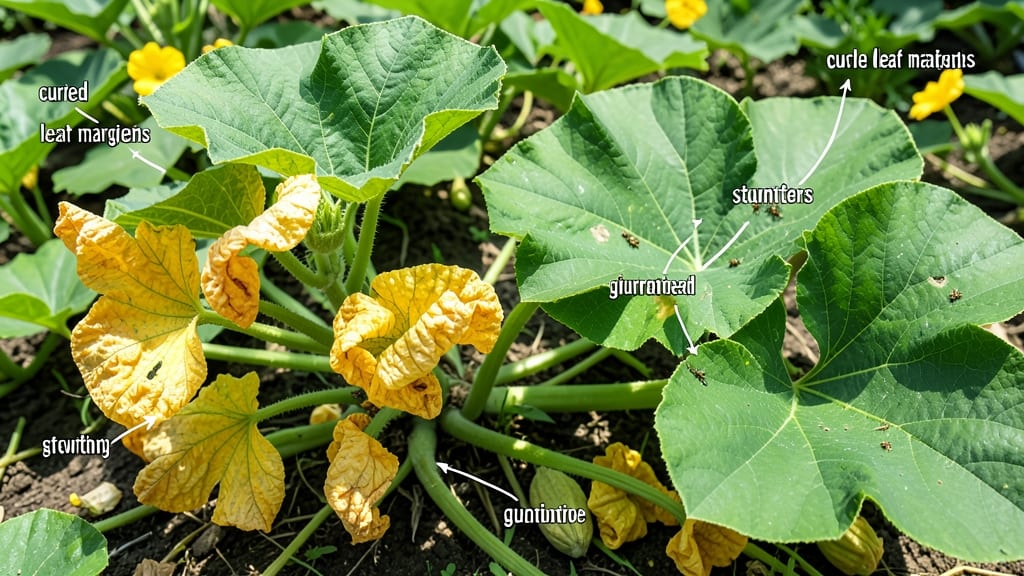
When your squash leaves curl like a child’s drawing gone wrong, you’re staring down squash leaf curl virus—and neem oil might be your secret weapon. 🌱 I’ve watched this stubborn virus turn lush vines into sad, stunted shadows, but a 48-hour neem oil barrier can stop it in its tracks before it spreads to your entire crop.
The key? Catching it early and acting fast with organic tools that actually work.
This virus hitches rides on aphids like uninvited guests at a garden party, and once it’s in your plants, there’s no cure—only prevention. Yellowing leaves, curled edges, and stunted growth are your red flags.
I learned the hard way that ignoring the first signs means losing the whole harvest, but with the right spray schedule and a few smart habits, you can keep your squash thriving all season.
By the end of this, you’ll have a foolproof plan to shield your plants: neem oil sprays timed just right, companion plants that confuse pests, and a cleanup routine that removes infected debris before it becomes a virus buffet.
Your garden won’t just survive—it’ll bounce back stronger, with fewer curled leaves and more productive vines.
Works for zucchini, cucumbers, and pumpkins alike, whether you’re growing in raised beds or straight in the ground. Let’s get those plants protected before the aphids even show up.
Root Causes Of Leaf Distortion
When your squash plants start showing curled, yellowed, or stunted leaves, the squash leaf curl virus (SLCV) is often the culprit. This persistent pathogen thrives due to specific conditions and behaviors—some preventable, others rooted in nature’s unpredictability.
Understanding why it happens is the first step to stopping it in its tracks. Let’s break down the key triggers:
The squash leaf curl virus doesn’t spread on its own—it hitches a ride on tiny, sap-sucking insects called whiteflies. These pale, winged pests (about 1/16-inch long) feed on plant sap and, in the process, transmit the virus from infected to healthy plants. Here’s how it works:
- Direct transmission: When a whitefly feeds on an infected plant, it picks up virus particles in its saliva. After 1–2 hours, it can transmit the virus to a new host with just a few minutes of feeding. No cure exists once infected—prevention is critical.
- Exponential spread: A single whitefly can lay 200–400 eggs in its lifetime, creating a breeding ground for virus transmission. Greenhouses and warm climates accelerate this cycle.
- Non-persistent virus: Unlike some plant viruses, SLCV doesn’t require a long incubation period in the insect. Whiteflies can spread it immediately after acquiring it.
Actionable fix: Monitor plants daily for whiteflies (check undersides of leaves) and use neem oil sprays to disrupt their life cycle. Yellow sticky traps can also reduce adult populations.
SLCV isn’t just about insects—it’s also about environmental conditions that create ideal breeding grounds for both the virus and its carriers. Research shows:
- Temperature range: Whiteflies thrive in temperatures between 77–86°F (25–30°C). Cooler nights (<60°F/15°C) slow their activity, but greenhouses or tropical climates keep them active year-round.
- Humidity matters: High humidity (>70%) increases whitefly survival rates and egg production. Stagnant air (common in dense plantings) traps heat and moisture, creating a virus hotspot.
- Seasonal peaks: Outbreaks surge in late spring to early fall when days are long and warm. Even a single infected plant can trigger a garden-wide epidemic in weeks.
Actionable fix:
- Space plants 3–4 feet apart to improve airflow and reduce humidity.
- Use row covers (fine mesh) to block whiteflies during warm seasons.
- Avoid overhead watering, which can spread virus-laden droplets.
Even if your garden looks pristine, tools, seeds, and soil can harbor SLCV, introducing it to new plants. Here’s how:
- Pruning tools: Knives or shears contaminated with sap from infected plants can transfer virus particles to healthy cuts. 1 in 5 gardeners unknowingly spreads viruses this way.
- Transplants & seeds: Infected seedlings or seed stock (especially from nurseries) may show no symptoms but carry the virus internally. Once planted, they become a ticking time bomb.
- Soilborne vectors: While SLCV isn’t soilborne itself, whitefly eggs laid in soil can hatch and infect nearby plants as they emerge.
Actionable fix:
- Disinfect tools with 70% rubbing alcohol or a 10% bleach solution between uses.
- Buy seeds from reputable, virus-tested suppliers and test new plants for symptoms before transplanting.
- Rotate crops annually to break the virus-soil cycle (avoid planting squash in the same spot yearly).
Healthy plants resist infections better than stressed ones. SLCV exploits plants that are:
- Nutrient-deficient: Low nitrogen or potassium weakens cell walls, making it easier for whiteflies to penetrate and for viruses to replicate.
- Underwatered or overwatered: Both extremes disrupt root function, reducing the plant’s ability to fend off pathogens.
- Young or newly transplanted: Immature plants have underdeveloped defenses and are more susceptible to viral attacks.
- Co-infected with pests: Spider mites or aphids (which also spread viruses) create entry points for SLCV.
Actionable fix:
- Fertilize with a balanced NPK (10-10-10) formula to bolster plant immunity.
- Water deeply but infrequently (1–2 inches per week) to avoid stress.
- Use companion planting (e.g., marigolds or basil) to repel whiteflies naturally.
Pro tip: 💡 Early detection is your best defense. Remove and destroy infected plants immediately (do not compost them) to prevent spread. Even a single infected leaf can harbor enough virus to infect an entire crop within 7–10 days.
How to Treat & Prevent Plant Viruses
When squash leaf curl virus strikes, your garden’s health depends on quick action and smart prevention. Below, we break down practical fixes by cause—so you can tackle the problem at its source and protect your plants for future harvests.
Cause: Once a plant shows symptoms (yellowing, curling, stunted growth), it’s already a virus carrier. Fix:
- 🔪 Snip and destroy infected leaves and entire plants if severe. Do not compost them—burn or trash them to prevent spread.
- 🌱 Quarantine new plants for 2–3 weeks before adding them to your garden. Watch for early signs like vein yellowing.
Pro Tip: 💡 Check the undersides of leaves—some viruses hide there first!
Cause: Weak or stressed plants are easier targets for viruses. Fix:
- 💧 Water deeply but less often to avoid soggy soil (fungal hitchhikers love moisture).
- 🌱 Use neem oil as a barrier (as mentioned in our title!):
- Mix 1 tbsp neem oil + 1 tsp mild soap per gallon of water.
- Spray foliage and soil at dusk every 3–4 days for 2 weeks. This disrupts virus transmission via aphids.
- 🍃 Boost soil health with compost or worm castings—healthy roots = stronger defenses.
Pro Tip: ✨ Rotate crops yearly to starve soil-borne viruses (they can linger for years!).
Cause: Aphids, whiteflies, and beetles spread the virus like tiny syringes. Fix:
- 🕵️♂️ Trap pests early with yellow sticky cards near infected plants.
- 🌿 Introduce predator insects (ladybugs, lacewings) or spray neem oil to deter them.
- 🧼 Clean tools with rubbing alcohol between uses—tools can carry viruses!
Pro Tip: 🌡️ Mulch with reflective silver mulch film—it confuses pests and reduces landings.
Cause: Some squash types (like butternut or acorn) are more resistant than others. Fix:
- 📋 Swap susceptible varieties (e.g., zucchini) for resistant hybrids like:
- ‘Defender’ zucchini
- ‘Gold Rush’ acorn squash
- Check seed packets for “virus-resistant” labels.
- 🌱 Start seeds indoors and harden them off slowly—young plants are fragile.
Pro Tip: 🎯 Buy certified disease-free seeds from reputable nurseries.
| Step | Action | Frequency |
|---|---|---|
| Sanitize tools | Wipe with 70% alcohol | After each use |
| Rotate crops | Avoid planting squash in the same spot | Every 3–4 years |
| Test soil | Get a pH test (aim for 6.0–6.8) | Once per season |
| Monitor pests | Check leaves daily for aphids/whiteflies | Weekly |
| Use row covers | Protect young plants with fine mesh | Early growing season |
Final Note: While you can’t cure an infected plant, stopping the spread is 100% in your control. Combine these steps, and your garden will bounce back stronger—and virus-free! 🌱💪
Frequently asked questions
What are the first signs of squash leaf curl virus in my plants?
Look for cupped or curled leaves (especially on younger growth), yellowing veins, and stunted vines. Early symptoms often appear on new leaves first—check undersides for tiny whiteflies, the virus carriers. If you see these signs, isolate the plant immediately to prevent spread.
Can I save a plant already infected with squash leaf curl virus?
No—once infected, there’s no cure. Remove the entire plant (roots and all) and destroy it away from your garden (burning or trash). Even a single infected leaf can spread the virus to healthy plants within 7–10 days. Focus on protecting nearby plants with neem oil sprays and sticky traps.
How often should I apply neem oil to prevent this virus?
Spray every 3–4 days at dusk for 2 weeks during peak whitefly season (late spring to early fall). Mix 1 tbsp neem oil + 1 tsp mild soap per gallon of water—this disrupts virus transmission. Repeat weekly if pests return. Always spray undersides of leaves where whiteflies hide.
Are some squash varieties more resistant to this virus?
Yes! Choose virus-resistant hybrids like ‘Defender’ zucchini or ‘Gold Rush’ acorn squash. Check seed packets for “virus-resistant” labels. These varieties have built-in genetic defenses, but they’re not 100% proof—always combine them with pest control (neem oil, row covers) for best results.
Will row covers actually stop the virus from spreading?
Fine mesh row covers (with 0.6mm holes or smaller) block whiteflies completely. Install them at planting and remove only for pollination (if needed). This physical barrier is one of the most effective ways to prevent virus transmission—especially in greenhouses or warm climates where whiteflies thrive year-round.