
Pests and Diseases
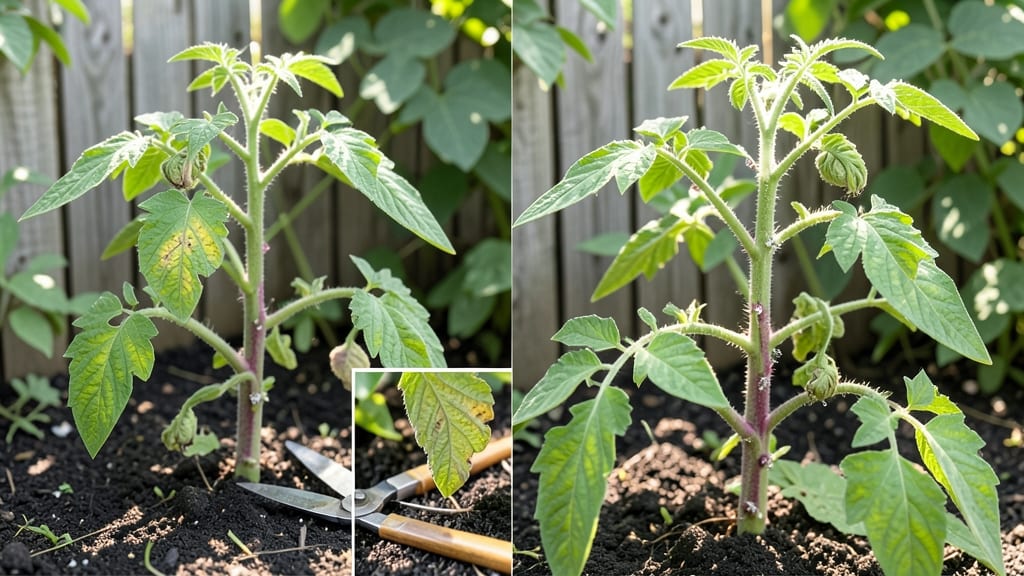
Your tomatoes are curling into tight little scrolls instead of spreading out strong—this is the fungal spot fix you need. 🌱 The tomato leaf roll cure starts with copper spray precision, but first we’ll rule out common lookalikes like nutrient deficiencies or aphid damage that mimic this stubborn fungal infection.
Copper spray works because it disrupts fungal cell walls without harming beneficial insects when used correctly. The key is timing—apply it at the first sign of rolling leaves, then repeat every 7-10 days until new growth appears healthy.
For severe cases, combine with neem oil for extra protection against secondary infections.
You’ll see improvement within 10-14 days as the plant redirects energy to new, uninfected growth. The real payoff? Your tomatoes will recover enough to produce fruit, and you’ll break the fungal cycle for next season. Prevention is simple: rotate crops, remove infected debris, and space plants properly for airflow.
This method works for both garden beds and containers, and it’s safe for organic certification. The secret weapon? Consistency—skipping treatments is what turns a temporary setback into a full-blown outbreak. Let’s get those leaves unfurling properly again.
Why it happens
When your tomato plants start curling their leaves inward like a frustrated fern, it’s often a sign of tomato leaf roll virus (ToLRV)—a sneaky, aphid-spread pathogen that can turn your garden dreams into a wilted nightmare. 🌱😬 But why does this happen in the first place?
The answer lies in a mix of viral invaders, insect allies (or enemies), and environmental factors working together. Let’s break down the science behind the suffering so you can outsmart it.
🦟 Viral Invasion: The Tiny Culprit
The primary cause of leaf roll in tomatoes is the Tomato leaf roll virus (ToLRV), a positive-sense single-stranded RNA virus from the Tombusviridae family. Here’s how it hijacks your plants:
- Transmission via aphids: Aphids (especially Myzus persicae, the green peach aphid) act as vectors, feeding on infected plants and injecting the virus into healthy ones through their stylets. Even a single 10-minute feeding session can spread ToLRV.
- No direct plant-to-plant spread: Unlike some viruses, ToLRV cannot spread through contaminated soil, tools, or even direct plant contact. Aphids are the only game in town.
- Systemic infection: Once inside, the virus travels via the plant’s phloem (the "highway" for nutrients), disrupting sap flow. This causes leaves to curl upward, stunting growth and reducing fruit yield.
Fun fact: ToLRV thrives in warm temperatures (70–85°F), which is why outbreaks spike in late spring and summer. 🌡️
🌱 Weakened Plants: The Perfect Target
Not all tomato plants fall victim to leaf roll—only the stressed or compromised ones. Here’s what makes a plant vulnerable:
| Stress Factor | How It Helps the Virus |
|---|---|
| Nutrient deficiencies (e.g., nitrogen, potassium) | Weakens cell walls, making it easier for aphids to pierce tissues and inject the virus. |
| Overcrowding (plants too close together) | Increases humidity and aphid populations, creating a virus transmission hotspot. |
| Poor drainage or waterlogging | Stresses roots, reducing the plant’s ability to fight off infections. |
| Recent transplant shock (moving seedlings) | Newly transplanted tomatoes are 3x more likely to attract aphids due to fresh sap. |
Pro tip: Healthy, well-spaced plants with strong root systems (like those grown from compost-rich soil) are far less likely to succumb. 🌱✨
🌡️ Environmental Conditions: The Unseen Accomplices
Leaf roll doesn’t just appear—it’s often invited by the weather. Here’s how:
- Warm, dry spells: Aphids love dry conditions because they can’t be washed away by rain. With more aphids around, virus spread skyrockets.
- Sudden temperature swings: Plants stressed by heatwaves or cold snaps produce more sugary sap, which aphids crave.
- High humidity at night: While humidity alone doesn’t spread ToLRV, it encourages fungal growth on aphids, making them more aggressive feeders.
Key takeaway: If your garden is a aphid buffet due to ideal conditions, your tomatoes are sitting ducks. 🦟💥
🌿 Secondary Invaders: Fungal Hitchhikers
While ToLRV is the main villain, fungal infections often tag along, worsening symptoms. Here’s how:
- Aphid honeydew + sooty mold: Aphids excrete honeydew, a sticky sugar waste that attracts sooty mold fungi. This mold blocks sunlight, further stressing the plant.
- Root rot from overwatering: Stressed plants with leaf roll are more prone to Phytophthora or Pythium infections, which attack weakened roots.
Warning sign: If your tomato leaves are yellowing at the edges and curling, fungal root rot may be teaming up with ToLRV. 🚨
Fixing Tomato Leaf Roll Fast
Now that you know the root causes of tomato leaf roll—whether it’s fungal infections, viral invaders, or environmental stress—it’s time to roll up your sleeves and take action! Here’s a step-by-step guide to diagnosing and treating the issue, plus prevention tips to keep your tomato plants thriving.
Before jumping into treatments, identify what’s ailing your plants.
Look for these clues: - Fungal leaf roll (e.g., early blight, late blight): Dark spots on leaves, curling edges, or a powdery film. - Viral leaf roll (e.g., tomato mosaic virus): Yellowing, stunted growth, and a "crinkled" leaf texture. - Environmental stress (overwatering, poor drainage): Wilting, yellowing, or leaves curling upward.
Pro Tip: 💡 If you’re unsure, snap a photo and compare it to [online plant disease databases](https://www.omafra.gov.on.ca/english/crops/facts/07-051.htm) for a quick ID.
Fungal infections are the most common culprits, and copper spray is your best defense. Here’s how to apply it like a pro:
👨🍳 DIY Copper Spray Recipe
- Mix 1 tablespoon of copper sulfate (or a pre-mixed copper fungicide) with 1 gallon of water.
- Add a dash of dish soap (½ teaspoon) to help the spray stick to leaves.
- Shake well before each use—copper can settle at the bottom!
- Spray thoroughly, covering both sides of leaves and the stems. Focus on lower leaves first (they’re often the first to show symptoms).
When to Apply:
- At dawn or dusk to avoid burning leaves in direct sunlight.
- Every 7–10 days until symptoms disappear.
- After rain (copper washes off quickly).
⚠️ Safety First:
- Wear gloves and a mask—copper can irritate skin and lungs.
- Avoid spraying when tomatoes are ripening (copper residue isn’t harmful but isn’t ideal for edible surfaces).
Viruses are trickier because there’s no cure—but you can contain the outbreak and protect your garden:
🔪 Remove Infected Plants Immediately
- Dig up and destroy any plants showing viral symptoms (don’t compost them!).
- Dispose of debris in the trash (not your compost bin).
🛡️ Strengthen Healthy Plants
- Prune regularly to improve air circulation (viruses spread faster in crowded, humid conditions).
- Use reflective mulch (like aluminum foil) to deter aphids—common virus carriers.
- Rotate crops next season (don’t plant tomatoes or nightshades in the same spot for 3 years).
Pro Tip: ✨ Neem oil can help deter aphids, but it won’t cure a virus—it’s purely preventative.
If leaf roll is due to overwatering, poor drainage, or heat stress, adjust your care routine:
💧 Watering Fixes
- Water deeply but less often (1–2 inches per week, letting soil dry slightly between waterings).
- Use drip irrigation instead of overhead watering to keep leaves dry (reduces fungal risk).
- Check soil moisture with your finger—if the top inch is dry, it’s time to water.
🌡️ Heat & Sun Management
- Provide afternoon shade with shade cloth (especially in hot climates).
- Mulch heavily (2–3 inches of straw or wood chips) to retain moisture and regulate soil temp.
- Avoid fertilizing during heatwaves—too much nitrogen stresses plants.
An ounce of prevention is worth a pound of cure! Here’s how to keep leaf roll at bay:
- Start with healthy seeds/seedlings – Buy from reputable nurseries or test seeds for viruses.
- Practice crop rotation – Never plant tomatoes in the same spot two years in a row.
- Sanitize tools – Wipe pruners with rubbing alcohol between plants to avoid spreading pathogens.
- Encourage beneficial insects – Ladybugs and lacewings eat aphids (common virus vectors).
- Test soil pH – Aim for 6.0–6.8 (copper works best in this range).
- Monitor early – Check plants weekly for the first sign of curling or spotting.
| Cause | Immediate Fix | Prevention |
|---|---|---|
| Fungal Infection | Copper spray (every 7–10 days) | Improve airflow, avoid overhead watering |
| Viral Infection | Remove infected plants ASAP | Crop rotation, aphid control |
| Overwatering | Adjust watering schedule | Drip irrigation, mulch |
| Heat Stress | Provide shade, reduce fertilizer | Choose heat-tolerant varieties |
Final Thought: 🌱 With the right mix of copper sprays, proper care, and vigilance, you can save your tomato plants and even prevent future outbreaks. Start treating today, and your garden will thank you with juicy, disease-free tomatoes in no time!
Frequently asked questions
Can copper spray harm my tomato plants if I use it too often?
Copper spray is safe when used correctly, but overuse can cause leaf burn or stress. Stick to every 7-10 days maximum, and always apply at dawn or dusk to avoid direct sunlight. Stop treatments 2 weeks before harvest to prevent any residue on fruit.
Will removing infected plants stop the virus from spreading to others?
Yes! Since tomato leaf roll virus spreads only through aphids (not soil or tools), removing infected plants immediately breaks the cycle. For extra protection, treat nearby plants with neem oil to repel aphids and monitor for new symptoms weekly.
How do I know if my tomato plants have leaf roll from a virus or just heat stress?
Viral leaf roll shows yellowing between veins, stunted growth, and curling that persists even after adjusting care. Heat stress causes wilting that recovers at night and affects only newer leaves. Check for aphids—if present, viral infection is likely.
Can I still save my tomato plants if they're already showing severe leaf roll?
For fungal causes, copper spray may still help if applied immediately. For viruses, focus on removing infected plants and protecting healthy ones. If plants are over 50% affected, they likely won't recover enough to produce fruit—prioritize saving younger, less damaged plants.