
Blooming
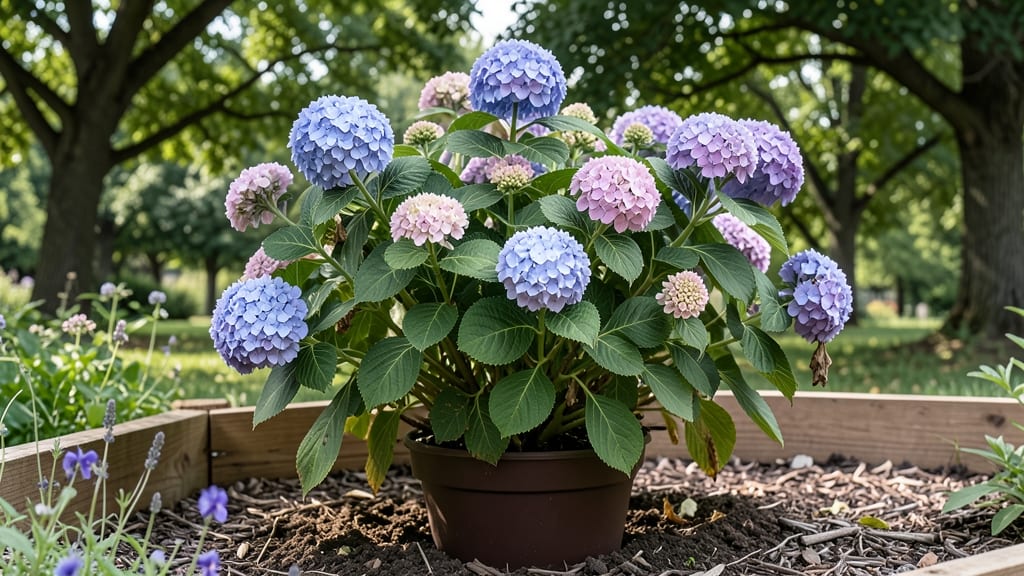
Bigleaf hydrangeas bloom in late spring to summer 🌸, but the exact timing depends on your climate, variety, and even how you prune them.
If you’ve ever wondered why your bigleaf hydrangeas seem to bloom at different times each year—or why your neighbor’s plant thrives while yours struggles—timing is everything. These stunning shrubs follow a precise seasonal rhythm, and understanding it can mean the difference between a garden showstopper and a disappointing flop.
In most regions, including USDA Zone 6a, blooms typically appear in June or July, but cooler northern areas may see them as late as August. Meanwhile, southern gardens often push blooms into late May or early June, thanks to warmer winters and longer growing seasons.
Here’s what you’ll discover: how to read your plant’s signals, adjust pruning for earlier or later flowers, and troubleshoot delays—so you can enjoy those showy clusters right when you want them.
Bigleaf Hydrangea bloom time by USDA zone: exact months revealed
Bigleaf hydrangeas (Hydrangea macrophylla) are famous for their showy summer blooms, but their timing varies dramatically depending on your USDA Zone. In colder zones, buds form early but bloom later, while warmer climates push flowers to appear sooner.
Understanding these patterns helps you plan pruning, anticipate color changes, and even adjust care routines for peak performance.
Temperature fluctuations play a critical role. Cold snaps in spring can delay blooming, while unusually warm winters might trick plants into budding too early—only to get damaged by late frosts. Southern gardeners often see blooms 2-4 weeks earlier than their northern counterparts.
Let’s break down what to expect in each zone so you can set realistic expectations and troubleshoot delays.
In USDA Zones 3-4, bigleaf hydrangeas often bloom later in summer because they need warmer soil temperatures to trigger flowering. Gardeners in these regions should prune immediately after blooms fade to avoid cutting off next year’s buds.
The peak bloom period stretches from July to early September, giving you plenty of time to enjoy their vibrant colors.
Zone 5 gardeners experience a shorter bloom window but can extend it by protecting plants from late frosts. Use row covers or mulch heavily in early spring to insulate roots. The early June start means you’ll see blooms just in time for summer weddings and parties—a gardener’s dream!
For Zones 6-7, the magic happens in late spring to early summer. These zones offer the best balance of bloom time and duration.
If your hydrangeas bloom too early, it might signal over-fertilizing with nitrogen—cut back on feedings and focus on balanced NPK ratios instead. Mid-May to June is prime time for photography and cutting flowers.
Southern gardeners in Zones 8-9 get the earliest and longest blooms, often starting as early as March. However, heat stress in summer can cause buds to drop prematurely.
Provide afternoon shade and consistent moisture to keep blooms healthy. In these zones, reblooming varieties like ‘Endless Summer’ thrive with proper pruning.
One critical factor across all zones is last frost date. Bigleaf hydrangeas won’t bloom until after the final frost, so use your local USDA frost map to plan. For example, in Zone 6, where last frost typically hits <
How to predict and extend your bigleaf Hydrangea’s bloom season
Bigleaf hydrangeas (Hydrangea macrophylla) typically bloom between mid-summer and early fall, but their exact timing depends on your USDA zone and growing conditions. In cooler northern zones (5-7), blooms often appear in July-August, while warmer southern zones (8-9) may see flowers as early as June.
The key to extending that vibrant display? Understanding how to adjust their environment and pruning habits to align with your preferences.
Most gardeners want their hydrangeas to bloom earlier for spring weddings or later for fall color. The good news? With the right soil pH tweaks, watering strategies, and pruning techniques, you can shift bloom times by 2-4 weeks.
Let’s break down the science—and the simple tricks—to get your hydrangeas flowering exactly when you want them.
- 1
- 2
- 3
- 4
- 5
To push your hydrangeas into blooming earlier, focus on pruning old wood in late winter and fertilizing in early spring. Use a balanced fertilizer (10-10-10) to jumpstart growth, and place your plant in a south-facing microclimate to capture extra warmth.
For later blooms, delay pruning until after flowering and avoid heavy feeding in June.
Don’t overlook the power of soil pH—it’s not just about color! Test your soil in early spring and adjust with sulfur (for blue flowers) or lime (for pink flowers).
A pH shift of 0.5-1.0 can delay or advance blooms by up to 3 weeks, depending on your climate. Pair this with consistent morning watering to keep roots cool and hydrated.
For a guaranteed bloom extension, combine these tricks: prune in late winter, mulch heavily in spring, and place your hydrangea near a south-facing wall.
This microclimate can add 10-14 days to your bloom season. Monitor your plant’s bud development in May—if buds swell early, prune back slightly to delay flowering.
Pro tip: Keep a gardening journal to track bloom times year after year. Note your USDA zone, pruning date, and soil pH to refine your approach. With patience, you’ll master the art of timing those showstopping blooms perfectly for your garden’s highlight moments. 🌿