
Pests and Diseases
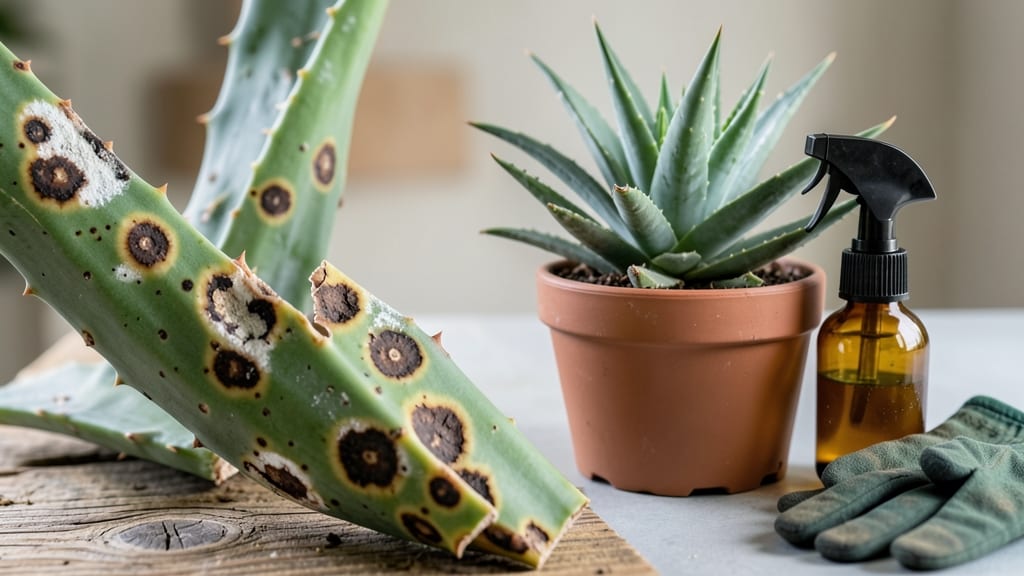
That brown-spotted aloe vera was my first sign of trouble—until I learned the organic fix that saved my entire collection. 🌱 Leaf spot disease turns vibrant green into a sad, speckled mess, but the solution is simpler than you’d think: a few household ingredients and a little patience.
The culprit? Too much water, poor airflow, or fungal spores lurking in damp soil. I thought my aloe just needed more light, but those black spots were a fungal party waiting to spread.
The fix isn’t about harsh chemicals—it’s about cutting off the problem at the source with natural sprays and better care habits. You’ll see fresh growth in 2-3 weeks if you act fast. The spots fade, new leaves emerge clean, and your aloe goes from "sickly" to "showstopper" again.
No more guessing—just a step-by-step plan that actually works. Works for indoor plants, outdoor pots, or even your neighbor’s struggling aloe. Let’s get those leaves spot-free for good.
Understanding the root causes
When your aloe vera plant starts showing unsightly leaf spots, it’s often a sign that something’s gone awry in its environment or care routine. While the symptoms might seem random, the causes are usually tied to specific conditions that disrupt the plant’s natural defenses.
Let’s break down the most common reasons why aloe vera leaf spot disease develops, so you can address them before they spread.
Aloe vera thrives in warm, dry conditions—too much moisture or sudden temperature swings can stress the plant, making it vulnerable to fungal infections like leaf spot disease. Here’s how it happens:
- Excessive humidity: Aloe vera prefers humidity levels between 30% and 50%. If your plant sits in a damp environment (like a steamy bathroom or a poorly ventilated room), water droplets linger on the leaves, creating the perfect breeding ground for fungi. The spots often start as small, water-soaked marks that darken over time.
- Cold stress: Temperatures below 50°F (10°C) can weaken the plant’s cell walls, making it easier for pathogens to invade. Cold drafts or sudden chills (like moving an indoor plant outdoors in winter) trigger stress responses, leaving the plant defenseless.
- Condensation buildup: If your aloe is in a pot without drainage or placed on a cold surface (like a concrete floor), condensation forms on the leaves. This trapped moisture mimics a fungal incubator, accelerating spot development.
💡 Pro Tip: Use a hygrometer to monitor humidity and avoid placing aloe near air conditioners or heaters. If humidity is high, improve airflow with a small fan or open windows occasionally.
Aloe vera is a succulent—it stores water in its leaves, so overwatering is a surefire way to invite leaf spot disease. Here’s why too much water is problematic:
- Root rot: When soil stays soggy for days, roots suffocate and rot. Weak roots can’t absorb nutrients or water efficiently, causing the plant to wilt and develop soft, discolored spots on the leaves.
- Fungal growth in soil: Overwatered soil becomes a hotspot for Phytophthora and Fusarium fungi, which spread upward into the leaves. These pathogens thrive in waterlogged conditions, leading to brown or black spots with yellow halos.
- Poor drainage: If your pot lacks drainage holes or the soil is compacted (like clay-heavy mixes), water pools at the base, creating a damp environment that encourages fungal spores to germinate.
🔥 Actionable Fix: Let the top 2–3 inches of soil dry out completely between waterings. Use a fast-draining mix (like cactus soil with perlite) and repot if your current container traps moisture.
Fungal leaf spot diseases are often airborne or soilborne, meaning they lurk in your garden, potting mix, or even the tools you use. Here’s how spores infect aloe vera:
- Contaminated soil: If you repot aloe vera with garden soil or compost that hasn’t been sterilized, fungal spores (like Alternaria or Cercospora) can hitch a ride and infect the plant. These spores germinate when conditions are moist and warm.
- Splashing water: When you water from above, droplets splash onto leaves, carrying spores from the soil or nearby infected plants. This is why spots often appear near the base of the leaves first.
- Tool contamination: Pruners, trowels, or even your hands can transfer spores from one plant to another. If you’ve worked with diseased plants recently, you might unknowingly spread the infection.
🌡️ Prevention Tip: Sterilize tools with rubbing alcohol, avoid overhead watering, and use pasteurized potting mix. If you suspect soil contamination, solarize the soil (cover it with clear plastic for 4–6 weeks in sunlight) to kill spores.
Aloe vera with compromised immunity is an easy target for leaf spot disease. Stressors like nutrient deficiencies, pests, or physical damage create entry points for fungi. Here’s what weakens your plant:
- Nutrient deficiencies: Lack of nitrogen, phosphorus, or potassium stunts growth and thickens cell walls, making leaves more susceptible to fungal invasion. Yellowing leaves or stunted growth are red flags.
- Pest damage: Insects like aphids or mealybugs pierce leaves, creating wounds where fungi can enter. Their sticky residue also attracts mold.
- Physical trauma: Rough handling, sharp edges from pots, or even hail can tear leaves, leaving open wounds for pathogens to exploit.
💪 Boost Immunity: Feed your aloe with a balanced, diluted succulent fertilizer (half-strength) every 2–3 months. Inspect leaves regularly for pests and remove damaged foliage immediately.
By identifying the root cause of your aloe vera’s leaf spots, you can take targeted action to restore its health. The good news? Many of these issues are preventable with simple adjustments to watering, airflow, and hygiene.
Quick Fixes for Spotted Aloe Leaves
Reviving your aloe vera from leaf spot disease starts with identifying the root cause—whether it’s fungal infections, bacterial issues, or environmental stress. Below are practical, step-by-step solutions tailored to each common trigger, plus prevention tips to keep your plant thriving.
No fancy tools or expensive sprays needed—just household staples and a little TLC!
Fungal spots (often brown, black, or yellow with fuzzy edges) thrive in damp conditions. Act fast to stop the spread!
🔥 Step 1: Isolate and Prune
- Remove infected leaves with clean, sharp scissors (dispose of them in the trash, not compost).
- Wear gloves—fungal spores can irritate skin.
- Check nearby plants—fungus spreads quickly!
🍳 Step 2: Cleanse with Baking Soda Solution
Mix 1 teaspoon baking soda + 1 quart water + a few drops of dish soap (the soap helps it stick). Spray undersides of leaves (where spores hide) and stems. Repeat every 7–10 days until new growth appears.
👨🍳 Step 3: Boost Airflow and Light
- Move your aloe to a spot with bright, indirect light (south or west windowsill works well).
- Space plants apart—crowding traps moisture.
- Use a fan on low setting for 10 mins/day to dry leaves faster.
🌡️ Pro Tip:
If spots persist, neem oil spray (1 tbsp neem oil + 1 tsp dish soap + 1 quart water) is a powerhouse antifungal. Shake well and spray at dusk to avoid sunburning leaves.
Bacterial spots (water-soaked, yellow, or greasy-looking) spread even faster than fungi. Here’s how to tackle them:
⏰ Step 1: Sterilize Your Tools
- Wipe scissors with rubbing alcohol before pruning infected leaves.
- Avoid watering overhead—use a watering can with a narrow spout to direct water at the soil.
🔪 Step 2: Copper Fungicide Spray (DIY Version)
Mix 1 teaspoon copper sulfate + 1 quart water (or use copper-based organic spray from a garden store). Spray every 5–7 days until symptoms fade. ⚠️ Warning: Avoid overuse—copper can harm roots in high doses.
🎯 Step 3: Adjust Watering Habits
- Let soil dry completely between waterings—aloe vera hates soggy roots.
- Use a pot with drainage holes and cactus/succulent mix soil (add perlite or sand for extra airflow).
- Water at the base—never let leaves stay wet.
✨ Pro Tip:
If bacteria wins, repot the plant in fresh, sterile soil. Trim 1/3 of the plant to reduce stress and encourage healthy regrowth.
Sometimes, spots aren’t from pathogens but from sunburn, nutrient deficiency, or pests. Try these fixes:
💡 Step 1: Check Light Exposure
- Too much sun? Move to partial shade (east-facing window).
- Too little light? Supplement with a grow light 12 inches away for 6–8 hours/day.
📊 Step 2: Feed Your Aloe
- Use diluted fish emulsion (1 tbsp per gallon of water) once a month in spring/summer.
- Avoid over-fertilizing—aloe vera needs minimal nutrients.
🐛 Step 3: Inspect for Pests
- Mealybugs or scale insects weaken plants, making them spot-prone.
- Wipe leaves with soapy water (1 tsp mild soap per quart of water) to remove pests.
- Release ladybugs (natural predators) if pests return.
Once your aloe recovers, lock in its health with these habits:
- Water only when soil is bone-dry (stick your finger 2 inches deep—if dry, water!).
- Rotate your plant weekly for even light exposure.
- Wipe leaves monthly with a damp cloth to remove dust (prevents fungal food sources).
- Quarantine new plants for 2 weeks before adding them to your collection.
Remember: Patience is key—some spots take 4–6 weeks to fully heal. If your aloe keeps declining, it may be time to propagate healthy pups and start fresh!
Would you like a visual guide for mixing sprays or pruning techniques? Let me know how your aloe’s recovery goes! 🌱
Frequently asked questions
Why do my aloe vera leaves develop spots even when I water them rarely?
Spots aren't always from overwatering! Cold drafts, poor airflow, or contaminated soil can trigger fungal/bacterial infections. Check for condensation on leaves or nearby plants—these create damp conditions fungi love. Try moving your aloe to a warmer, sunnier spot with better airflow.
Can I save an aloe vera with severe leaf spot disease?
Yes, but act fast! Prune all infected leaves immediately, repot in fresh sterile soil, and treat with neem oil or baking soda spray. If over 50% of the plant is diseased, propagate healthy pups instead—sometimes the whole plant needs replacing to stop the spread.
How often should I spray my aloe with antifungal treatments?
Start with every 7 days for 2-3 weeks, then reduce to every 2 weeks as a preventative. Baking soda sprays work best at dusk to avoid sunburn. Monitor your plant—if spots return, increase frequency or try copper-based treatments instead.
Will my other plants catch the same disease?
Fungal spores spread easily through water droplets or contaminated tools. Isolate infected aloe immediately and sterilize your pruners with rubbing alcohol. Check nearby plants for early signs—especially succulents and cacti, which share similar care needs.
Can I use hydrogen peroxide on aloe vera leaf spots?
Yes, but dilute it properly! Mix 1 part 3% hydrogen peroxide with 3 parts water and spray lightly on spots. This kills surface fungi, but don't soak the plant—aloe vera hates excess moisture. Test on one leaf first to check for sensitivity.