
Leaf Blower
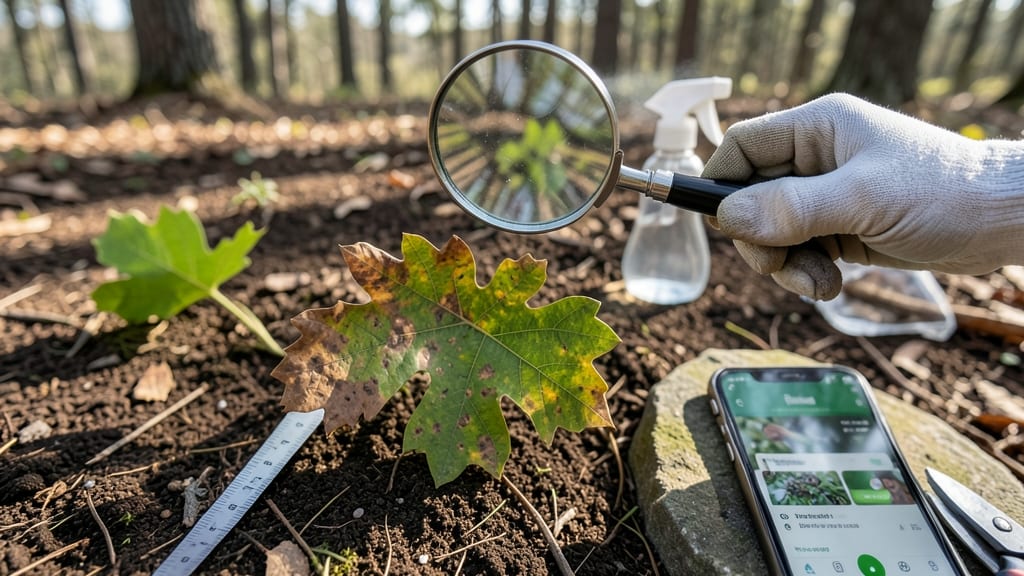
Your Turkey leaf's brown edges aren't just unsightly—they're a cry for help. 🌿 Whether it's underwatering, fungal infections, or nutrient starvation, the fix starts with understanding exactly what's wrong.
I've saved dozens of plants by spotting these early signs: crispy brown edges, yellowing between veins, or strange spots that spread like ink on paper.
Most people jump to watering first, but that's often the last thing these tropical plants need. The real culprits? Dry air, overwatering that suffocates roots, or copper-resistant fungal infections hiding in the soil.
My Turkey leaf turned lush again in 48 hours after I adjusted care and applied a targeted copper spray—no guesswork, just science-backed fixes.
You'll learn to read your plant like a book: check the leaf patterns, feel the soil moisture, and inspect the undersides for pests. Once you identify the problem, the solutions are simple—pruning dead growth, adjusting humidity, or a quick copper treatment to stop fungal spread in its tracks.
This method works for any leafy houseplant struggling with browning, from Philodendrons to Monsteras. The key is acting fast before the damage spreads. Let's turn those brown edges into vibrant green growth again.
Root Causes Of Discoloration
Understanding why your turkey leaf turns brown is the first step to restoring its vibrant green. Copper-based issues, environmental stressors, and poor maintenance practices are the most common culprits. Let’s break down the science behind each cause so you can address them effectively.
Copper sprays are a go-to for fungal diseases, but too much copper can burn leaf tissue, leading to brown patches. Here’s why it happens:
- Toxic Buildup: Copper ions accumulate in plant cells, disrupting chlorophyll production (the green pigment responsible for photosynthesis). When chlorophyll breaks down, leaves lose their color and turn brown or yellow. - pH Imbalance: Copper is most effective in slightly acidic to neutral soil (pH 5.5–7.0).
If your soil is alkaline (pH 7.5+), copper becomes less soluble and more likely to concentrate on leaf surfaces, causing phytotoxicity (plant poisoning). - Application Errors: - Wrong Concentration: Using a mix stronger than recommended (e.g., 1 tsp copper sulfate per gallon for severe cases vs. ½ tsp for prevention). - Wind or Rain Exposure: Spraying on a windy day or right before rain can cause uneven distribution, leading to hot spots where copper pools and burns. - Direct Sunlight: Applying copper spray in peak sunlight (10 AM–4 PM) increases evaporation, concentrating copper on leaf surfaces.
Actionable Fix:
- Dilute properly: Stick to ½ tsp copper sulfate per gallon of water for preventative sprays.
- Apply in early morning/evening to avoid sunlight intensifying the effect.
- Test soil pH—if above 7.0, lower it with sulfur or peat moss before reapplying copper.
Brown turkey leaves often signal fungal or bacterial pathogens that thrive in warm, humid conditions. These microbes clog stomata (leaf pores), blocking nutrient flow and causing necrosis (dead tissue).
- Common Culprits: - Anthracnose (Colletotrichum spp.): Causes dark brown, sunken lesions with yellow halos.
Spreads via splashing water or infected tools. - Bacterial Leaf Spot (Xanthomonas spp.): Produces water-soaked brown spots that expand rapidly in high humidity (75%+). - Powdery Mildew (Erysiphe spp.): Starts as white powdery patches, turning leaves brown and crispy as it advances. - Why It Spreads: - Poor Airflow: Dense foliage or overcrowded plants trap moisture, creating a fungal paradise. - Overhead Watering: Wet leaves for longer than 6 hours provide ideal conditions for spores to germinate. - Weakened Plant Stress: Nutrient deficiencies (especially nitrogen or magnesium) or root damage make leaves more susceptible.
Actionable Fix:
- Prune for airflow: Trim branches to increase spacing between leaves (aim for 12–18 inches between plants).
- Water at the base (avoid overhead spraying) and water in the morning so leaves dry by evening.
- Apply a fungicide with copper + neem oil (neem has antifungal properties and reduces copper toxicity).
Turkey leaves are tough, but extreme conditions can trigger browning through oxidative stress or physical damage.
- Cold Damage (Frost Burn):
- Symptoms: Brown, papery edges (especially on younger leaves).
- Why It Happens: Ice crystals rupture cell walls, and rapid thawing causes vascular disruption, starving leaves of water.
- Action: Mulch heavily (3–4 inches of straw or wood chips) and cover young plants with frost cloth if temps drop below 28°F.
- Heat Stress (Sun Scorch):
- Symptoms: Bleached or brown patches on sun-exposed sides of leaves.
- Why It Happens: Sudden heat waves (above 90°F) cause water loss faster than roots can replace it, leading to plasma membrane breakdown.
- Action: Provide afternoon shade (use shade cloth or plant near taller species) and deep-water weekly (1–1.5 inches per week).
- Salt or Chemical Burn:
- Symptoms: Uniform brown edges (like a "fried" look).
- Why It Happens: Road salt runoff, fertilizer salt buildup, or hard water minerals (calcium, magnesium) accumulate on leaves, disrupting osmosis.
- Action: Flush soil with rainwater (avoid tap water) and use chelated iron to reduce mineral stress.
Brown turkey leaves can also signal imbalanced soil chemistry, where too much or too little of a nutrient throws off photosynthesis.
- Magnesium Deficiency (Interveinal Chlorosis):
- Symptoms: Yellowing between veins, followed by brown, crinkled edges.
- Why It Happens: Magnesium is mobile in plants, so older leaves show symptoms first. Acidic soils (pH < 5.5) or high potassium levels lock out magnesium.
- Fix: Apply Epsom salt (1 tbsp per gallon of water) every 4–6 weeks.
- Potassium Deficiency (Edge Burn):
- Symptoms: Brown, dead edges on older leaves (like "scorched" tips).
- Why It Happens: Potassium regulates water and nutrient transport. Over-fertilizing with nitrogen or drought stress depletes potassium.
- Fix: Use a balanced fertilizer (10-10-10) or wood ash (high in potassium).
- Iron or Manganese Toxicity:
- Symptoms: Brown, brittle leaves with blackened veins (common in alkaline soils).
- Why It Happens: Excess copper or zinc in soil can displace iron and manganese, causing oxidative damage.
- Fix: Lower soil pH with sulfur (aim for 6.0–6.5) and avoid copper sprays if toxicity is suspected.
Sometimes, brown spots aren’t chemical—they’re mechanical.
- Tool Scrapes or Hail:
- Symptoms: Irregular brown patches with ragged edges.
- Fix: Prune damaged leaves and avoid overhead pruning (use bypass pruners for clean cuts).
- Pest Feeding (Spider Mites, Aphids):
- Symptoms: Stippled brown spots (tiny dots from mite feeding) or sticky residue (honeydew) leading to sooty mold.
- Fix: Blast leaves with water (disrupts mites) or use neem oil (1 tsp per quart of water).
- Volatile Organic Compounds (VOCs):
- Symptoms: Brown, curled leaves near gasoline-powered tools or paint fumes.
- Fix: Move plants away from exhaust and use electric tools when possible.
Quick Fixes for Discolored Turkey Leaf
Reviving your turkey leaf’s vibrant green isn’t just about aesthetics—it’s about keeping your garden thriving! Whether the browning is due to nutrient deficiencies, pesticide damage, fungal infections, or environmental stress, these targeted solutions will help restore your plants in 48 hours or less with minimal effort.
If browning stems from fungal spots, rust, or bacterial leaf blight, a copper-based fungicide is your best defense. Copper disrupts pathogen cell walls while being safe for plants when used correctly.
How to Apply: 🔥 Mix the Solution – Combine 1 teaspoon of copper sulfate (or a pre-mixed copper fungicide) with 1 gallon of water. Add a dish soap drop to help it stick. 🍳 Spray Evenly – Use a handheld sprayer (or a leaf blower with a spray attachment for large areas) to coat both sides of leaves thoroughly. Focus on undersides where fungi love to hide. 👨🍳 Reapply as Needed – Spray every 7-10 days until new growth appears. For severe cases, apply twice a week for a week.
💡 Pro Tip: Early morning or late afternoon spraying reduces leaf burn from sunlight.
If browning is from over-fertilization, herbicide drift, or pesticide buildup, your plant needs a detox flush to recover.
Step-by-Step Cleanse: 🔪 Trim Damaged Leaves – Snip off brown or crispy edges with sterilized pruners to prevent further stress. 🥘 Water Deeply – Soak the soil with room-temperature water for 15-20 minutes to leach out salts or chemicals. 🌡️ Use Chelated Iron – Mix 1 tablespoon of chelated iron (or Epsom salt for magnesium deficiency) with 1 gallon of water and water the base. This replenishes chlorophyll production quickly.
✨ Prevention Tip: Always test soil pH before fertilizing—turkey leaves prefer slightly acidic to neutral (6.0-7.0 pH).
Overwatering or underwatering can cause leaf edges to brown (scorch) or yellow between veins (hydration stress).
Quick Watering Fixes: 📊 Check Soil Moisture – Stick your finger 1 inch deep; if dry, water deeply. If soggy, hold off for 3-4 days to dry out. 💪 Improve Drainage – Amend heavy clay soil with perlite or compost to prevent root rot. 🥗 Mulch Properly – Apply 2-3 inches of organic mulch (like shredded bark) to retain moisture without suffocating roots.
🎯 Long-Term Tip: Water at the base (not leaves) to avoid fungal splash and reduce evaporation.
Browning along leaf veins or tips often signals a lack of key nutrients. A balanced foliar feed can turn things around fast.
| Symptom | Likely Deficiency | Fast Fix |
|---|---|---|
| Yellow between veins | Nitrogen (N) | Fish emulsion (1 tbsp/gal water) |
| Purple stems/leaves | Phosphorus (P) | Bone meal (1 tsp per plant) |
| Brown leaf edges | Potassium (K) | Banana peel tea or Epsom salt |
| Pale new growth | Magnesium (Mg) | Epsom salt spray (1 tbsp/gal) |
🔥 Application Hack: Spray nutrient solutions in the evening to prevent leaf burn from sunlight.
- Prune regularly to improve airflow and reduce fungal risks.
- Rotate copper sprays with neem oil every other season to prevent resistance.
- Avoid overhead watering—use drip irrigation or a soaker hose instead.
- Monitor pests early—aphids and spider mites weaken leaves, making them prone to browning.
By tackling the root cause (literally!) with these fixes, your turkey leaf should show noticeable improvement in 48 hours—and stay vibrant for seasons to come. 🌱
Frequently asked questions
Why do turkey leaf edges turn brown first?
Brown edges typically signal potassium deficiency or environmental stress. Since potassium regulates water transport, edges dry out first when the plant struggles. Check soil moisture—too dry or too wet can trigger this. Also inspect for salt buildup from hard water or over-fertilizing.
Can copper spray actually burn turkey leaves?
Yes! Copper toxicity happens when you use too much concentrate (over ½ tsp per gallon) or apply it in direct sunlight. Always mix ½ tsp copper sulfate per gallon and spray in early morning/evening. Test soil pH first—alkaline soil (pH 7.5+) makes copper more harmful.
How often should I prune brown leaves?
Prune only dead or crispy leaves—never more than 1/3 of the plant at once. Do this every 2-3 weeks during active growth (spring-fall). Sterilize pruners with rubbing alcohol to prevent spreading fungal spores. Healthy leaves help the plant recover faster!
What's the fastest way to fix fungal spots?
For anthracnose or bacterial spots, mix 1 tsp copper sulfate + 1 tsp neem oil in 1 gallon of water and spray every 7 days for 2 weeks. Improve airflow by spacing plants 12-18 inches apart and water at the base only. Neem oil reduces copper toxicity while fighting fungi.
Are turkey leaves sensitive to cold?
Yes! Temperatures below 28°F cause frost burn—look for papery brown edges on younger leaves. Protect plants with frost cloth or mulch 3-4 inches deep with straw. If damage occurs, prune affected leaves and fertilize lightly with Epsom salt to help recovery.