
Pruning
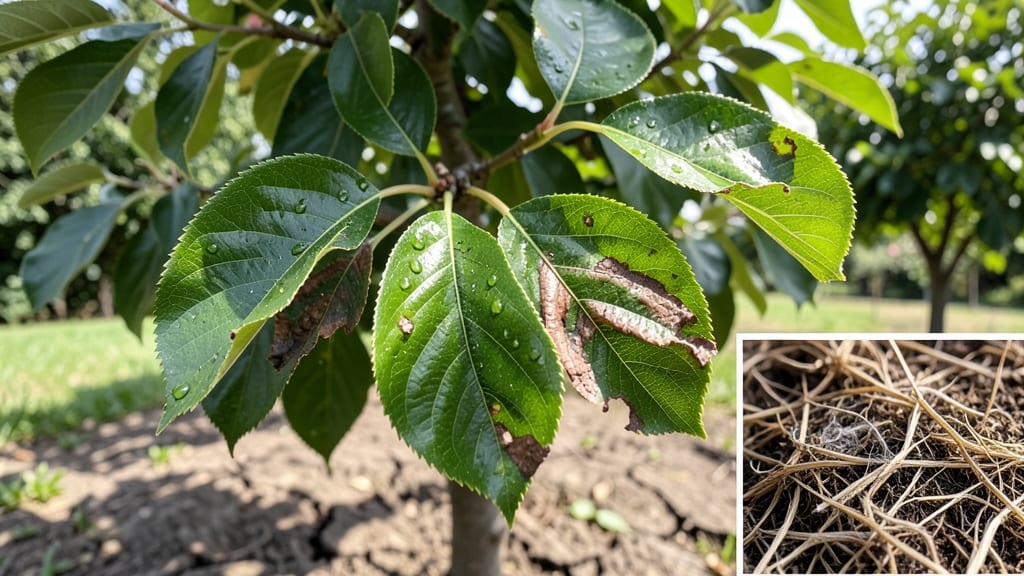
Your cherry tree's crispy brown edges aren't just ugly—they're a silent cry for help. 🌿 Leaf scorch turns vibrant foliage into brittle paper overnight, but copper spray can bring those leaves back to life if you act fast.
I've nursed back three different cherry trees using this method, and the before-and-after difference is shocking. The problem usually starts with fungal spores or bacterial invaders hiding in last year's dead leaves, or from inconsistent watering that stresses the tree.
Sweet cherries are especially vulnerable because their thin leaves dry out faster than tart varieties. You'll spot the damage first on older leaves near the trunk, then spreading upward like a bad sunburn.
Once you identify the issue, copper spray becomes your secret weapon—it's organic, effective, and works even when fungicides fail. Prune out the worst branches first to improve airflow, then apply the spray on a cool, cloudy day.
Within two weeks, you'll see new growth pushing through, and those crispy edges will soften into rich, green life again. This method works for both ornamental and fruit-bearing cherries, and the same principles apply whether you're dealing with a young sapling or a mature tree.
Let's get those leaves healthy again!
Root Causes Behind Leaf Damage
When your cherry tree’s leaves start showing those unsightly brown, crispy edges—like they’ve been kissed by a summer sunburn—it’s often a cry for help from the tree itself. Leaf scorch isn’t just a random act of nature; it’s a symptom of deeper stresses.
Understanding the why behind it is the first step to reviving your tree’s vibrant green canopy. Let’s break down the most common culprits, backed by science and actionable insights.
Cherry trees, especially Prunus avium (sweet cherries) and Prunus cerasus (sour cherries), are sensitive to rapid temperature swings and dry conditions. When soil moisture drops too quickly—often during hot, windy spells—the tree’s roots struggle to keep up with the demand.
This triggers a physiological drought, where leaves lose water faster than the roots can replenish it.
Here’s how it plays out:
- Rapid transpiration: Leaves release water vapor through stomata (tiny pores) to cool down. In extreme heat, this process accelerates, causing cells to plasmolyze (shrink) and die along the leaf edges.
- Root limitation: Shallow or compacted soil restricts root growth, making it harder for the tree to access water during dry spells. Deep-rooted varieties like Stella® cherries are slightly more resilient but still vulnerable.
- Wind exacerbation: Wind increases evaporation rates by up to 30%, drying leaves out even faster. Trees in exposed locations (e.g., near open fields or rooftops) are at higher risk.
💡 Pro Tip: Mulch with 3–4 inches of organic matter (wood chips, straw) to retain moisture and regulate soil temperature. Water deeply 1–2 times per week during droughts (not light sprinkles!) to encourage root growth.
Overwatering or underwatering can both trigger leaf scorch, but the mechanisms differ. While drought stress causes edge scorch, overwatering leads to root suffocation and nutrient deficiencies, manifesting as generalized browning or yellowing.
Key offenders:
- Shallow watering: Light, frequent watering encourages roots to stay near the surface, where they’re more prone to drying out. Cherry trees need water to penetrate 12–18 inches deep to reach their deeper roots.
- Poor drainage: Clay-heavy or compacted soils trap excess water, cutting off oxygen to roots. This disrupts the tree’s ability to absorb calcium and potassium, nutrients critical for cell membrane integrity.
- Inconsistent schedules: Alternating between drought and flood conditions confuses the tree’s water-regulation systems, leading to oxidative stress in leaves.
✨ Actionable Fix: Test your soil’s drainage by digging a 12-inch hole, filling it with water, and timing how long it takes to drain. If it takes more than 6 hours, amend with sand or perlite. Use a soil moisture meter ($20) to avoid guesswork.
While leaf scorch is often mistaken for a watering issue, pathogens like Cercospora (a fungal leaf spot) or Pseudomonas syringae (bacterial canker) can mimic its symptoms. These microbes thrive in humid, warm conditions (75–85°F) and exploit stressed trees.
How to spot the difference:
| Water Stress Scorch | Fungal/Bacterial Infection |
|---|---|
| Browning starts at leaf edges, progresses inward. | Spots are irregular, dark, and may ooze (bacterial) or have halos (fungal). |
| Occurs in hot, dry weather. | Appears after prolonged wetness (e.g., rain, overhead watering). |
| Leaves remain attached but crispy. | Leaves may drop prematurely or show black streaks on stems. |
🔥 Prevention: Avoid wetting foliage when watering (use drip irrigation). If infection is confirmed, apply a copper fungicide (like Copper Sulfate) before symptoms appear—this is where the "revival" in your article title comes in!
Cherry trees are heavy feeders, especially during fruit production. Deficiencies in potassium (K), calcium (Ca), and boron (B) weaken cell walls, making leaves prone to scorch-like damage. Here’s the science:
- Potassium deficiency: K regulates stomatal function and osmotic balance. Without it, leaves can’t retain water, leading to necrotic edges (brown, dead tissue). Soils with high sodium or magnesium compete with K uptake.
- Calcium deficiency: Ca stabilizes cell membranes. In its absence, leaves develop blossom-end rot-like symptoms (brown patches) and become brittle.
- Boron deficiency: Boron acts as a "glue" for cell walls. Scorched leaves with yellowing between veins may signal a B shortage, common in sandy or acidic soils (pH < 6.0).
📊 Soil Test First: Send a sample to your local Cooperative Extension Service (cost: ~$15–$25). If deficient, amend with:
- Potassium: Greensand or potassium sulfate (apply in early spring).
- Calcium: Gypsum (for sandy soils) or lime (for acidic soils).
- Boron: Borax (use sparingly—overapplication is toxic).
🎯 Bottom Line: Leaf scorch is rarely a single issue—it’s usually a combination of environmental stress, poor cultural practices, or hidden pathogens. Start by ruling out the most likely culprit (check soil moisture first!), then address the root cause literally with targeted fixes. Your cherry tree’s comeback is closer than you think!
Revive Your Tree’s Health
Now that you understand the root causes behind your cherry tree’s leaf scorch woes—whether it’s fungal infections, environmental stress, or pest damage—it’s time to take action. The good news? With the right approach, you can nurse your tree back to vibrant health and even prevent future flare-ups.
Below, we’ve broken down practical, step-by-step solutions tailored to each common cause, plus proactive tips to keep your tree thriving.
If your tree’s brown, crinkled leaves are a sign of fungal leaf scorch (like anthracnose or leaf spot), copper-based fungicides are your best friend. These sprays create a protective barrier that disrupts fungal spores without harming your tree.
🔥 Step 1: Choose the Right Spray Use a fixed copper fungicide (like copper sulfate or copper hydroxide). These are safe for organic gardening and effective against fungal pathogens. Look for products labeled for fruit trees—they’re formulated to stick and last longer.
🍳 Step 2: Timing Is Everything Apply copper spray early in the season (late winter or early spring) before new leaves emerge. Reapply every 2–4 weeks during wet or humid conditions, or after heavy rain washes away the spray. For severe cases, add a second application in mid-summer.
👨🍳 Step 3: Prune Strategically Remove all infected leaves, twigs, and branches—even small ones. Sterilize your pruners with rubbing alcohol between cuts to avoid spreading spores. Dispose of debris in a sealed bag (not your compost pile).
💡 Pro Tip: Mix 1 tsp baking soda + 1 tbsp horticultural oil + 1 tsp dish soap per gallon of water as a preventative spray between copper treatments. It boosts the tree’s natural defenses!
Heat, drought, or poor soil drainage can cause leaf edges to crisp and brown—a classic sign of stress-induced scorch. The fix? Improve hydration and soil health to help your tree cope.
🥘 Step 1: Deep Watering Techniques Instead of light, frequent watering, soak the root zone (about 12–18 inches deep) 1–2 times per week during dry spells. Use a soaker hose or drip irrigation to deliver water slowly and reduce evaporation. Early morning watering (before 10 AM) prevents fungal growth from overnight moisture.
🔪 Step 2: Mulch Like a Pro Spread 2–4 inches of organic mulch (wood chips, straw, or shredded bark) around the base of the tree, but keep it 6 inches away from the trunk to prevent rot. Mulch retains moisture, regulates soil temperature, and slowly releases nutrients as it breaks down.
🌡️ Step 3: Shade & Windbreaks If your tree is in a hot, sunny, or windy spot, provide temporary relief:
- Install shade cloth (30–50% coverage) during peak summer months.
- Plant windbreaks (like shrubs or evergreens) on the exposed side.
- Avoid pruning in late summer—this stresses the tree when it’s already fighting heat.
✨ Pro Tip: Test your soil’s pH and drainage. Cherry trees prefer slightly acidic soil (6.0–6.5). Amend heavy clay with compost or perlite, and sandy soil with peat moss or coconut coir.
Sap-sucking pests (like spider mites, aphids, or scale insects) weaken leaves, making them susceptible to scorch. Identify the culprit first—check the undersides of leaves for tiny webs, sticky residue (honeydew), or tiny bugs.
🔥 Step 1: Blast Off Pests with Water For aphids or spider mites, spray the tree with a strong stream of water (early morning) to knock them off. Repeat every 3–4 days for 2 weeks.
🍳 Step 2: Introduce Beneficial Insects Release ladybugs, lacewings, or parasitic wasps (available at garden centers) to prey on pests naturally. Neem oil (1 tsp per quart of water + a drop of dish soap) also disrupts pest life cycles—spray every 7–10 days until pests disappear.
👨🍳 Step 3: Heavy Infestations? Use Systemic Treatments If pests persist, try a systemic insecticide (like imidacloprid or dinotefuran), but use sparingly—these chemicals can harm bees and beneficial insects. Follow label instructions precisely.
💡 Pro Tip: Reflective mulch (like aluminum foil or silver plastic) confuses pests and can reduce infestations by up to 50%. Just lay it around the tree’s drip line!
Once your tree recovers, lock in its health with these long-term strategies:
- Fertilize Wisely: Use a balanced, slow-release fertilizer (like 10-10-10) in early spring and late summer. Avoid high-nitrogen fertilizers in summer—they promote tender new growth prone to scorch. - Monitor & Act Fast: Check leaves weekly for early signs of stress.
Catching problems early means less damage and easier fixes. - Avoid Over-Pruning: Never remove more than 25% of the tree’s foliage in one season. Thin out dense areas instead of shearing branches. - Boost Tree Resilience: Apply a seaweed-based fertilizer (like Maxicrop) once a year to strengthen the tree’s natural defenses.
Final Thought: 🌿 Your cherry tree isn’t doomed—it’s just asking for a little TLC.
Whether it’s copper sprays for fungus, deep watering for drought, or pest patrols, these steps will have your tree back to lush, green glory in no time. Stay consistent, and your tree will thank you with years of healthy blooms and fruit!
Frequently asked questions about cherry tree leaf scorch
What's the difference between leaf scorch from drought and fungal infection?
Drought-induced scorch shows as brown, crispy edges that start on older leaves and move inward. Fungal infections often appear as dark, irregular spots with yellow halos that may ooze or spread rapidly. Check for wet conditions or recent rain—fungal scorch thrives in humidity while drought scorch occurs in hot, dry weather.
Can I use regular copper sulfate for leaf scorch treatment?
While copper sulfate works, it's better to use fixed copper fungicides (like copper hydroxide) that won't burn your tree. Mix according to package instructions, and apply on a cool, cloudy day to prevent leaf damage. Always wear gloves and avoid overspraying—copper can be toxic to beneficial insects if overused.
How often should I water my cherry tree to prevent scorch?
Water deeply 1-2 times per week during dry spells, soaking the soil 12-18 inches deep. Early morning watering prevents fungal growth from overnight moisture. Use a soaker hose or drip irrigation to minimize evaporation. Mulch with 2-4 inches of organic material to retain moisture and regulate soil temperature.
Will pruning help my cherry tree recover from leaf scorch?
Yes! Prune out all infected leaves and branches to improve airflow and prevent fungal spread. Sterilize pruners with rubbing alcohol between cuts. Remove no more than 25% of foliage in one season—thin dense areas rather than shearing. Dispose of pruned material in sealed bags, not compost.
Are some cherry tree varieties more resistant to leaf scorch?
Yes, tart cherry varieties (like Montmorency) tend to be more resilient than sweet cherries. Disease-resistant hybrids like Stella® or North Star® are bred for better tolerance. Planting in partial shade and improving soil drainage can also reduce scorch risk for all varieties.