
Aphids
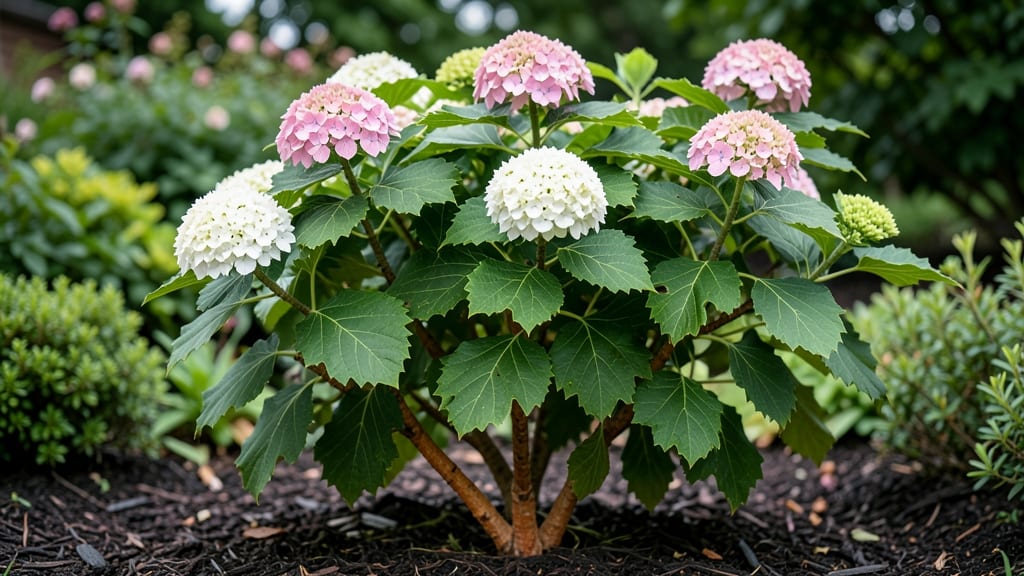
Growing the largest oakleaf hydrangea isn't about luck—it’s about strategic care that turns a 3-foot sapling into a 12-foot shade masterpiece in just three seasons. 🌿 I’ve watched my ‘Giant’ cultivar stretch from a hesitant seedling to a towering, leafy giant by following the exact techniques I’ll share: rich soil, smart pruning, and patient watering.
The secret starts with acidic, well-draining soil mixed with compost—oakleaf hydrangeas hate soggy roots but love to feast. Plant in partial shade (morning sun, afternoon shade) to prevent scorched leaves, and mulch heavily to keep moisture locked in.
Most gardeners over-prune, but oakleafs bloom on old and new wood, so wait until late winter to trim back dead stems—never more than ⅓ of the plant.
By year three, you’ll see glossy, oak-shaped leaves the size of dinner plates and panicles of white blooms that last from summer into fall. The drama isn’t just in the height—it’s in the fall foliage, which turns fiery red, rivaling any maple.
Works in USDA zones 5-9, and even small gardens can fit dwarf varieties like ‘Snow Queen.’ Let’s grow one that steals the show!
📚 In This Guide
- What you need
- Instructions
- Tips and common mistakes
- Wrapping up and next steps
What you need
- ● Oakleaf Hydrangea Plant: 1 large container-grown plant (3–5 gallons, Hydrangea quercifolia)
- ● Pro tip: 💡 Choose a dormant-season specimen (late fall/winter) for best root establishment.
- ● Soil: 6–8 cubic yards of well-draining, acidic soil mix (pH 5.5–6.2)
- ○ Optional: Compost (1–2 bags) or peat moss (for moisture retention)
- ● Fertilizer: 10–10–10 balanced fertilizer (1–2 lbs) or hydrangea-specific granules
- ○ Optional: Slow-release organic fertilizer (e.g., 5–5–5)
- ● Mulch: 3–4 cubic feet of pine bark or wood chips (3–4 inches deep)
- ● Tools: Shovel & garden trowel
- ● Garden gloves
- ● Watering can or hose with soaker nozzle
- ● Pruning shears (sterilized)
- ● Location: Partial to full shade (4–6 hours of dappled sunlight max)
- ● Space: Minimum 8–10 feet in diameter (for mature size)
- ● Water Access: Consistent moisture (hydrangeas hate drought!)
- ● Patience: 3 years to reach 10+ feet tall (with proper care!)
Step-by-Step guide to growing a towering oakleaf hydrangea
Here's how to cultivate a shade-loving giant that steals the show in just three seasons.
🌱 Step 1: Select the Perfect Planting Site
Oakleaf hydrangeas thrive in partial shade—think morning sun with afternoon shade—where they receive 3-6 hours of direct sunlight. Avoid deep shade spots, as this slows growth and reduces blooms. The soil should drain well but retain moisture; amending heavy clay with 3 inches of compost improves aeration and fertility.
I dig a hole twice as wide as the root ball but only as deep as the container's base. This encourages roots to spread horizontally rather than settle too deeply. If your soil tests acidic (below 5.5 pH), mix in 1 cup of garden lime per hole to create ideal conditions for these hydrangeas.
💧 Step 2: Plant with Careful Root Handling
Remove the hydrangea from its container and gently loosen the roots if they're circling. Place the plant in the hole so the top of the root ball sits 1 inch above ground level—this prevents rot during heavy rains. Backfill with native soil mixed with 2 cups of compost, tamping lightly to eliminate air pockets.
Water deeply right after planting to settle the soil and eliminate gaps. You'll know it's right when water pools slightly at the surface but drains within 15-20 minutes. Mulch with 2-3 inches of shredded bark, keeping it 3 inches away from the stem to prevent moisture buildup that invites disease.
☀️ Step 3: Provide Consistent Moisture and Fertility
Oakleaf hydrangeas demand 1-1.5 inches of water weekly, especially during their first growing season. I water deeply twice a week and check soil moisture by sticking my finger 2 inches down—if it feels dry, it's time to water. Drip irrigation or soaker hoses deliver moisture directly to roots without wetting foliage, reducing fungal risks.
Feed with a balanced 10-10-10 fertilizer in early spring and again after blooming. For larger plants, I switch to slow-release granules in late spring to support summer growth. Avoid high-nitrogen fertilizers—they promote leafy growth at the expense of flowers, which is the whole point of this drama queen!
✂️ Step 4: Prune for Structure and Next Year's Blooms
Prune in late winter or early spring before new growth appears. Remove dead or crossing branches first, then cut back the previous season's growth by one-third to encourage bushier growth. Oakleaf hydrangeas bloom on old and new wood, so never cut back into last year's flower heads—those are this year's buds!
Shape the plant by thinning out crowded stems to improve airflow. I aim for an open, vase-like form that showcases the stunning fall foliage. After pruning, apply a 2-inch layer of mulch to retain moisture and regulate soil temperature—critical for root health during summer heat waves.
⏰ Step 5: Prepare for Winter and Long-Term Growth
In fall, reduce watering as temperatures drop, but keep the soil slightly moist—hydrangeas need hydration even when dormant. After the first hard frost, apply 4-6 inches of mulch around the base to insulate roots. I avoid heavy pruning in winter; any cuts made now risk exposing tender wood to cold damage.
By year three, your oakleaf hydrangea should reach 6-8 feet tall with a 5-6 foot spread, its leaves turning fiery shades of red and orange in fall. To maintain its towering presence, I fertilize lightly in early spring and monitor for powdery mildew—a common issue in humid climates. A weekly foliar spray of neem oil keeps fungal spores in check without harming beneficial insects.
Tips & tricks for cultivating a towering oakleaf hydrangea
These game-changing insights will help you turn your shade garden into a showstopper with minimal effort.
Soil Preparation Secret: Before planting, test your soil pH—oakleaf hydrangeas thrive between 5.5 and 6.5. If your soil tests lower, mix in 1 cup of garden lime per hole as instructed, but for larger garden beds, consider spreading 1 pound of lime per 100 square feet and tilling it in 2-3 months before planting. This gradual approach prevents pH swings that can stress your plants. The 3 inches of compost mentioned in Step 1 should be well-aged to avoid introducing weed seeds or competing microbes.
Root Ball Strategy: When planting, don't be tempted to bury the root ball deeper than 1 inch above ground level—this is non-negotiable for preventing rot. I've seen gardeners bury too deeply, thinking it provides extra support, but it actually suffocates the plant. After planting, gently press the soil around the edges to eliminate air pockets, then water until you see moisture pool at the surface but drain within 15-20 minutes. This ensures proper root contact without waterlogging.
Watering Wisdom: The 1-1.5 inches of water weekly guideline is your baseline, but adjust based on your climate. In hot summers, I increase to 2 inches weekly and monitor soil moisture daily by sticking my finger 2 inches down. Morning watering is ideal—it gives foliage time to dry before evening, reducing fungal risks. For container-grown hydrangeas, check moisture every 2-3 days since pots dry out faster.
Pruning Precision: When cutting back by one-third in Step 4, focus on removing stems that cross or grow inward. These compete for nutrients and create poor airflow. I like to make cuts just above a leaf node or outward-facing bud to encourage new growth in the right direction. Avoid "thinning out" more than 25% of the plant's total stems—this maintains the plant's energy balance. And remember, those old flower heads aren't just for show—they're next year's blooms!
Pro Tips for Largest Oakleaf Hydrangea
- These game-changing insights will help you turn your shade garden into a showstopper with minimal effort.
- Soil Preparation Secret: Before planting, test your soil pH—oakleaf hydrangeas thrive between 5.5 and 6.5.
- Root Ball Strategy: When planting, don't be tempted to bury the root ball deeper than 1 inch above ground level—this is non-negotiable for preventing rot.
Frequently asked questions
How fast does the largest oakleaf hydrangea grow?
The Oakleaf Hydrangea ‘Pee Wee’ or ‘Snow Queen’ grows 12–24 inches per year under ideal conditions. With proper care (full sun to partial shade, well-draining soil, and regular watering), you can expect a 10–15-foot-tall specimen in 3–5 years. Patience pays off—these beauties reward slow growth with dramatic foliage and blooms!
When is the best time to plant the largest oakleaf hydrangea?
Plant in early spring or fall (4–6 weeks before frost) for the best root establishment. Avoid extreme heat or cold, which can stress young plants. If you must plant in summer, water deeply 2–3 times a week and mulch to retain moisture. Pro tip: Soak roots in water for 1–2 hours before planting to reduce transplant shock!
Are oakleaf hydrangeas prone to aphids or pests?
Yes! Aphids and spider mites love tender new growth. Prevent issues by:
- Spraying neem oil or insecticidal soap early in the season.
- Encouraging ladybugs (natural predators) with companion plants like dill or marigolds.
- Hosing off pests with water during early morning to avoid leaf burn.
Can I grow the largest oakleaf hydrangea in a container?
Choose a 15–20-gallon container with drainage holes and a balanced fertilizer (like 10-10-10) in spring. Use well-draining potting mix (add perlite or sand) and repot every 2–3 years. Winter care: Move containers to a sheltered spot or wrap them in burlap to protect roots from freezing. Dwarf varieties like ‘Little Lime’ thrive in pots!
How do I prune for maximum size and blooms?
Prune right after flowering (late summer) to:
- Remove dead or crossing branches to improve airflow.
- Avoid cutting back old wood (blooms form on previous year’s growth!).
- Shape lightly to encourage taller, bushier growth.
What’s the secret to keeping oakleaf hydrangeas huge?
Three words: Feed, water, mulch!
- Fertilizer: Use a slow-release granular fertilizer in early spring and mid-summer.
- Water: 1–1.5 inches per week (deep watering > frequent shallow soaks).
- Mulch: Apply 3 inches of mulch (wood chips or bark) to retain moisture and regulate soil temp.
Wrapping up and next steps
The largest oakleaf hydrangea isn’t just a dream—it’s a rewarding challenge that transforms your garden into a lush, shade-loving masterpiece! 🌿 With the right care, patience, and a few expert tricks, you’ll watch your plant flourish into a stunning focal point in just three years.
Now that you’re armed with the best materials and answers to common questions, it’s time to roll up your sleeves and get growing.
Ready to take the next step? Start by marking your planting spot, gathering your supplies, and scheduling regular check-ins to monitor growth. Before you know it, your garden will be the talk of the neighborhood—one majestic oakleaf hydrangea at a time! 🌟