
Fertilization
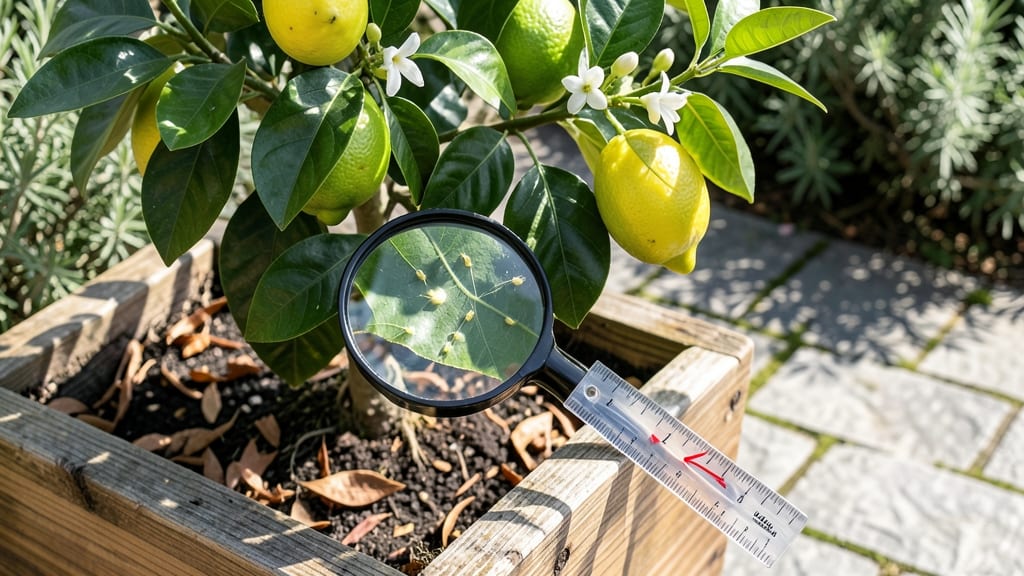
Spotting tiny white citrus leafminer eggs on your citrus leaves? Those pests will skeletonize your tree if you don’t act fast. 🌿 The key to stopping them is a pre-bloom copper spray that smothers eggs and blocks fungal growth—before the larvae hatch and ruin your harvest.
Most gardeners wait until they see damage, but by then it’s too late. I check leaves every 10 days starting in early spring, using a 10x magnifying glass to spot the eggs.
Copper spray works because it creates a protective film that eggs can’t penetrate, and it’s safe for your tree when applied correctly.
Within 7-10 days of treatment, you’ll see new growth emerge without the telltale white trails of leafminers. The spray also prevents secondary fungal infections that thrive in damaged leaves, so your tree stays healthier overall.
This method works for lemon, lime, orange, and grapefruit trees—just adjust the spray timing based on your local frost dates. The secret is consistency: spray every 2-3 weeks until blooming season ends.
📚 In This Guide
- What you need
- Instructions
- Tips and common mistakes
- Wrapping up and next steps
What you need
- ● Copper fungicide: 3 lbs of copper hydroxide or copper sulfate (e.g., Bonide Copper Fungicide or TriBasic Copper Sulfate). Note: Avoid copper sulfate pentahydrate—it’s less effective and more toxic.
- ○ Horticultural oil (optional but ideal): 1–2 quarts of dormant oil (e.g., JMS Strobe or Neem Bliss) to enhance smothering effects. Must be labeled for use with copper.
- ● Sprayer: Backpack sprayer: 3–4 gallon capacity (e.g., Chapin 6-Gallon Backpack Sprayer).
- ● OR handheld sprayer: 1–2 gallon with conical nozzle (e.g., Ryobi 1-Gallon Pump Sprayer) for smaller trees.
- ● Water: 10 gallons (for 3 lbs copper + oil mix). Use dechlorinated or rainwater if possible.
- ● Protective gear: Nitrile gloves (waterproof, 1 pair)
- ● Long-sleeved shirt & pants (cover all skin)
- ● Safety goggles (ANSI-rated, 1 pair)
- ○ Face mask (optional, for sensitive skin)
- ○ pH test strips: Optional but critical—ensure water pH is 5.0–7.0 (copper efficacy drops in alkaline conditions).
- ● Stirring stick: Wooden or plastic (avoid metal—reacts with copper).
- ● Measuring cups: 1–2 quart and 1-pint capacity for precise mixing.
- ● Ladder or step stool: For tall citrus trees (ensure stability!).
- ● Pruners: Sharp, sterilized pair to remove heavily infested leaves post-treatment.
- ● Timer: Phone or kitchen timer to track 4–6 hour drying time before rain.
- ● Confirm citrus leafminer eggs are present via magnifying glass inspection (eggs appear as tiny white specks on leaf undersides).
- ● Choose a calm, wind-free day (spray should not drift).
- ● Avoid spraying if temperatures exceed 90°F (32°C)—copper can burn foliage.
- ● Do not apply during bloom (copper harms pollinators).
How to apply copper spray for citrus leafminer prevention
Here's my battle-tested method for stopping leafminers before they hatch, using copper as a natural fungal blockade.
🌿 Step 1: Prepare the Copper Spray Solution
Mix 1 tablespoon of copper fungicide (like copper sulfate or tribasic copper sulfate) with 1 gallon of water in a clean spray bottle or pump sprayer. I always stir this for at least 2 minutes to ensure complete dissolution—any undissolved particles can clog your sprayer nozzle or leave residue spots on leaves. For extra effectiveness, add ½ teaspoon of horticultural oil to help the solution adhere better to leaf surfaces.
Work in a shaded area or on an overcast day to prevent the spray from drying too quickly on leaves. Copper can be harsh on foliage if applied under direct sun, so timing matters. I like to prepare the solution in the late afternoon when temperatures are cooler—this gives the copper time to settle properly before application.
✂️ Step 2: Prune and Clean Infested Areas
Before spraying, remove any heavily damaged leaves or branches showing signs of leafminer activity. Use sterilized pruning shears (wipe with rubbing alcohol between cuts) to prevent spreading any fungal spores or pests. Focus on areas with visible white serpentine trails or pupal cases—these are prime breeding grounds. Bag the pruned material and dispose of it immediately in sealed trash to prevent reinfestation.
This step is critical because copper spray works best on clean foliage. Heavy buildup of old leaves or debris can dilute the solution's effectiveness. I also like to give the tree a light rinse with plain water first—this removes dust and helps the copper adhere more evenly later.
💧 Step 3: Apply the Spray Systematically
Start spraying the undersides of leaves first—this is where leafminer eggs are most commonly laid. Use a fine mist setting on your sprayer to ensure even coverage without runoff. Move in overlapping vertical strips from top to bottom of the tree, making sure to cover new growth, buds, and fruit as well. The goal is to create a protective barrier that prevents eggs from hatching.
Pay special attention to young leaves and flushes—these are prime targets for egg-laying. I like to work in two passes: the first covers the upper canopy, and the second focuses on the lower branches and trunk. Wait 2-3 hours between passes to let the first layer dry slightly, which improves adhesion. Avoid spraying when rain is forecast within 24 hours—copper can wash off before it has time to form a protective film.
☀️ Step 4: Monitor and Reapply as Needed
After application, keep an eye out for new egg clusters or early larval activity on untreated areas. Copper spray provides 3-4 weeks of protection, but its effectiveness diminishes with rain or heavy dew. I schedule monthly applications during the pre-bloom season (late winter to early spring) to maintain a consistent blockade. If you notice yellowing leaves or stunted growth, it may indicate copper phytotoxicity—reduce concentration or switch to a softer formulation.
This is also the time to check for secondary fungal issues like sooty mold, which often follows leafminer infestations. If you see black residue on leaves, follow up with a light horticultural oil spray to cleanse the foliage. The key is preventative consistency—don’t wait until you see damage to act.
Tips & tricks for effective citrus leafminer prevention
These targeted strategies will help you maximize your copper spray's effectiveness while avoiding common pitfalls that compromise the treatment.
Solution Preparation: The 2-minute stirring requirement isn't just about mixing—it's about creating a homogeneous solution. Any undissolved copper particles can create hotspots that damage foliage. I use a clean glass jar with a tight lid to stir, then let it settle for 5 minutes before transferring to the sprayer. This ensures only fully dissolved copper reaches your plants. For extra insurance, strain the solution through a fine mesh sieve before pouring into your sprayer to catch any lingering particles.
Timing Secret: Applying copper spray in the late afternoon (as mentioned) works because cooler temperatures slow evaporation, giving the solution time to properly adhere to leaf surfaces. But here's what nobody tells you—if you must spray earlier in the day, choose a cloudy morning when temperatures are below 75°F. Direct sunlight during peak hours can cause the spray to dry too quickly, leaving uneven coverage that fails to prevent egg hatching. Always check the forecast for the next 24 hours before applying.
Application Technique: The two-pass method in Step 3 creates a more robust protective barrier. After your first pass, let the solution dry slightly (those 2-3 hours are crucial) before the second application. This creates layered protection that's harder for rain to wash away. I use a white spray marker to mark the first pass areas—this visual guide helps ensure complete coverage during the second pass. Pay special attention to the leaf axils (where leaves meet stems) and any new growth that appears after your initial treatment.
Pro Tips for Citrus Leafminer Eggs
- These targeted strategies will help you maximize your copper spray's effectiveness while avoiding common pitfalls that compromise the treatment.
- Solution Preparation: The 2-minute stirring requirement isn't just about mixing—it's about creating a homogeneous solution.
- Timing Secret: Applying copper spray in the late afternoon (as mentioned) works because cooler temperatures slow evaporation, giving the solution time to properly adhere to leaf surfaces.
Frequently asked questions
Got questions about citrus leafminer eggs and copper spray?
You’re not alone! Here are answers to the most common concerns—from timing to troubleshooting—so you can tackle this pest with confidence.
When is the best time to apply copper spray for citrus leafminer eggs?
The ideal window is pre-bloom (late winter to early spring) when eggs are newly laid but larvae haven’t hatched yet. Reapply every 7–10 days during peak egg-laying season (spring and fall) for maximum fungal blockade effectiveness. Avoid spraying when rain is forecasted within 24 hours.
How do I know if my citrus tree has leafminer eggs before they hatch?
Check the undersides of leaves for tiny, white or yellow specks (eggs) clustered along veins. Use a 10x magnifying glass for accuracy. Eggs are 0.5mm long and resemble tiny grains of rice. If you spot serpentine mines (brown trails), larvae have already hatched—copper spray may be less effective.
Is copper spray safe for edible citrus fruit after application?
Yes, but follow label instructions carefully. Copper is organic and OMRI-listed, meaning it’s approved for organic farming. Wait 14–21 days after spraying before harvesting fruit to ensure residue safety. Always wash fruit thoroughly before eating, especially if sprayed late in the season.
What temperature range is best for copper spray application?
Apply when temperatures are between 50°F–85°F (10°C–29°C). Avoid spraying in extreme heat or direct sunlight (afternoons), as copper can burn leaves. Early mornings or late afternoons are ideal. If temps drop below 50°F (10°C), fungal activity slows—delay treatment until conditions improve.
What should I do if copper spray doesn’t seem to work?
If you see persistent mines or new eggs, try these fixes:
- Boost frequency: Increase sprays to every 5–7 days during outbreaks.
- Add horticultural oil: Mix 1% oil + copper for better egg smothering (apply in cooler weather).
- Introduce beneficial insects: Release parasitic wasps (Citrostichus phyllocnistoides) or ladybugs for natural control.
- Check for resistance: If leafminers thrive despite sprays, rotate with kaolin clay or neem oil.
Also, ensure you’re covering both leaf surfaces—eggs often hide on undersides!
Wrapping up and next steps
Identifying and managing citrus leafminer eggs early with a pre-bloom copper spray can save your grove from costly damage. This protocol acts as a fungal blockade, disrupting larval development before it starts. Stay proactive—consistent monitoring and timely action are your best defenses! 🌱
Ready to take control? Start by inspecting your trees weekly and apply your copper spray at the first sign of eggs. Your citrus trees—and your peace of mind—will thank you!