
Leaf Blower
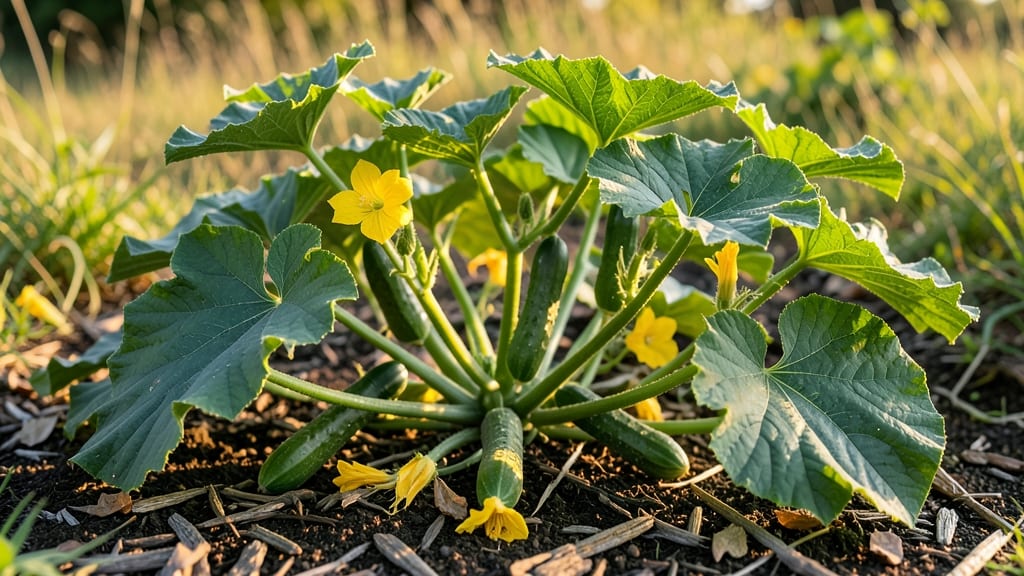
Understanding cucumber leaf shape helps identify varieties, as lobed, serrated-edged leaves appear in slicing types while heirloom or bush varieties often show deeply divided, jagged foliage. Leaf structure also reveals whether a plant will vine or stay compact.
Cucumber leaves aren't all created equal—their unique shapes can tell you everything from the plant's growth habit to its intended use. 🌿 For example, slicing cucumbers like 'Straight Eight' typically have broad, lobed leaves with pronounced serrations along the edges, while heirloom varieties such as 'Lemon Cucumber' showcase deeply divided foliage that resembles fern fronds.
These differences aren't just cosmetic; they often correlate with how the plant spreads—vining types develop larger, more intricate leaves, while bush varieties tend to have smaller, denser foliage.
Gardeners can use these visual cues to verify seed packet descriptions or troubleshoot misidentifications, especially when distinguishing cucumbers from their squash or melon relatives.
If you're starting from seedlings, pay close attention to the first true leaves—they often retain the most distinctive characteristics of the mature plant. For instance, 'Armenian' cucumbers (also called snake melons) have elongated, less lobed leaves compared to traditional cucumbers, which can help prevent mix-ups in mixed-plant gardens.
The key is to observe both the overall leaf silhouette and finer details like vein patterns or edge texture, as these traits remain consistent throughout the plant's life cycle.
💡 In This Article
- How Cucumber Leaf Morphology Differs by Variety
- Identifying Cucumber Varieties from Seed Packets to Seedlings
How cucumber leaf morphology differs by variety
The intricate world of cucumber leaves reveals fascinating botanical distinctions that go far beyond simple aesthetics. Take slicing cucumbers like 'Marketmore 76'—their leaves typically feature 3-5 broad lobes with deep, jagged serrations along the edges, almost resembling a maple leaf's structure.
These leaves often grow 4-8 inches wide and have a waxy, slightly hairy texture that helps repel pests. In contrast, heirloom varieties such as 'Boston Pickling' showcase leaves with 7-9 deeply divided segments, creating a fern-like appearance that maximizes surface area for photosynthesis in their sprawling vines.
What's especially interesting is how leaf shape correlates with plant growth habits. Vining cucumbers, which can reach 10-20 feet in length, develop larger, more complex leaves with prominent palmate venation—where veins radiate outward from a central point like spokes on a wheel. This structure supports their extensive foliage needs.
Bush varieties, however, tend to have smaller, less lobed leaves (often 2-4 inches wide) with simpler venation patterns, reflecting their more compact growth form. The leaf margins also provide clues: pickling cucumbers frequently exhibit sharper, more pronounced serrations than slicing types, which often have smoother edges.
Even the leaf's underside tells a story. Many cucumber varieties develop a light green to white pubescence (fine hair) on their lower leaf surfaces, which helps reduce water loss—a critical adaptation for plants that often grow in warm climates.
However, some modern hybrid varieties have been bred to have nearly hairless leaves to improve disease resistance. This subtle detail can help you distinguish between older heirloom varieties and newer commercial types when examining plants in your garden.
For the true cucumber enthusiast, leaf shape can even indicate a plant's intended use. Parthenocarpic varieties (those that produce fruit without pollination) often have slightly broader leaves with more pronounced lobing to support their higher fruit yields.
Meanwhile, wild cucumbers (like those in the Echinocystis genus) have completely different leaf structures—deeply lobed with spiny edges—that help identify them when they might accidentally appear in your garden plots.
Consider this visual comparison: A 'Straight Eight' slicing cucumber's leaf might resemble a 5-pointed star with serrated edges, while a 'Lemon Cucumber' heirloom leaf could look like a delicate fern frond.
These differences aren't just for show—they reflect centuries of selective breeding for specific growth patterns and fruit characteristics. 🌱
The next time you're examining cucumber plants, take a moment to study the leaves closely. You'll often find that the most distinctive varieties have the most unique foliage—making leaf shape one of the most reliable identifiers in the cucumber kingdom.