
How To
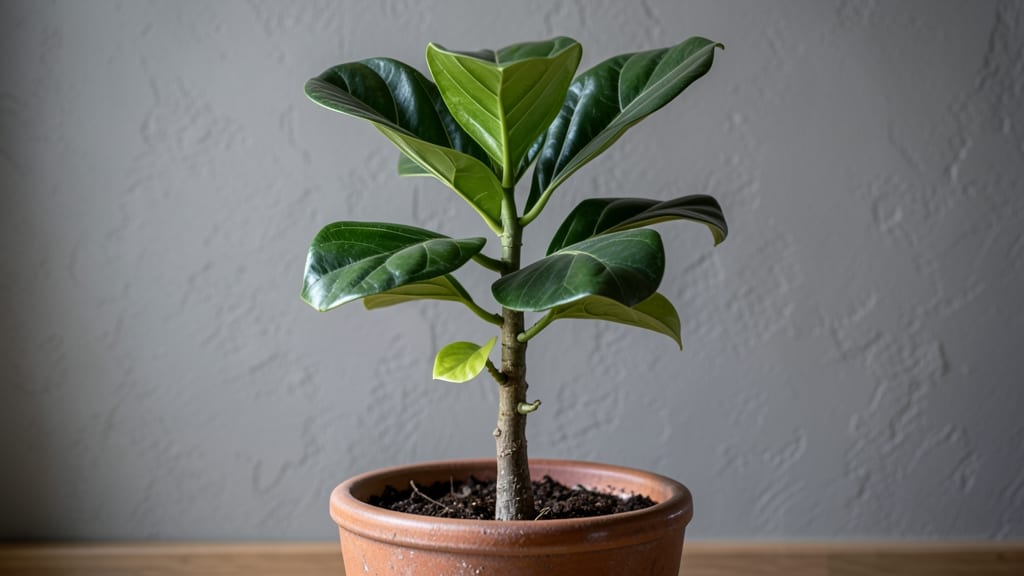
A fiddle leaf fig 🌿 can grow to 8-10 feet tall indoors with the right care, though many people underestimate how quickly it climbs toward the ceiling.
If you’ve ever wondered whether your fiddle leaf fig will soon tower over your ceiling fan, you’re not alone—this iconic houseplant’s rapid growth can catch even seasoned plant parents off guard.
Under ideal conditions—bright, indirect light and consistent moisture—your fiddle leaf fig could add 6-12 inches per year, turning a 2-foot sapling into a statement plant in just a few seasons.
Learn how to track its growth stage, when to prune for manageable height, and how light, soil, and variety all play a role in whether your fiddle leaf fig stays a countertop centerpiece or becomes a living room ceiling feature.

Fiddle leaf fig height by growth stage: what to expect year by year
Your fiddle leaf fig (Ficus lyrata) starts as a delicate seedling but transforms into a striking tropical statement piece. Understanding its growth stages helps you plan space and care.
Under ideal conditions, these plants grow 6-12 inches annually, but factors like light exposure, pot size, and variety can speed up or slow down growth. Let’s break down what to expect year by year, from nursery purchase to mature plant.
In its first year, a fiddle leaf fig typically reaches 2-4 feet tall. This rapid growth phase happens when the plant adapts to its new environment.
If you’ve bought a 6-inch starter plant, it could double in height within months—especially with bright indirect light and consistent moisture. However, overwatering or low light can stunt growth, keeping it under 2 feet for the entire year.
Year 2 brings more noticeable growth, with heights ranging from 4-6 feet. This is when your fiddle leaf fig starts developing its signature large, violin-shaped leaves. If placed near a south-facing window (with filtered light), it may grow closer to 6 feet. During this stage, you’ll also notice thicker stems and more robust foliage. Pruning isn’t usually needed, but removing yellowing leaves keeps energy focused on upward growth.
By Year 3, your fiddle leaf fig enters its teenage phase, reaching 6-8 feet tall. This is when many plant owners realize their once-small houseplant now requires ceiling clearance!
If you’ve been fertilizing regularly (every 4-6 weeks in spring/summer) and providing stable humidity, growth may exceed expectations. At this point, you’ll likely need to rotate the plant monthly to prevent leaning toward light sources.
🌿 Fiddle Leaf Fig Growth Timeline
| Stage | Height Range | Key Characteristics | Care Focus |
|---|---|---|---|
| Seedling (0-6 months) | 6 in - 2 ft | Small leaves, thin stems | Bright light, gentle watering |
| Year 1 | 2-4 ft | Rapid vertical growth | Repot if roots bind |
| Year 2 | 4-6 ft | Thicker stems, larger leaves | Prune leggy growth |
| Year 3+ | 6-10 ft | Mature foliage, potential flowering | Support or prune for size |
| Mature (5+ years) | 8-12 ft | Dense canopy, possible browning | Regular maintenance pruning |
Once your fiddle leaf fig reaches mature height (8-10 feet), growth slows significantly. At this stage, it may only gain 1-2 inches annually unless given optimal conditions. Some varieties, like the ‘Brad’ cultivar, tend to grow slightly taller than others, while ‘Perfection’ may stay slightly shorter.
If your plant exceeds 10 feet, it’s likely due to ideal care—think consistent humidity, balanced fertilization, and plenty of light.
Outdoor growth varies dramatically by climate. In USDA Zone 10-11, fiddle leaf figs can grow outdoors year-round and may reach 12+ feet with no winter dormancy. However, in cooler zones, they’re best kept indoors or moved to a protected patio during summer months.
Even a few hours of direct sunlight can boost growth, but avoid scorching leaves by using a sheer curtain.
If you’re worried about your fiddle leaf fig outgrowing its space, don’t panic—pruning and training can help manage height. You can encourage bushier growth by trimming the top stem just above a leaf node. This prompts side shoots to grow, creating a fuller plant.
For dramatic height control, consider topping the plant annually, which resets its growth pattern and keeps it more compact. Just be prepared for a temporary slowdown in vertical growth while it recovers.
Light is the #1 factor influencing height. A fiddle leaf fig in low-light conditions may grow only 1-
How to control fiddle leaf fig height: pruning and training techniques
Your fiddle leaf fig can reach 8-10 feet tall indoors if left unchecked, but with the right techniques, you can keep it at a manageable 3-5 feet for your space.
The key is understanding when and how to prune—this isn’t just about cutting back growth, but also encouraging bushier, fuller plants that stay within your design goals. I’ve learned through trial and error that timing and technique make all the difference.
Most people prune their fiddle leaf figs too late, when the plant has already outgrown its space. The best time to prune is in early spring or after a growth spurt, when the plant is actively producing new leaves.
This gives you 6-8 weeks of growth before the next pruning cycle. I recommend using sterilized pruning shears to avoid introducing diseases—just dip them in rubbing alcohol between cuts.
Here’s my pro tip: If you want a bushier plant, prune just above a leaf node (the bump where leaves grow). This encourages the plant to branch out from that spot. For a more tree-like shape, prune higher up on the stem.
I’ve seen stunning results by pruning my 3-year-old fiddle leaf fig this way—it now has three thick trunks instead of one leggy stem.
Don’t prune more than 1/3 of the plant at once—this stresses the fiddle leaf fig and can lead to leaf drop. Also, avoid pruning in winter when growth slows, and never use dull shears (they crush stems).
💡 Pro Tip: Save your pruned cuttings! Place them in water for 2-3 weeks to root—you’ll get free baby fiddle leaf figs for your collection.
For small spaces, consider wall mounting your fiddle leaf fig. Use a macramé hanger or a wall-mounted planter to create vertical space. I’ve seen stunning displays where the plant cascades down a wall, adding greenery without taking up floor space.
Just ensure the wall can support the weight—fiddle leaf figs get surprisingly heavy as they grow.
If you’re dealing with a leggy, sparse fiddle leaf fig, try the pinching method. Use your fingers to gently pinch off the tips of new growth when they’re about 4-6 inches long.
This encourages the plant to grow wider instead of taller. I’ve used this technique on my 2-year-old plant, and it’s now twice as wide as it was before!
Lastly, remember that light levels directly impact growth. If your fiddle leaf fig is growing too fast (and tall), it might be getting too much light. Move it 1-2 feet farther from the window to slow its vertical growth.
Conversely, if it’s growing slowly, a grow light can help it reach your desired height faster.
With these techniques, you can keep your fiddle leaf fig at the perfect height for your home—whether that’s a countertop statement piece or a floor-filling centerpiece. The key is consistency in pruning and training, paired with attentive care. Your plant will thank you with lush, vibrant leaves year-round! 🌿